Physical Address
304 North Cardinal St.
Dorchester Center, MA 02124
Physical Address
304 North Cardinal St.
Dorchester Center, MA 02124

Learn to make matcha in a century-old Kyoto townhouse, with a tea master, traditional sweets, and an optional kimono rental and house tour.
In a 100-year-old Kyoto townhouse, tea is not just poured and passed around. A tea master shows you how each movement fits the ceremony, then you prepare matcha yourself and taste it with a traditional sweet. It is a hands-on introduction to a practice that can seem mysterious from the outside.
I like two things here: you get to make your own tea under the master’s guidance, and the machiya setting gives the lesson a sense of place that a modern classroom cannot. The main consideration is the timing: with kimono rental, you travel between the Gojo shop and the townhouse on your own, and the ceremony begins two hours after your booked start time.
This experience works well because it joins instruction with participation. You hear about the history and etiquette, watch a tea master prepare a bowl, and then follow the steps yourself. The lesson is designed for newcomers, so you do not need to know the right way to bow or how to handle a tea bowl before you arrive.
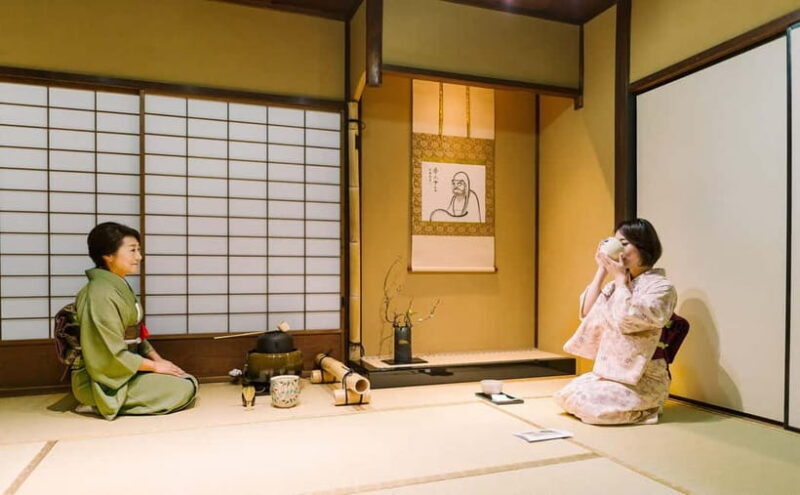
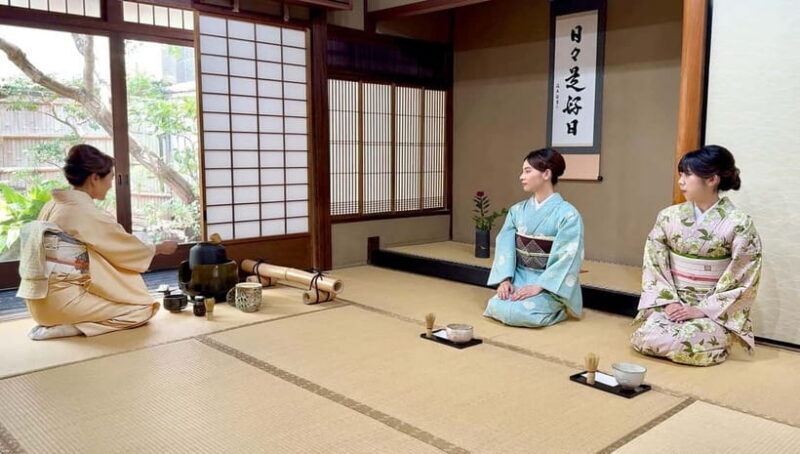
The setting is part of the appeal. The ceremony takes place at Yumeyakata Oike Bettei, in a traditional machiya near Kyoto Gosho, the Imperial Palace. Tatami, wooden details, and paper screens help make the ritual feel connected to a real Kyoto home rather than staged in a generic activity room.
The area has long been associated with court life and the arts. The former residence of fourteenth-century court noble Nijō Yoshimoto is nearby. He was a high-ranking official and an important figure in linked-verse poetry. You do not need to know the details to enjoy the ceremony, but they help explain why this part of Kyoto is a fitting place to encounter formal arts and customs.
Looking for more options in Kyoto? Here are some other experiences worth considering.
The tea session begins with an explanation of how tea came to Japan from China around 1,200 years ago and how the practice developed into the Japanese Way of Tea. The account gives the ritual a wider frame: this is not simply a recipe for whisking powdered tea, but a set of customs shaped over time.
Your tea master or interpreter introduces the basic etiquette. You learn how to bow, what greetings to use, how to eat the sweet, how to drink the matcha, and how to look at the tea bowl. These steps may feel formal at first, but having them explained makes it easier to pay attention rather than worry about making a mistake.
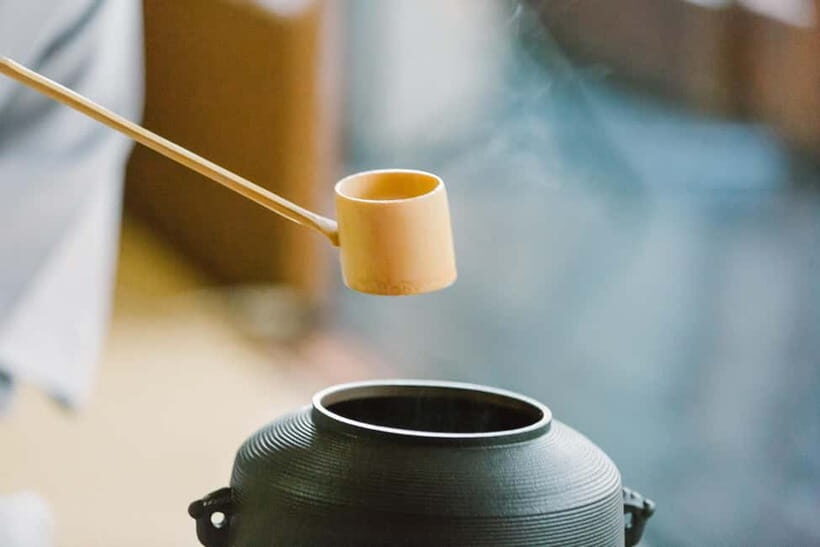
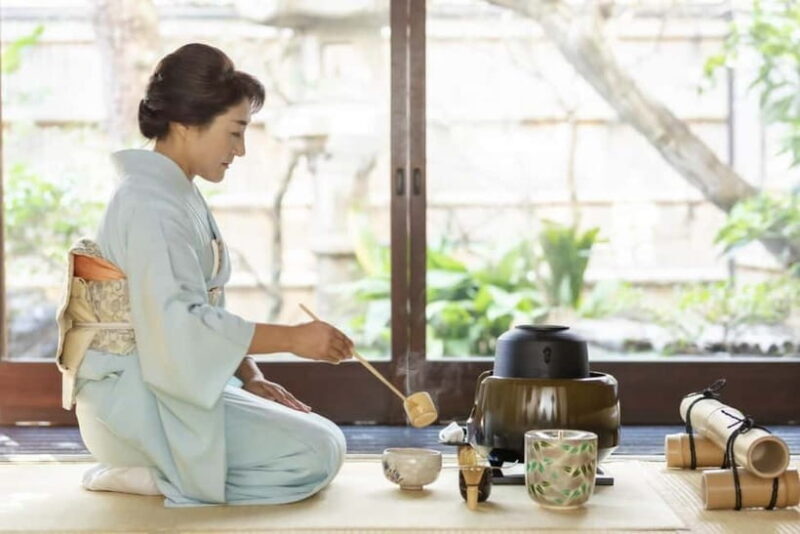
Then comes the demonstration. The master brings the necessary utensils into the room and prepares the first tea for a participant. Watching the measured sequence is a useful contrast with the hands-on part that follows. Reviews have named hosts including Lim, Ling, and Maki, though the person leading your session will depend on the date.
After the demonstration, you prepare tea under the master’s supervision. That is the point where the lesson becomes more than a performance to watch. You get a feel for the actions involved, while the instructor can explain what to do as you go. Matcha and a traditional Japanese sweet are included.
There is time for questions before the session ends. The full tea-only experience lasts about 50 minutes, according to the activity details. That makes it a manageable cultural stop in a busy Kyoto day, though it is still worth arriving on time: late arrivals can join, but the session will not be extended.
A machiya is a traditional Kyoto townhouse, and this one is described as about 100 years old. Its rooms and traditional features give the ceremony a domestic scale. Rather than sitting in a large hall, you take part in a setting that helps you picture how architecture, daily life, and formal hospitality can meet.
The room used for the ceremony depends on the number of people attending. Groups can reach 20, so the experience is not guaranteed to feel intimate or private. If you picture a one-on-one lesson, adjust that expectation. Even in a group, the sequence is clear, and the master’s demonstration gives everyone a shared view of the ritual.
You can sit on a small chair or sit on the floor. That flexibility is helpful if kneeling or sitting on tatami is uncomfortable. The session needs a quiet atmosphere, so it is intended for people aged 10 and older. Keep voices low and follow the host’s directions; disruptive behavior can lead to being asked to leave.
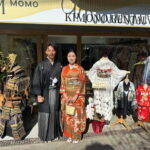
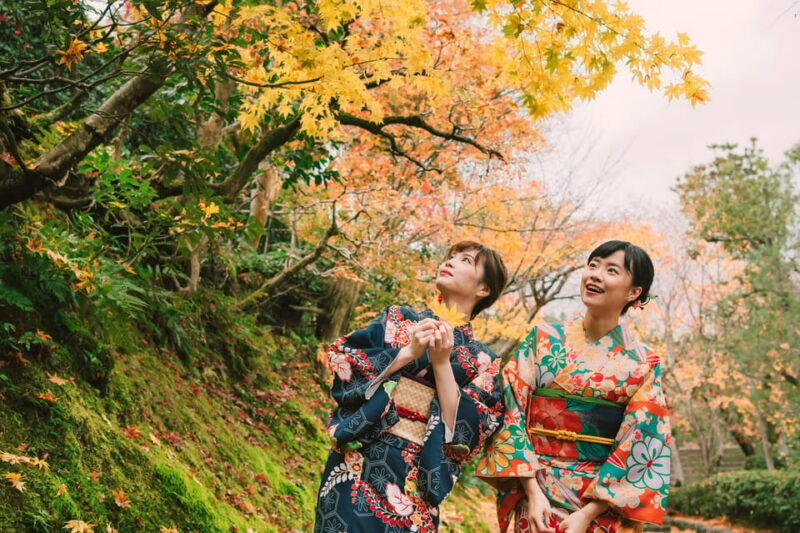
The kimono option starts at the Yumeyakata Gojo Shop. Arrive at the starting time shown on your voucher to choose from a range of colors, designs, and sizes. The ceremony itself begins two hours after that selected time. For example, an 11:00 AM start means the tea ceremony begins at 1:00 PM.
Once dressed, you make your own way to Oike Bettei. Transportation between the shop and townhouse is not included, so allow time for the transfer and check your route before setting out. The rental plan turns a 50-minute lesson into a longer outing, and the total activity duration can range from 50 minutes to three hours.
The included rental is a casual kimono if you select that plan. Optional extras for women include hairstyling, makeup, a hair accessory, and an upgrade to a formal Houmongi kimono. These are add-ons, so check the exact plan and price before booking rather than assuming the $31 starting price covers the full package.
After the ceremony, you can wear the kimono while walking around Kyoto. Return it to the Gojo shop by 5:30 PM the same day. This is a nice way to extend the experience beyond the tea room, but remember that a kimono has several layers and can feel warm or restrictive, especially on a hot day. Wear socks, and choose footwear that follows the rules: sandals and flip-flops are not allowed.
More Great Tours Nearby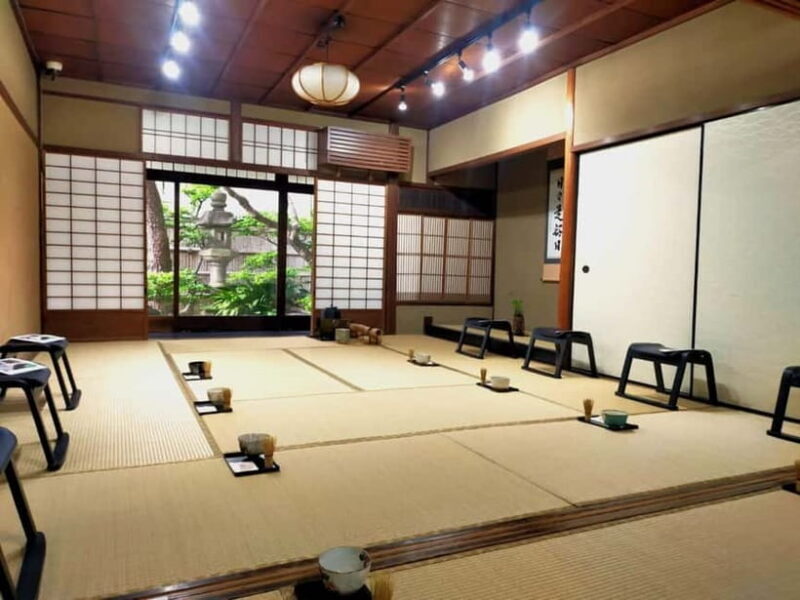
If you add the machiya option, you stay at the same property after the ceremony for a 30-minute townhouse experience: a 20-minute tour followed by 10 minutes for selfies. The walk introduces architectural details, the home’s cultural role, and functions that may not be obvious at first glance.
It is a short add-on, not a long architectural study. Still, it gives you more context for the building you have just used for the ceremony. If you are wearing a kimono, the extra time also allows for photos in the traditional setting. Professional photography and video are not included, and the activity rules prohibit flash photography.
At $31 per person, the tea-only session includes the ceremony, matcha, a traditional sweet, a leaflet, a tea master, and an interpreter. For that price, you are paying for guided instruction and a cultural activity in a historic-style setting, not simply a cup of tea. If you are curious about Japanese customs but want a short, structured introduction, the value is strong.
The kimono experience is a different calculation. Rental and optional styling add time and likely cost, while the two locations require you to handle your own transport. It can make a memorable half-day activity, particularly if wearing a kimono around Kyoto is important to you, but compare the full plan price rather than relying on the base fare.
You can reserve without paying immediately, and cancellation up to 24 hours in advance qualifies for a full refund. Starting times depend on availability. The listed languages are English and Japanese, with an interpreter included, though the clarity of spoken English can vary. If detailed English explanations matter to you, keep that possibility in mind.
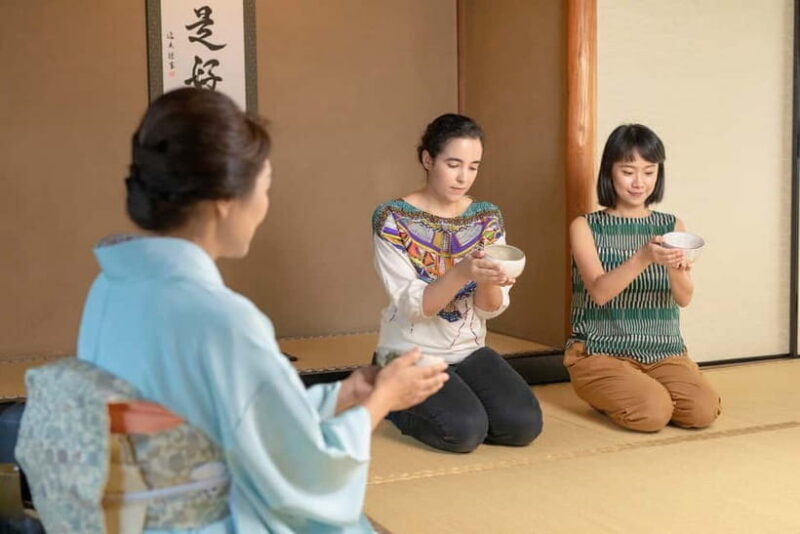
This is a good fit if you want to understand tea ceremony etiquette by trying it, not just watching a demonstration. It also suits anyone looking for a calm cultural activity that is short enough to fit between other Kyoto plans. The repeated praise for the hosts’ patient explanations points to the experience’s main strength: you are guided through the ritual instead of being expected to know what to do.
Choose the kimono plan if dressing up and taking your time around Kyoto are part of your goal. It takes more coordination and the outfit may be less comfortable in heat, but it adds a visual and personal element to the day. The townhouse tour is a sensible extra if you want to know more about the building itself.
It is not suitable for children under 10, pregnant women, wheelchair users, people over 200 cm tall, people with visual impairments, babies under one year, or people over 95 kg. Those limits are worth checking before booking. Pets, food and drinks, indoor smoking, and loud behavior are also not allowed.
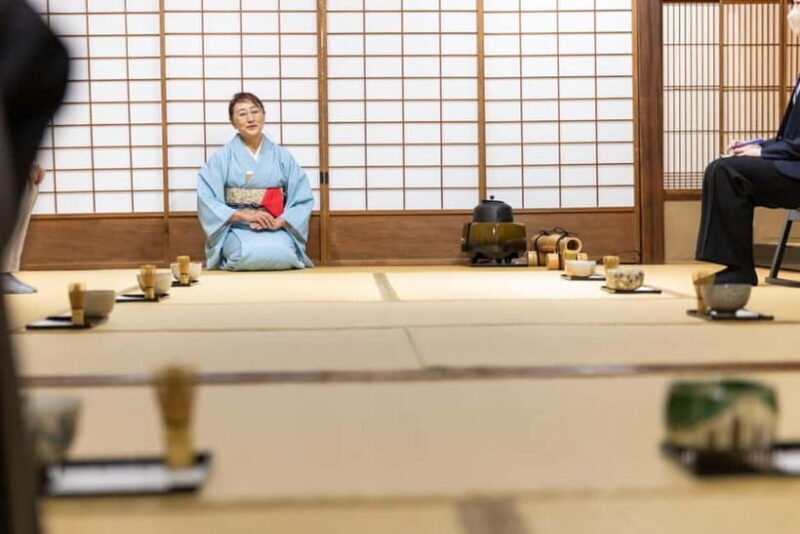
Book this if you want a friendly, hands-on introduction to matcha and Japanese tea customs in a traditional Kyoto setting. The best part is the balance: you watch a skilled tea master, learn the etiquette, then make your own bowl. Add the kimono if you are happy to manage the transfer and return deadline, and want the outfit to be part of your Kyoto day.
If your priority is a private, silent ceremony or an extended study of tea, this group session may not be the right match. For most first-time visitors with an interest in Japanese culture, though, it offers useful context, a chance to participate, and a pleasant pause from sightseeing.
“I would strongly recommend this acticity. The tea master was very knowleadgeable and friendly and we really enjoyed the ceremony.”
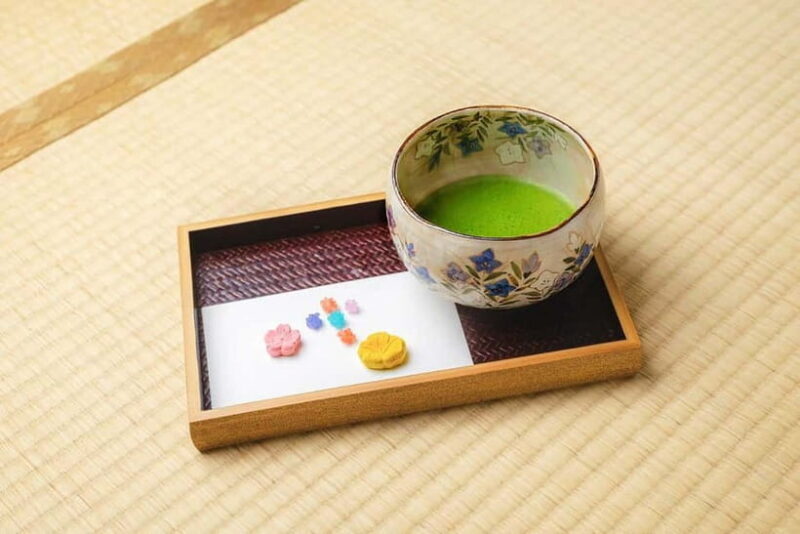
The tea ceremony lasts about 50 minutes. The full activity can take from 50 minutes to three hours, depending on the option you choose.
The listed starting price is $31 per person. Kimono rental and optional additions may change the total price.
No. You can book the tea ceremony without a kimono. Kimono rental is an optional plan.
The ceremony begins two hours after the selected starting time. For example, an 11:00 AM start means a 1:00 PM ceremony.
No. You travel between the Gojo shop and Oike Bettei on your own.
Yes. You may sit on a small chair or on the floor.
Bring socks. Sandals and flip-flops are not allowed.
Professional photos and videos are not included. Flash photography is not allowed.
The experience is suitable for people aged 10 and older. Children under 10 are not suitable for the session.
You can check availability for your dates here: