Physical Address
304 North Cardinal St.
Dorchester Center, MA 02124
Physical Address
304 North Cardinal St.
Dorchester Center, MA 02124

See jellyfish, manta rays, and a splashy dolphin show at Tokyo’s Maxell Aqua Park Shinagawa, with practical ticket, timing, and seating tips.
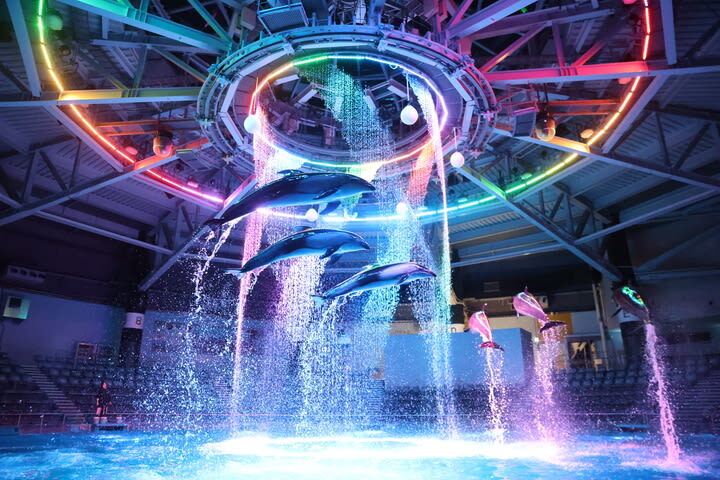
At Maxell Aqua Park Shinagawa, the aquarium’s big draw is the dolphin show, staged with water, music, and changing lights. The show is a lively change of pace from the quieter galleries, and the front rows come with a real chance of getting soaked.
I like two things here: the close-up Wonder Tube, where manta rays and sawfish glide overhead, and the freedom to leave and return on the same day. That second perk makes it easier to fit in a show without rushing through the tanks.
One thing to weigh is the scale. This is a compact city aquarium, not a full-day marine park, and it can feel crowded at peak times. At about $17.70 to start, it’s best value if you plan to see a show and take your time with the exhibits.
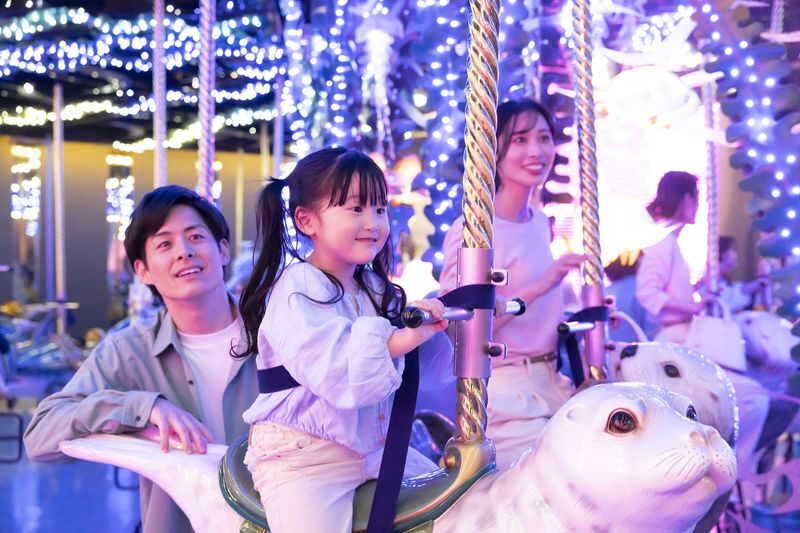
Aqua Park Shinagawa sets out to be more than a row of tanks. Light, sound, and decorative displays shape the route from the entrance onward, so the first impression is theatrical rather than strictly educational. Fish tanks sit alongside artful floral elements, and a marine-themed carousel adds a playful note.
That approach makes the aquarium an easy fit for a short Tokyo visit. You can see a range of exhibits without committing most of a day, and the colorful rooms hold the attention of children who might otherwise hurry past a conventional tank display. The trade-off is that the atmosphere can sometimes compete with the animals for your attention.
The layout has areas on different floors, so allow time to wander instead of treating the entrance as the whole experience. Some visitors initially think the aquarium is small, then find more exhibits beyond the show area. Keep exploring after you arrive, especially around the Stadium.
You might also be interested in these Tokyo experiences
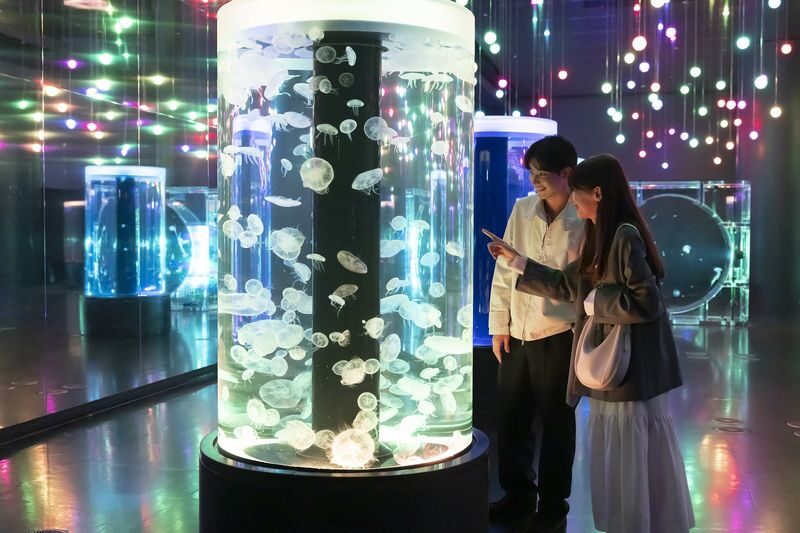
Jellyfish Ramble is one of the most distinctive rooms. The tanks are lit in a rainbow of colors, turning the slow movement of the jellyfish into a gentle light show. It is a good place to pause, take in the shifting colors, and let the pace of the visit settle.
Little Paradise offers a different kind of display, with tropical fish and other sea creatures. The exhibits may change with the seasonal theme, so the exact presentation can vary. If you enjoy spotting small details, give yourself more than a quick walk-through.
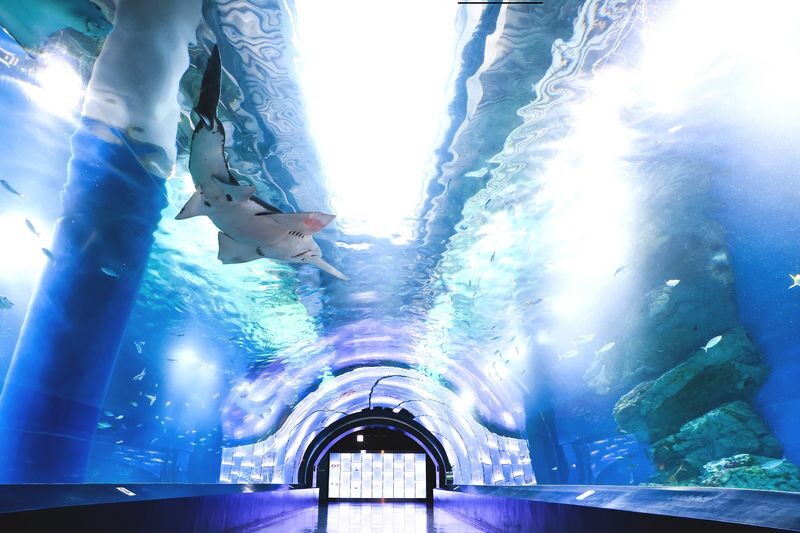
The Wonder Tube is a highlight for many visitors. Here, you look through a tunnel as larger marine animals, including manta rays and sawfish, swim overhead. The scale of these animals makes the tunnel feel like a proper change of scene from the smaller tanks, and it is a strong choice for photos.
Aqua Jungle adds another contrast, with aquatic life and displays based on jungles from around the world. The aquarium’s sequence of themed areas gives the visit variety, though crowds can make it harder to stop for a long look. If the galleries feel congested, consider timing your visit around a show, when some people move toward the Stadium.
The Stadium is the heart of the entertainment side of Aqua Park. Its shows combine water, light, and sound, with productions that change through the day and across seasons. The dolphin performance is the attraction most often singled out, and sea lion and penguin appearances are also reported at the venue.
Try to arrive about ten minutes before the show if you want a good seat. The front four or five rows are the splash zone, but the exact wet area can vary by seat. A poncho is sold on site, and visitors have reported paying about ¥200. If you would rather stay dry, choose a seat farther back.
The show’s mood can change with the time slot. Daytime and nighttime performances may use different lighting, so seeing both can offer a noticeably different atmosphere if you have time and the schedule allows. Check the day’s show times when you arrive, since the schedule and productions can vary.
The show is not long, so it works well as one part of a wider aquarium visit rather than the entire reason to come. Still, it is the most memorable shared experience here: the arena gives the performance room to build, and the water effects make the first rows more than just a good view. If you miss a show, the same-day re-entry policy can help you come back later, provided your ticket or entry mark is still valid.
Aqua Park is compact enough to fit into a few hours, but don’t rush straight from the entrance to the Stadium and out again. The tanks, tunnel, themed areas, and show reward a measured visit, especially if you are with children or want time for photos.
A useful plan is to check show times first, then explore the galleries around the performance you want to see. If you have a flexible schedule, re-entry lets you step out and return rather than waiting inside for the next show. Keep your ticket, wristband, or stamp, since you will need it at the entrance.
Crowds are the main variable. Weekends, school holidays, and peak seasons can make popular viewing areas busy, and crowd control may mean you need to follow the entry time on your voucher. If you want a quieter look at the tanks, the show period can be a good time to visit other exhibits.
The venue has a Coral Cafe bar for snacks, but meals and drinks are not included with admission. The listing also excludes transport, accommodation, and personal expenses. Treat the ticket as entry to the aquarium, not a bundled day package.
The address is 4-10-30 Takanawa, Minato-ku, Tokyo. From Shinagawa Station, use the Takanawa exit; the aquarium is about a two-minute walk away, with access from the Shinkansen, JR, and Keikyu lines. Its location makes it an easy stop between other Tokyo plans, without a long journey across the city.
The ticket is a mobile e-ticket. Open your Klook account, go to My Bookings, and display the voucher on your phone for staff to validate. Your phone needs an internet connection to open the voucher, so check that before you reach the entrance. Do not try to operate the ticket yourself, since staff must validate it.
This is a fixed-date ticket with flexible entry time. The stated time is your entry time, but the ticket information also says you may enter any time before the last admission on your selected date. During busy periods, follow the entry time shown on your voucher, and check the venue’s current hours before setting out because hours vary by season.
Children aged 0 to 3 enter free. Book the right ticket for each visitor’s age, and check that your chosen date is not a closure or reserved-event day. Operating hours and access rules can change, so confirm current details before your visit.
At a starting price of about $17.70, the value depends on how you use the visit. If you see the dolphin show, explore the galleries, and take time at the Wonder Tube and jellyfish tanks, the ticket offers a satisfying few hours. If you only want a brief look at fish displays, the admission may feel high for the venue’s compact size.
The strongest value comes from the combination of exhibits and performance. You get the quiet, close-up experience of watching marine life in the tanks, then a much louder and more theatrical show in the Stadium. The same-day re-entry option adds practical value if you want to split your visit or return for a later performance.
Parking is not included in the admission described here. Some parking arrangements may involve separate validation, so don’t count on a parking discount unless you have confirmed it directly with the venue. If you are arriving by train, the short walk from Shinagawa Station makes that the simpler plan.
Families with children have a lot to work with: colorful tanks, the marine-themed carousel, and a live show that breaks up the walk through the aquarium. The venue is compact enough that little legs need not carry you through a sprawling attraction, although busy periods can make it harder to linger at individual displays.
Couples and adults who enjoy atmospheric exhibits may prefer the jellyfish room, the illuminated tanks, and the evening show’s lighting. The aquarium is also a practical rainy-day or evening activity, since the main experience is indoors and close to a major station.
You may want to choose another activity if you expect a large, naturalistic aquarium with long trails and hours of quiet viewing. Aqua Park leans toward spectacle, and crowd levels can limit how long you spend at a tank. If live animal shows are not for you, the galleries remain worth seeing, but the Stadium performance is central to the visit’s appeal.
I’d book Aqua Park Shinagawa if you want an easy-to-reach Tokyo attraction with a strong live show, beautiful lighting, and enough marine life to fill a few enjoyable hours. Plan around the performance, arrive early for a preferred seat, and bring a raincoat if you want the front-row splash.
Consider skipping it if you want a full-day aquarium or prefer a quieter, less theatrical visit. For families, first-time visitors to Tokyo, and anyone with a gap near Shinagawa Station, the ticket is a convenient way to pair a lively show with a compact aquarium visit.
“Great dolphins show besides the aquarium of fishes, jellyfishes, sawfishes, penguins and more.”
The aquarium is at 4-10-30 Takanawa, Minato-ku, Tokyo. It is about a two-minute walk from Shinagawa Station’s Takanawa exit, served by Shinkansen, JR, and Keikyu lines.
The ticket includes admission to Aqua Park Shinagawa. Transport, accommodation, meals, beverages, personal expenses, and queue tickets are not included.
The ticket is for a selected date with flexible entry time. The ticket information says you may enter before the last admission on that date, but crowd control may require you to follow the entry time shown on your voucher.
Yes. Same-day re-entry is permitted. Keep your ticket, wristband, or stamp and show it at the entrance when you return.
Children aged 0 to 3 can enter free. Book tickets according to the age of each visitor.
Yes. Open the voucher in the Klook app or website under My Bookings and show it to staff on your phone. You need internet access to open it, and staff must validate the ticket.
Admission is to the aquarium, which includes its Stadium shows. Show content and timing change through the day and by season, so check the schedule when you arrive.
You might, especially in the first four or five rows. Bring a raincoat or buy a poncho on site if you plan to sit near the front.
No. Hours vary by season and may change without notice. Check the official website for current operating hours and closure dates before you go.