Physical Address
304 North Cardinal St.
Dorchester Center, MA 02124
Physical Address
304 North Cardinal St.
Dorchester Center, MA 02124

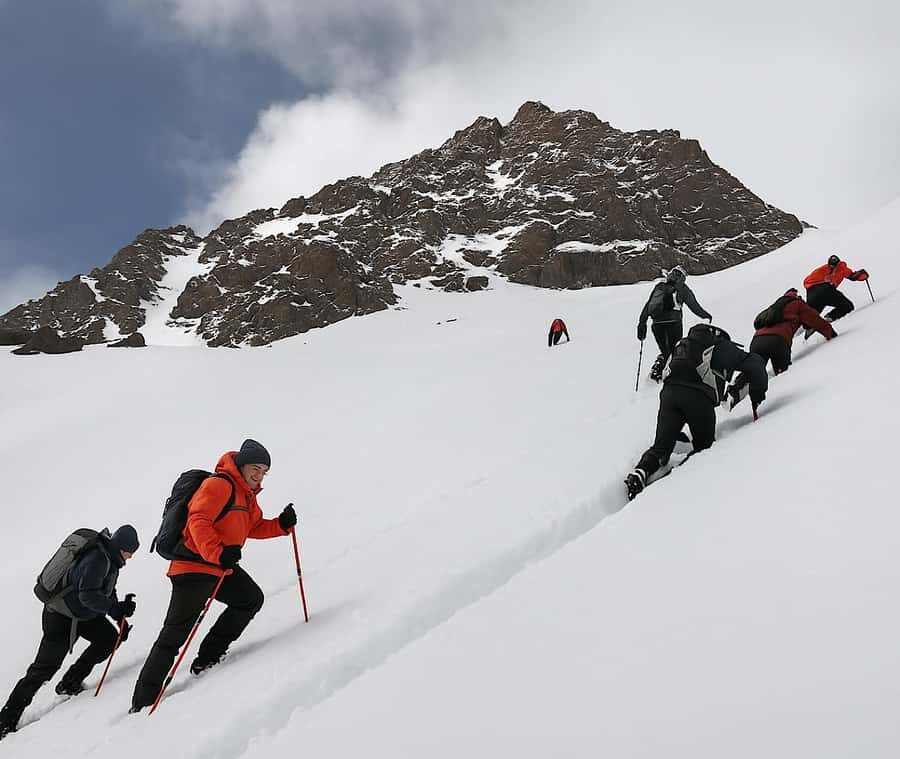
Climb North Africa’s highest peak on a guided two-day trek from Marrakech, with a refuge overnight, Atlas views, meals, transport, and winter gear advice.
At 4,167 meters, Mount Toubkal offers a serious mountain day without requiring technical climbing. This two-day trip gets you from Marrakech to the High Atlas, up to a mountain refuge, and back again, with a dawn summit attempt if conditions allow.
I like the clear sense of progression: you walk through the Aït Mizane Valley and past Sidi Chamharouch before spending the night high on the mountain. I also like that local guides and Berber hospitality are part of the experience, not just the transport and the push uphill.
The main drawback is the compressed schedule. Day two can mean 10 to 12 hours of walking, and altitude, cold, snow, or poor weather can make it harder or prevent a summit attempt altogether.
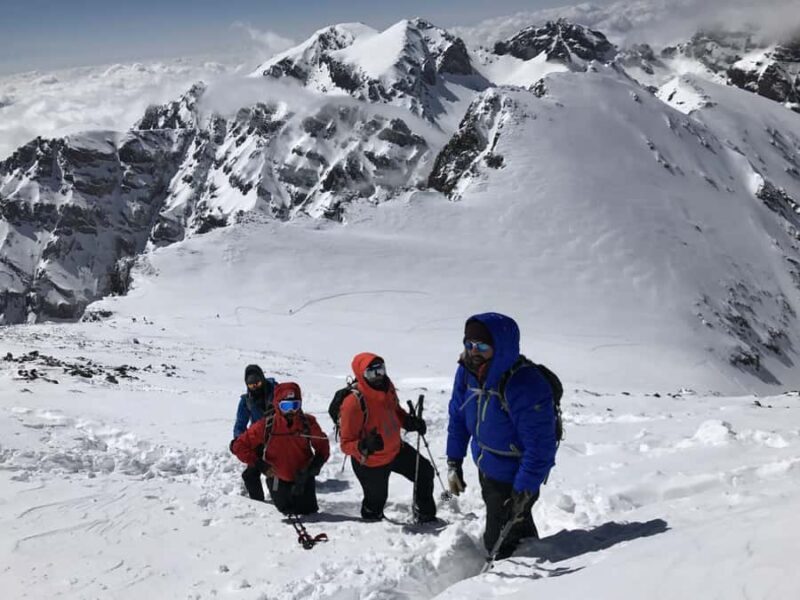
The day begins with pickup at your Marrakech hotel or riad, followed by a drive to Imlil Valley. The transfer is useful value in a short trip: you avoid arranging separate transport to the trailhead, and you can leave the city behind in time to start walking the same day.
Pickup details are confirmed directly with you, so check the meeting point before setting out. Transport has generally been described as well organized, but some groups have had delays or confusion over pickup and return drop-off. Keep your phone charged, and confirm where the driver will leave you in Marrakech rather than assuming it will be right at your door.
At Imlil, you meet the local mountain team and begin walking. The elevation here is about 1,740 meters, already a notable change from Marrakech, and you climb steadily from the valley toward the refuge at 3,207 meters. Bring your passport, as there is a checkpoint on the route.
You can check availability for your dates here: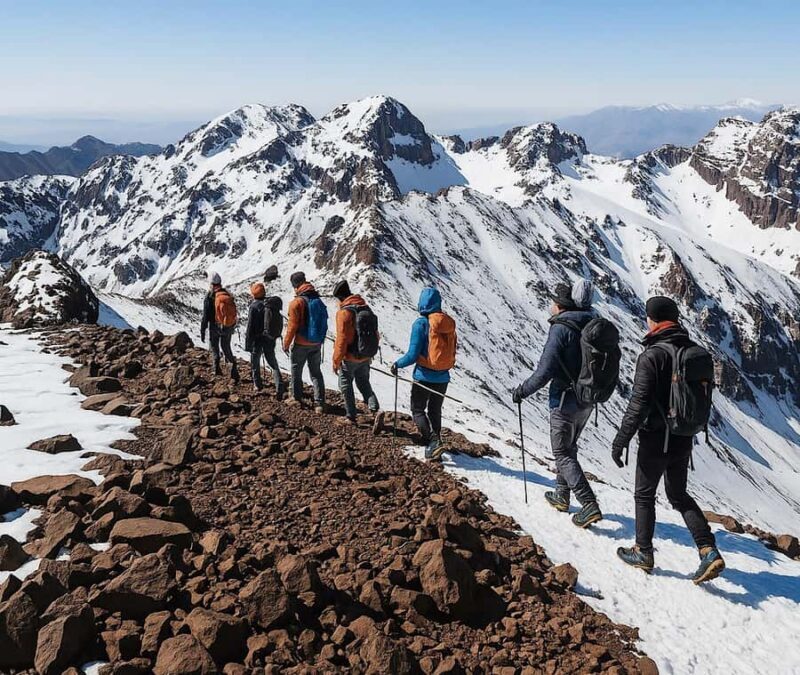
The first stretch follows the Aït Mizane Valley toward Aremd, then continues to Sidi Chamharouch and a nearby waterfall. The route gives you a gradual introduction to the mountain: village paths and valley scenery first, then a more demanding climb as you gain height.
Sidi Chamharouch is a shrine along the way and a natural pause in the day’s walk. It is also a useful reminder that this is a lived-in mountain region, not simply a route to a summit. Your guide can offer context about local life and Berber culture; guides including Omar have shared language and cultural details with their groups.
The walk from Imlil to the refuge takes around five to six hours, with stops. Do not treat the day as a warm-up stroll. It is a sustained uphill effort, and the altitude gain is significant even before summit day begins. Set a steady pace from the start, drink regularly, and keep a few snacks handy rather than waiting until you feel depleted.
There are places along the way where you may be able to buy water or snacks, but do not rely on shops for everything you need. Carry cash for purchases and unexpected costs. Soft drinks are not included, and extra food may be especially welcome if you have a big appetite.
The final approach to the refuge follows steep paths and can feel like a long finish after hours on your feet. This is where the tour’s overnight stop earns its keep: instead of trying to reach the summit and return to Imlil in one day, you sleep high on the mountain and start the summit walk early.
Accommodation is basic mountain-refuge lodging. Rooms are shared, and the sleeping arrangements may be crowded; some people sleep poorly. A sleeping bag is not included, so bring one or arrange a rental in Imlil. A towel is also on the suggested packing list.
Meals and tea or coffee are included as set out in the trip plan. The food on the trail is often described as a strong point, with fresh meals and vegetarian options available. At the refuge, supplies and meal portions can be less predictable, especially in heavy snow when mules cannot reach it. Bring high-calorie snacks, particularly if you eat a lot or want food close at hand after the summit walk.
The refuge is not a hotel, and it helps to arrive with realistic expectations. You are there to rest and prepare, not to enjoy a quiet night in a private room. Pack a head torch for early starts and shared spaces, and keep warm layers accessible rather than buried deep in your bag.
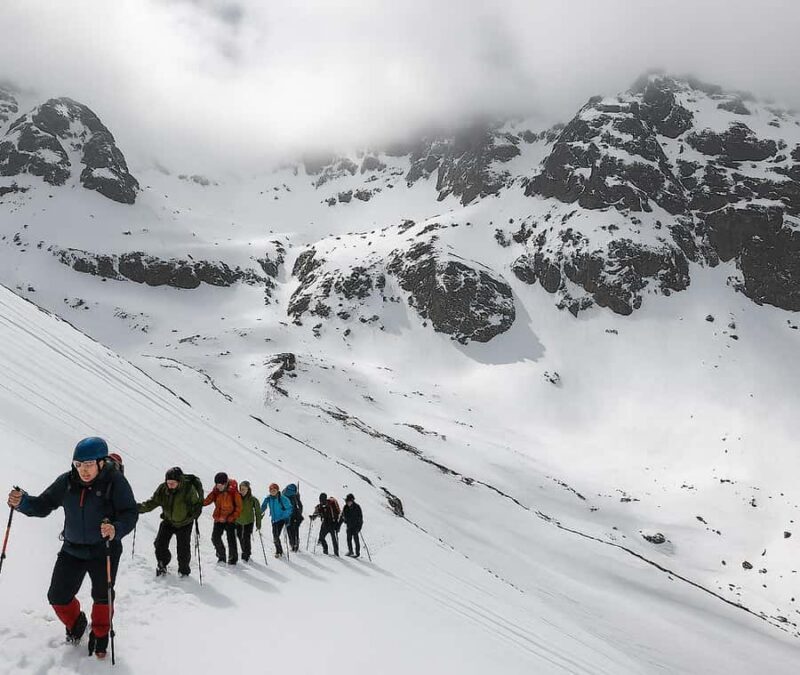
The summit day starts early. You climb from the refuge at 3,207 meters to the summit at 4,167 meters, then descend back to the refuge and continue down to Imlil. The full day’s walking is estimated at 10 to 12 hours, so this is the demanding heart of the trip.
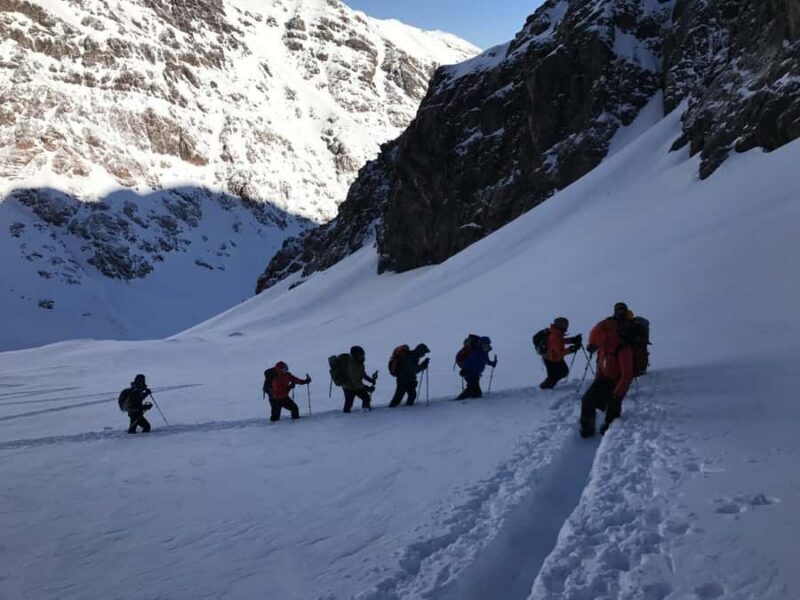
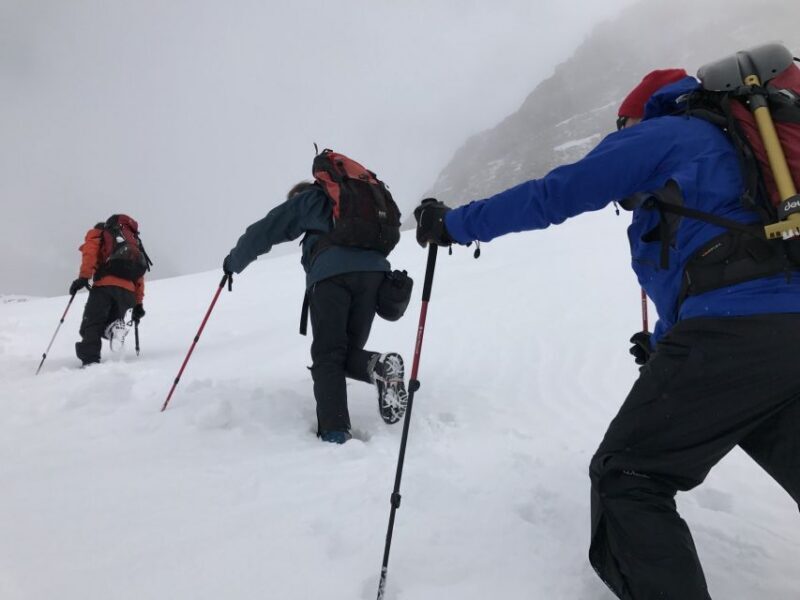
The route crosses streams and rocky ground, with some easy scrambling and, depending on conditions, snow slopes. The trek is described as non-technical, but that does not mean easy. In winter, crampons and an ice axe may be needed for security. You can rent those, along with other equipment, in Imlil, but sort out what you need before leaving the village.
A summit sunrise is a major draw, and the early start is planned to give you a chance of reaching the top around dawn. The view can take in the High Atlas and the plain of Marrakech to the north, with the Anti-Atlas and Sahara to the south. On a clear morning, the range of country beneath you makes the effort feel worthwhile.
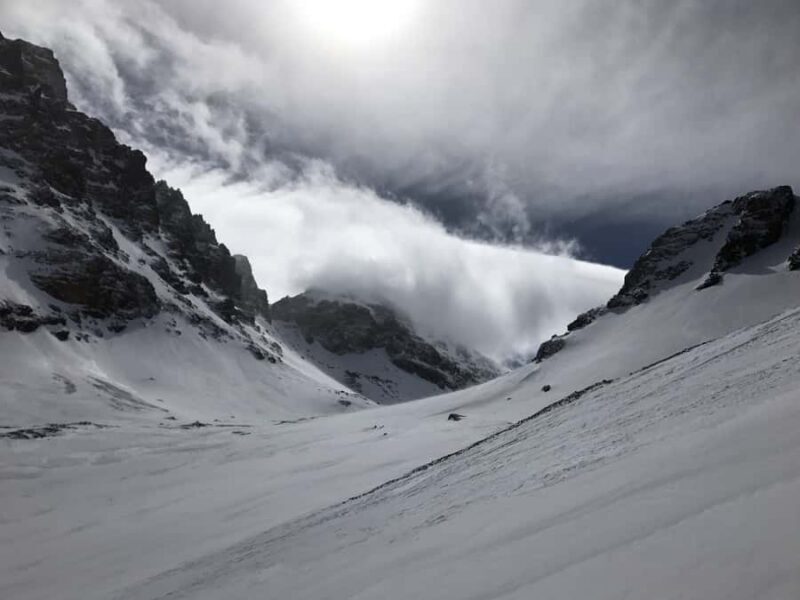
But the summit is never guaranteed. Winter storms, deep snow, strong winds, or other unsafe conditions can lead guides to turn the group around or choose a different route or peak. That is the right call. Treat the summit as a goal, not a promise, and judge the trip by the mountain experience as well as the highest point reached.
Altitude can also be a factor. The quick rise from Marrakech to the refuge and then toward the summit gives your body little time to adjust. A slow, steady pace matters, and you should tell your guide promptly if you feel unwell. Guides such as Mohamed, Omar, Mustafa, and Yassine have been singled out for keeping a close eye on people and helping those who needed to slow down or turn back; the assigned team may differ on your departure.
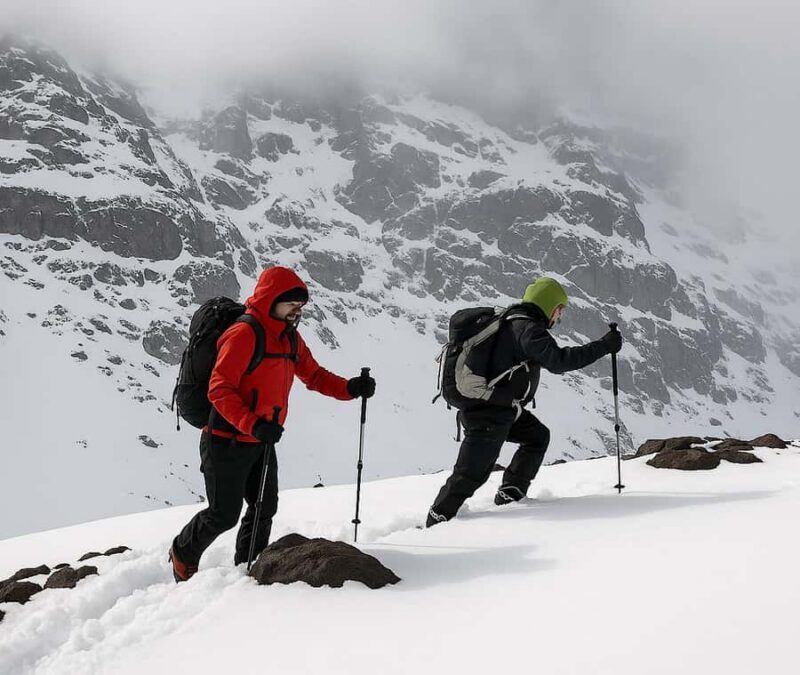
After the summit, you return to the refuge and continue downhill to Imlil, where transport takes you back to Marrakech. The descent is not an easy victory lap. Long downhill hours on rough ground can tire your legs and feet, and several people find the way down harder than they expected.
This is why sturdy, comfortable hiking shoes matter. Bring rain gear and warm clothes, even if Marrakech feels mild when you leave. At the summit, cold and wind can be severe, especially in winter. A hat, gloves, sunglasses, and a head torch are sensible essentials; pack layers that you can add or remove as conditions change.
Plan for a tired evening after you return. The trip fits a major peak into two days, but that efficiency comes with a long second day and little recovery time. If you can, leave space in your schedule afterward rather than planning a demanding activity the next morning.
More Great Tours Nearby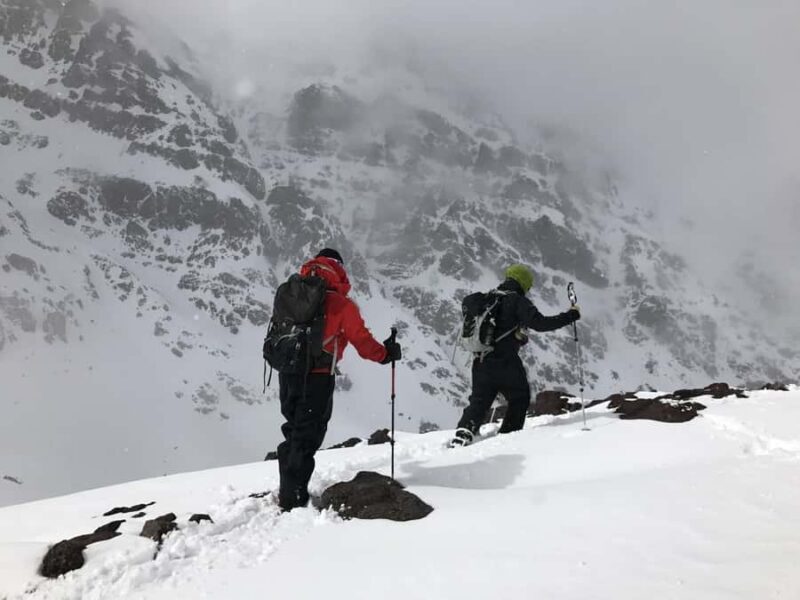
At $147 per person, the price includes return transport from Marrakech, pickup and drop-off, accommodation, meals as specified, tea and coffee, and a local guide. For a two-day mountain trip, bundling these pieces can be good value, particularly if organizing transport, a refuge bed, food, and guiding separately would cost more or take time.
The price does not cover sleeping bags, warm clothes, crampons or ice axes, soft drinks, porters, or a mule. A mule is listed at 20 euros. Gear can be rented in Imlil, but the cost of rentals and any extra food or drinks will raise your total. Carry cash, and allow for those extras rather than assuming the advertised price covers every need.
Porters are not included, so you should be prepared to carry your own belongings unless you arrange additional help. If you do use a mule, keep track of the bags you hand over and confirm what is being carried. One person had a bag fail to arrive with the mule on the descent, so do not put anything essential or irreplaceable in a bag you cannot monitor.
The group is limited to 14 participants, and the tour is offered with guides speaking English, French, Arabic, Italian, Dutch, Turkish, or Chinese. The small-group cap is useful for a demanding route, though a group can still include people moving at different speeds. A guide may need to adjust the pace or support someone who is struggling.
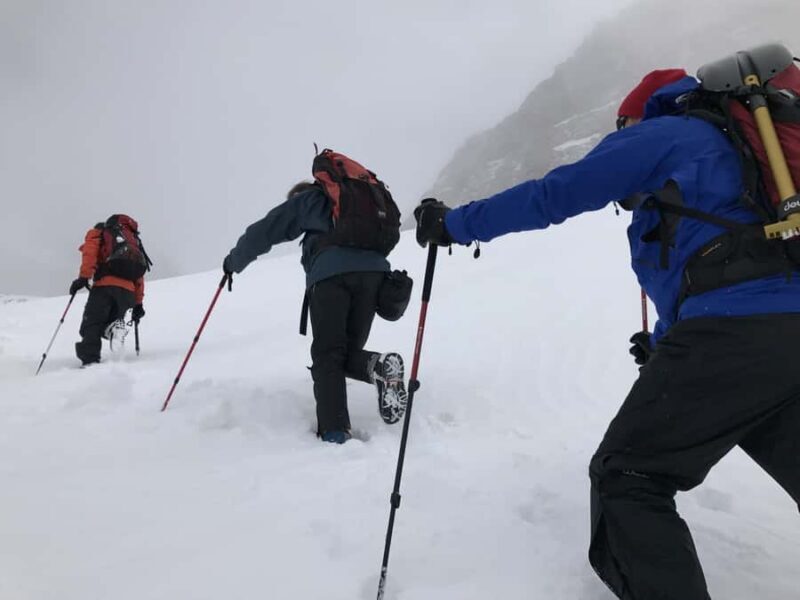
This trip suits keen walkers with good general fitness, a willingness to spend long hours on their feet, and an appetite for a challenge. You do not need technical climbing skills, but you should be comfortable with steep uphill walking, rocky footing, some scrambling, and the possibility of snow.
It is not suitable for pregnant women or people with mobility impairments. If you are new to high-altitude walking, take the warnings seriously. The summit is not the place to discover that your boots do not fit, your gloves are too thin, or you have no energy left for the descent.
The trek can work for a first 4,000-meter peak if you prepare and follow your guide’s pace. One guide’s slow, steady approach helped a first-time high-altitude walker reach the top, while winter conditions have also kept fit, determined groups from summiting. Fitness helps, but weather and altitude remain beyond your control.
Use the supplied packing list as a starting point: comfortable shoes, hiking shoes, a towel, rain gear, and a sleeping bag. For the summit start, add a head torch, warm layers, gloves, a hat, sunglasses, and snacks. In winter, check whether you need crampons and an ice axe, and arrange rentals in Imlil if you do not own them.
Keep water and extra food in mind throughout the walk. Meals are included, but long days and cold conditions can make you hungry between stops. Bring cash for snacks, drinks, rentals, and any other costs not covered by the tour.
Alcohol and drugs are not allowed. More important for your comfort, do not underpack for cold weather just because Marrakech is warm. The refuge and summit sit far higher, and conditions can change sharply as you climb.
Book this if you want a guided, efficient route to a major North African summit and are ready for a hard second day, basic refuge lodging, and changing mountain conditions. The combination of a local guide, included meals, transport, and an overnight stop makes $147 a compelling starting price, provided you budget for equipment and snacks.
Skip it if you need a relaxed walking holiday, private accommodation, or a guaranteed summit. Go prepared, listen to your guide, and take the safety decision seriously if weather closes the route. Even without the summit, the climb through the Atlas, the refuge night, and the long mountain descent make this a substantial two-day experience.
“Definitely a highlight of my trip to Marrakech. The food was good, and the hiking was well organized. Shoutout to Mohamed Boudchichi for being an a…”
The experience lasts two days and includes one night at a mountain refuge. The first day involves about five to six hours of walking, while the second day can take 10 to 12 hours.
The summit is 4,167 meters above sea level. It is the highest peak in North Africa.
No. It is described as a challenging, non-technical trek, though the route includes steep walking, some easy scrambling, and potentially snow slopes.
Yes. Adverse weather and unsafe conditions can stop the group from reaching the summit. In winter, deep snow or storms may change the plan.
The price includes accommodation, meals as specified, tea and coffee, a local and professional guide, hotel pickup and drop-off, and return transport from Marrakech.
No. Sleeping bags are not included, but they can be rented in Imlil. A sleeping bag is also on the recommended packing list.
Yes. Crampons and ice axes can be rented in Imlil. They may be needed for security on snow from November to April.
The group is limited to 14 participants.
Guide languages listed for the activity are English, French, Arabic, Italian, Dutch, Turkish, and Chinese.
It is not suitable for pregnant women or people with mobility impairments. The route is demanding and intended for keen walkers in good physical condition.
You can check availability for your dates here: