Physical Address
304 North Cardinal St.
Dorchester Center, MA 02124
Physical Address
304 North Cardinal St.
Dorchester Center, MA 02124

Repair a ceramic plate with gold in Asakusa, learn the story behind kintsugi, and take home a one-of-a-kind souvenir from Tokyo.
Kintsugi turns a break into part of a ceramic piece’s design: you join the fragments, then trace the repaired lines with gold. At ZEN Japanese Craft Workshop in Asakusa, an instructor guides you through the process and its idea of treating an object’s history as part of its beauty.
I like that you make something with your own hands and leave with it, and that the workshop offers a thoughtful change of pace from sightseeing in Asakusa. Instructors such as Lika, Koko, Hana, Noemi, and Azusa are often praised for clear, patient help, though the instructor working your session will vary.
The main consideration is the price of the dishware you choose: one plate is included, but premium options cost extra, and the basic piece may be small. The workshop is a short introduction, not a full course in ceramic restoration, so book it for the experience and the keepsake rather than expecting mastery in one sitting.
Asakusa draws people for its temples, shopping streets, and old-town feel. This workshop offers a different way to spend part of your visit: indoors, seated at a worktable, concentrating on a small object instead of navigating the crowds outside.
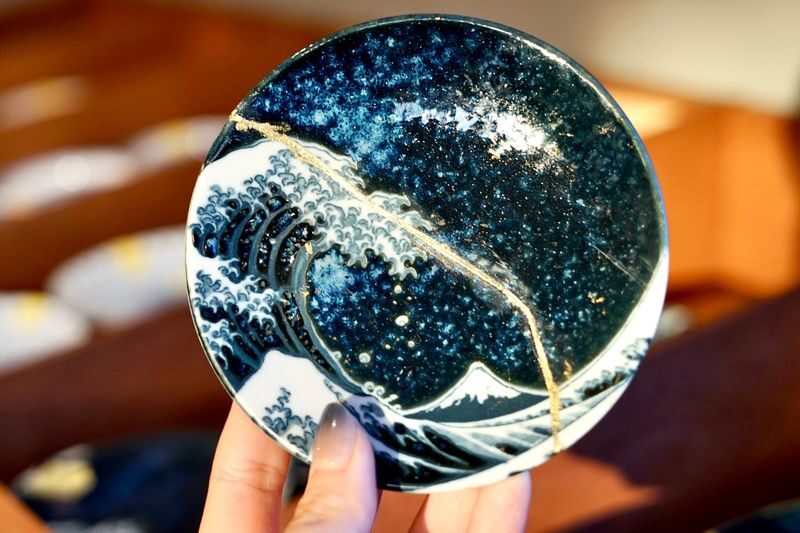
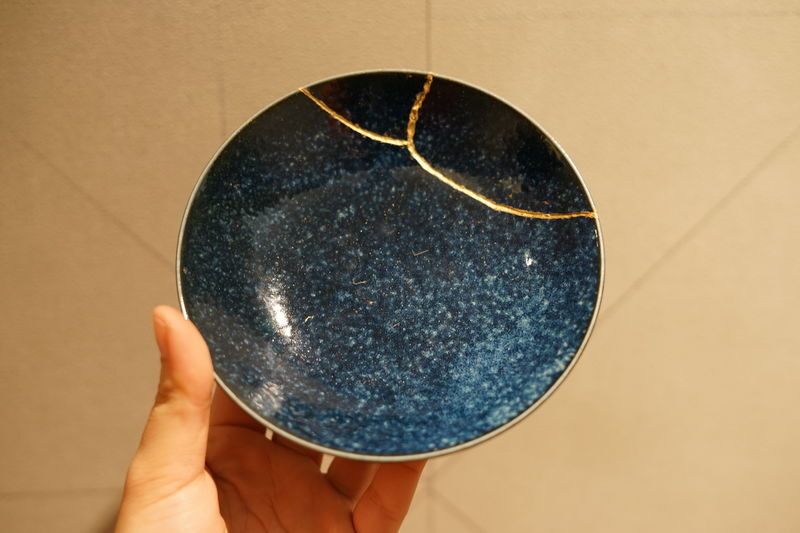
Kintsugi is the Japanese art of repairing broken ceramics with lacquer and gold powder. The visible seams are not disguised; they become part of the piece. That idea gives the activity a little more weight than a standard souvenir-making session. You leave with a plate you worked on yourself, and a story about why its repaired lines matter.
The class is best understood as a hands-on introduction. You’ll learn about the technique and carry out its key steps with an instructor’s help. A short session can’t cover every stage of traditional restoration in depth, but it does give you a feel for the care and patience the work calls for.
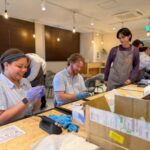
The workshop has a 4.9 out of 5 rating from 584 ratings, and the most consistent praise centers on the instructors. Lika, Koko, Hana, Noemi, Azusa, and Ann are among the names mentioned for patient guidance, clear instruction, and a warm manner. Staff can change, of course, but the teaching style seems to be a strong part of the experience.
You might also be interested in these Tokyo experiences
The meeting point is ZEN Japanese Craft Workshop, on the 10th floor of the Asakusa Tosei Building at 1-chome-27-2 Asakusa, Taito City. Look for the building address, then head up to the 10th floor as instructed. It is a compact city workshop rather than a street-level shopfront, so having the address ready on your phone is useful.
For rail access, the Tsukuba Express station is listed as a two-minute walk away. Asakusa Station on the Ginza Line is about six minutes on foot. These are different station locations, so check which line you are using before setting off. The activity is a meet-up, not a tour with transport from another part of Tokyo.
Choose a start time when you book: 09:00, 11:00, 13:00, 15:00, or 17:00. Arrive on time. If you are more than 15 minutes late, you may be asked to reschedule because the studio has later bookings. The activity is cashless, and accepted cards include Visa, Mastercard, American Express, JCB, Diners Club, and Discover.
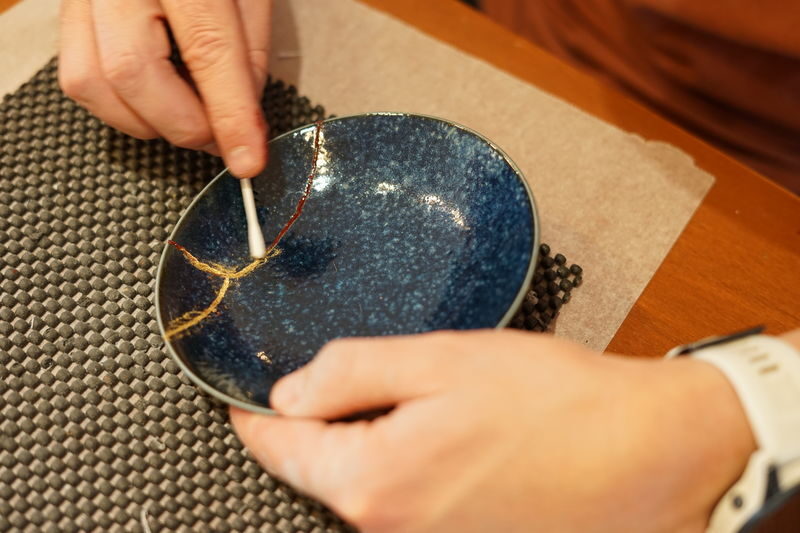
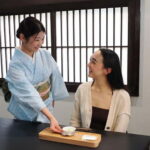
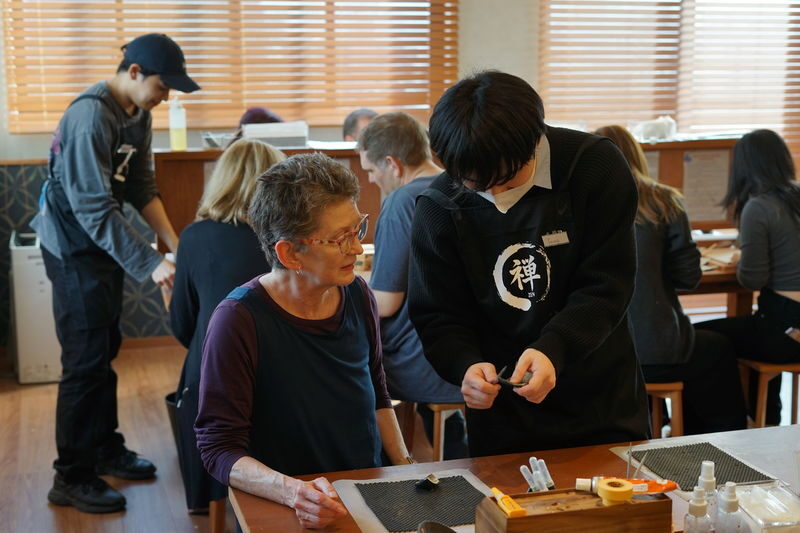
The workshop starts with an introduction to kintsugi and the idea of making a repair visible rather than hiding it. Instructors explain the process step by step, with practical help as you work. Several instructors are praised for taking time to explain the technique and its background in plain language, which is helpful if you have never worked with ceramics.
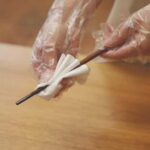
You’ll choose or receive the ceramic piece included with your booking, then work on joining its fragments. The stated materials include urushi lacquer and gold powder, and the activity description says you apply lacquer, set the pieces, and add a gold finish. You do not need to bring tools or supplies.
The work calls for a steady hand more than artistic training. If your lines need attention, you can ask for help; participants have described instructors such as Hana and Lika as patient, and some say they were able to spend extra time refining the result. The exact amount of time available can depend on the session and the next booking, so don’t count on extending your appointment.
The final step is adding the gold finish along the repaired lines. This is where the break becomes the focal point rather than a flaw to conceal. You can make choices about the look of your piece, though the workshop is guided and time-limited. Think of it as a small creative project, not a chance to restore a treasured heirloom.
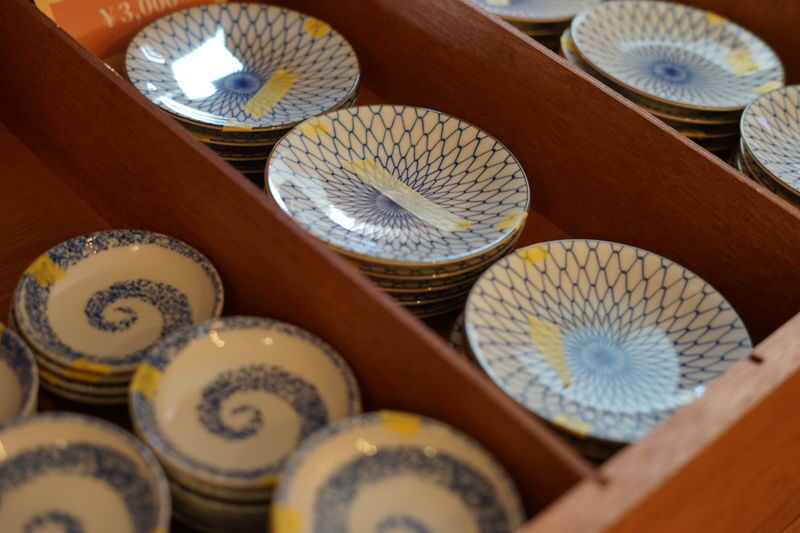
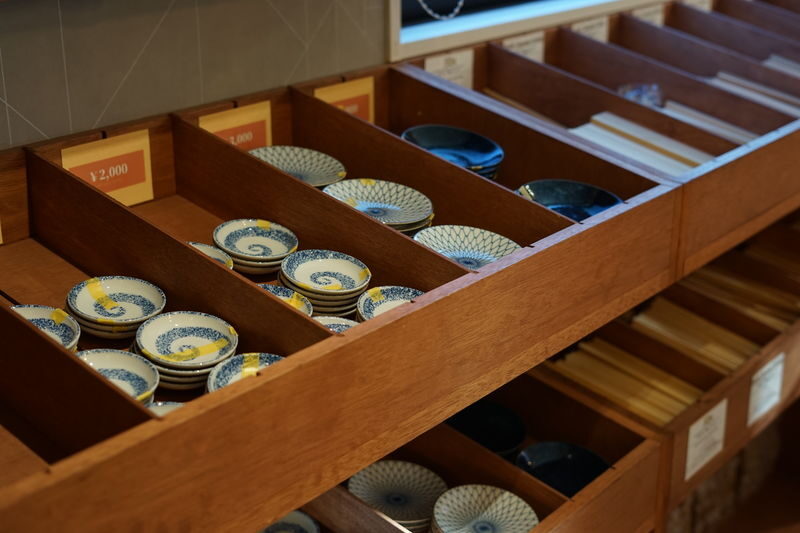
One plate is included in the price, along with the tools and materials needed for the activity. The basic dishware may be small, and some of the more decorative plates or bowls require an extra payment. This is the main cost detail to keep in mind when comparing the entry price with the experience you want.
The advertised starting price is $22.29. At that level, the value is strong if you’re looking for a short cultural activity with instruction, materials, and a handmade souvenir included. If you want a larger or more striking piece, the total will rise with an upgrade. Ask about the options and prices before you commit to a premium dish.
There’s no need to bring a broken item from home: the package includes a plate. That makes the workshop straightforward for a visitor with limited luggage or no experience choosing ceramics. If you’re hoping to work on a personal object, check with the provider before booking; the included arrangement is built around the workshop’s own piece.
The result is a keepsake, but the session’s short format is worth remembering. You’ll get to try the technique and create a finished-looking piece to take away. If your main goal is a deep technical course in traditional restoration, this one-hour-style experience is unlikely to offer that level of study.
The activity is described as one hour in its summary, while the schedule gives a 90-minute window from the selected departure time to the listed return time. For example, a 09:00 start is paired with a 10:30 return. The actual hands-on portion may be shorter: some participants describe the workshop as taking under an hour, while others have spent longer refining their work.
For planning, reserve the full 90-minute block and avoid booking a tight connection or timed attraction immediately afterward. That gives you breathing room for the introduction, the making process, and any final adjustments. The schedule can change with conditions, and the return time depends on the start time you choose.
The session is short enough to fit into an Asakusa day without taking over the itinerary. You can pair it with nearby sightseeing before or after, but don’t plan on rushing from the studio to a reservation across town. A calm activity is more enjoyable when you have time to finish the details.
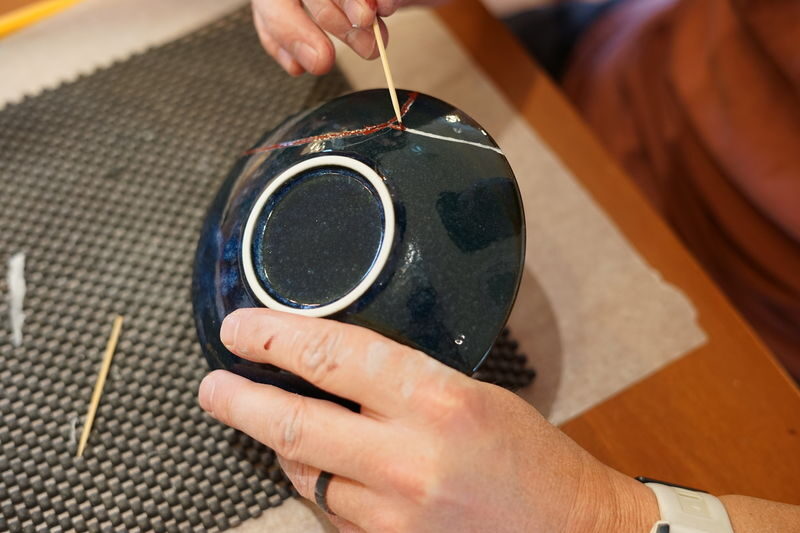
This is a good fit if you like practical cultural activities more than demonstrations where you only watch. You’ll handle the materials, make choices about the repaired lines, and leave with something made during your trip. It also works well if you want a quieter hour between busier sightseeing stops.
Families can consider it too. The activity has no age limit, and a family with children aged four, seven, and eight enjoyed the workshop with patient instructor support. That doesn’t guarantee every child will want to sit and work carefully, but it suggests the activity can suit young makers when an adult is ready to help.
Solo visitors and couples can enjoy the focused pace, while friends or families may find it an easy shared activity. The setting is not presented as a large-group tour; you meet at the studio for a guided workshop. If you prefer an in-depth craft course or need a long, unhurried session, look for a longer class.
A practical note for all ages: the studio is cashless, and the voucher is valid only for the date and time selected. You can book as soon as tomorrow, with instant confirmation usually arriving within minutes. Cancellation is free with at least 24 hours’ notice, using the destination’s local time.
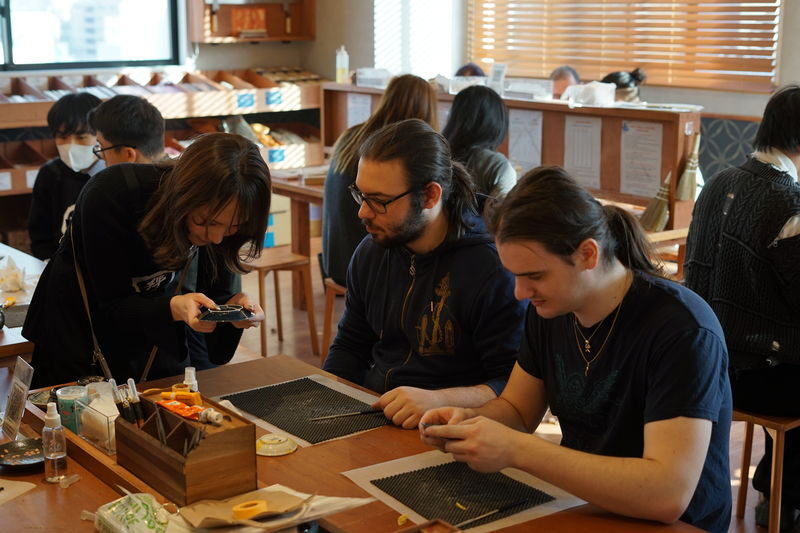
For $22.29 and up, this is good value if you want an approachable introduction to kintsugi, friendly instruction, and a souvenir that carries a personal story. The included plate and materials keep the basic booking simple, and the central Asakusa location makes it easy to add to a day in the district.
I’d book it if you’re curious about Japanese craft, enjoy making things, or want a family activity that produces more than a photo. I’d pause if you’re expecting a full-length course, need a large piece included at the starting price, or have only a narrow gap between other plans. Check the dishware upgrade cost, arrive on time, and let the gold lines be imperfect. That is rather the point.
“such a great experience and relaxing amongst all the chaos and crowds at Asakusa. Lana and Lika were awesome and friendly. we enjoyed our time so m…”
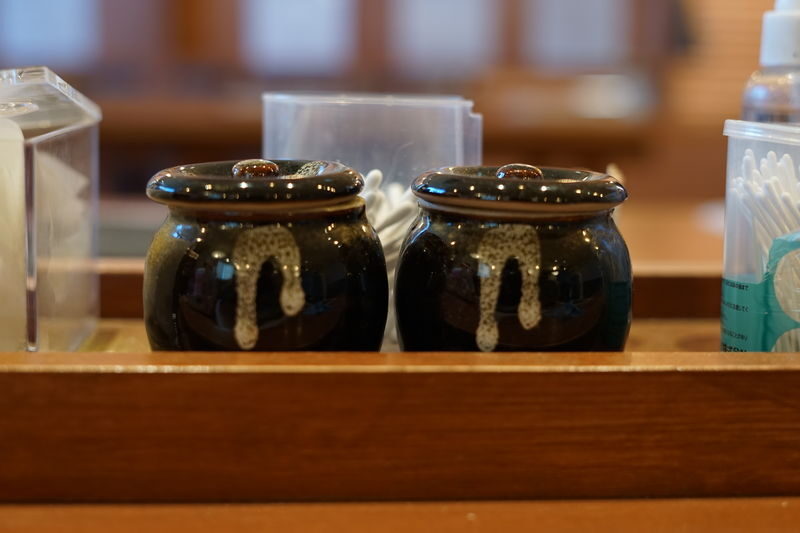
The activity is described as one hour, while the schedule pairs each start time with a return time 90 minutes later. Allow the full 90-minute window when planning your day.
Available start times are 09:00, 11:00, 13:00, 15:00, and 17:00. Choose your time when booking and attend that selected session.
Meet at ZEN Japanese Craft Workshop on the 10th floor of Asakusa Tosei Building, 1-chome-27-2 Asakusa, Taito City, Tokyo.
The building is a two-minute walk from Asakusa Station on the Tsukuba Express Line, or a six-minute walk from Asakusa Station on the Ginza Line.
Yes. One plate is included, along with the tools and materials for the workshop. Premium plate upgrades are available for an additional charge.
Yes. English-speaking staff are included, and the workshop is guided.
No. The tools and materials needed for the Kintsugi experience are included.
No age limit is specified for this activity.
No. The workshop is cashless. Accepted cards include Visa, Mastercard, American Express, JCB, Diners Club, and Discover.
You may be asked to reschedule, since arriving late can affect later reservations. Contact the provider if you think you may be delayed.