Physical Address
304 North Cardinal St.
Dorchester Center, MA 02124
Physical Address
304 North Cardinal St.
Dorchester Center, MA 02124

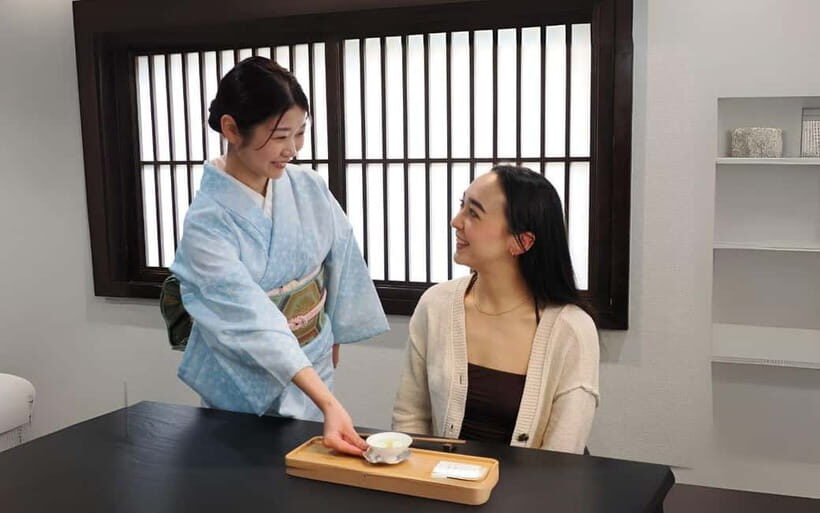
Taste four Japanese teas, make matcha with a tea master, and enjoy seasonal wagashi in a relaxed one-hour Tokyo tea ceremony.
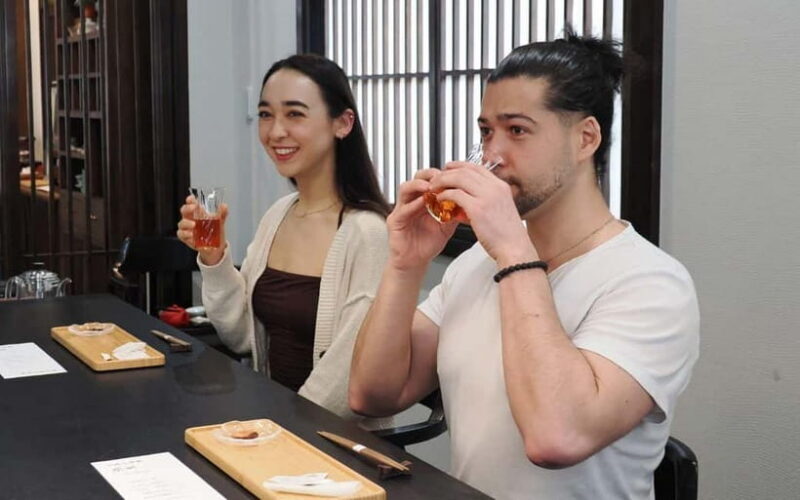
Japanese tea takes center stage at Ocharu, where you taste four distinct styles and whisk your own matcha with a tea master’s help. I like the clear contrast between the teas, from fruity Shizuoka wakocha to roasted-rice genmaicha, and the hands-on matcha lesson, which gives you more than a demonstration to watch.
The session lasts about an hour and costs $38 per person. One consideration: this is a friendly, accessible introduction to tea, not a long or highly formal ceremony. The room is not wheelchair accessible, and finding the green OCHARU sign can take a little attention because it sits high on the building.
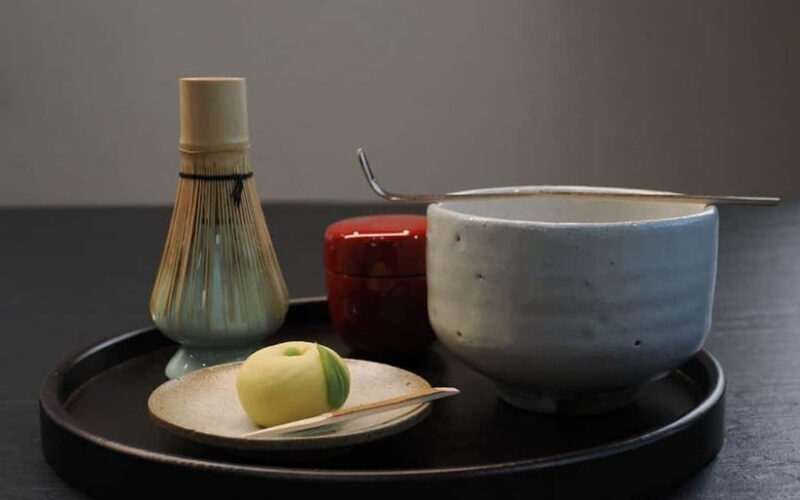
Ocharu’s session works well because it gives you a short tour through several branches of Japanese tea, rather than treating matcha as the whole story. You begin with wakocha, a Japanese black tea from Shizuoka, then move to Gyokuro sencha, prepare matcha yourself, and finish with genmaicha from Niigata Prefecture.
That order helps you notice contrasts. Wakocha is described as having fruity and floral notes, while genmaicha blends green tea with roasted rice for a more toasty, comforting finish. In between, the tea master introduces Gyokuro, presented here as a top-grade green tea, and matcha, the powdered tea you whisk into a froth.
The session is not just a sequence of cups. Your instructor explains the teas, their preparation, and the customs that shape how they are served. Several instructors have been praised for making the information easy to follow and for welcoming questions. Tea masters have included Ekiko and Shinichi-san, though your instructor may be someone else.
You can check availability for your dates here:
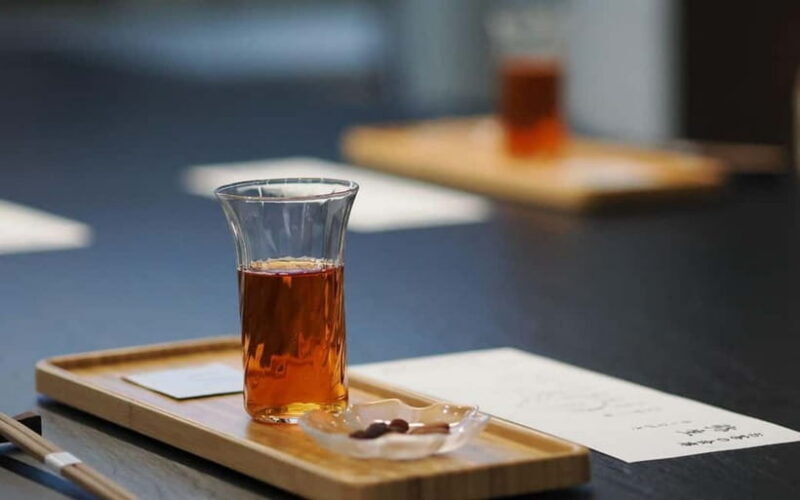
Your first cup is wakocha, a Japanese black tea made in Shizuoka, served with a tea cake. It is a useful opening because it gives you a point of comparison before the greener teas arrive. If you think of Japanese tea only as matcha, this first cup quickly widens the picture.
The tea’s fruity and floral character is paired with a traditional cake, making the welcome feel more like a tasting than a lecture. You can settle into the room, meet the tea master, and hear how the session will work. The format is described as relaxed and friendly, so you do not need to arrive knowing tea etiquette or terminology.
This opening is also a good cue to slow down and pay attention to flavor. You are not expected to be an expert. The value is in learning to notice how different leaves, growing regions, and preparation methods change what is in the cup.
Looking for more options in Tokyo? Here are some other experiences worth considering.
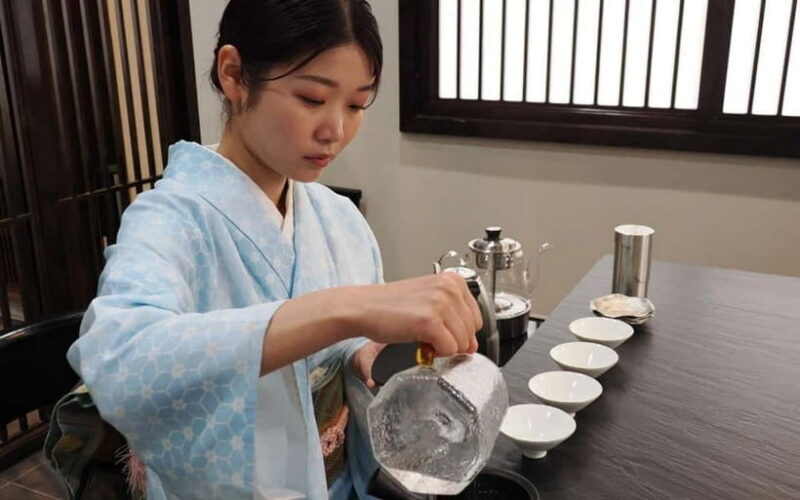
Next comes Gyokuro sencha, which the tea master brews for you. The experience is especially useful for anyone who usually drinks tea without thinking much about water temperature or brewing technique. The instructor explains how preparation affects flavor, and you get to taste the tea rather than simply hear a description of it.
The session also includes seasonal wagashi from Ougiya, a long-established confectioner. These Japanese sweets are more than a decorative extra: tasting a sweet alongside tea helps you understand how the two are enjoyed together. The seasonal element means the specific sweet can vary, so do not expect one fixed treat.
You may also get to taste the tea leaves themselves, an unusual detail that some participants found memorable. It adds a different texture and flavor to the tasting, though it is not the sort of thing every tea drinker will expect. If you are curious about ingredients and methods, ask questions as the tea master works. The atmosphere is informal enough for conversation.
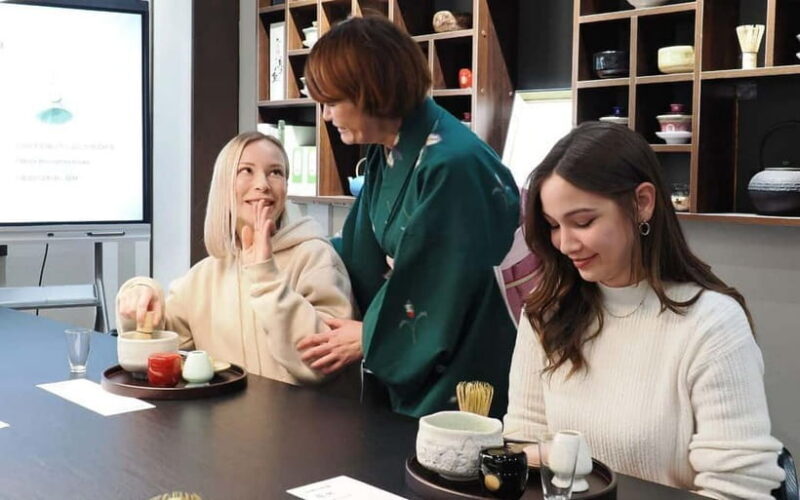
The practical heart of the experience is the matcha-making session. The tea master shows you how to use traditional tools and utensils, then guides you as you whisk your own bowl. You are not just watching an expert perform a ritual; you get a chance to try the motions yourself and drink what you make.
That participation makes the ceremony easier to remember. Matcha preparation can look simple from across a room, but the tools, movement, and pace all matter. You will not leave as a trained tea practitioner after one short session, but you should come away with a better sense of what goes into preparing the drink.
The teaching style matters here. Reports from sessions describe patient instructors who explain each step calmly, answer questions, and keep the mood light. Some guides also share broader context about Japanese customs and tea history. If you are new to matcha, that balance of explanation and practice is a strong reason to book. If you already make it at home, you may still appreciate seeing the process presented with traditional utensils and expert guidance.
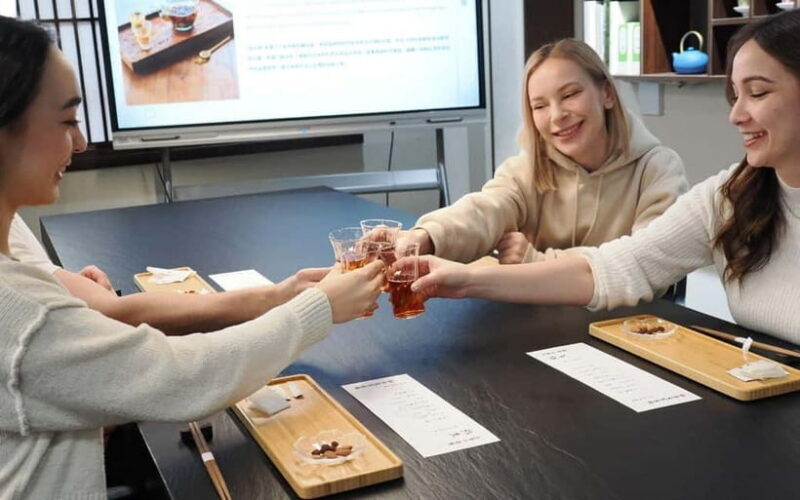
The final cup is genmaicha, a blend of sencha and roasted rice from Niigata Prefecture. Its comforting, toasted profile makes a natural close after the more focused matcha preparation. By this point, you have tasted several tea styles and can compare them while the differences are fresh.
The finish also gives the hour a pleasing rhythm: welcome tea and cake, a brewed green tea with wagashi, hands-on matcha, and a final cup to wind down. The variety is one of the experience’s best features. It suits tea newcomers, but it also gives regular tea drinkers more than a single familiar matcha tasting.
Allow about an hour for the full experience. The advertised duration is 60 minutes, though one participant described a session lasting around 50 minutes. Treat the hour as a planning guide rather than a promise that every group will use precisely the same amount of time.
More Great Tours Nearby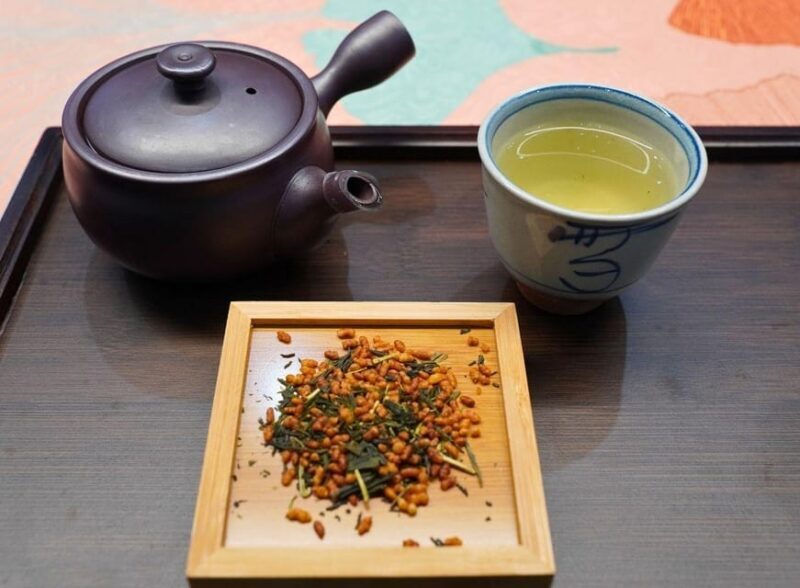
Ocharu’s tea ceremony room is across from Tokyo University, giving the activity a clear landmark in central Tokyo. The room is specially set up for the session, and the setting is described as clean and calm. It is a welcome change of pace if your day has been full of city streets, shops, and transit.
Finding the entrance deserves a little care. Look for the green OCHARU logo on the building wall, and remember that it is set high enough to miss if you only scan at eye level. The meeting instructions ask you to arrive five minutes early, which is sensible for checking in and getting settled without rushing.
There is also a small café downstairs where you can order matcha and buy tea to take home. That is not part of the core hour, but it may be useful if a particular tea catches your interest. A bag of tea can serve as a practical souvenir, and brewing it later may bring back the flavors you tried in Tokyo.

At $38 per person, this is a good-value cultural activity if you want more than a quick demonstration. The price includes several tea tastings, a seasonal sweet, the guided matcha-making session, access to the tea room, a certificate, and a group photo. You do not need to arrange separate tastings or buy tools to take part.
The value is strongest for first-time visitors to Japanese tea. In one hour, you get a structured introduction to four styles, guidance from a tea master, and a chance to handle the matcha tools yourself. A tea enthusiast may find the session brief, but the variety and explanation still make it a worthwhile way to sample teas that are not always easy to compare in one place.
The certificate and photo are small keepsakes rather than major reasons to book. Think of them as a pleasant finish to the experience. The real return is the tasting and the context: you will be better able to distinguish the teas and understand why preparation matters.
I would recommend this to curious beginners, tea drinkers who want to learn how matcha is made, and visitors looking for a calm cultural activity that fits into a day in Tokyo. It also works for couples or small groups who enjoy learning together, and the instructor can make the session welcoming for children. One family specifically appreciated that their ten-year-old was included.
You do not have to be a tea fan to take part. The variety gives you several chances to find a style you like, and the session is as much about process and culture as it is about drinking. Still, if you dislike tea altogether or want a highly formal, extended ceremony, this may not be the best match. The mood is friendly and conversational, and the format is compact.
One practical limit is accessibility: the activity is not suitable for wheelchair users. If you need step-free access or other specific support, confirm the arrangements before booking rather than assuming the tea room can accommodate them.
Book this experience if you want a compact, hands-on introduction to Japanese tea, especially if you are curious about how matcha fits alongside other teas. The combination of wakocha, Gyokuro, matcha, genmaicha, and seasonal wagashi gives the hour enough variety to feel substantial without taking over your day.
Skip it if you are looking for a long, formal ceremony or need wheelchair access. Otherwise, the $38 price is reasonable for the guided tasting and practical matcha lesson. Arrive a few minutes early, look above eye level for the green OCHARU sign, and bring questions. You will get more from the hour if you treat it as a tasting class, not just a photo stop.
“The tea ceremony was a wonderful experience. The vibe was relaxed and friendly. Our tea master was very engaging and personable. We learned a lot a…”
The experience is scheduled for one hour. Plan for about 60 minutes, though the exact session length may vary.
You are served wakocha, Gyokuro sencha, matcha, and genmaicha.
Yes. A tea master guides you through preparing matcha with traditional tools and utensils.
Yes. The Gyokuro tasting includes seasonal wagashi from Ougiya, and the welcome tea is served with a tea cake.
The tea room is across from Tokyo University. Look for the green OCHARU logo on the building wall and arrive five minutes early.
No. The activity is listed as not suitable for wheelchair users.
You can check availability for your dates here: