Physical Address
304 North Cardinal St.
Dorchester Center, MA 02124
Physical Address
304 North Cardinal St.
Dorchester Center, MA 02124

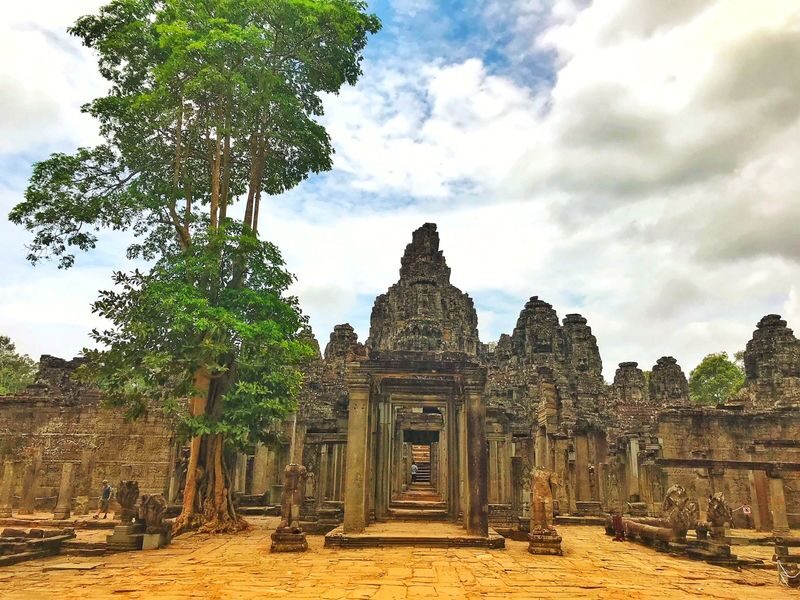
Catch Angkor Wat at sunrise, then ride by tuk-tuk to Bayon, Ta Prohm and other temples on a flexible, full-day Siem Reap outing.
Angkor Wat before dawn is the draw: you arrive while the sky is still dark, then watch the temple take shape as daylight comes. After sunrise, a tuk-tuk carries you between the major stops, but expect to explore most ruins on foot and largely on your own. The outing runs from an early hotel pick-up to an advertised return around 4:30 p.m., though heat and your pace can shorten the day.
I like the freedom to set your own pace and the simple convenience of having a driver wait while you explore. I also like the open-air ride between temples, a welcome change from spending the day in a car. The trade-off: this is mainly transport, not a fully guided history tour, and you must buy your Angkor Pass separately.
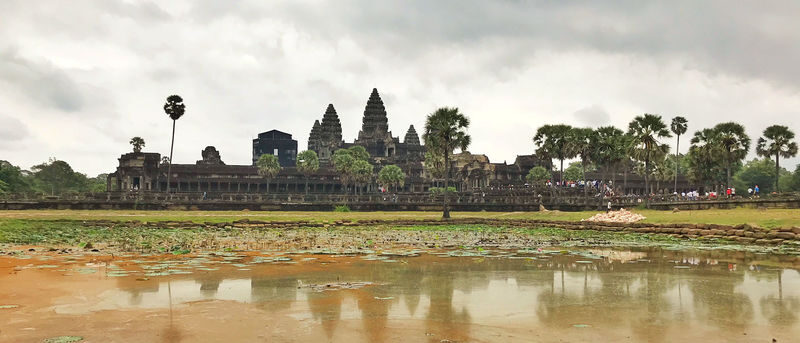
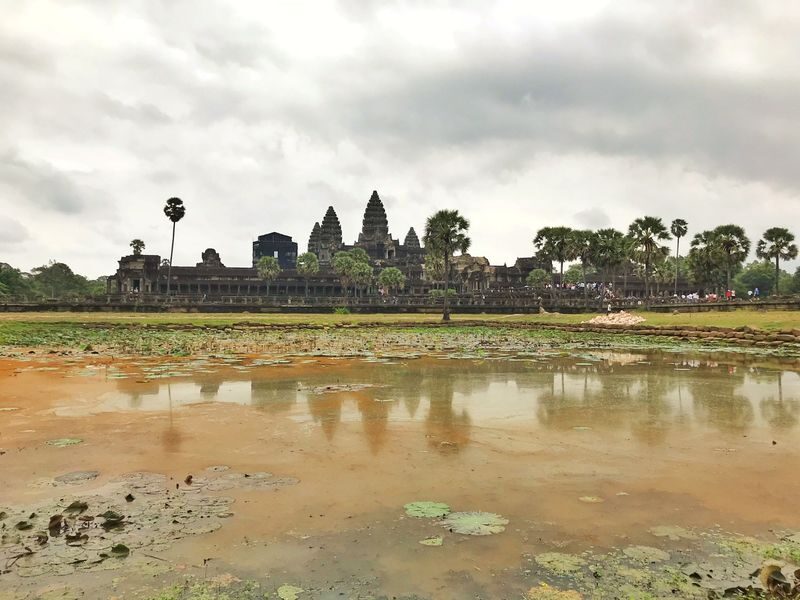
The early start buys you something a later temple visit cannot: Angkor Wat in the changing light of dawn. You leave your hotel at about 4:30 a.m. and stop at the ticket office to buy your Angkor Pass before heading to the temple. The exact sunrise time depends on the date and conditions, and the schedule can shift with weather and traffic.
Arriving early may mean waiting for the light, but that is part of the experience. You have time to find a place to watch the sky brighten, then explore the temple once the day begins. Angkor Wat is enormous, so do not expect a quick look and a neat little photo stop. Walking through the complex takes time and energy, and it can use up more of the morning than you expect.
The tuk-tuk driver may help you get to the sunrise area and arrange where to meet afterward. The level of help varies, so do not count on a guided walk through the temple or a running explanation of its history. Treat the driver as your transport and local point of contact, unless you have confirmed that a guide is included. The listed inclusions name transfers and bottled water, not an official temple guide.
After Angkor Wat, the route continues to Angkor Thom, the walled city, and Bayon Temple, famous for its large carved stone faces. Bayon feels different from Angkor Wat: instead of a broad, open temple complex, you move among close-set towers and carvings. Give yourself room to look up and around. It is easy to focus on the famous faces and miss the details nearby.
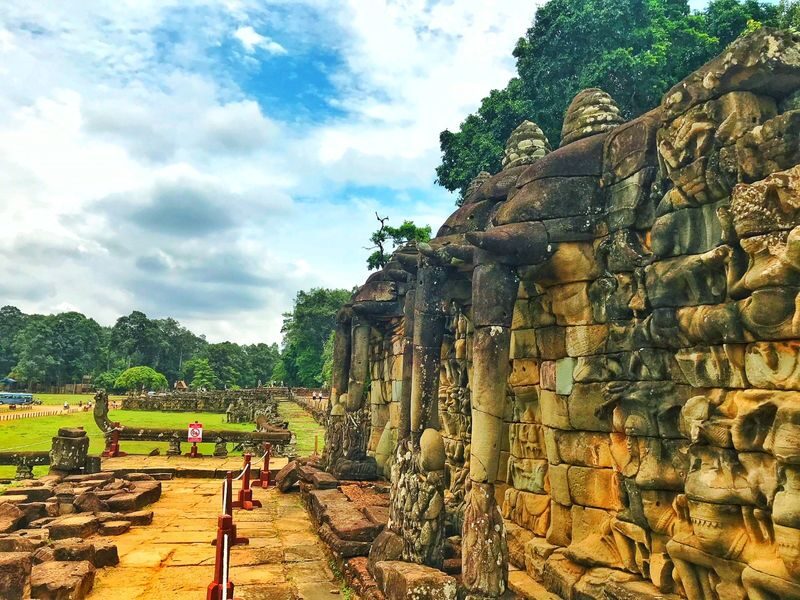
Angkor Thom also includes the Terrace of the Elephants, a long ceremonial platform associated with King Jayavarman VII. It was used for royal ceremonies and for watching the return of the king’s victorious army. The terrace makes a useful contrast to the temples: its scale and sculpted surface hint at public life, not just worship.
Your driver will usually leave you to walk the site and agree on a meeting place for the next ride. That arrangement suits independent visitors, but it asks you to keep track of where you entered and where the tuk-tuk will be waiting. At large complexes, it is wise to exchange a phone number or messaging contact before you set off. Some drivers share a live location or wait at a clear landmark, but do not assume every driver will use the same method.
You might also be interested in these Siem Reap City experiences
Ta Keo is an unfinished mountain temple, and its steep, tiered shape gives the stop a different feel from the flatter terraces and galleries. It is associated with a story that lightning struck during construction. The structure was never completed, which makes the bare stone and imposing profile part of its appeal.
Be realistic about your energy before climbing. You have already been up before dawn and walked through Angkor Wat and Bayon, and the day is only partway through. Some people relish the climb and the view from higher levels; others may prefer to save their legs for the later temples. The point of a flexible tuk-tuk day is that you can adjust, not that you must tick off every stop.
The route and timing can change, and the driver may be able to accommodate a shorter visit or a break. Be clear about what you want, especially if you are feeling tired or need lunch earlier than planned. Do not assume you can make up lost time by rushing through every remaining site. Angkor rewards attention more than speed.
Ta Prohm is the jungle temple often linked with the film Tomb Raider. Here, tree roots and vegetation press against old stone, creating the image many people have in mind when they picture a temple reclaimed by the forest. The contrast is striking: the ruins feel less formal than Angkor Wat, and the roots make the passageways and walls feel close and uneven.
This is one of the stops where slow looking pays off. You can watch how roots cross the masonry and how trees have become part of the site’s present-day appearance. Expect to walk rather than see it from the tuk-tuk. The vehicle takes you from temple to temple, not through the archaeological areas.
A local security guard may offer informal help with photos or a brief explanation, as one visitor experienced, but that is not a promised service. If you want detailed interpretation throughout the day, arrange a proper guide separately. This trip’s strength is access and flexibility, not guaranteed expert commentary.
Banteay Kdei is the last named temple on the route, a complex of crumbling stonework set among vegetation. After the scale and crowds that can gather at the headline sites, its worn walls and tangled surroundings can feel like a gentler place to finish. The condition of the ruins is part of what you notice: this is not a polished monument, and the plants have a visible claim on the stone.
By this point, you may be ready to sit down rather than inspect every doorway. That is fine. The day is long, the walking adds up, and the weather can turn a planned full circuit into a shorter outing. Drivers have dropped people back at their hotel or at a requested restaurant when they were ready to stop, but confirm your plans directly rather than relying on an unspoken assumption.
The advertised schedule lists a 30-minute lunch break at your own expense and a further guided-tour block after lunch, with return around 4:30 p.m. In practice, the exact time at each temple depends on your pace, the day’s conditions and the driver’s coordination. Think of the schedule as a framework, not a promise that you will spend a fixed number of minutes at every stop.
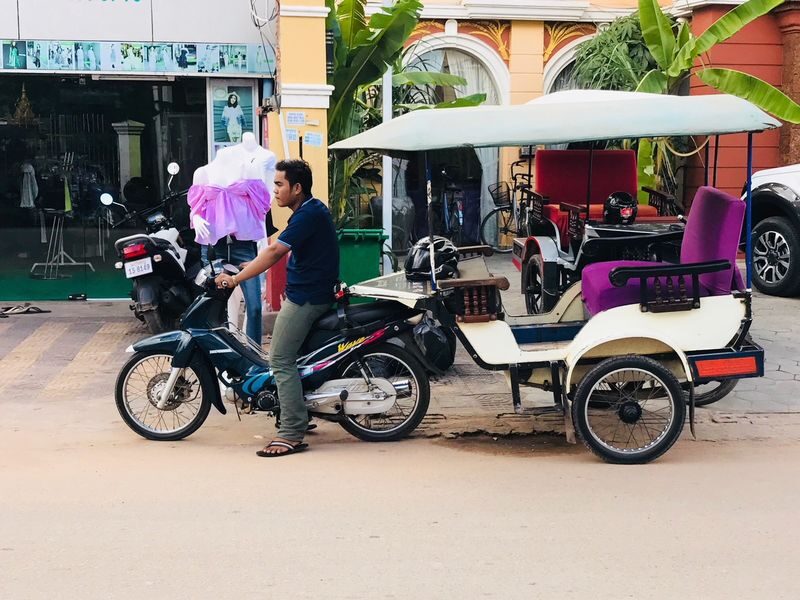
This package is best understood as a private or small-party transport day, not a conventional guided tour. The group size is listed as one to four people, and the tuk-tuk is Siem Reap’s familiar open-sided way to move around town and the temple zone. You get hotel transfers and a driver between stops; you then walk through each complex independently unless your particular driver offers extra help.
That distinction matters when you compare prices. The activity is advertised from $22.15, while the tuk-tuk package option is also shown from US$19.25. Rates can vary, so check the price for your chosen date and party. Either way, the Angkor Pass is not included. The listed one-day pass costs US$37, the three-day pass US$62 and the seven-day pass US$72. The multi-day passes must be used on consecutive days.
Lunch is also extra, as are personal expenses and tips. Restaurants around the temple area may be more expensive than you expect, so consider having breakfast before the tour or bringing a simple snack if you prefer. The day includes bottled water, and many visitors have found cold water a welcome lift after walking in the heat. Still, bring enough water for your needs and check that any bottle you receive is sealed.
For the price, the value is in the early pick-up, a driver for the full route and the ability to explore without a fixed group moving you along. If you are travelling alone, it can also feel more straightforward than arranging a separate ride at every temple. But if you want a guide who explains Khmer history and architecture at each stop, the low price does not buy that service. You may prefer a guided tour or private car option instead.
You might also be interested in these Siem Reap City experiences
A 4:30 a.m. departure means the tuk-tuk ride can feel cold and windy before sunrise, even when the afternoon is hot. A light layer is useful, and mosquito protection is worth considering for the pre-dawn wait. Later, the temperature can climb toward 30°C, and walking around temple grounds in humid conditions is tiring. You will be glad you dressed for both ends of the day.
The dress guidance is practical: wear long pants and a long-sleeved shirt, or bring a scarf to cover your shoulders, and choose closed shoes. You will walk over uneven temple ground, and comfortable footwear matters more than looking dressed for a photo. There is no luggage storage or delivery service, so leave large bags at your hotel.
This outing is restricted to participants aged 18 and older. Hotel pick-up is shared, so the driver may arrive a little early or late. The operator is supposed to reconfirm the pick-up time in advance, but communication has not always been prompt. I would message the operator before the tour if you have not received a clear confirmation, and arrive in the lobby 10 minutes before the agreed time.
Book this tour if you want to see the sunrise, cover several major temples in one day and value independence over guided commentary. It works particularly well for a couple, a small party or a solo visitor who is comfortable using a phone to coordinate meet-ups and exploring ruins without a guide. The ability to cut a stop short or head back when tired is a real advantage.
Look elsewhere if you need a detailed guide, guaranteed pre-tour communication or a tightly managed group itinerary. Pick-up problems have happened, and some drivers communicate better than others. Most of the time, the format is simple and economical, but it depends on being able to stay in touch and find the agreed meeting point.
My practical call: this is a good-value way to arrange the transport for a full Angkor day, provided you understand what you are paying for. Buy the pass separately, prepare for the early start, confirm the pick-up and keep your driver’s contact details. Then let the temples set the pace. If you want interpretation at every stop, add a guide rather than expecting the tuk-tuk driver to fill that role.
“Need to note that it's not exactly a tour – only transport to the various places stated on the itinerary except for Angkor Wat. My driver, Sina, pi…”
No. You buy it separately at the ticket office before visiting the temples. The listed options are a one-day pass for US$37, a three-day pass for US$62 and a seven-day pass for US$72.
The scheduled hotel pick-up is 4:30 a.m., with a listed return around 4:30 p.m. Traffic, weather and how long you spend at each stop can affect the schedule, and some people finish earlier.
The named stops are Angkor Wat, Angkor Thom, Bayon Temple, the Terrace of the Elephants, Ta Keo, Ta Prohm and Banteay Kdei. The exact timing and order may change.
No. Lunch is at your own expense, and the listed schedule allows a 30-minute lunch break.
The package provides tuk-tuk transport between the stops, but you should not expect a guide to accompany you through every temple. You generally explore on foot and arrange a meeting point with the driver.
Wear long pants and a long-sleeved shirt, or bring a scarf to cover your shoulders. Closed shoes are advised. The early tuk-tuk ride can feel cold, while the day can become hot.