Physical Address
304 North Cardinal St.
Dorchester Center, MA 02124
Physical Address
304 North Cardinal St.
Dorchester Center, MA 02124

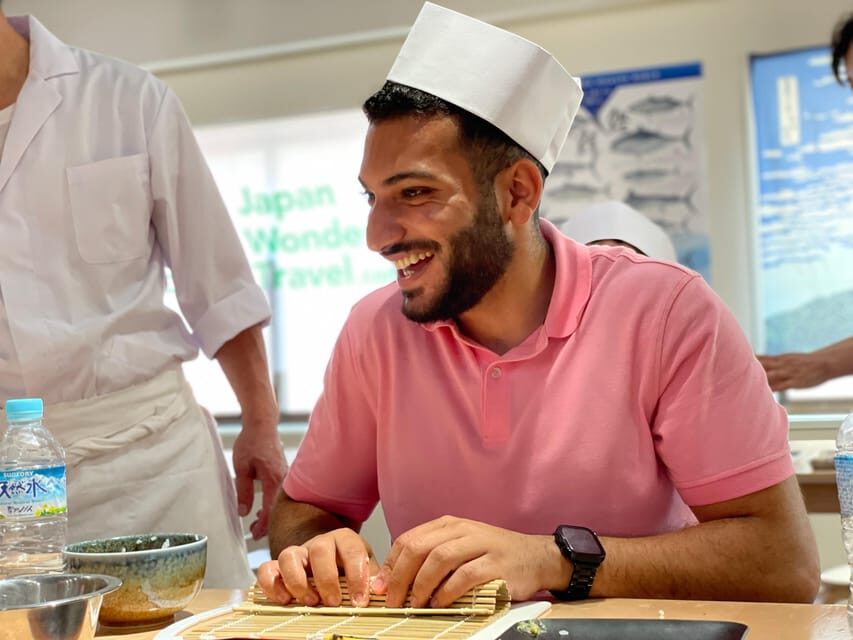
Learn nigiri and maki with a sushi master in Tsukiji, using market-fresh ingredients, proper tools, and English guidance.
A sushi master begins by showing you how a fish is prepared, then puts the knife and rice in your hands. In Tsukiji, the lesson connects sushi to the market around it, not just to a recipe card. You’ll make four nigiri and one maki roll, then sit down to eat your work alongside sushi prepared by the chef.
I like two things in particular: you learn from a professional chef with an English-speaking host there to explain each step, and the class uses fresh Tsukiji ingredients and proper sushi tools. The format is hands-on and practical, so you can ask questions and get help as you work. One consideration: the classroom is up three flights of stairs, and the experience is not suitable for people with mobility impairments or wheelchair users.
The length varies widely, from 90 minutes to as long as four hours, depending on the option you book. Some versions include a guided walk around the market, while market guidance is not part of every option. Check what your selection covers before you go, and leave room in your schedule in case the class runs late.
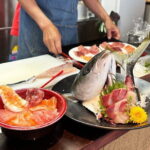
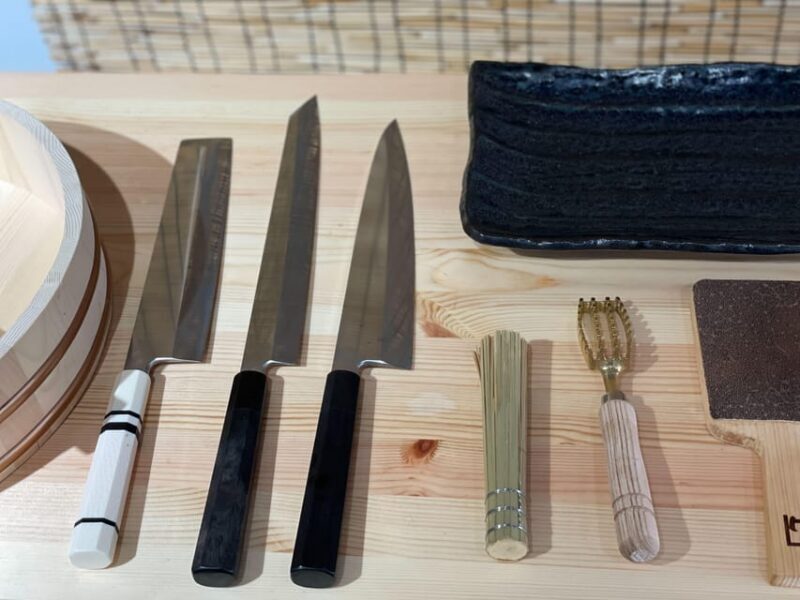
This is not only a roll-and-eat cooking session. The class starts with a demonstration of how a sushi chef prepares fish, giving you a look at the careful work that happens before a piece of seafood reaches the rice. The chef explains the stages and introduces the Japanese knives used for the job.
That demonstration helps put the hands-on part in context. Sushi can look simple on the plate, but preparing it well calls for technique, judgment, and practiced movements. You may also have a chance to learn about preparing fish for sashimi, as this has been part of some sessions. Ask your chef what will be covered on the day rather than assuming every class includes the same demonstration.
The instructors vary. Names associated with the experience include chefs Tanaka, Kate, Koro, and Kana, and hosts such as Satoko, Yuko, and AJ. Your team may be different, but the format pairs a professional sushi chef with an English-speaking host. That division is useful: the chef can focus on the craft, while the host helps keep explanations clear and gives you a friendly point of contact.
Shoppers can discover Tokyo's markets and boutiques through these guided experiences
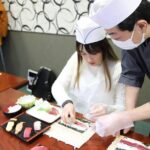
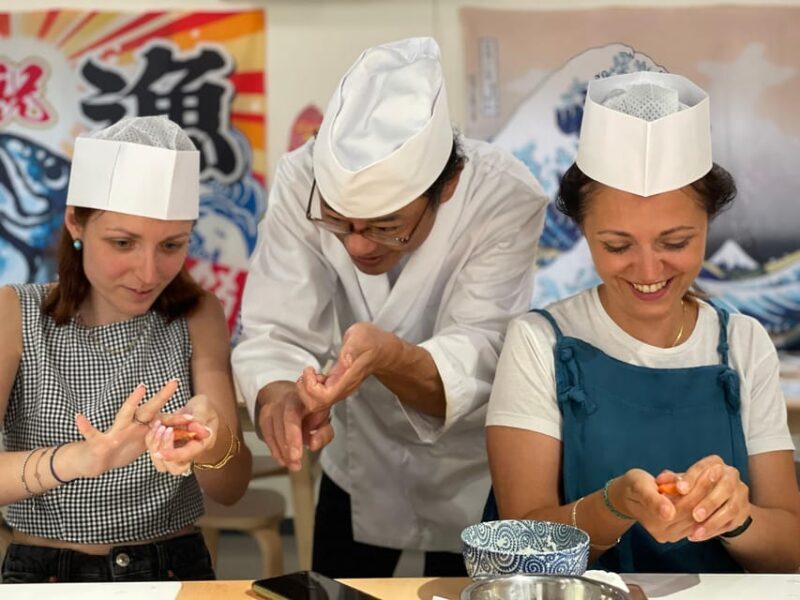
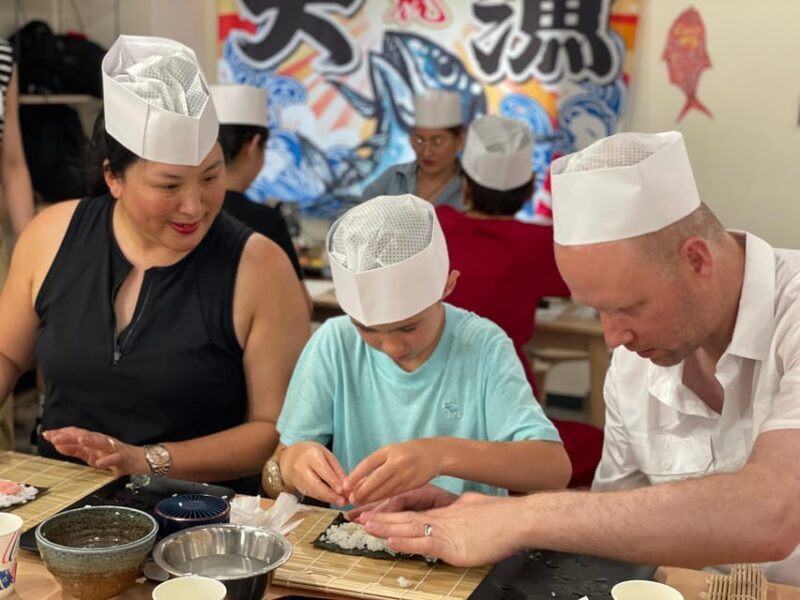
After the demonstration, you learn what sushi is and move on to making it. The core lesson covers nigiri, the hand-shaped pieces of rice topped with fish, and maki, the rolled style. You make four nigiri and one maki roll, with the chef showing each step and offering corrections as you go.
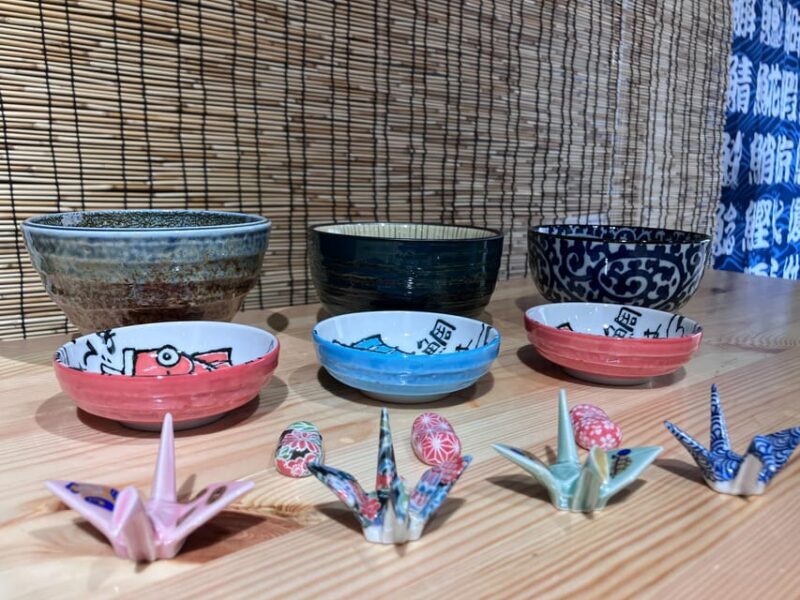
Expect to use proper utensils and tableware sourced from local shops. They are more than props for photographs. The right tools help you work efficiently and give you a better sense of the care behind the finished pieces. You’ll also get to handle the ingredients yourself, rather than watching a chef do all the interesting work from across a counter.
This is a beginner-friendly lesson, but it is not a guarantee that your first pieces will look like the chef’s. That is part of the fun. A good instructor can show you what to adjust and why, and the small-group format described by many participants has allowed time for questions and individual feedback. Group size can vary, so don’t count on a particular number of people.
The lesson is also more useful than a one-off party trick. You’ll get a straightforward introduction to the steps and skills, and several people have found the techniques worth trying again at home. You will not leave as a sushi master, but you should have a clearer idea of how the ingredients come together and what makes shaping rice well a practiced task.
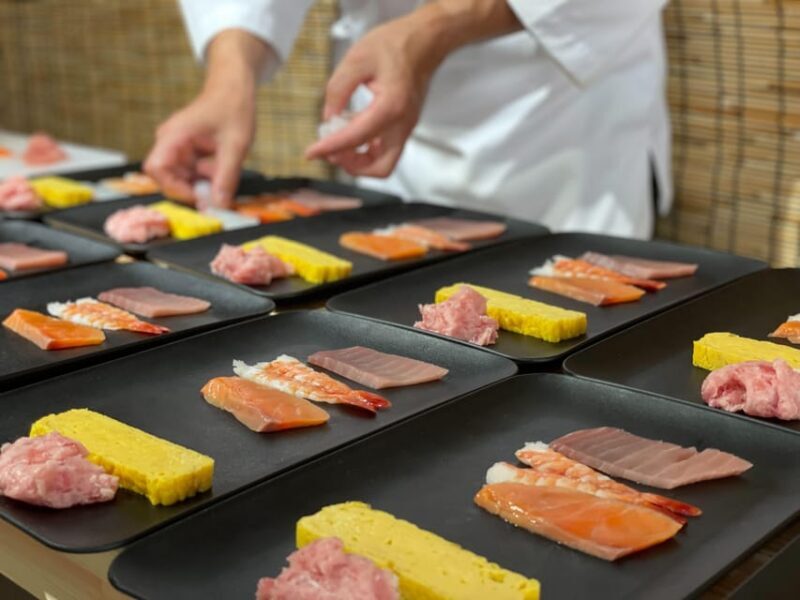
Once the making is done, you eat your sushi. The included food is four nigiri and one maki that you make yourself, plus additional sushi prepared by the master. Dashi soup and green tea round out the meal.
The chef’s serving gives you a useful comparison. You can admire the speed and precision of an expert, then see how the finished sushi differs from your own efforts. The lesson is as much about watching skilled hands as it is about using your own.
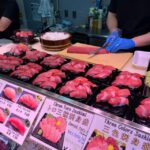
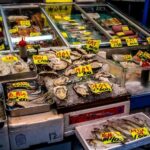
The ingredients are described as fresh and sourced from Tsukiji. That matters here: the class takes place in the middle of the outer market, and the food is part of the lesson rather than an afterthought. If you enjoy seafood, the meal should feel like a fitting end to the session. If you are wary of raw fish, note that one participant who normally avoids it still enjoyed the food, but the class is built around sushi and is not designed for people who do not eat fish.
Tea and soup are included, but extra food and drinks are not. If you want to continue sampling the market afterward, budget separately for that. The amount of sushi provided is the set menu described above, so don’t book expecting a free-choice lunch or unlimited servings.
The classroom is in a traditional Japanese-style building in the center of Tsukiji’s outer market. Being nearby makes the class easy to pair with time at the market, though it does not mean every booking includes a guided market tour. The meeting point changes according to the option you choose, so check your booking details rather than heading straight to the classroom.
Some versions include a walk led by an English-speaking guide. A market walk can add useful context, from an introduction to foods sold in the area to stops at nearby shrines, but it is a separate part of the experience when offered. If seeing the market with a guide is important to you, confirm that your selected option includes it. The activity information specifically excludes market guidance from some bookings.
The setting is a practical advantage, not a promise of a long market visit. You can explore before or after if your schedule allows, but the class itself is the main event. Reviews of the walking-tour versions describe guides such as Tack, Shoko, and Tadashi sharing details about food, the area, and local religious history. That can be a nice extra, but your guide and route may differ.
More Great Tours Nearby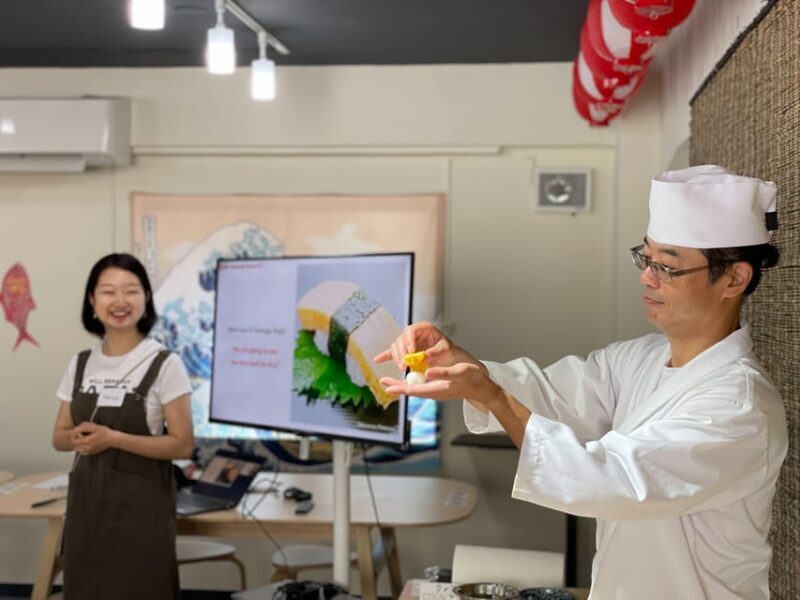
At $63 per person, this costs more than a casual meal, but you are paying for a 90-minute-to-four-hour activity, professional instruction, ingredients, utensils, and the food you make. The chef also prepares additional sushi, and tea and soup are included. For someone who wants more than a meal and values a practical cultural activity, the price can make sense.
The strongest value is the direct access to instruction. You get to see the preparation, try the techniques yourself, and ask questions through an English-speaking host. The Tsukiji location adds convenience, especially if you plan to spend time in the outer market on the same day.
Value depends on which duration and option you choose. Since the stated range runs from 90 minutes to four hours, check whether a market walk is part of your booking and what the total time includes. Do not assume the lowest listed price covers every possible component. The experience also has firm limits for dietary needs, so it is poor value if you cannot eat the food provided.
You might also be interested in these Tokyo experiences
This is a good fit if you love sushi, enjoy learning by doing, or want a food-focused activity that offers more context than a restaurant meal. It also suits families with children old enough to follow instructions and take part. Children under four are not accepted; the activity is also not suitable for people with mobility impairments or wheelchair users because the classroom is on the third floor and accessible only by stairs.
You do not need prior sushi-making experience. The class is designed to guide you step by step, and the English-speaking host can help keep instructions clear. It works for solo participants as well as couples, families, and small groups. If you are an enthusiastic home cook, you may especially enjoy watching the chef’s technique and asking about the reasons behind each step.
It is not the right choice for everyone. The experience does not accommodate vegetarian, vegan, halal, kosher, or gluten-free requests. The provider may try to address allergy-related needs, but says it may not be possible, so contact them before booking and do not assume a substitute meal will be available. Also flag any allergy when you reserve.
The class runs between 90 minutes and four hours, with starting times depending on availability and the option selected. Some participants have taken a market walk as part of the outing, which can account for a longer visit. The meeting point can also vary, so read the details for your specific booking carefully.
The provider warns that the activity may run beyond its scheduled end. I would avoid planning a tight restaurant reservation, train connection, or timed attraction immediately afterward. If you have a fixed appointment, let the team know in advance.
The room is on the third floor of a traditional building with stairs only. That is a firm practical limitation, not a minor detail. If stairs are a problem for you or anyone in your group, this is not a suitable class.
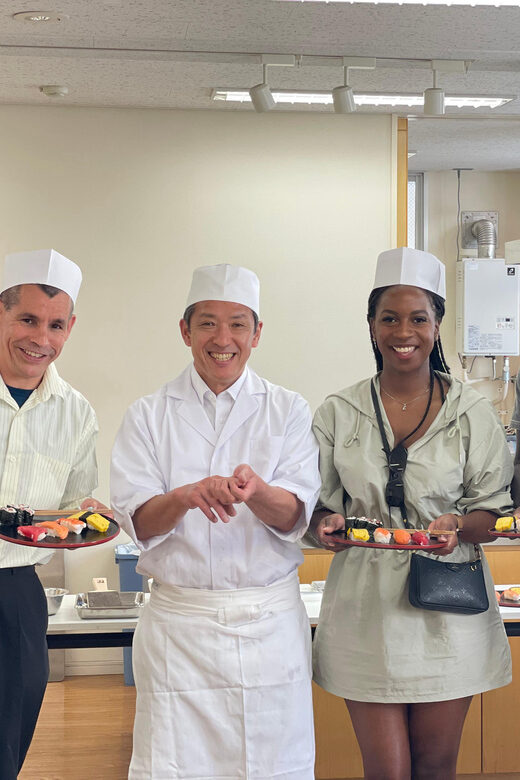
Book this if you want to understand sushi through the work behind it, and you’re happy to eat fish. The best parts are the chef’s preparation demonstration, the chance to make nigiri and maki yourself, and the meal that lets you compare your handiwork with the master’s. Its Tsukiji location makes it an especially sensible choice when you already plan to visit the outer market.
Before paying, confirm whether your option includes a market walk and check the expected duration and meeting point. If you need vegetarian, vegan, halal, kosher, or gluten-free food, choose another activity. If stairs are manageable and sushi is your kind of lunch, this is a practical, engaging way to spend part of a Tokyo day.
“Was such a great and in depth sushi making class! Very friendly host, Satoko and chef Tanaka. Highly recommended doing whilst visiting the fish mar…”
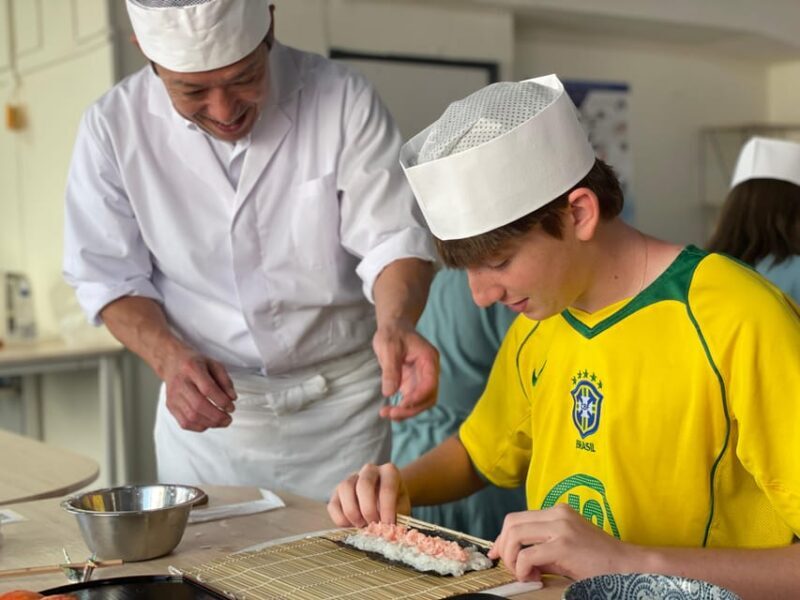
The duration ranges from 90 minutes to four hours, depending on the option booked. Check the available starting times and allow extra time, as the activity may run past its scheduled end.
You’ll make four nigiri sushi and one maki sushi, with step-by-step instruction from a professional sushi chef.
Yes. You eat the sushi you make, additional sushi prepared by the chef, dashi soup, and green tea. Extra food and drinks are not included.
Yes. The instructor language is English, and an English-speaking host guides and interprets during the class.
No. Market guidance is not included in every option. The meeting point may also vary, so check the details of the option you select.
No. These requests are not accommodated. Allergy-related requests may be considered, but the provider says accommodation may not be possible.
No. The classroom is on the third floor of a traditional building and can only be reached by stairs. The activity is not suitable for wheelchair users or people with mobility impairments.
You can check availability for your dates here: