Physical Address
304 North Cardinal St.
Dorchester Center, MA 02124
Physical Address
304 North Cardinal St.
Dorchester Center, MA 02124

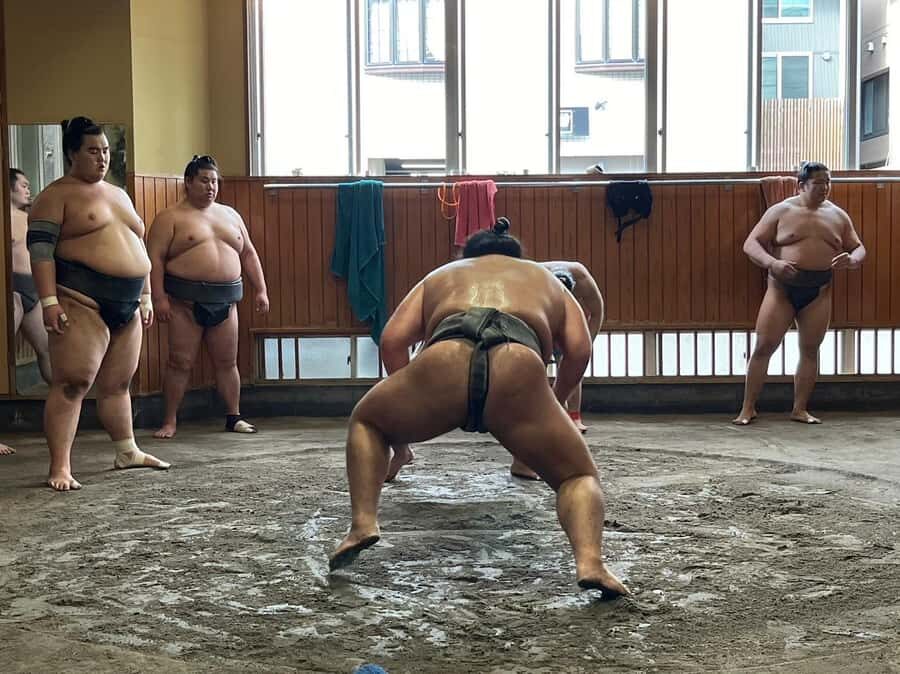
Watch authentic sumo practice at Tokyo’s Takasago stable, learn the basics with an English guide, and take a commemorative photo afterward.
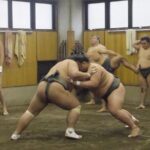
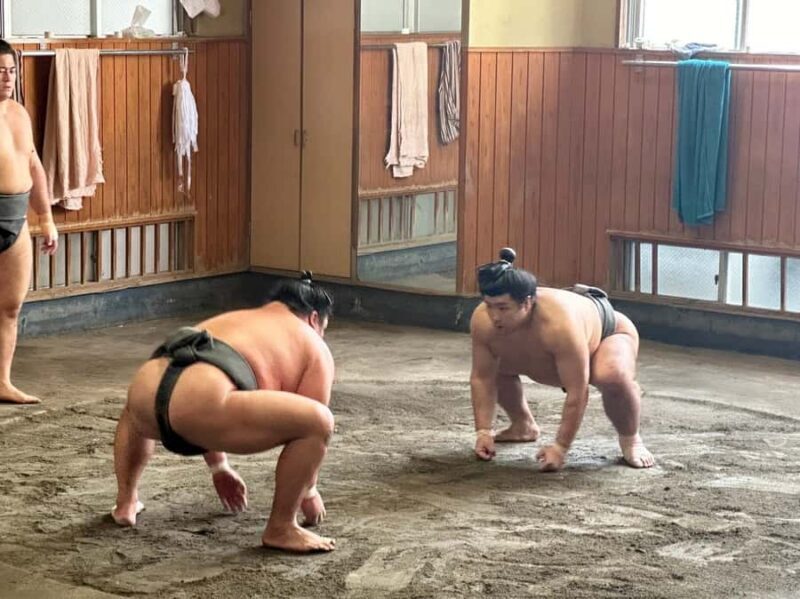
At Takasago stable, sumo is not a show put on for visitors. You watch wrestlers follow their usual morning training, close enough to see the effort and discipline in each drill. I like the authentic practice and the chance to see a stable with a record of producing six yokozuna, sumo’s highest rank.
I also like that an English-speaking guide explains what you are seeing, then helps arrange a photo with the wrestlers when practice ends. The main drawback is comfort: you may sit on a floor cushion or a small stool for much of the visit, and the training can run longer or shorter than expected.
The morning begins at 7:45 a.m. at Ryogoku Station, at the A-3 exit by the elevators for the Toei Oedo Line. The guide meets you there, explains the plan, and walks with the group to Takasago stable. The walk takes about ten minutes.
That short walk matters. You are not just being dropped at a venue: the guide gets you from the correct station exit to a working stable and gives you a chance to ask questions before you need to be quiet. The meeting point is specific, so check that you are heading for the Oedo Line station and A-3 exit, not another station entrance.
The tour is scheduled for about two hours, but the practice itself may last 90 to 120 minutes or vary with the training. One reason this experience feels different from a ticketed performance is that the stable sets the pace. You are there to observe the wrestlers’ routine, not to fit a fixed show schedule.
The guide speaks English and Japanese. Guides named in accounts of this experience include Keiko-san and Naomi, but you should not assume a particular guide will lead your date. The guide’s role is especially useful at the start: sumo has its own ranks, rituals, and training vocabulary, and a little context helps you follow what is happening without turning the session into a lecture.
If you prefer having a local expert, these guided Tokyo experiences could work well
Takasago is one of Tokyo’s best-known sumo stables. Its record includes six wrestlers who reached yokozuna and eight who reached ozeki. Those numbers give the visit context: this is not simply a room where athletes happen to practice, but a stable tied to some of sumo’s most successful competitors.
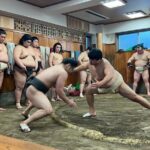
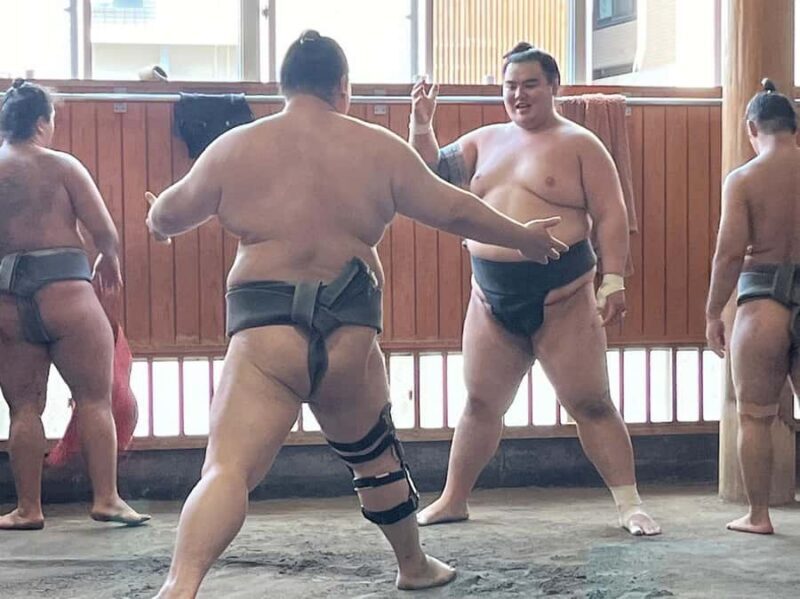
Once inside, the best approach is to settle in, listen, and watch. The wrestlers continue their regular training rather than stopping to entertain the group. That quiet, matter-of-fact quality is part of the appeal. You see the sport as work: repeated drills, close attention, and physical effort, rather than only the brief spectacle of a tournament bout.
The guide can explain the exercises, positions, and traditions, and visitors have been given a printed handout about sumo techniques and rules. The amount of spoken explanation may differ. If you prefer to learn as you watch, ask questions before the practice begins or after it ends; during training, the priority is staying quiet and not interrupting the wrestlers.
The stable is known for producing top-ranked wrestlers, but this visit is not a promise that a particular champion will be present. What you get is a view into daily practice and the discipline behind professional sumo. If you are hoping for a polished introduction with constant commentary, this may feel restrained. If you want to watch the real routine, that restraint is exactly the point.
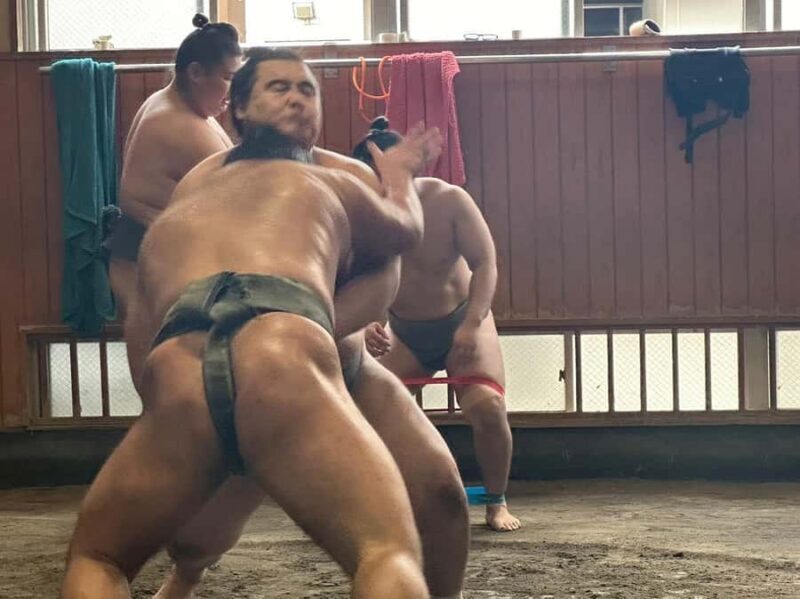
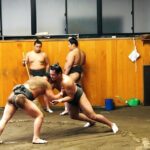
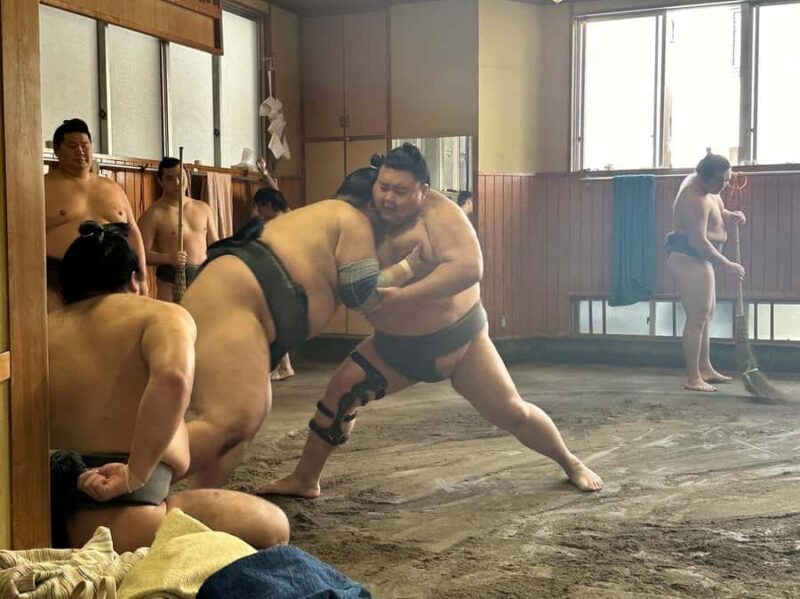
Sumo is often introduced through its dramatic matches: two wrestlers face off, collide, and one is forced out of the ring or down to the surface. Morning practice makes clear how much repetition lies behind those short contests. You can watch wrestlers hone their skills through training exercises and sparring, with the guide’s explanations helping you understand the purpose of what you see.
The close viewing is a particular strength. You are not watching from a distant arena seat, and the wrestlers do not perform toward the audience. You can notice the pace of the drills and the concentration required at close range. For someone who knows little about sumo, a handout and a guide’s basic explanations can make the session far easier to follow.
The mood is serious. One of the useful things about this tour is that it does not require the wrestlers to interact with the group during practice. They carry on with their normal work. That can feel less personal than a demonstration, but it gives you a more honest sense of the training environment.
Quiet observation is essential. Children can attend if they are able to remain quiet, and the price is the same as for adults. This is a good fit for a child who can sit and watch closely; it is not an ideal activity for a child who needs to move around or talk through the session.
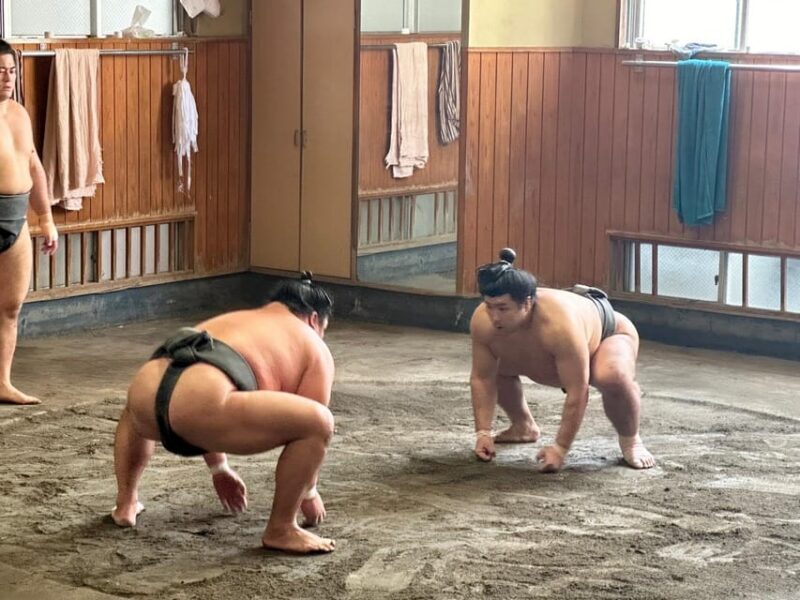
Comfort deserves a realistic mention. Seating may be a floor cushion or a very small stool, and you could be sitting for 90 minutes or longer. If you have trouble sitting on the floor, mention it to the guide at the meeting point and ask about available seating. Some visitors have been offered a seat at the back, but the availability of a particular seat is not guaranteed.
The room may also feel warm. The tour information does not promise air-conditioning. A fan and chilled water have been provided on at least one occasion, but treat those as possible comforts, not a sure thing. Plan for an early start and a quiet sit, rather than assuming the stable will feel like a conventional visitor attraction.
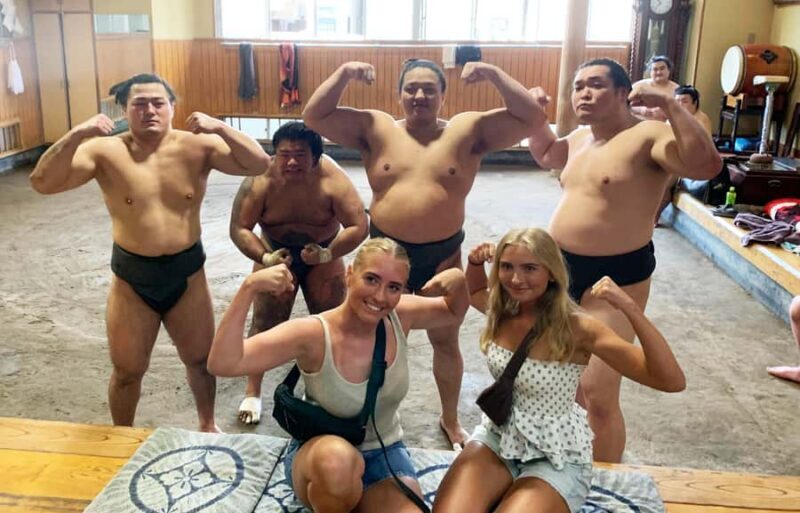
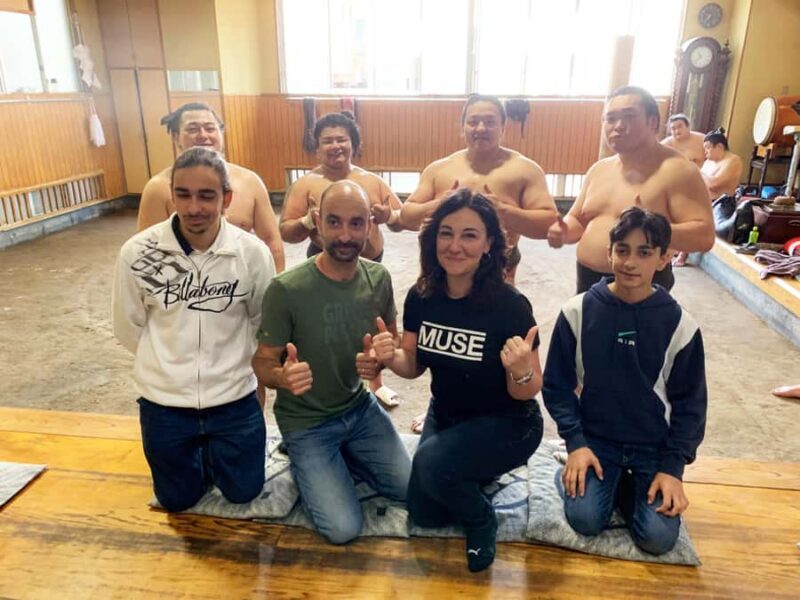
After practice, you can take a commemorative photo with the wrestlers. It is a memorable finish, especially after watching them work without interacting with the audience. A visitor reported that a 1,000-yen tip was requested for the photo, so carrying some cash is sensible. That reported tip should not be confused with the stated tour price, and you can ask your guide what is customary on the day.
There is a detail worth sorting out before you go: the activity information says cellphones are not allowed, while also saying photos may be taken if they do not interfere with practice. Accounts of the visit describe photos and videos being allowed. Because those instructions do not line up neatly, ask the organizer in advance which devices are permitted, and follow the guide’s directions inside the stable.
More Great Tours Nearby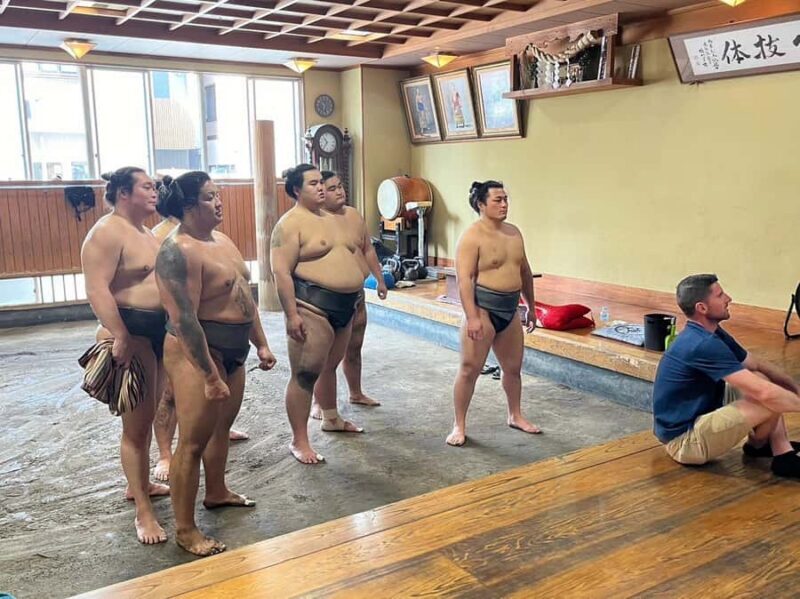
At $96 per person, this is not a cheap way to spend a morning. You are paying for access to a working stable, a guide to manage the visit and explain the basics, and the chance to see practice from close range. The tour also handles the meeting and walk to Takasago, which is useful when you are navigating an early Tokyo start.
The value depends on what you want. If sumo interests you, or you want a closer look at a central part of Japanese sport and culture, this can be a worthwhile use of two hours. It can also help you understand a tournament better. One visitor who went on to attend a tournament afterward found that the practice made the competition easier to follow.
If you expect an elaborate guided tour, a long talk about the wrestlers’ lives, or lots of direct interaction, the price may feel high. Much of the time is spent sitting quietly and watching. The guide provides context, but the training itself is the main event. There is no promise of a particular wrestler, a fixed-length session, or a seat with extra comfort.
For comparison, the experience is not a substitute for attending a tournament. A tournament gives you live matches and the public arena setting; this visit gives you a close view of training. If you are unsure about the rules or techniques, practice may be a more useful first step. If what you want is competitive action, you may prefer to save your budget for a tournament ticket.
You might also be interested in these Tokyo experiences
I would recommend this to anyone curious about sumo who values seeing the sport as it is practiced, not only as it is presented in a public match. It suits adults who can sit quietly, ask questions at the right moments, and accept that the session follows the stable’s routine.
It is also a good choice if you are already planning to attend a tournament. Watching practice first can give you a better grasp of the effort and techniques behind the bouts. The photo afterward adds a personal memento, though it is a brief ending rather than a meet-and-greet session.
Think twice if floor seating is difficult for you, if you need a tightly timed activity, or if you expect continuous commentary. Practice can run shorter or longer than planned, and the audience is there to observe rather than interrupt. Families can bring children who are able to remain quiet, but the adult price applies to them too.
Booking is flexible: you can reserve now and pay later, and cancellation up to 24 hours in advance is eligible for a full refund. Check the available start time, then confirm the phone and photography rules with the organizer before setting out.
Book this if you want to see sumo’s daily work at close range and are happy to sit quietly while wrestlers train. Takasago’s record, the English guidance, and the chance for a photo make the visit more than a quick look through a doorway. Just go in expecting an authentic practice, not a performance, and be ready for floor seating and a variable finish time.
Skip it if you need guaranteed comfort, a fixed duration, or a highly interactive tour. For the right person, though, those limits are part of the bargain: you get access to the serious, ordinary side of sumo, where the wrestlers’ attention stays on training.
“The tour guide was the sweetest! I was in my early pregnancy with terrible nausea and had to take a break outside and she not inly came outside to …”
Meet at 7:45 a.m. at Ryogoku Station’s A-3 elevator exit for the Toei Oedo Line. The guide walks with the group to Takasago stable.
The overall activity is listed as two hours. Morning practice may last 90 to 120 minutes, and the exact duration can vary with the training.
The live tour is offered in English and Japanese.
Yes, children may observe if they can remain quiet. The fee is the same as for adults.
Photos are allowed as long as they do not interfere with training. The information also says cellphones are not allowed, so confirm which devices are permitted before the visit.
Yes, a commemorative photo with the wrestlers is included in the activity. One visitor reported a requested 1,000-yen tip, so carrying cash may be useful.
Visitors may sit on floor cushions or small stools. The session can last 90 minutes or more, so tell the guide if sitting on the floor is difficult for you.
You can reserve now and pay later. Cancellation up to 24 hours in advance is eligible for a full refund.
You can check availability for your dates here: