Physical Address
304 North Cardinal St.
Dorchester Center, MA 02124
Physical Address
304 North Cardinal St.
Dorchester Center, MA 02124

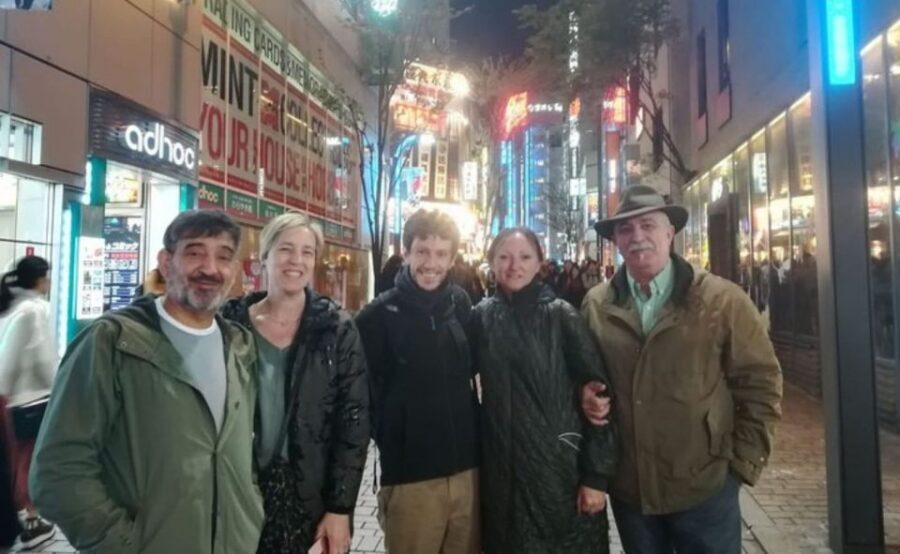
See Tokyo with a private local guide, shape the route around your interests, and get practical help with trains, temples, and neighborhoods.
Tokyo makes more sense when someone helps you connect its far-flung neighborhoods, train lines, and everyday customs. This private walking tour lets you set the agenda, then adjust it as you go. You might spend the day among Asakusa’s temples and old streets, or pair a major sight with a quieter corner you would not have found alone.
I like two things especially: the route is built around your interests, and the guide can make Tokyo’s public transport less daunting by showing you how to use it. There is also real value in getting practical advice for the days ahead, from neighborhood suggestions to help with a transit card.
The trade-off is that this is a walking tour, not an all-inclusive sightseeing package. Attraction tickets and food are extra, and a two-hour outing can only introduce you to a small slice of a very large city.
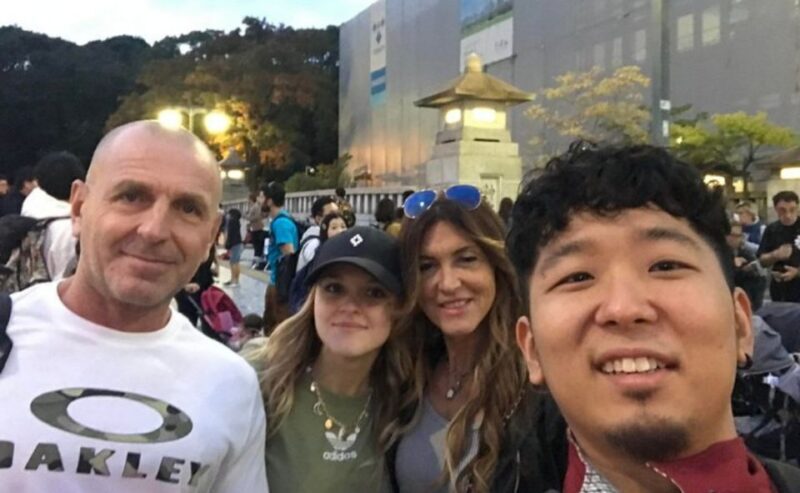
Tokyo is not one compact center with a ring of sights around it. It is a vast collection of neighborhoods, each with its own mood and pace, linked by a rail network that can look like a puzzle at first. A private guide helps you make sense of that puzzle while seeing places you actually care about.
The biggest advantage is not simply getting from one landmark to the next. It is learning how to move around the city for the rest of your visit. Guides have helped visitors use the Metro and trains, acquire a Suica card, find facilities, and feel more at ease navigating on their own. That orientation can be especially useful on your first day, when jet lag and unfamiliar station signs make even a simple trip feel like a project.
You decide what the tour should do. Beforehand, your guide contacts you to discuss your preferences, and you can ask to focus on a neighborhood, a set of sights, shopping, food, history, or daily life. During the walk, you can also adjust the plan. Several guides, including Francine, Karl, and Enrique, have been praised for making changes to suit the group’s interests and pace.
That flexibility is the point, but it also means you should arrive with at least a rough idea of what you want. Tokyo is too large to see everything in a day. If you try to cram in famous temples, shopping streets, modern districts, and a museum, you may spend more time in transit than exploring.
If you enjoy exploring Tokyo on foot, these walking tours might also suit your style
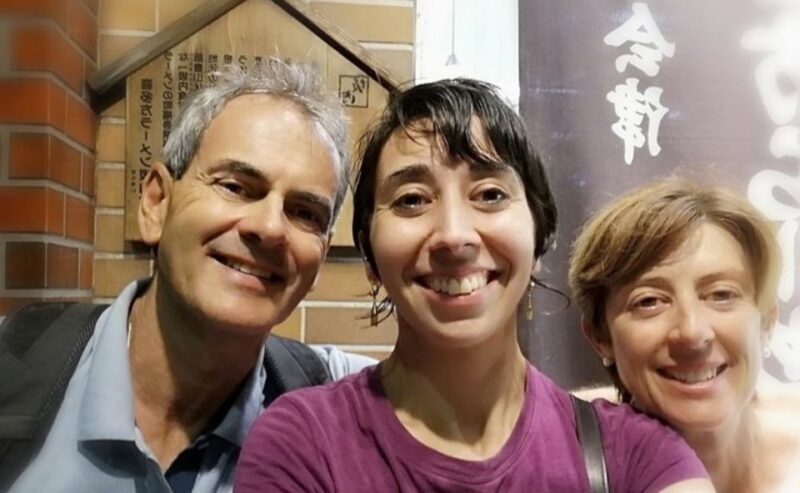
There is no single fixed itinerary. Your route could concentrate on one area or connect several neighborhoods by public transport. The following places have featured on past outings, but your guide will work with your interests and available time rather than promise a set checklist.
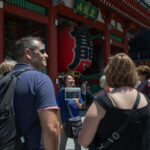
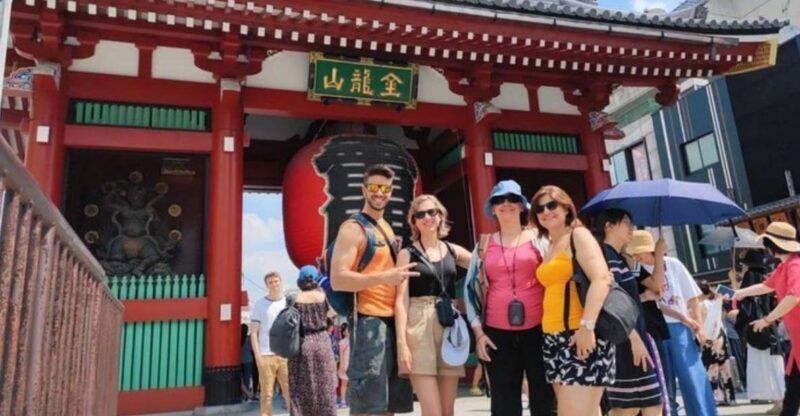
Asakusa is a natural choice if you want a taste of old Tokyo. The area around Senso-ji Temple offers traditional streets, temple grounds, and snack stops. A guide can explain how to approach a shrine or temple respectfully, which makes the visit more meaningful than simply taking a photo and moving on. Some guides have also found elevated viewpoints over Senso-ji and the surrounding streets.
Asakusa can be busy, especially around the main temple approaches. If you want a slower experience, tell your guide. A route can include quieter streets or pair the temple area with another neighborhood instead of lingering only among the crowds.
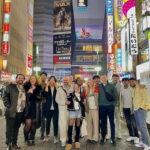
Shibuya and Shinjuku show a different side of Tokyo. You might visit iconic city sights, then step into less obvious streets or calmer areas. One guide, Himena, took a group through varied parts of both neighborhoods, mixing temples and well-known buildings with quieter stops. Shinjuku’s Tokyo Metropolitan Government Building has also featured as a city-view stop.
These districts are large and varied, so it helps to explain what interests you. If you want shopping, say so. If you are more curious about modern city life, architecture, or favorite local bars and karaoke, mention that too. The tour is at its best when the guide can connect the famous sights with the particular Tokyo you came to see.
Akihabara can suit visitors interested in electronics, games, or popular culture. A guide can give context to the area and help you understand its place in modern Tokyo. Pairing it with Asakusa, as one solo visitor did, gives you a sharp contrast between contemporary interests and older temple districts. Keep in mind that crossing between areas takes time, even with trains.
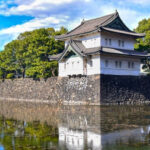
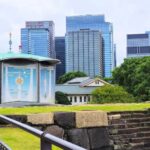
Other routes have included the Imperial Palace Gardens and Marunouchi, where you can balance green space and historic surroundings with the business district’s modern streets. Odaiba Marina offers a calmer change of pace, while the fish market area can add a food-focused stop. Some guides have also helped with dietary needs, including finding food for a visitor with celiac disease. Tell your guide about restrictions in advance, but do not treat that help as a substitute for checking ingredients yourself.
A private format gives you room to ask questions and change course without holding up a large group. You can stop for a break, take more time at a temple, or shift the plan if a particular area catches your interest. That can make the outing a good fit for families, couples, solo visitors, or groups with different ages and energy levels.
The guide’s role is broader than explaining landmarks. Guides have helped families build in breaks, visitors with mobility concerns manage the route, and first-time visitors learn the basics of public transport. Some have assisted with train tickets, attraction bookings, ordering meals, or taking photos. The exact help depends on your guide and the plan, so spell out what would make the day easier when you discuss the itinerary.
Names that come up often in connection with strong outings include Francine, Karl, Enrique, Albert, Cristiano, and Shaban. Visitors have valued guides who are friendly, flexible, and able to explain Japanese culture alongside the practical details of city life. You can ask about a particular guide, but a specific person is not guaranteed unless the booking provider confirms it.
English, French, Italian, Japanese, Spanish, and Portuguese are listed as tour languages. Choose the language that suits your group, and make sure your needs are clear before the day. A good conversation with your guide beforehand helps turn a general city walk into a useful, personal introduction.
This is a walking tour, but it may include public transport to cover more ground. That is a sensible way to experience Tokyo: you get time on foot in individual neighborhoods without spending the whole day walking between districts. Guides can show you how to use the rail system while taking you to places you would have trouble linking efficiently on your own.
Still, do not underestimate the physical side. One eight-hour outing reached 23,000 steps, a reminder that a full day can be strenuous even with train rides. If you have mobility limits, want frequent rests, or are traveling with children, tell your guide before the tour. The activity is listed as wheelchair accessible, but your route and specific access needs are worth discussing in advance.
The duration ranges from two to eight hours. Two hours is best treated as a focused introduction, perhaps to one area or a few nearby sights. In four hours, you may be able to connect several stops, depending on distances and how long you spend at each. A full-day booking gives you more room for multiple districts and breaks, but it still cannot cover all of Tokyo.
Your hotel can be the pickup point if it is in Tokyo. If it is outside the city center, the meeting point will be a convenient location in the center. The tour may finish somewhere different from where it began unless you request otherwise in advance. That can be useful if you want to continue exploring nearby, but confirm the ending point if you need to return to your hotel.
More Great Tours NearbyThe stated starting price is $53 per person, with the final cost depending on the option and booking details. For a private tour, value depends on how much you use the customization: if you ask questions, learn the transit system, and get tailored suggestions for the rest of your stay, you are paying for more than a route between landmarks.
The price does not include food, drinks, or tickets to attractions. Museum visits can be added if you arrange them in advance, but admission remains an extra cost. The guide can help your group book tickets for desired visits, which is useful when you want help planning, but it does not make the ticket itself part of the tour price.
Public transport is part of the walking-tour arrangement, although the activity details note that this can vary if you select a particular option. Check what is covered for the option you choose, and budget for any expenses not included. Also consider how many people are in your private group: a guide’s time and local expertise may feel like good value when shared among several people, while a solo visitor may value the tailored help most on a first visit.
If you prefer having a local expert, these guided Tokyo experiences could work well
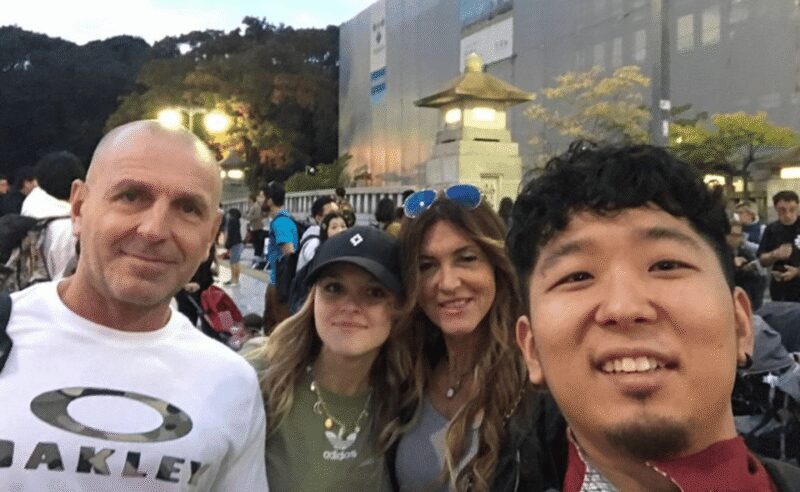
I would consider this tour particularly useful if Tokyo is new to you, if you are unsure about the train system, or if you want a local perspective rather than a fixed march through famous sights. It also suits families and small groups who need a pace and route that can change as the day unfolds.
It is less compelling if you already know Tokyo well, prefer exploring entirely on your own, or want admission to several major attractions included in one price. You can still use it to focus on a new neighborhood or learn more about local life, but you should be clear about what a walking tour can and cannot provide.
For the best result, send your guide a short wish list before the tour. Name your must-see places, your interests, your walking pace, and anything that affects the day, such as mobility needs or food restrictions. Leave some room for the guide’s suggestions. That balance is how you get both the Tokyo you planned to see and a few useful surprises.
“Fabian was very gentle, we we a Lot of Fun. Fabian Should me the Hilton, Sports and Tokio and Some really Nice Foodie Places. I can absolutely reco…”
You can choose a duration from two to eight hours. The available starting times depend on the date you select.
Yes. It is offered for a private group, so the route can be tailored to your group’s interests.
Yes. Your guide will contact you beforehand to discuss your preferences, and the itinerary can be adjusted during the tour.
The listed languages are English, French, Italian, Japanese, Spanish, and Portuguese.
Pickup is included if your accommodation is in Tokyo. If your hotel is outside the city center, a convenient central meeting point will be selected.
Not necessarily. The tour may end at a different location unless you request otherwise in advance.
No. Tickets to attractions are not included. Your guide can help your group book tickets for desired visits.
No. Food and drinks are not included in the tour price.
You can ask to include a museum visit, but you should let the guide know in advance so the itinerary can be adjusted. Admission tickets are not included.
The activity is listed as wheelchair accessible. Contact the provider about your specific access needs and planned route before booking.
You can check availability for your dates here: