Physical Address
304 North Cardinal St.
Dorchester Center, MA 02124
Physical Address
304 North Cardinal St.
Dorchester Center, MA 02124

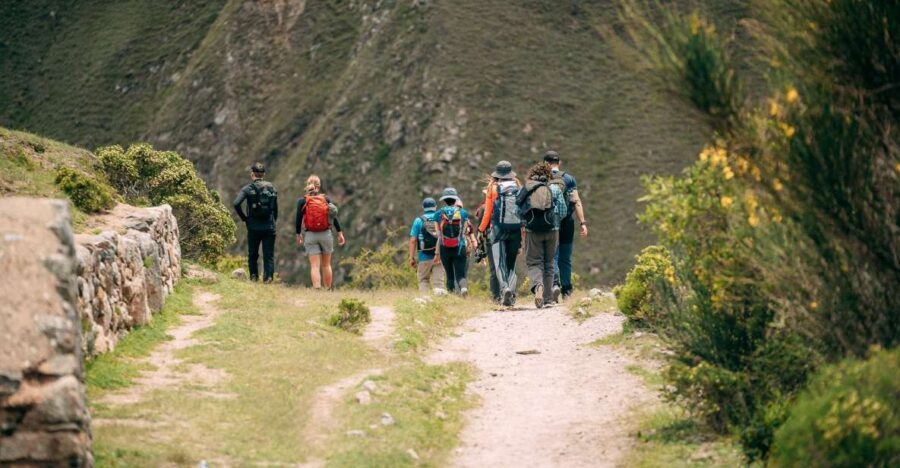
Hike the Inca Trail to Machu Picchu over four days with local guides, camp meals, porter support, and a scenic Vistadome train ride.
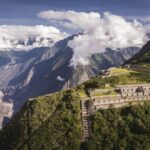
Machu Picchu is most rewarding when you arrive on foot. After three days on the Inca Trail, you reach the Sun Gate at dawn, then see the citadel on footpaths used by the ancient road network. I like that this trip includes both the trail and a guided visit to Machu Picchu, plus a Vistadome train ride back toward Cusco.
I also like the practical comfort built into a remote trek: cooks prepare fresh meals, porters carry camping gear and your personal duffle, and the tents are shared by two people. Guides such as Abelardo, Edy, Pepe, Gary, and Monica have led past groups, though your guide will depend on your departure.
The trade-off is real: Day 2 is strenuous, the route reaches high altitude, and the campsite toilet setup is basic. You need moderate fitness, and the non-refundable booking means you should be confident about your dates and health before paying.
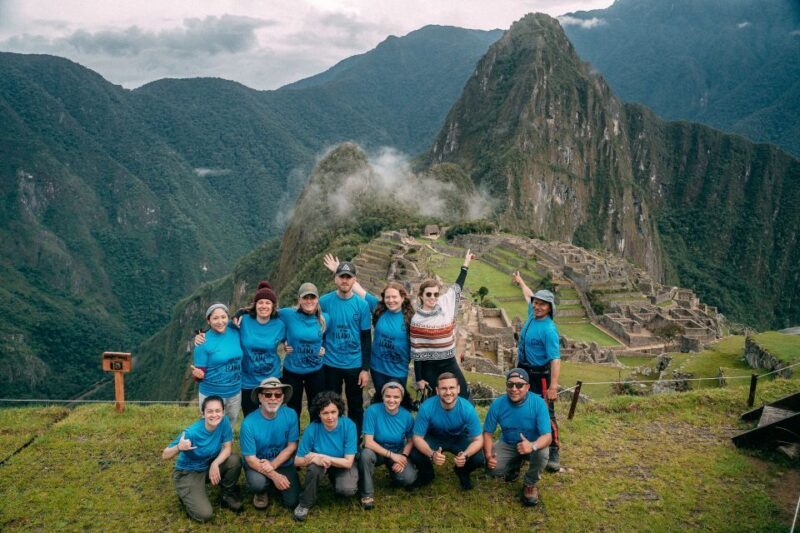
The classic Inca Trail is not just a long walk to a famous ruin. The route strings together stone paths, mountain passes, cloud forest, and archaeological sites, so Machu Picchu is the final chapter rather than the whole story. You spend three nights at campsites, with guides explaining the sites and the surrounding natural setting as you go.
TreXperience includes transport, trail and Machu Picchu entrance tickets, meals, porters, camping equipment, and the final train. At $779 per person, the price is substantial, but it covers many of the costly and labor-intensive parts of a guided trek. You are not hauling your tent and kitchen yourself, and the food and logistics are built into the trip.
The main question is less about whether the package is convenient and more about whether you want a challenging hike. This is a four-day trek, not a sightseeing tour with a few short walks. You should be comfortable walking for extended periods and tackling steep trails at altitude.
You can check availability for your dates here: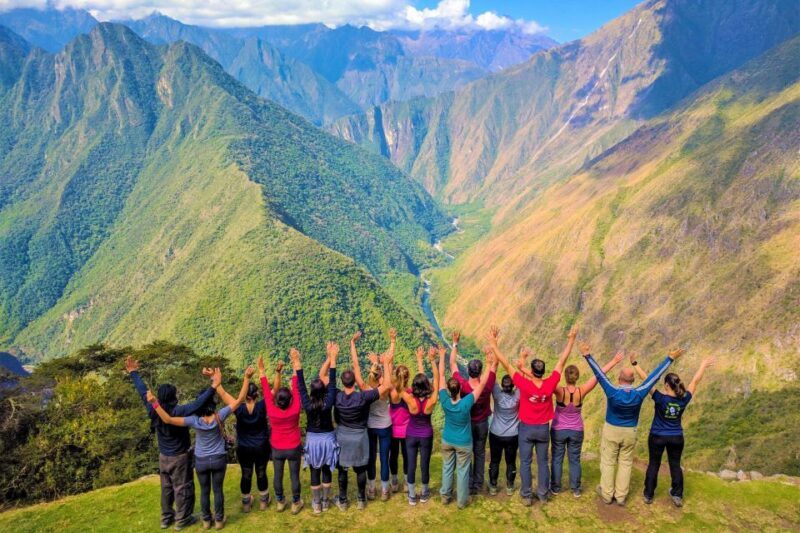
Pickup is available from Cusco, Urubamba, or Ollantaytambo. If you are staying in Cusco, the stated pickup time is 4:30 a.m.; Sacred Valley pickups are around 6:00 a.m. The early start is part of the deal, but it gets you to the trailhead for a full first day.
The group travels by van, with breakfast in Ollantaytambo before continuing to Km 82. This is where the hike begins. The route passes villages and the archaeological sites of Llactapata and Huillca Raccay, with Patallacta appearing along the way as a photo stop with scenic views. These first ruins are a useful introduction to the Inca sites you will encounter throughout the trail.
You finish at Ayapata campsite, where your tent is set up and dinner is served. The camp crew carries the tents and gear ahead, so you can focus on walking with your day pack. Your personal items for the trek go in a provided 7 kg duffle, which the porters carry; keep essentials you need during the day with you.
Outdoor enthusiasts can explore more Cusco trails with these hiking options
The second day is the test. After breakfast, you hike over Dead Woman’s Pass and Runkuraqay Pass, with the route reaching more than 4,200 meters according to the trail information. At that altitude, a steady pace matters more than speed. Take your time, drink water, and tell your guide if you feel unwell.
The climb and descent are followed by visits to Runkuraqay and Sayacmarca, two Inca sites that give the day more purpose than simply crossing a pass. Your guide can connect the remains to the route and the region’s history. Reviewers repeatedly praise guides for explaining the Inca sites, local plants, and the trail’s cultural context, and for encouraging people when the climb feels long.
You camp at Chaquicocha. There is dinner, a chance to rest, and, if the sky cooperates, a chance to look at the stars. This is also the day when you will appreciate the porters most. They move camp supplies over the same steep terrain, then have the tents and dining setup ready when the group arrives.
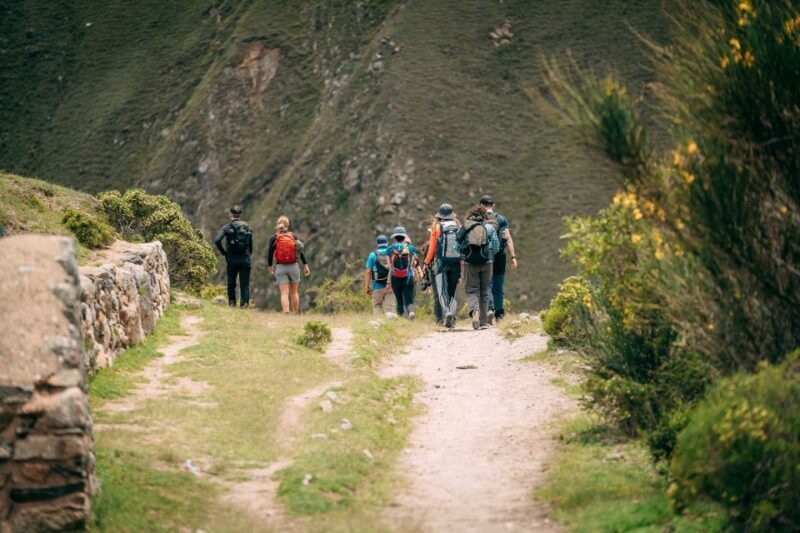
The third day brings a change in scenery and, for many people, a welcome break from the hardest climb. The trail crosses different ecological zones, with views, plants, and wildlife to watch for. The exact sightings depend on conditions, so treat this as a day to look closely rather than expect a particular animal or flower.
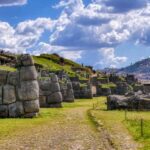
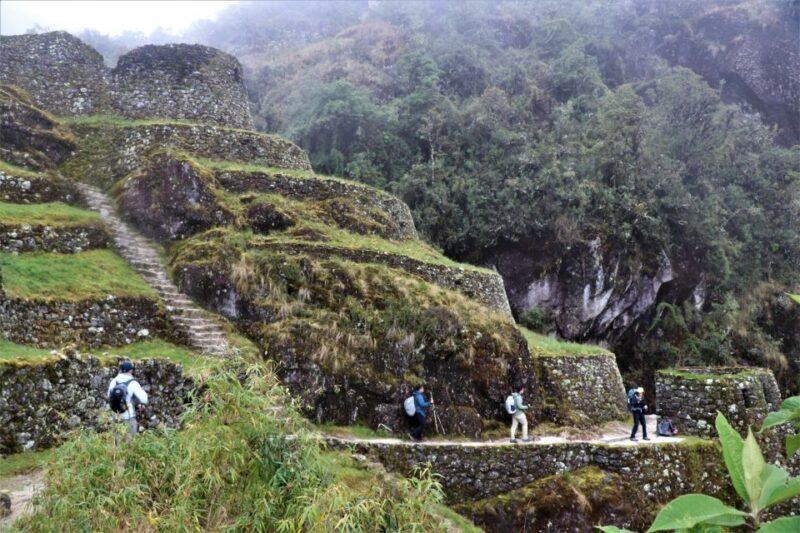
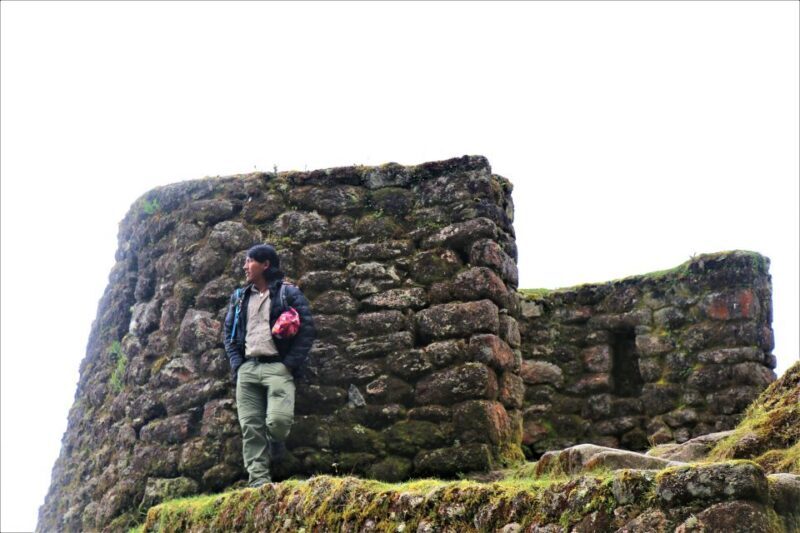
You visit Phuyupatamarca, Intipata, and Wiñaywayna. Each site adds another layer to the journey, and the terraces at Intipata are especially striking from the trail. Wiñaywayna is another important stop before the final approach to Machu Picchu. Having an expert local guide makes these pauses more meaningful: you can ask questions and take time to understand what you are seeing, rather than pass through with a camera and no context.
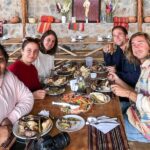
The group returns to camp for lunch and a farewell dinner. You have now spent three nights in camp, with meals prepared by the cook and gear handled by the porter team. Food is one of the trip’s strongest practical comforts. People have praised the variety and quality, and dietary options include vegetarian, vegan, and gluten-free meals. Make your requirements known when booking.
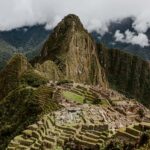
The last morning starts before dawn. You hike to the Sun Gate, the first viewpoint of Machu Picchu on this route. The arrival is a reward for the effort, but the weather can shape the view. One group arrived to blue skies after rain earlier in the trek; pack rain gear and be ready for changing conditions rather than counting on a clear sunrise.
From the Sun Gate, the plan follows Circuit 1’s upper path for views and photographs, then continues to the main entrance. A guided visit on Circuit 3 takes you through more of the site. The circuits give the visit a defined route, so you should not expect unrestricted access to every area of Machu Picchu. Your guide helps make the time on site more than a photo stop.
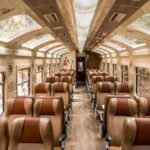
A bus takes you down to Aguas Calientes, where you have free time. Lunch on this final day is not included, so budget for it. Later, you board the Vistadome Panoramic train at Ollantaytambo and continue by van to Cusco or another listed drop-off in Urubamba or Ollantaytambo. The return combines rail and road travel, and you should expect to reach your hotel in the evening.
More Great Tours Nearby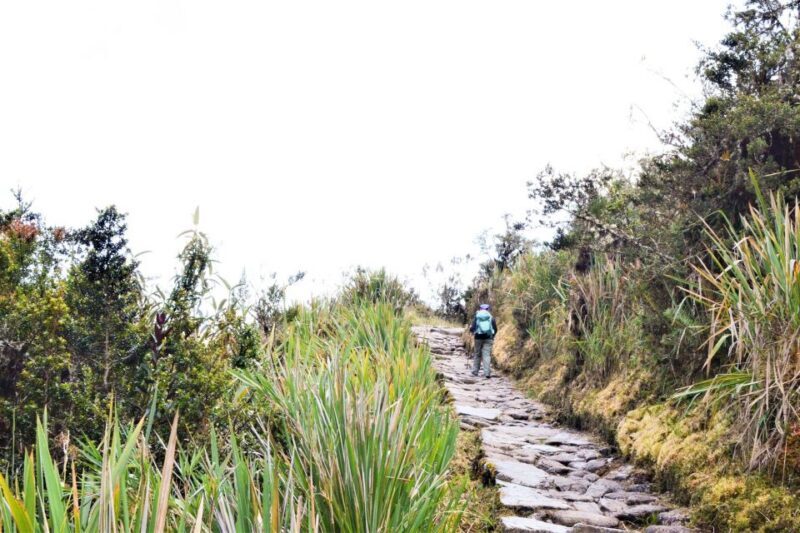
At $779, the package covers the trail and Machu Picchu entrance tickets, a bilingual professional guide, transport, three nights of camping, and four breakfasts, three lunches, and three dinners. It also includes daily snacks, purified drinking water, a bus from Machu Picchu to Aguas Calientes, and the Vistadome train ticket. Taxes and booking fees are included.
The camping setup is more comfortable than carrying your own full backpacking kit. Eureka four-person tents are shared by two people, with dining and toilet arrangements and private portable toilets. The trip supplies a sleeping pad, pillow, rain poncho, hand towels, and an Inca Trail T-shirt. Porters carry camping equipment and up to 7 kg of your personal belongings.
You still need to plan for a few extras. A sleeping bag, air mattress, and trekking poles are not included, though they are available to rent. Bring money for the final-day lunch, and consider travel insurance, which is also excluded. Huayna Picchu is not included and requires a separate ticket that should be booked in advance if you want to add it.
The tents and food make a difference, but do not mistake a well-supported trek for a luxury hotel stay. Campsite facilities are basic. One past trekker noted that toilets were very basic and that there were no showers until the third night, when the shower was cold. If a few days without comfortable washing facilities would spoil the trip for you, consider this before booking.
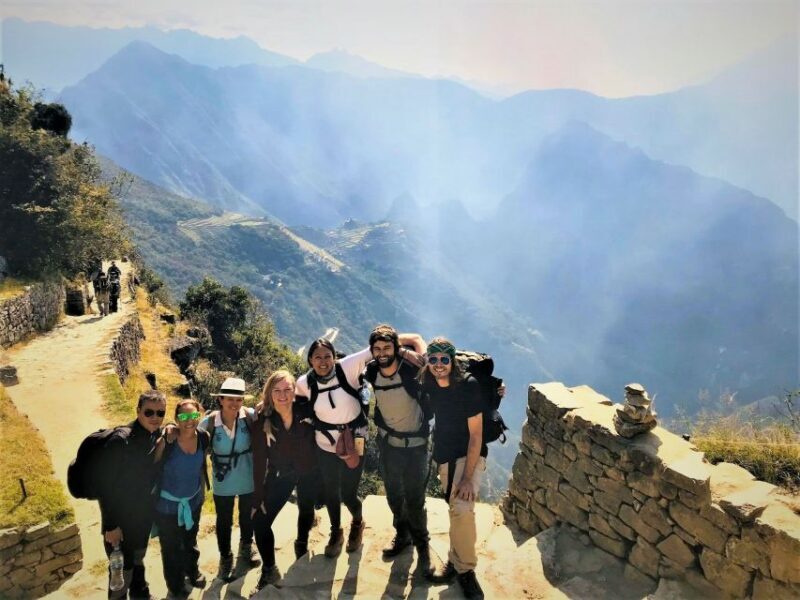
The guide, cooks, and porters shape the experience. TreXperience runs groups of up to 16, and past participants have named guides including Abelardo, Edy, Pepe, Gary, Monica, and Juan de Dios. Those names are examples from previous departures, not a promise about who will lead yours. The recurring strengths described are clear historical explanations, steady encouragement on the harder sections, and attentive help when someone feels unwell or struggles with the route.
The cooks also earn their place in the camp. Meals are repeatedly described as generous and carefully prepared, including for vegan and gluten-free diets. It is a welcome surprise after a day of hiking, when a hot meal matters more than fancy presentation. The porters handle the equipment and camp setup, often arriving ahead of the group to prepare the next stop.
There is also an important human detail to consider. The trip says it supports a project that empowers women and promotes gender equality, but it does not provide details about how that support works. Separately, one past participant raised concerns about tipping expectations and the number of staff supporting a small group. Ask the operator before departure how tipping works, how many staff are on your trek, and what amount is customary. It is fair to want the people doing the work to be paid well, and useful to know the likely cost before you are standing at camp with a group.
This is a strong choice if you want the walk itself to be part of your Machu Picchu visit. You get several days of Inca sites and mountain scenery, an expert guide, prepared meals, and porters to carry camping equipment. The small-group format also gives you room to ask questions and get help without being one face in a large crowd.
It suits hikers with moderate fitness who can manage long days, high altitude, and steep uphill and downhill sections. It is not suitable for pregnant people, wheelchair users, or people with mobility impairments, heart problems, or back problems. Give yourself time to adjust to altitude before the trek; one past participant recommended spending several days acclimatizing in Cusco.
Pack a passport, hiking shoes, sun protection, rain gear, insect repellent, toiletries, cash, weather-appropriate clothing, and a flashlight. A student card may also be useful. The tour requires passport details at booking, including your passport name, number, expiry date, and country. Confirmation is subject to availability and manual confirmation by the company, and the activity is non-refundable, so check your plans and health carefully before booking.
Book this if you want to earn your first view of Machu Picchu through a demanding but well-supported trek, and if fresh meals, porters, local guides, and a comfortable train return are worth paying for. The strongest reasons are the route’s variety, the detailed guiding, and the care given to camp logistics.
Skip it if you want a gentle visit, need reliable showers, or prefer to avoid high-altitude exertion. And before you commit, get clear answers about rental gear and tipping. With those points settled, this is a compelling way to see much more than the citadel.
“It was a really nice activity loved the treck and most importantly the energy of David and Julio was very appreciated and helped a lot for the very…”
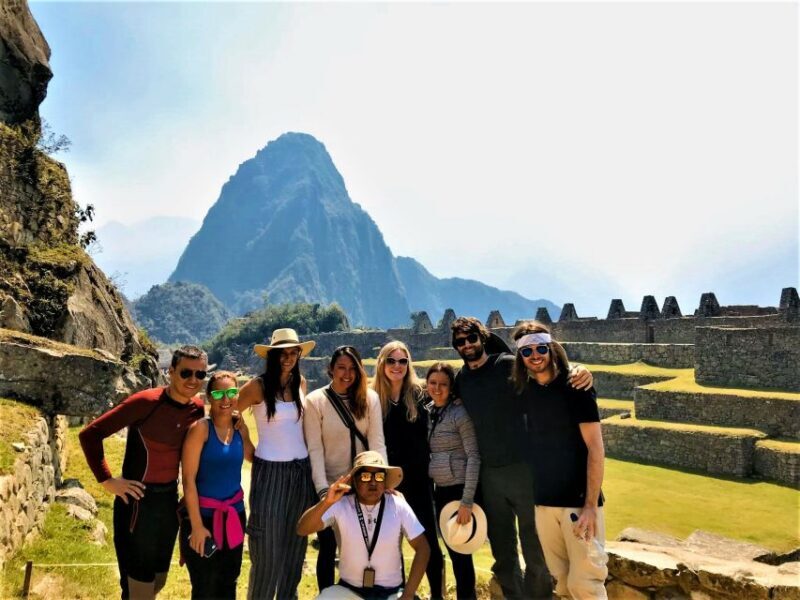
The trek lasts four days and includes three nights at campsites.
Pickup and drop-off options include Cusco, Urubamba, and Ollantaytambo. Pickup is from accommodation in Cusco’s Historical Center or in the Sacred Valley towns of Urubamba and Ollantaytambo.
The trail calls for at least a moderate level of fitness. Day 2 includes Dead Woman’s Pass and Runkuraqay Pass, and the route reaches more than 4,200 meters.
The price includes four breakfasts, three lunches, and three dinners, along with daily snacks and purified drinking water. Lunch after the Machu Picchu visit on the final day is not included.
The tour provides shared tents, a sleeping pad, pillow, rain poncho, hand towels, and a personal 7 kg duffle bag. Sleeping bags, air mattresses, and trekking poles are not included, but can be rented.
No. The Huayna Picchu Mountain ticket is not included and is subject to advance booking.
You can check availability for your dates here: