Physical Address
304 North Cardinal St.
Dorchester Center, MA 02124
Physical Address
304 North Cardinal St.
Dorchester Center, MA 02124

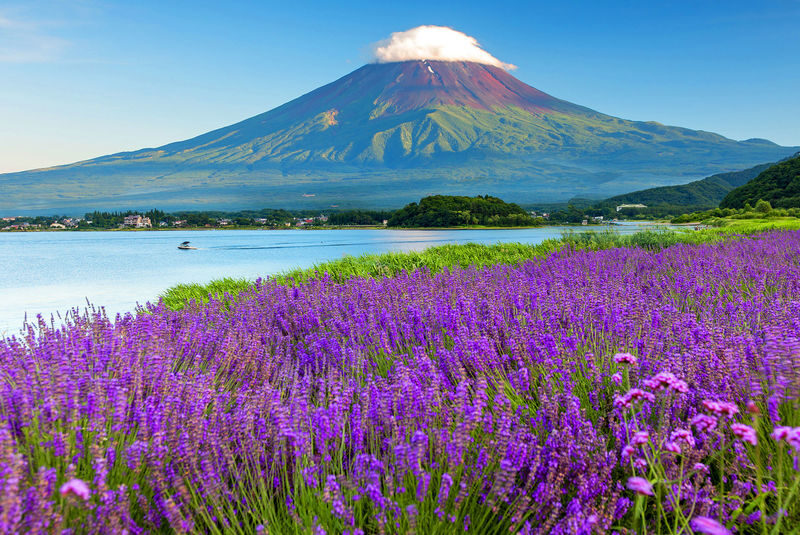
See Fuji from classic viewpoints, lakes, a shrine, and spring ponds on a budget-friendly Tokyo day trip, with an English or Chinese-speaking guide.
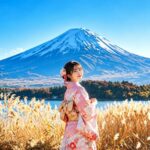
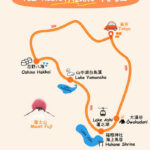
Mount Fuji is the star, but this day is really a sampler of its surrounding towns, lakes, shrines, and photo spots. You travel by bus from Tokyo, with stops at Arakurayama Sengen Park, Lake Kawaguchi, and Oshino Hakkai, among others. The reward is a string of classic views without the work of arranging local transport yourself.
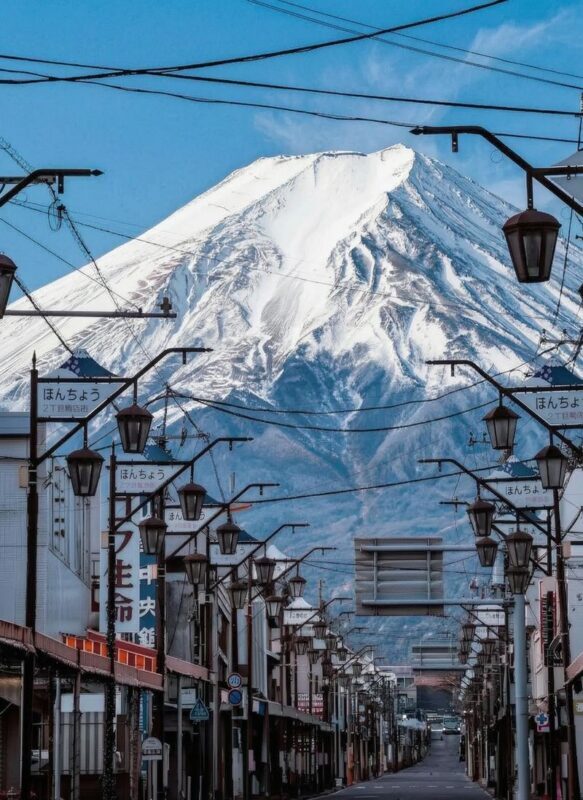
I like the contrast between Chureito Pagoda’s grand Fuji view and the everyday streets around Hikawa Clock Shop. I also like having a guide and bus for a route with several stops; guides such as Taiyo, Eric, and Kevin Liu have helped with directions, explanations, and group photos.
The main catch is that this is a weather-dependent, traffic-sensitive day. Fuji can disappear behind cloud, and weekend or holiday congestion may cut stops short or take Lake Yamanaka off the schedule.
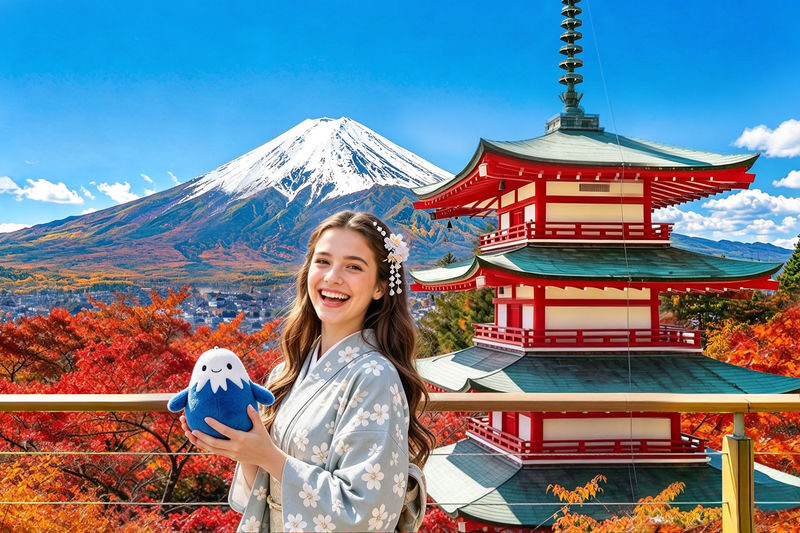
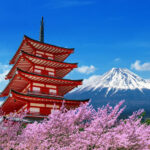
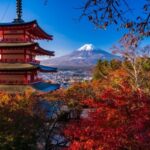
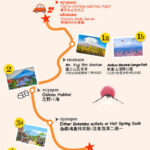
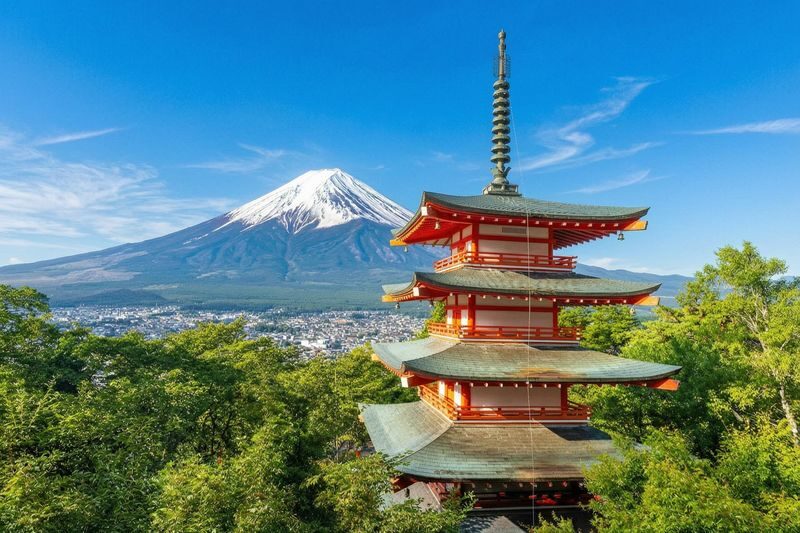
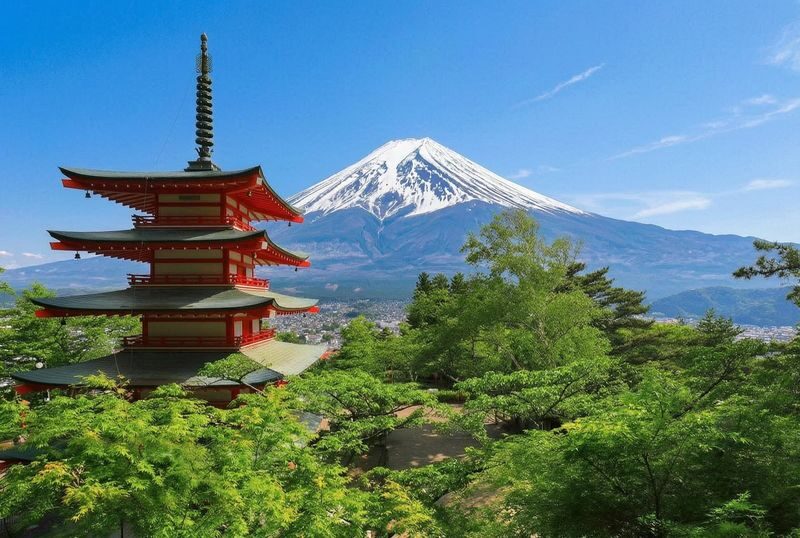
The day begins at 8:00 AM with a ride out of Tokyo. The first major stop is Arakurayama Sengen Park, where the five-story Chureito Pagoda and Mount Fuji make the scene many people picture when they think of Japan. It is a strong opening: you get the famous composition, but you also see how much the view depends on weather. Clouds can hide Fuji’s upper slopes, even when the park itself is clear.
You have about an hour here, on your own. That gives you time to reach the viewpoint and take photos, but the climb involves steps, so wear shoes you can comfortably walk in. The park and shrine area are connected, but the schedule gives the shrine a separate, short visit. If you want a quiet moment at the shrine, keep an eye on the clock.
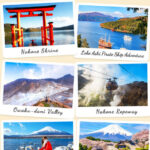
Arakura Fuji Sengen Shrine is described as founded in 705 AD. It is a place of worship, not just a backdrop: its torii gates and stone steps lead into a setting where people pray for family happiness and peace. The shrine’s story is also tied to a major Mount Fuji eruption in 807, after which a ceremony was held to pray for calm. You have about 10 minutes here, so think of this as a brief introduction rather than a long visit.
You might also be interested in these Fujiyoshida experiences
Next comes Hikawa Clock Shop, in the area promoted as Fujiyoshida’s Ladder Town. The appeal is the street itself: retro shopfronts and a view down the road toward Mount Fuji. It offers a different kind of photograph from the pagoda, one that sets the mountain against an ordinary working town.
The stop is only about 15 minutes. That is enough for a quick look and a few photos, not a leisurely wander through the neighborhood. One itinerary note says a stop may be missed when conditions or timing require changes, so treat it as a welcome extra rather than the day’s centerpiece.
Lunch is listed as a 30-minute stop, and food is not included. The tour’s guidance warns that restaurants in the Fuji area can be busy, with waits that eat into sightseeing time. Some groups have had orders taken early so lunch is ready on arrival, but that arrangement may not be available every day.
If you want more control, bring a meal or ask your guide whether a restaurant can be arranged. Keep in mind that eating on the vehicle is prohibited under Japanese law. A 30-minute lunch can also feel early or rushed, depending on the route, so avoid counting on a relaxed sit-down meal.
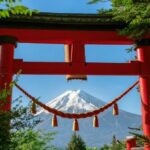
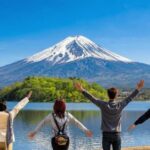
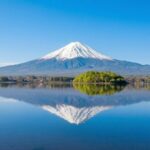
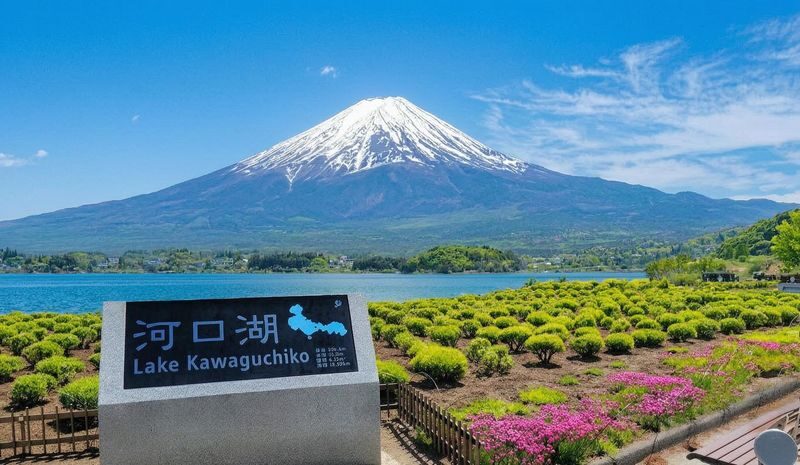
Lake Kawaguchi is one of the Fuji Five Lakes and a key stop for views across water toward the mountain. The schedule allows about 30 minutes at the lake, followed by 10 minutes at the Kawaguchiko Natural Living Center. On the center’s second floor, you may find a viewpoint that frames a red torii gate with Mount Fuji.
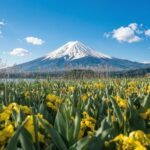
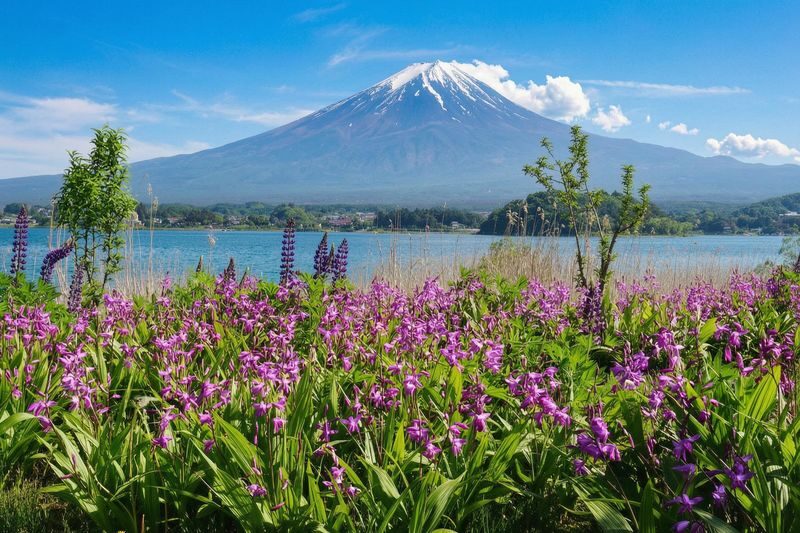
The short timing is the trade-off. You can take in the shore and make a few photographs, but this is not a long lakeside walk. Oishi Park is included among the places associated with this tour, with flowers that change through the seasons. Yet it is not listed as a separate timed stop in the detailed schedule, so check the day’s plan rather than assuming you will have a dedicated visit there.
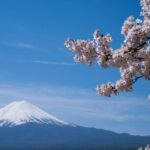
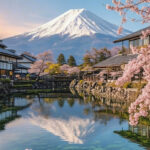
The seasonal color can be a lovely counterpoint to the mountain, but spring blossoms are not guaranteed. Flower displays vary by season, and clear views of Fuji depend on the weather. If cherry blossoms are the main reason you are booking, remember that the tour’s name or seasonal promotion cannot control bloom timing or visibility.
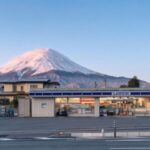
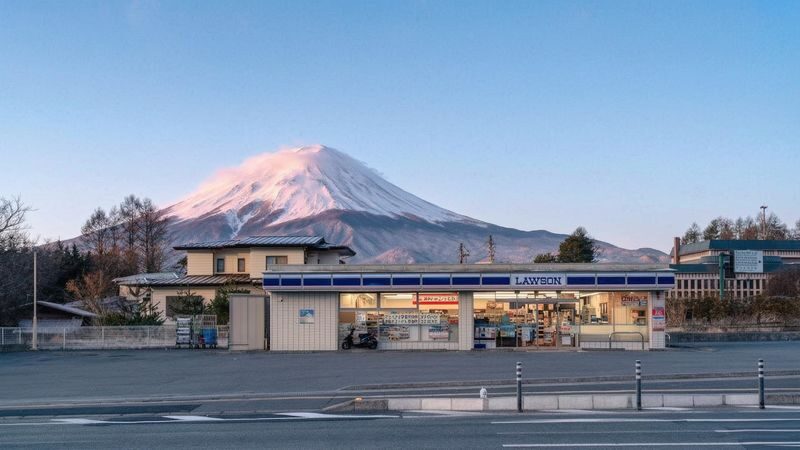
The Lawson Fujikawaguchiko Town Hall stop is about 10 minutes. The store’s blue-and-white sign, with Mount Fuji in the background, has become a popular photo subject. It is an amusing clash of the everyday and the iconic: a convenience store becomes a postcard because the mountain happens to rise behind it.
This is a quick photo break, not a major cultural stop. Some people may find it fun; others may prefer more time at a lake or shrine. The limited schedule means you will likely need to decide quickly whether to take the picture, buy a snack, or simply enjoy the view.
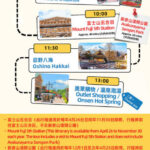
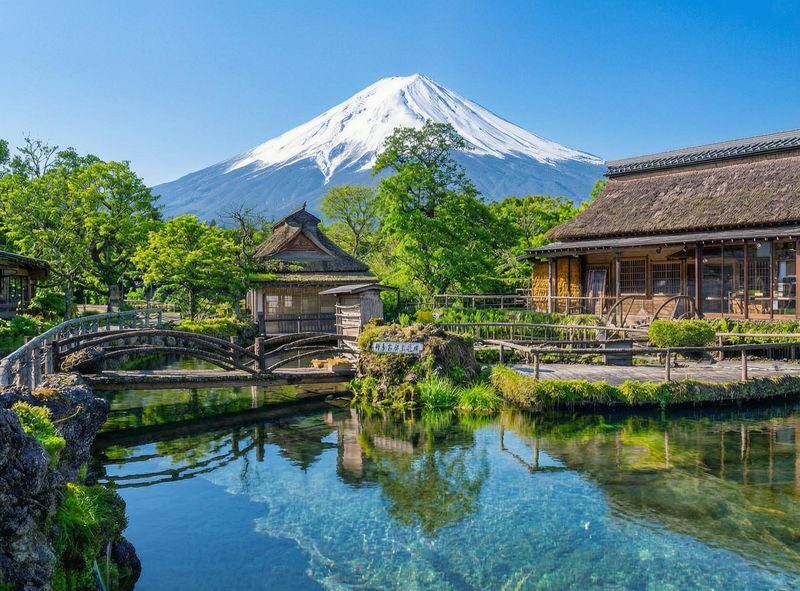
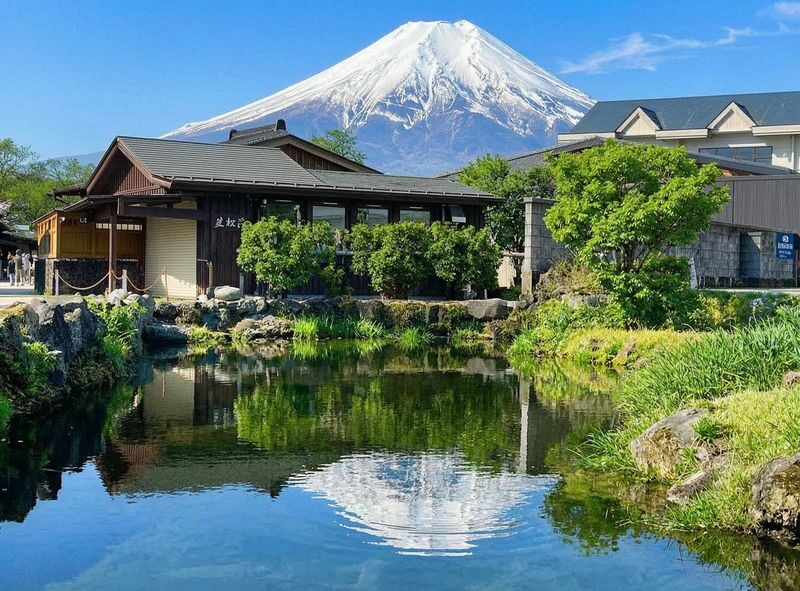
Oshino Hakkai gets about an hour, making it one of the longer stops. Its spring ponds are fed by water that has passed through Mount Fuji’s volcanic ground, originating from melted snow. The water’s clarity is the point: look into the pools, then take time to notice the small village setting around them.
The springs are recognized among Japan’s famous waters, and local legend says drinking them can prolong life. Treat that as folklore, not a health claim. Admission to the Oshino Hakkai Observation Deck is not included, and the schedule does not specify its cost. You can still enjoy the area’s ponds without assuming the deck is part of the package.
This is a good stop for anyone who wants more than a mountain photo. It gives you a closer look at the water and villages shaped by Fuji’s presence. Still, an hour can pass quickly, especially if you want to explore at an unhurried pace or buy food and souvenirs.
Lake Yamanaka is listed as a 15-minute stop, with views of Fuji and a chance to see swans. But there is an explicit warning that the tour may skip it on weekends and Japanese holidays because of road congestion. The route may also be adjusted for weather and traffic, so consider the lake a possibility rather than a promise.
That flexibility is sensible on a busy day, but it matters if this particular lake is high on your list. Ask the guide about the current plan, and do not build your expectations around a stop that may be removed to keep the rest of the day moving.
This is a bus-based day trip lasting about 9.5 hours in its basic description, with an 8:00 AM departure and a planned return around 5:30 PM. In practice, the return to Tokyo can fall anywhere from about 5:30 PM to 8:00 PM, depending on road conditions. Traffic is a real consideration on weekends and holidays, and it can mean less time at stops or a changed route.
You spend much of the day getting between places, then have short windows to explore. That is the bargain: several Fuji-area sights in one outing, without organizing buses and trains yourself. It is less suited to anyone who wants a long hike, a slow lunch, or hours beside one lake.
The tour includes an English- or Chinese-speaking guide, round-trip transport from the meeting point, tolls, parking, and fuel. Meals, drinks, personal expenses, and the Oshino Hakkai Observation Deck admission are extra. The detailed information gives Daishi Park as an address, while the return point is JR Tokyo Station; confirm the exact departure location in the message sent before the trip.
The guide can make a big difference to a full day in a group. Guides named in accounts of the trip include Taiyo, Eric, Kevin Liu, Yuan, and others. Visitors have especially valued guides who keep instructions clear, help with photos, and offer tips without filling every quiet stretch with talk. A few people have also raised concerns about language or communication changes, so confirm that the guide language you booked is the one assigned.
At a starting price of $49.29, this is a low-cost way to reach several places around Mount Fuji in a single day. A private vehicle or a string of separate transport bookings would require more planning and could cost more, though the exact comparison depends on your group and travel dates. Here, transport and guide service are bundled, and the listed road costs are covered.
The value is strongest if you want a broad overview and are happy with quick stops. It is weaker if you expect a leisurely visit at every location, a guaranteed Fuji view, or a fixed itinerary regardless of conditions. You will also need to budget separately for food and any personal purchases.
The provider has a high overall good-review rate, and the most consistently praised parts of the experience are guide service and the range of sights. That does not remove the two big uncertainties: Fuji’s cloud cover and traffic. The views can be spectacular on a clear day, but no day tour can promise an unobstructed mountain.
I would choose this tour if I had one free day in Tokyo, wanted to see several classic Fuji-area stops, and valued a guide and direct transport over setting up the route myself. It can also suit families and first-time visitors who prefer a planned day, though the stops are brief and the bus ride is long enough to consider when traveling with young children.
I would look for a slower or more focused option if you want to spend substantial time at Lake Kawaguchi, make a long shrine visit, or see Lake Yamanaka at all costs. This outing is best understood as a scenic sampler, not a deep visit to every stop.
Book it for the variety and the chance of a classic Fuji view, not for certainty. Check the forecast, keep your schedule flexible for the return, and bring a plan for lunch. If the weather clears, the combination of pagoda, lakes, old-town streets, and spring water can make a fine day out. If clouds settle over the mountain, you still have several places to see, but the main event may be out of sight.
“The best guide! The experience with Eric was a 10/10. Very professional, punctual, and friendly. He made the tour enjoyable and entertaining for ev…”
The tour is described as lasting about 9.5 hours, with departure at 8:00 AM and a planned return around 5:30 PM. Traffic can delay arrival in Tokyo until as late as 8:00 PM.
The price includes round-trip transfers from the meeting point, an English- or Chinese-speaking guide, toll fees, parking fees, and fuel. Meals, drinks, personal expenses, and admission to the Oshino Hakkai Observation Deck are not included.
No. Weather can obscure the mountain, including its summit. The route may also change because of weather and traffic.
No. The schedule lists a 15-minute stop, but the tour may skip Lake Yamanaka on weekends and Japanese holidays because of congestion.
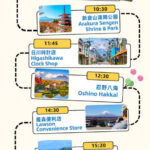
The schedule gives about one hour at Arakurayama Sengen Park, 30 minutes at Lake Kawaguchi, one hour at Oshino Hakkai, and shorter visits of 10 to 15 minutes at several other stops. Times and stop order may change.
No. Meals and drinks are not included. The planned lunch break is about 30 minutes, and you can bring your own lunch or ask the guide about restaurant arrangements.
The package options are an English-speaking guide or a Chinese-speaking guide. Check the pre-trip message for guide details and confirm your selected language.
The information gives Daishi Park as the address and says to arrive 15 minutes before departure. Confirm the exact meeting point in the guide information sent before the trip.
The stated allowance is two pieces of standard-sized luggage. Infants and children must be included in the passenger headcount, and you should note luggage or children under three when placing your order.