Physical Address
304 North Cardinal St.
Dorchester Center, MA 02124
Physical Address
304 North Cardinal St.
Dorchester Center, MA 02124

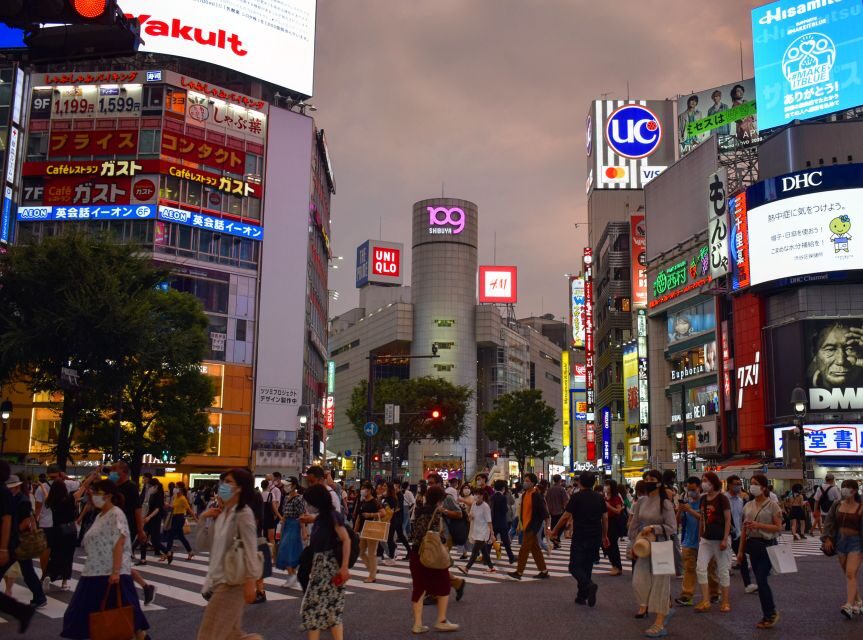
See Shibuya’s famous crossing, local drinking lanes and quieter corners on a 90-minute English walking tour for $19.
Shibuya’s famous crossing is best understood from both sides: down among the streams of people, then from a lookout where you can take in the whole scene. This 90-minute walk pairs that big Tokyo spectacle with a closer look at the streets, restaurants, bars, and quieter corners around it.
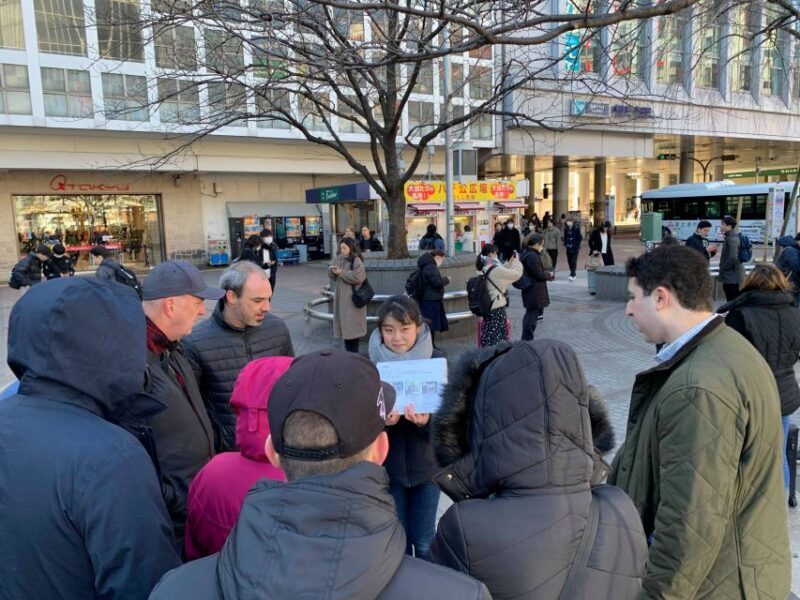
I like the small group, capped at six, which leaves room to ask questions and get personal recommendations. I also like that the tour leads you beyond the main crossing, with local history, station shortcuts, and places to pause for a better view.
One consideration: 90 minutes is a brisk introduction, not a full exploration. You’ll walk in rain or shine, and food, drinks, and transport are not included, so bring comfortable clothes and an umbrella or raincoat if the forecast calls for rain.
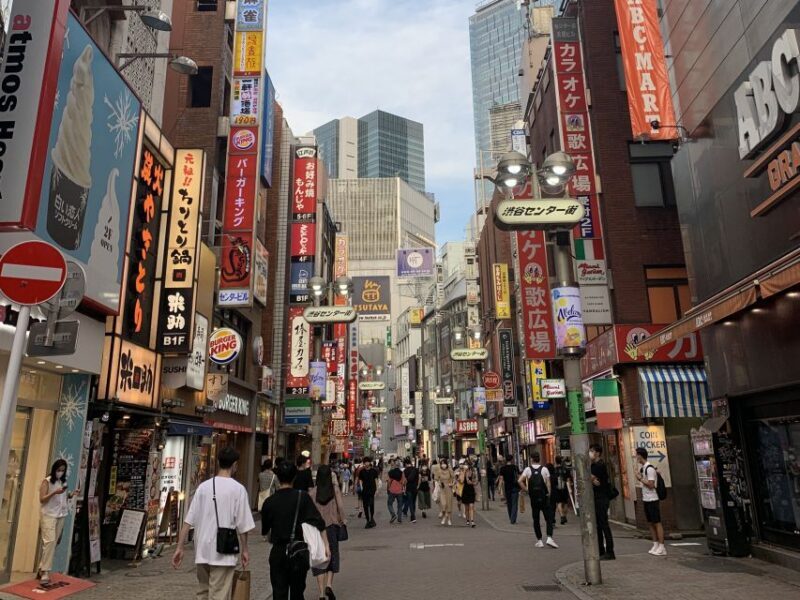
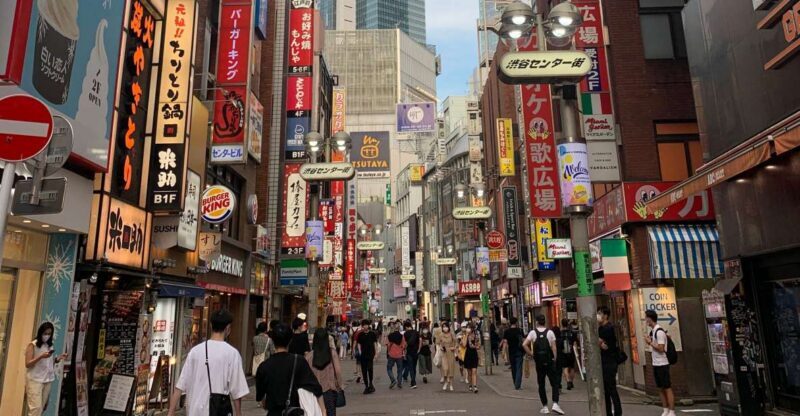
The meeting point is Shibu Hachi Box, the tourist information center in front of the Hachi statue. To get there, leave JR Shibuya Station through the Hachiko exit and look for the center by the statue. When you arrive, tell someone at the desk that you’re joining the tour.
This is a practical place to begin. The station and crossing can feel like a maze when you first arrive, and the statue gives you a clear landmark. Your guide starts with background on the area before taking you into the streets, so you get some context before the familiar Shibuya scenes unfold around you.
Be on time. The guide can wait only five minutes at the starting point, and latecomers cannot join partway through. If you run into trouble, contact JLB Tours as soon as possible. That short waiting window is worth taking seriously: station exits can be confusing, and a small group cannot easily pause while someone searches for the meeting spot.
If you enjoy exploring Tokyo on foot, these walking tours might also suit your style
The world-famous crossing is the obvious highlight, and rightly so. Walking across it puts you inside the moving crowd rather than looking down at it from a screen. The crossing is often called the busiest in the world, and the experience is less about counting people than noticing how many streams converge, then separate again.
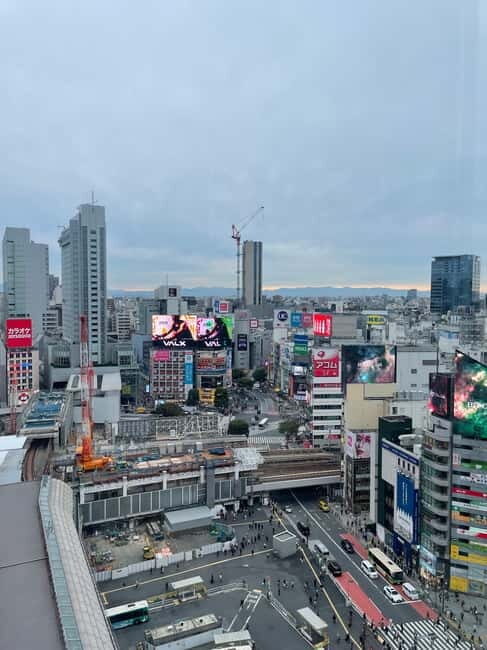
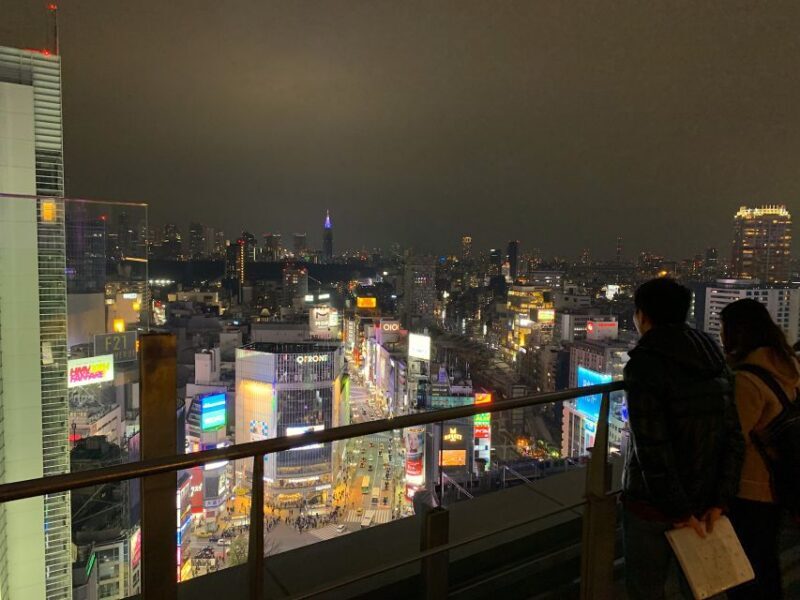
The tour adds a second perspective by taking you to a spot with a view over the crossing. That elevated look can help you make sense of the junction and the surrounding district, and gives you a chance to take photos without standing in the middle of the crowd. Several guides have also helped visitors find a less crowded place to photograph the scramble, a useful detail if you want the view but not a shoulder-to-shoulder photo stop.
The exact lookout is not specified in advance, so don’t book expecting one particular building or indoor observation deck. Think of it as a guide-led viewpoint within a walking tour, not a separate attraction with a guaranteed address. The value is knowing where to look and how to fit the crossing into a wider picture of Shibuya.
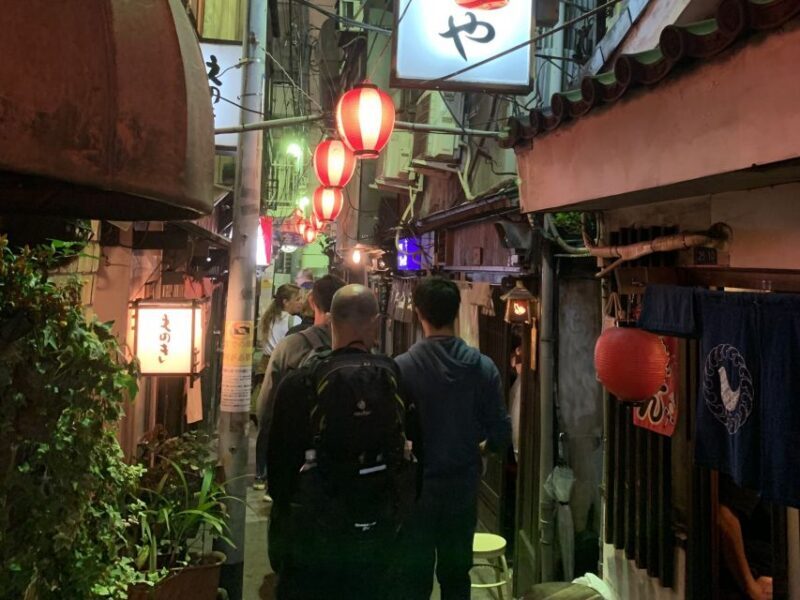
Shibuya’s main roads are only part of the story. The walk also passes restaurants and bars, including the sort of places that can be easy to miss when you’re focused on signs, crowds, and shopping. Guides have shared recommendations for ramen, lunch, and other local food stops, along with tips on popular stores and places to visit.
One area mentioned by past participants is Drunkards Alley, a lane associated with small bars and pubs. The route also makes use of station shortcuts, which can be helpful later when you return to the neighborhood on your own. These are practical details, not just color: in a district this busy, knowing which way to turn can save time and make an independent visit feel less overwhelming.
You won’t be stopping for a meal as part of the price. Food and drinks are extra, and the tour’s short format means it is better to treat restaurant recommendations as a planning aid than as a tasting tour. Write down the names of places that interest you, or take photos as you go. A past participant found that photos helped them locate stops again afterward, a sensible habit when several narrow streets start to look alike.
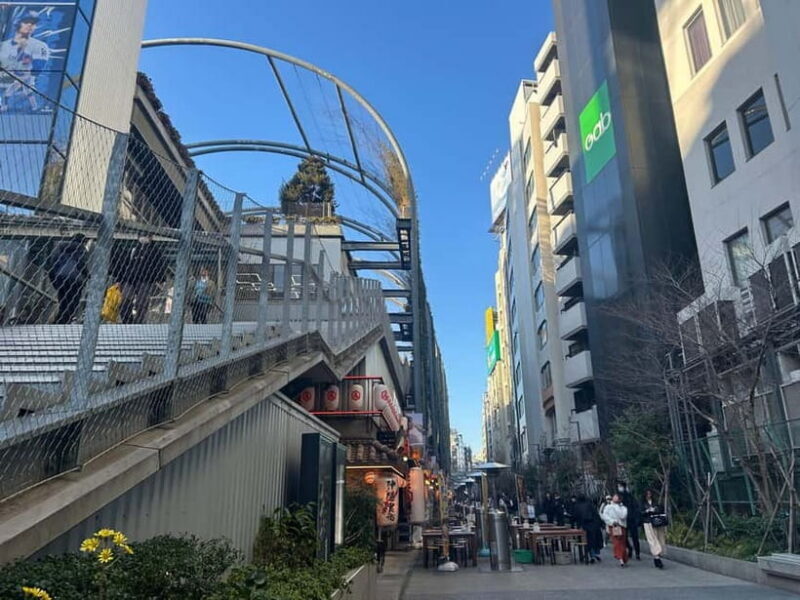
A good city walk needs a change of pace. After the bright, busy streets and the crush around the crossing, the guide leads the group away from the main hub to see another side of the district. The route includes quieter spots and lesser-known sights, though the precise stops can vary.
That contrast matters. If you only see the scramble and the largest commercial streets, Shibuya can seem like one long rush. A quieter stretch gives you time to notice the shape of the neighborhood and ask questions about what you’re seeing. Guides have also pointed out places where taking photos is inappropriate, a small but useful piece of local advice that can be hard to learn by guessing.
This is not a deep tour of every neighborhood or a long history walk. It is a sampler: a short route that connects the famous sight with local lanes and less obvious corners. If you want to spend hours browsing shops or settling into a bar, you’ll need to return on your own. The tour’s strength is helping you decide where to go next.
More Great Tours Nearby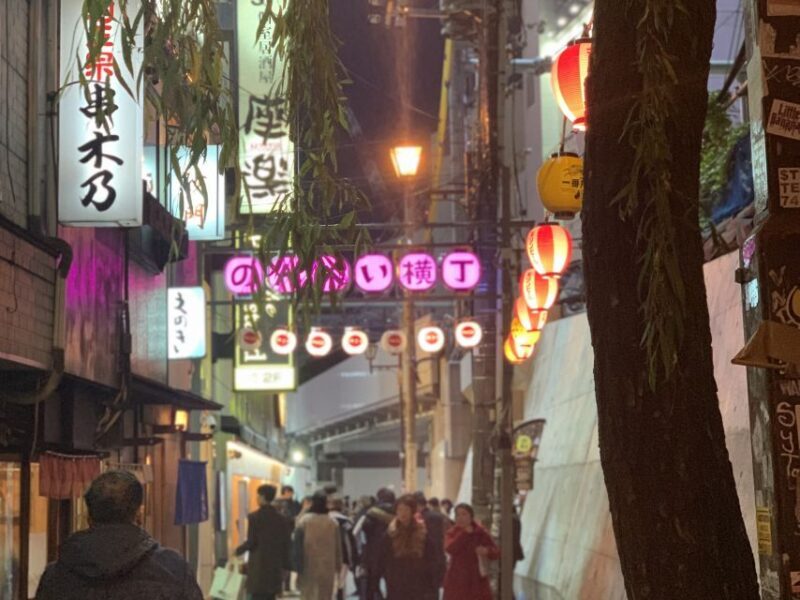
The route is only half the experience. A local guide can explain what you’re looking at, answer questions as you walk, and offer recommendations suited to your interests. Guides who have led this tour include Sakura, Hiroko, Fumino, Yoshi, Izumi, and Rick. Your guide will depend on the date, so don’t assume you can request a particular person.
The personal scale is a real advantage. With a maximum of six participants, conversation is easier than on a large group walk, where a guide may need to keep moving and repeat everything to the back. Some departures may have even fewer people, but a private tour is not promised. The format does, however, make it more likely that you can ask about a restaurant, a shortcut, or a custom you’re unsure of.
English-language communication is part of the experience, and guides have used an English picture book to help explain points along the way. That can make the walk clearer if you prefer visual cues alongside spoken information. The guide’s local perspective is especially useful for recommendations: you can leave with ideas for lunch, ramen, shops, and other places to return to after the tour.
At $19 per person, this is a modestly priced way to get oriented in one of Tokyo’s most famous districts. The fee covers the 90-minute walking tour and a local English-speaking guide. You are not paying for transport, food, drinks, or hotel pickup, so budget separately if you plan to eat or travel across town before or after the walk.
The strongest value is the combination of orientation and practical advice. A guide can link the crossing, the station, the bar streets, and quieter areas into a route you might not assemble on your first visit. You also get a viewpoint over the scramble and a chance to ask questions while the neighborhood is right in front of you.
It’s less compelling if you already know Shibuya well, prefer to explore entirely at your own pace, or want a long food-focused outing. The tour is short and covers a limited area. But if you’re new to Shibuya, $19 buys a useful head start: after the walk, you can return to a recommended restaurant or explore a street that caught your eye without starting from zero.
I’d put this tour near the start of a Tokyo stay, especially if Shibuya is on your list but you’re not sure where to begin. It gives you a practical overview before you spend a day shopping or choose a place to eat. It can also suit a short stop in the area when you want more than a quick crossing photo.
Families may find the compact format useful. One guide has kept children aged seven and ten engaged, though the experience is still a walking tour rather than a child-specific activity. The small group can make it easier to stay together and ask questions, but keep in mind that the route runs in all weather and includes city streets.
You can book with flexibility: reserve now and pay later, and cancel up to 24 hours in advance for a full refund. The tour is listed as wheelchair accessible. Starting times vary, so check availability for your date before planning the rest of your day around it.
Book it if you want an easy first look at Shibuya, value a small group, and would welcome local food tips alongside the famous crossing. The best reasons to go are the elevated view, the switch from crowded streets to quieter lanes, and the chance to leave with useful places to revisit.
Skip it if you want a long historical tour, a meal included, or a fixed set of named stops. This is a compact neighborhood introduction, not a full-day excursion. Arrive early at Shibu Hachi Box, bring weather protection if needed, and keep your camera ready. Then use the guide’s recommendations to shape the rest of your time in Shibuya.
“The tour was such a pleasant and informative experience! There was 4 of us in the group and it felt like we gained a lot of worthwhile information …”
The tour lasts 90 minutes.
Meet at Shibu Hachi Box, the tourist information center in front of the Hachi statue. Use the Hachiko exit at JR Shibuya Station.
The live tour guide speaks English.
The small group is limited to six participants.
Yes. It runs rain or shine. Bring an umbrella or raincoat if it is raining.
The price includes the walking tour and a local guide. Food, drinks, transportation, and hotel pickup and drop-off are not included.
You can check availability for your dates here: