Physical Address
304 North Cardinal St.
Dorchester Center, MA 02124
Physical Address
304 North Cardinal St.
Dorchester Center, MA 02124

Explore San Pedro Market, make two pisco cocktails and three Peruvian dishes, then share a four-hour cooking class in central Cusco.
San Pedro Market is more than a place to shop for ingredients: it is the opening chapter of this four-hour Cusco food experience. You start among local produce, cheeses, bread, chocolate and cacao, then carry that market context into a cooking class led by Chef Jesus.
I especially like the market-to-kitchen format, which gives you a useful sense of what goes into Peruvian cooking, and the chance to make two cocktails and three dishes rather than only watch a chef work. One consideration: the class is in English, and it is a long afternoon with a generous amount of food, so arrive hungry and wear comfortable shoes.
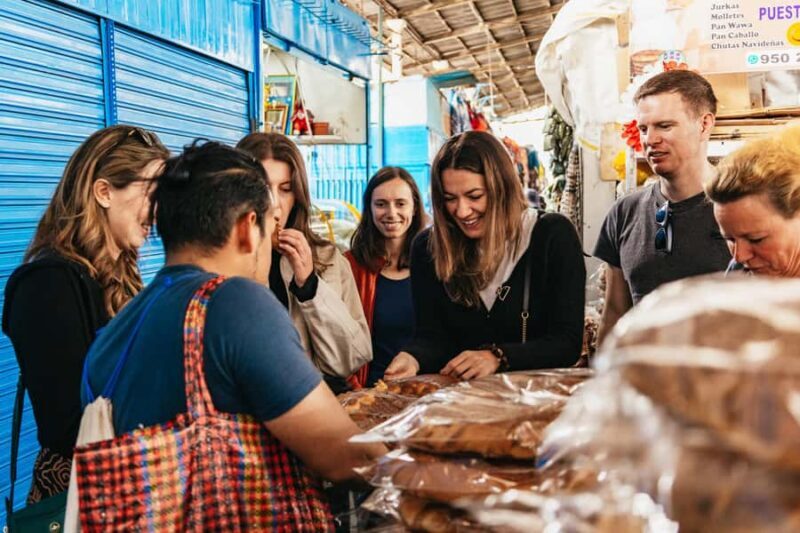
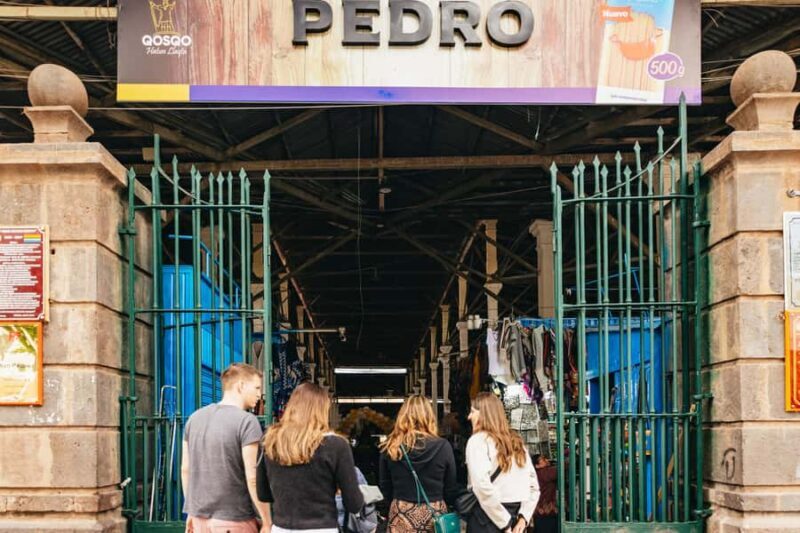
The meeting point is Door Number 1 at San Pedro Market, one of Cusco’s oldest markets. The tour begins with a walk through its food sections, where you can see the ingredients that shape everyday cooking: potatoes, quinoa, fruit, local cheeses, bread, chocolate and cacao.
A guided market visit makes this more than a quick look around. You get explanations of unfamiliar ingredients and, at times, samples of products such as fruit, bread, cheese or chocolate. That is useful if you are still learning the names and flavors of Peruvian foods, and it helps connect the market’s stalls to the dishes you will prepare later.
The experience is also a good way to notice the range of Peru’s produce without needing to plan a separate market visit. You will not be expected to choose every ingredient yourself. Your guide leads the tour and selects items for the class, explaining what they are and how they will be used.
San Pedro is the stated starting point, but market conditions can change. When it was closed for cleaning on one occasion, the guide took the group to a local food market instead. That kind of adjustment can preserve the purpose of the visit, though you should not assume the route will always be the same.
The market is an active working place, not a staged display. Keep your belongings close and wear shoes you can comfortably walk in. The tour does not list transport, and the next stop is a short walk away, so expect to get there on foot.
Looking for more options in Cusco? Here are some other experiences worth considering.
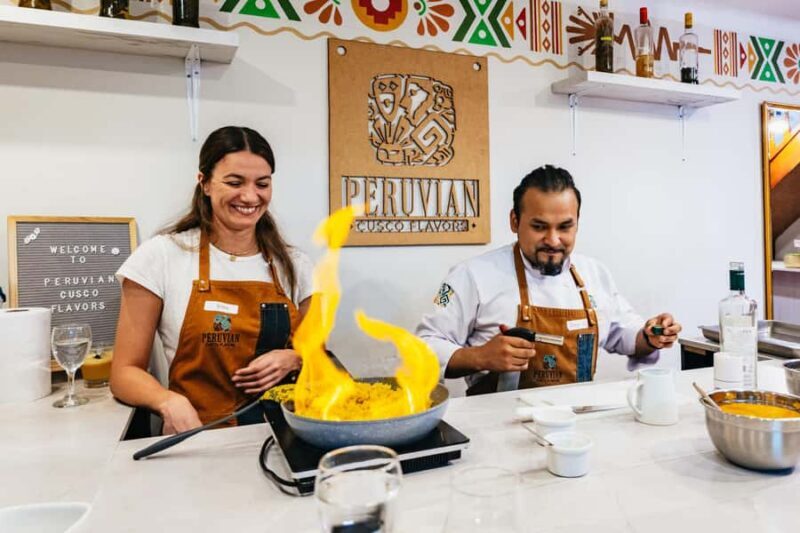
After the market, the group walks to a cooking studio in Cusco’s historic center. There, you tie on an apron, settle into the kitchen and get ready to cook. The small-group cap of 10 helps keep the class manageable: you can ask questions and take part without being lost in a crowd.
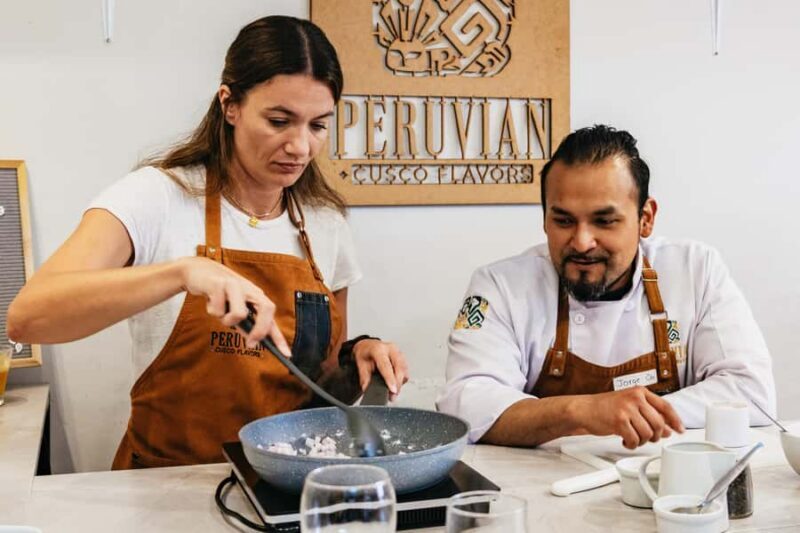
The chef guides the class step by step, adding context about the dishes as you prepare them. Chef Jesus is named as the lead in the activity details, and participants have also worked with chefs named Jorge and Eric. The person teaching can vary, but the format is built around a chef-guide who explains both the food and its background.
One helpful point: this is a participatory class, but it is not necessarily four hours of chopping and cooking from scratch. Some preparation may be handled in advance, while you take part in assembling, seasoning and plating. That balance makes the class accessible if you are new to cooking, though experienced cooks looking for a full technical workshop may want more hands-on time.
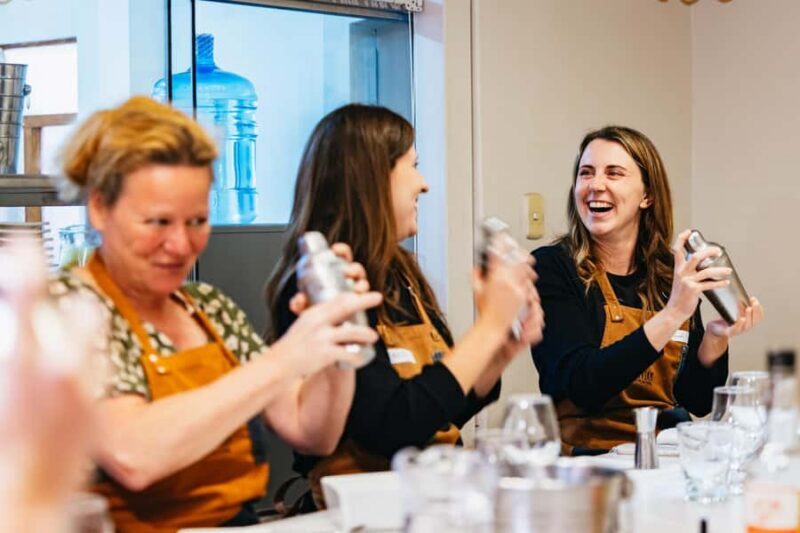
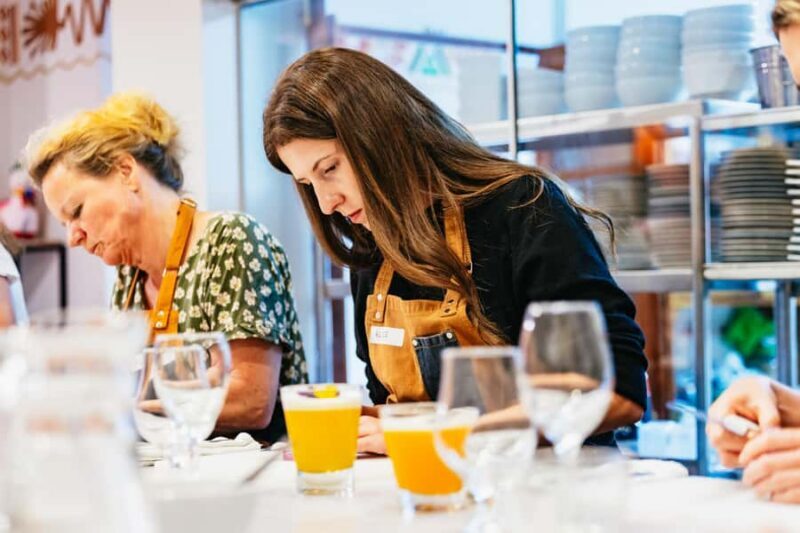
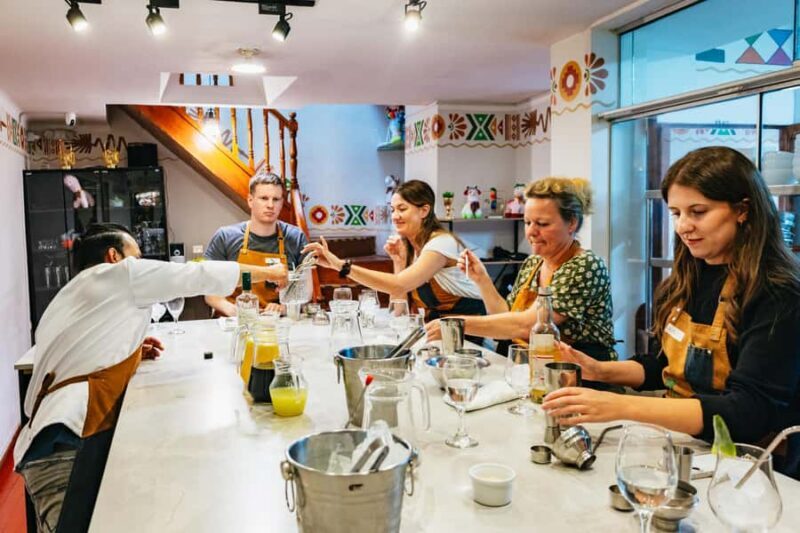
The class starts in the kitchen with a Peruvian cocktail. Two cocktails are included overall, and the non-alcoholic recipes let you join in even if you do not drink alcohol. The format gives you a chance to learn how the drinks are made, rather than simply being handed one with the meal.
Pisco is the spirit most closely associated with Peru, and a cocktail-making session adds a practical cultural note to the cooking. You can taste what you make during the class, but keep in mind that the food is substantial too. If you are not drinking, ask for the non-alcoholic option; it is specifically offered.
The drinks are part of the overall experience, not a separate bar stop. That is good value for a food class, especially if you enjoy learning a simple recipe you can repeat at home. The focus is on preparing and sharing, not on a long tasting flight or a detailed spirits seminar.
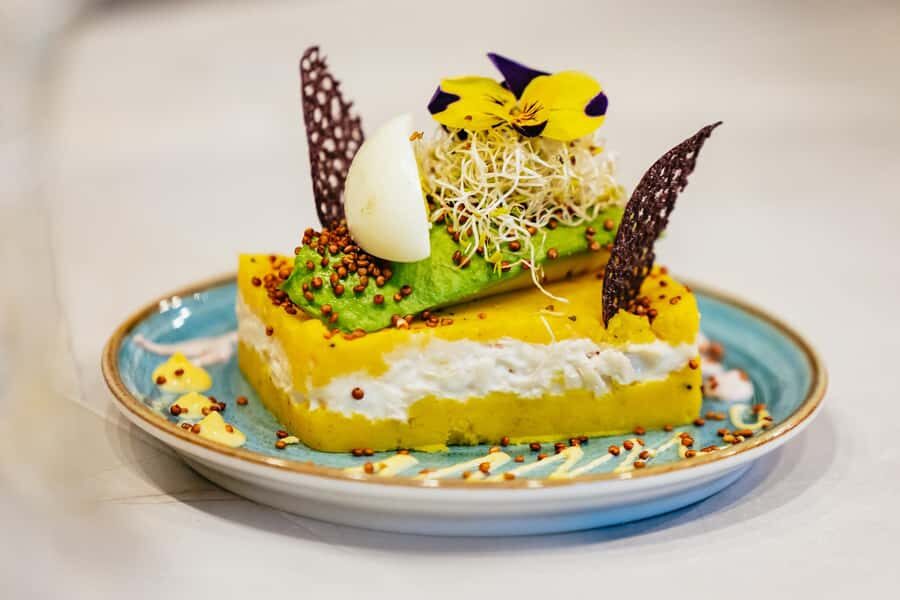
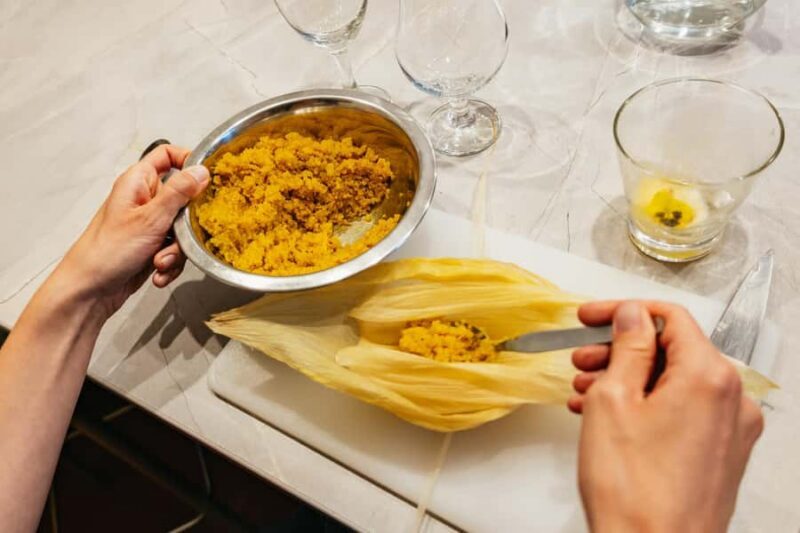
The chef teaches three much-loved Peruvian recipes: cebiche, causa limeña and quinoa tamal. The menu gives you a taste of different ingredients and methods, from seafood and citrus to potato and quinoa. The exact hands-on tasks may vary, but you should expect to help make and plate the dishes rather than just watch a demonstration.
Cebiche is often the dish people are most eager to try, and it makes a memorable part of the meal. Causa limeña, a layered potato dish, offers a different texture and a chance to practice presentation. The quinoa tamal brings a local grain into the menu in a form that may be less familiar than the potato-based dishes.
The chef’s explanations are part of what makes the meal useful beyond the kitchen. You learn about the food’s ingredients and influences while you prepare it, so each plate has context as well as flavor. It is an efficient introduction to Peruvian cuisine, particularly if you have only a short stay in Cusco or are still finding your way around local menus.
The class ends on a sweet note with picarones served with honey. A sugar-free and gluten-free option is available. Since the dishes and dessert add up to a full meal, do not plan a large lunch just beforehand. Several people have found that arriving hungry is sensible advice.
More Great Tours Nearby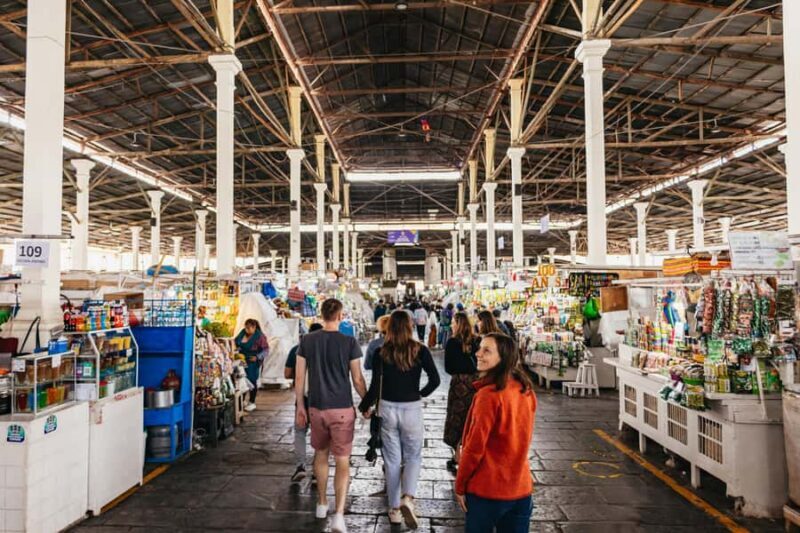
Vegetarian, vegan and gluten-free menus are available, and non-alcoholic cocktails are offered. That makes the class a practical choice for a mixed group with different food preferences. The chef can adapt the traditional dishes, and vegetarian alternatives have included versions of the classics.
Still, make your needs clear when booking and repeat them to the chef at the start. One participant experienced confusion about a gluten-free request that had already been submitted, even though the class was able to accommodate dietary requirements in other cases. If you have an allergy or a strict restriction, direct confirmation is the prudent move.
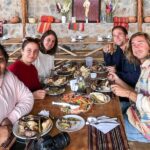
Once the cooking is done, the group sits down to share what it has made. This social meal is not an add-on; it is part of the point. Cooking alongside a small group gives you an easy way to talk, compare plates and swap travel stories. The mood is informal, and the shared work can make conversation come naturally.
At $67 per person, the price covers a four-hour activity with a guided market tour, a professional chef, ingredients, two cocktails, three dishes, picarones and water. You are paying for several connected experiences: a market visit, a cooking lesson and a substantial meal, rather than a single class in a kitchen.
That makes the price reasonable if you value food, local context and hands-on activities. You also come away with recipes to try again at home; some participants have received them by email. That detail is not listed as a guaranteed inclusion, so ask the team if receiving the recipes matters to you.
It is less compelling if your main goal is to learn advanced cooking techniques or spend a full day with a market vendor. The class is designed as a short, approachable introduction, and parts of the preparation may be ready before you begin. Its value lies in the combined experience and the chef’s explanations, not in an intensive culinary course.
The class lasts four hours, and start times depend on availability. The group is limited to 10 people, with English as the listed language. Children under 10 are not suitable for this activity, so families with younger children should choose another plan.
Wear comfortable clothes and shoes. You will walk through a market and then make the short trip to the studio, so this is not a sit-down-only outing. It can work well on a day when you want something engaging without committing to a full-day excursion.
Several people have used the class as an activity while adjusting to Cusco or before heading to the Inca Trail. It offers a relaxed way to spend part of the day, though it is not a substitute for taking it easy if you feel unwell. You will be walking, standing and eating a full meal, so judge your energy and comfort honestly.
I would recommend this class to curious eaters, couples, friends and solo visitors who like learning by doing. It is particularly useful if you want an introduction to Peruvian ingredients and dishes before trying them elsewhere in the region. If you prefer a quiet, private lesson, keep in mind that this is a shared small-group activity.
Book it if you want more than a restaurant meal and would enjoy seeing ingredients at San Pedro Market before preparing them yourself. The combination of market tour, two cocktails, three dishes and dessert makes four hours feel well used, and the class offers useful options for vegetarian, vegan and gluten-free diets.
Skip it if you are looking for a technical chef’s course, do not enjoy group activities or need a language other than English. Otherwise, this is a practical way to connect Cusco’s market life with its food, and a solid choice for an open afternoon. Cancel up to 24 hours in advance for a full refund, and the reserve-now, pay-later option can help keep plans flexible.
“Great food, great experience. Chef very knowledgeable and teaching the history of every dish while you’re preparing them.”
Meet at Door Number 1 at San Pedro Market in Cusco.
The activity lasts four hours. Starting times depend on availability.
You prepare cebiche, causa limeña and a quinoa tamal, then have picarones with honey. Two cocktails are included, with non-alcoholic recipes available.
Yes. Vegetarian, vegan and gluten-free menus are available. Make your requirements clear when booking and confirm them with the chef at the start.
The class is available in English.
Children under 10 are not suitable for this activity.
You can check availability for your dates here: