Physical Address
304 North Cardinal St.
Dorchester Center, MA 02124
Physical Address
304 North Cardinal St.
Dorchester Center, MA 02124

Compare Fuji views, Hakone’s ropeway and Lake Ashi cruise on this 11-hour Tokyo day tour, with practical advice on weather, lunch and the return trip.
Mt. Fuji and Hakone make an ambitious day out from Tokyo: you climb by coach to the mountain’s 5th Station, cross Hakone by ropeway, then cruise Lake Ashi. I like that you get three very different views of Japan in one trip, and that the coach and included transport tickets remove much of the day’s planning.
I also like the chance to pair Fuji’s high-altitude shrine stop with Hakone’s volcanic terrain and lake scenery. The catch is that this is a tightly timed, weather-dependent trip: clouds can hide Fuji, traffic can squeeze stop times, and some departures finish at Odawara rather than returning to Tokyo.
Key points
For about $129 per person, this 11-hour coach tour aims to connect two of Japan’s most recognizable natural sights. The first is Mt. Fuji, where you stop at the 5th Station if conditions allow. The second is Hakone, where a ropeway ride and Lake Ashi cruise offer a change of pace and perspective.
That variety is the tour’s main appeal. You spend much of the day in transit, but you are not simply driving to one viewpoint and driving back. The route moves from high mountain air to Hakone’s volcanic scenery, then down to a caldera lake. Each stop gives you a different way to see the region.
The trade-off is time. You are covering a lot of ground in one day, so this is a sampler rather than a slow visit. If you want long walks, unhurried time at the 5th Station, or a relaxed exploration of Hakone, a multi-day stay would suit you better. If you want transport, major sights and a guide arranged in one booking, this is a practical way to do it.
You can check availability for your dates here: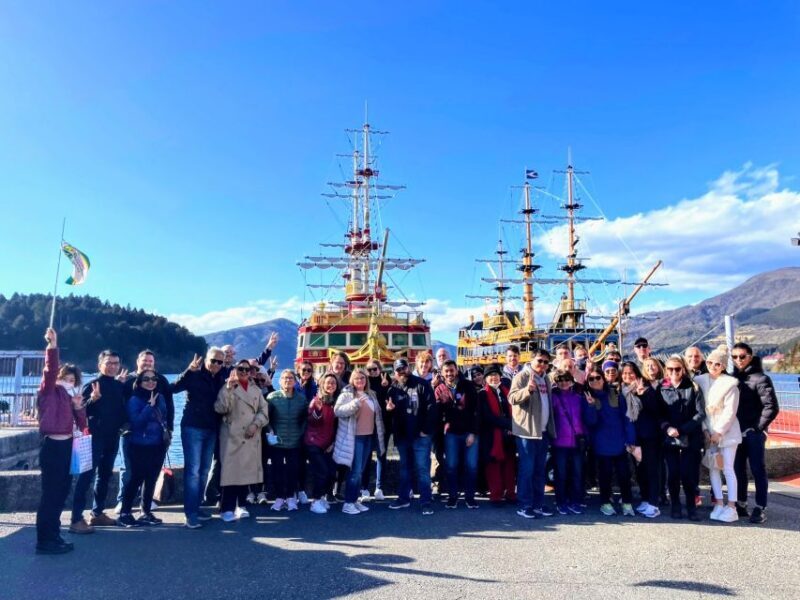
The tour starts in central Tokyo, with the meeting point depending on the option you book. The stated departure is at 8 a.m. from the Shinjuku area near the Love statue. Check your confirmation for the exact meeting place, since the tour information also lists other starting-point options.
You ride in an air-conditioned coach, with Wi-Fi on board. The drive to the Fuji area takes about two hours, and the full day lasts around 11 hours. That is a long outing, but a coach makes the distances easier than piecing together several trains, local buses and separate attraction tickets yourself.
Your English-speaking guide handles group directions and provides commentary. Guides named in accounts of past departures include Tsubasa, Mao, Angela, Levin, Kazu and Sora. The particular guide varies, of course, but strong guiding is one of the tour’s most consistently praised features. Expect practical instructions as well as cultural and historical context, with a friendly tone that can help a long bus ride pass more pleasantly.
Audio headsets are listed in Spanish, French, Italian, German, Portuguese and Ukrainian. The live guide speaks English. If you need a language other than English, check how the audio guide works when you book.
Looking for more options in Fujinomiya? Here are some other experiences worth considering.
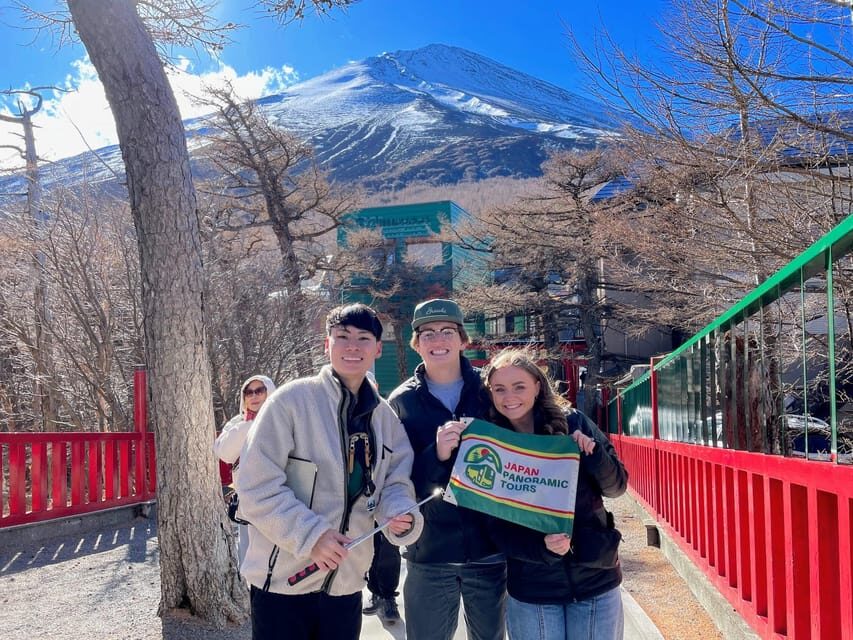
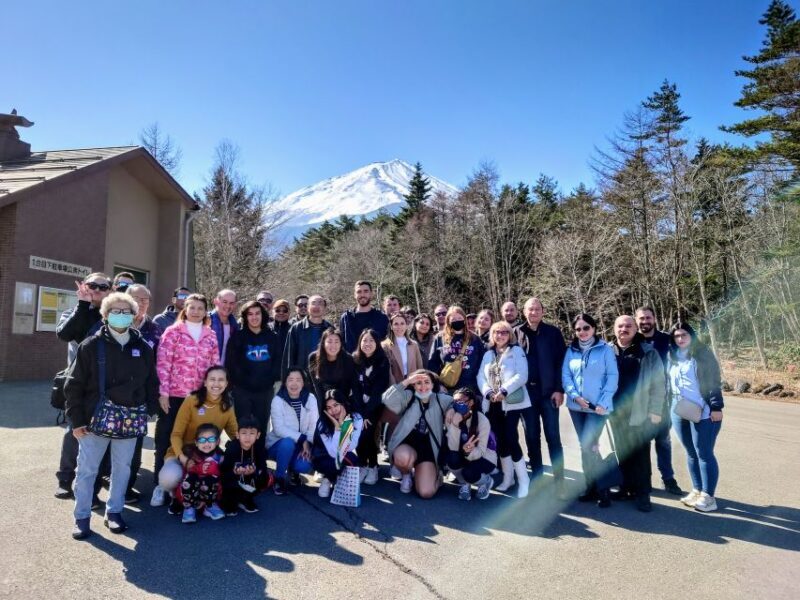
The coach climbs to Mt. Fuji’s 5th Station, about 2,000 meters above sea level. This is a mountain viewpoint and a place to pause, breathe cooler air and take in the surroundings. There is also a Shinto shrine, which adds a cultural note to what might otherwise be a quick photo stop.
The 5th Station is not the summit, and this tour does not include a climb. It gives you a high-altitude look at the mountain and its surroundings without asking you to hike. That makes it accessible to people who want a taste of Fuji but have no plans to tackle a strenuous ascent.
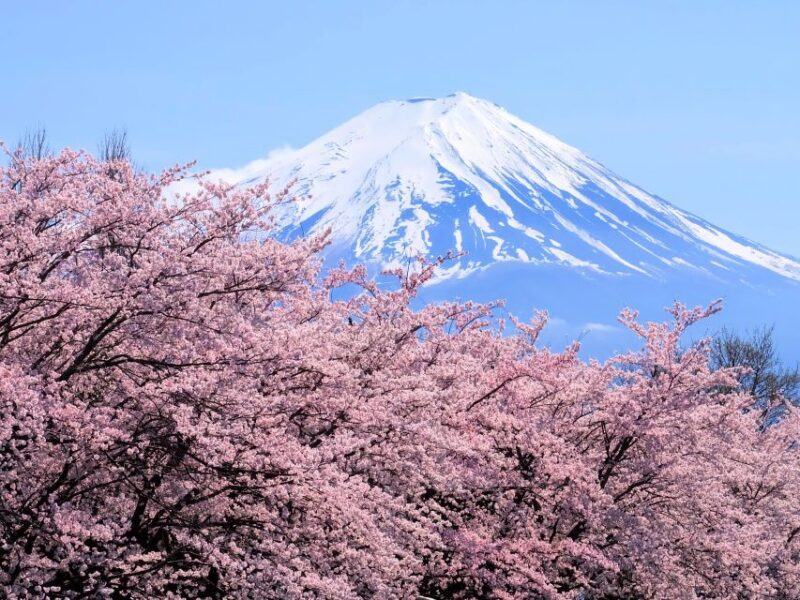
The central uncertainty is visibility. Mt. Fuji can vanish behind cloud, and rain or poor conditions can limit what you see. Even on a day when the mountain is hidden, the stop may still offer a sense of its scale and the atmosphere of the high slopes. But if seeing Fuji clearly is your main reason for booking, keep expectations flexible. A clear-sky day is a matter of luck, not something the tour can promise.
Access can also change. Traffic regulations or other conditions may prevent the coach from going beyond the 4th Station. In that case, the tour may visit Oshino Hakkai or another alternative place. The route can also change for operational reasons, and no refund is offered for substitutions. Treat the 5th Station as the plan, not a guarantee.
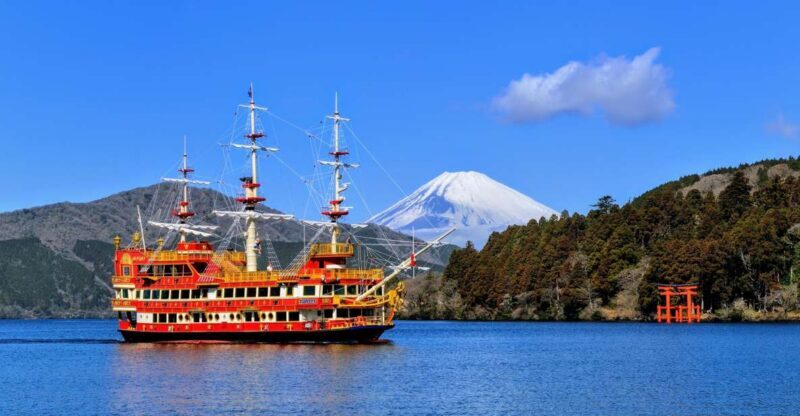
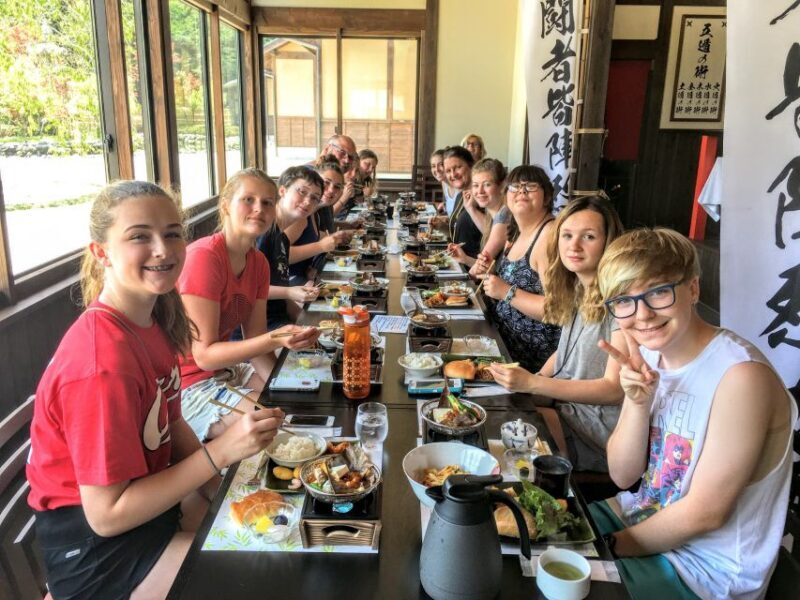
After the mountain stop, the coach heads to a local restaurant for a buffet lunch. The meal is described as Japanese food made with local fresh ingredients, with a Japanese garden and a view of Mt. Fuji. In practice, this is a useful pause in a full day, and the buffet format gives you a chance to choose what suits you from the available dishes.
Lunch is included only if you select an option that includes it. The tour recommends choosing that option when you book, since changing your meal choice on the day brings an extra charge. Vegetarian meals can be requested in advance; the stated vegetarian option contains no meat, alcohol or seafood. Halal and vegan meals are not available, so do not assume that a general dietary request can be accommodated.
The meal is a convenient part of the package, though it is not the main attraction. The buffet has been described as having a good range of choices, including vegetarian items, while other accounts found the food simple and practical. Think of it as a chance to refuel and enjoy the garden setting, not a destination meal in its own right.
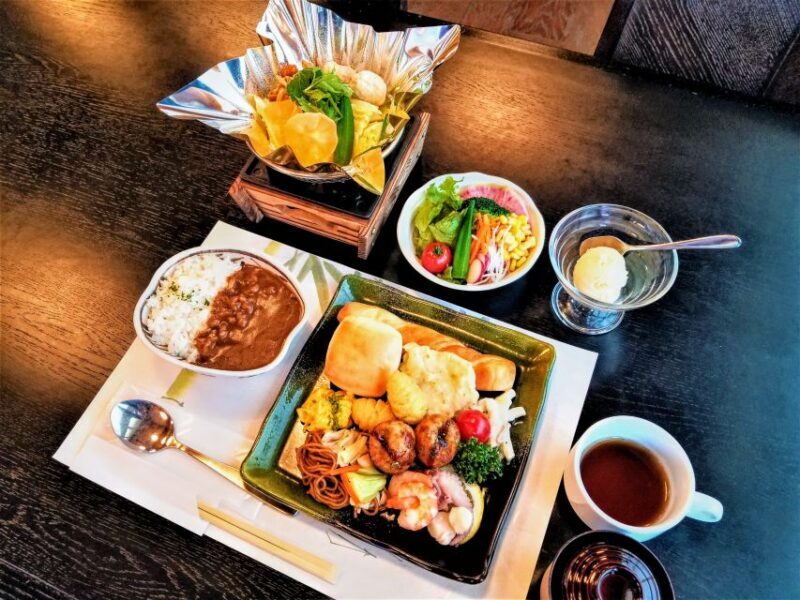
After lunch, the tour shifts to Hakone. Depending on the day’s schedule, you visit either Hakone Mountain or Mt. Hakone-Komagatake and ride a ropeway. The route gives you an elevated view across the area, and on a clear day Mt. Fuji may appear again in the distance.
The ropeway is one of the day’s most memorable changes of scene. From above, you can take in Hakone’s mountain terrain and see how the area surrounds the lake. The ride is included in the tour price, which saves you from buying that ticket separately and makes the day easier to coordinate.
The ride can also be affected by timing and operations. Traffic delays have led to the ropeway being skipped on some departures, with an alternative stop used instead. That can be disappointing if the cable car is high on your wish list. The tour may substitute another place or provide a gift depending on the situation, but the stated policy does not offer refunds for itinerary changes.
If you are especially keen on the ropeway, a weekday departure may be worth considering. One past account described a weekend trip where traffic prevented the ride. That is not a prediction for your date, but it is a useful reminder that weekends can put extra pressure on an already busy schedule.
More Great Tours Nearby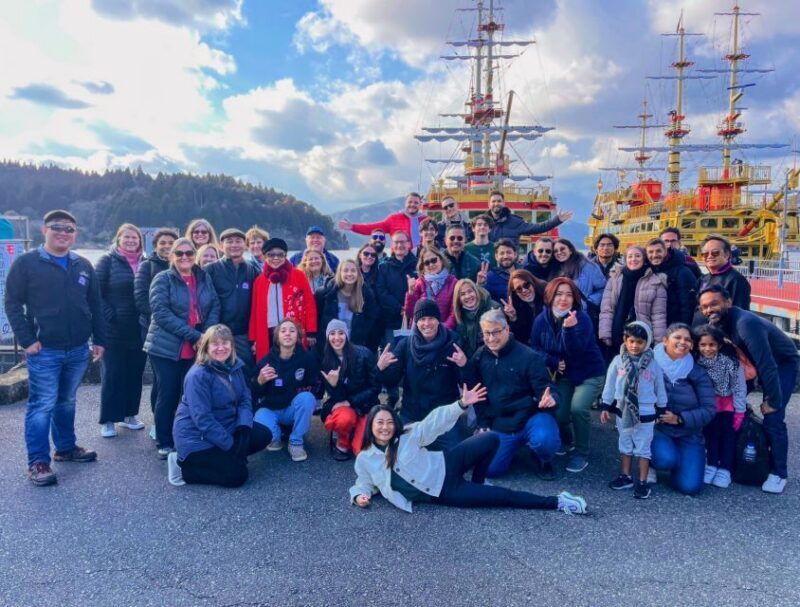
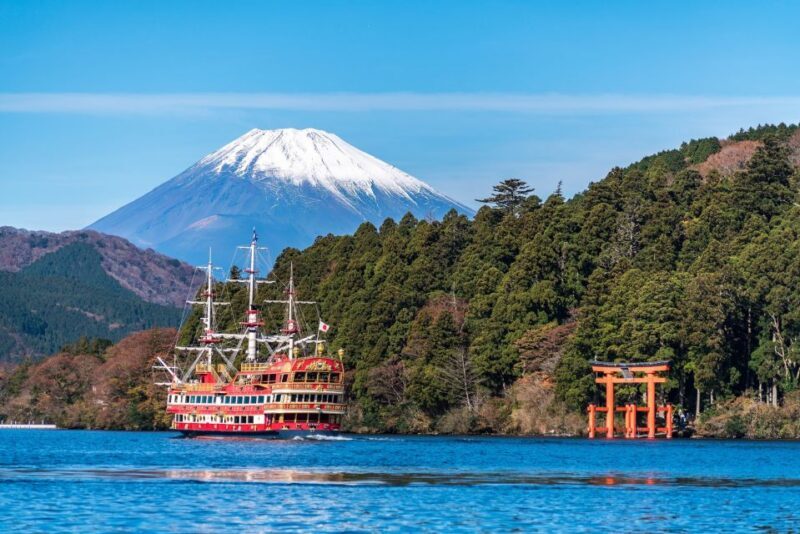
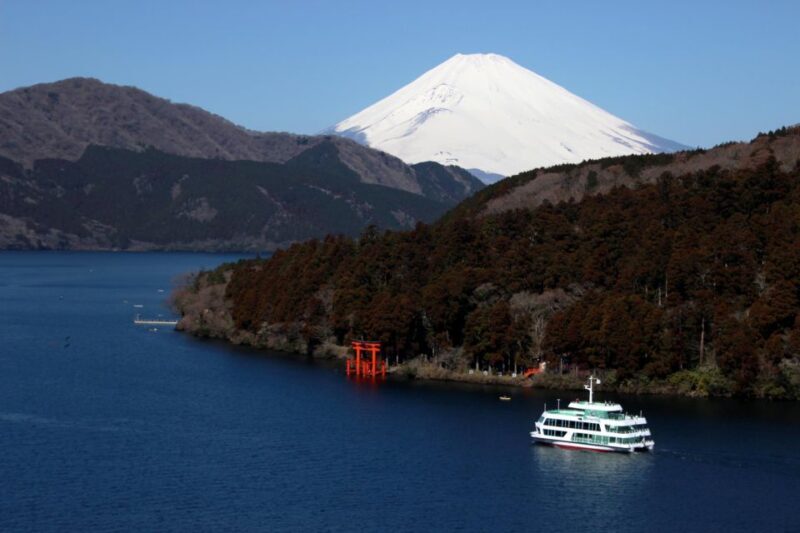
The ropeway route takes you to Lake Ashi, a caldera lake formed in a volcanic area. You board a sightseeing boat for a cruise across the water, with views of the surrounding mountains and, when skies cooperate, Mt. Fuji. A torii gate standing in the water is another detail to watch for.
The cruise gives your legs a rest after the bus and ropeway, and it changes the pace again. You are no longer looking down from a mountain or across a viewpoint. Instead, you see the shoreline and surrounding heights from the lake itself. Some departures use a boat with a pirate-ship style, adding a playful touch to what is otherwise a scenic crossing.
As with the mountain and ropeway, weather and operations matter. The boat or route may be replaced by another sightseeing stop, such as a different Lake Ashi boat or another listed local attraction. The exact sequence can also change because of traffic, weather or operational needs. The practical approach is to enjoy the cruise if it runs, while understanding that the day is designed around the region rather than guaranteed access to each individual attraction.
On a regular return-to-Tokyo day, the coach makes a brief stop at Odawara Station before continuing to Tokyo. The expected arrival is around 6:50 p.m., with the stated finish near Tokyo Mode Gakuen. The exact meeting and finishing points can vary by booked option, so check your own departure details rather than relying on a single address.
Some dates end at Odawara Station to avoid heavy traffic. On those departures, the return to Tokyo is not included. You need to arrange and pay for your onward journey yourself. The tour gives a list of affected dates for 2025 and 2026, including all weekends according to the tour information, as well as several named weekdays and holiday periods. Check the date-specific details before booking, and leave room in your plans for the separate trip back.
This is an important distinction if you have a dinner reservation, a show or a train connection in Tokyo that evening. A full day in the region already leaves little slack. If the tour ends at Odawara, make sure you are comfortable managing the return independently and do not plan a tight connection.
At the listed price of $129 per person, the tour includes a guide, air-conditioned transport, Wi-Fi on board, the Hakone ropeway ticket and the Lake Ashi cruise ticket. Lunch is included only with the relevant booking option. Those inclusions make the price easier to assess: you are paying for a long-distance day of transport plus two major Hakone activities, not simply for a bus seat.
The value is strongest if you want to visit Fuji and Hakone in one day without organizing each transfer. A guide can keep the group moving, explain what you are seeing and help you avoid the uncertainty of coordinating multiple local connections. If you would rather spend a full day at Fuji alone, or choose your own restaurants and pace, the bundled format may feel restrictive.
The schedule’s limits are part of the calculation. You get a broad introduction to the region, but not much time to linger at each stop. Traffic can reduce time on site or change the plan, and weather can obscure the views. I would choose this for range and convenience, not for a guarantee of perfect Fuji photographs or hours of independent exploration.
This tour suits first-time visitors to Japan who want to see Mt. Fuji and Hakone but have only one day to spare. It also works well if you prefer having transport, tickets and a guide organized together. The guide’s role matters here: names such as Tsubasa, Mao and Levin have been associated with engaging explanations, clear directions and a warm group atmosphere, though your assigned guide will depend on the departure.
It is less suitable if you dislike long coach rides, need a flexible schedule, or want to spend substantial time at any one stop. The experience is not suitable for pregnant people, people with respiratory issues, or people with pre-existing medical conditions. Bring comfortable shoes and warm clothing, since conditions at the mountain can differ from those in Tokyo. Drones are not allowed.
You can cancel up to 24 hours in advance for a full refund, and the booking option allows you to reserve now and pay later. Those terms add flexibility, but they do not remove the uncertainty of weather, traffic or substitutions.
Book this tour if you want a well-organized overview of Fuji and Hakone and are happy to trade extra time at each stop for seeing several highlights in one day. The included ropeway and cruise, the chance to visit the mountain shrine, and the guide-led coach journey make the price reasonable for a packed itinerary.
Skip it if a clear view of Mt. Fuji is essential, if you want a slow visit, or if a return to Tokyo at a fixed time is non-negotiable. Before paying, confirm whether your date ends at Odawara, choose the lunch option that fits your needs, and keep your plans flexible. That small bit of preparation can make a long day out of Tokyo much easier.
“Able to see 3 spots Guide lovely is very nice and entertaining Good vegetarian option at lunch buffet”
The tour lasts about 11 hours. It starts in the morning, with the stated Shinjuku departure at 8 a.m. and an expected Tokyo arrival around 6:50 p.m. on regular return days.
No. Traffic regulations, weather or other conditions can prevent access beyond the 4th Station. The tour may visit Oshino Hakkai or another alternative place instead.
Lunch is included only if you choose an option that includes it. Vegetarian meals can be requested when booking. Halal and vegan meals are not available.
The live tour guide speaks English. Audio headsets are listed in Spanish, French, Italian, German, Portuguese and Ukrainian.
No. Some departures end at Odawara Station, and the return journey to Tokyo is not included on those dates. Check the date-specific information before booking.
Bring comfortable shoes and warm clothing. Drones are not allowed.
You can cancel up to 24 hours in advance for a full refund. The tour also offers a reserve-now, pay-later booking option.
You can check availability for your dates here: