Physical Address
304 North Cardinal St.
Dorchester Center, MA 02124
Physical Address
304 North Cardinal St.
Dorchester Center, MA 02124

See Hakone Shrine, Lake Ashi, Owakudani and Oshino Hakkai on a 10-hour Mt. Fuji day trip from Tokyo, with ropeway fare included.
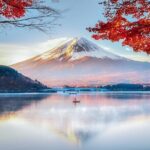
Mt. Fuji is the star, but this day trip gives you more than a mountain-view stop: you’ll cross Lake Ashi’s shrine-lined shore, ride the Hakone Ropeway above volcanic terrain and finish among the spring-fed ponds of Oshino Hakkai. I like that the ropeway fare is included and that the route pairs Hakone’s varied scenery with several chances to see Fuji.
I also like the practical convenience of a bus from Tokyo and a guide who keeps a full day moving. Guides such as Jack, Kousei, Sato and Tom have earned praise for clear directions and useful explanations. The trade-off is a packed schedule: the cruise costs extra, lunch may come late, and Mt. Fuji can hide behind clouds.
At $54 per person, this is a practical way to reach several scenic areas without arranging separate trains, buses and local connections. The price includes air-conditioned transportation, a driver, a guide, parking and the Hakone Ropeway fare. It does not include food or the optional Lake Ashi cruise.
The tour is best understood as a sampler, not a slow visit to any one place. You’ll move between Hakone, Lake Yamanaka and Oshino Hakkai in one day, with time to see the main sights but not enough to linger wherever you please. That trade-off is useful if you want a broad first look at the area; it’s less appealing if you prefer independent pacing.
The bus also matters because the day covers substantial distance. You avoid piecing together transport on your own, while the guide handles meeting times and explains the stops. But it is a shared tour, so keep an eye on the clock and return to the bus promptly. Delays from traffic, weather, queues or fellow passengers can lead to changes in the plan.
Looking for more options in Tokyo? Here are some other experiences worth considering.
The tour starts at one of two designated locations: STAND T or Tokyo Mode Gakuen. Your exact meeting point depends on the option you book, and the guide and driver details are sent the evening before. Check your inbox and spam folder, and arrive at least 15 minutes early. Staff in yellow vests help identify the meeting group.
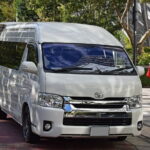
The pickup area can feel busy, with several groups gathering nearby. Have your meeting details ready rather than relying on a quick glance at the crowd. Once aboard, the drive to Hakone takes about two hours. The vehicle is air-conditioned, but food is not allowed on the bus, so eat breakfast beforehand and bring water and snacks for later.
The drive is part of the day’s time budget, not a minor transfer. With another roughly two-hour ride back to Tokyo, the tour normally runs about 10 hours from morning meeting to evening drop-off. Traffic, weather and peak-season crowds can shift the return time. Avoid scheduling another activity for that evening.
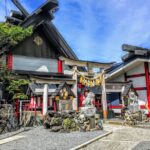
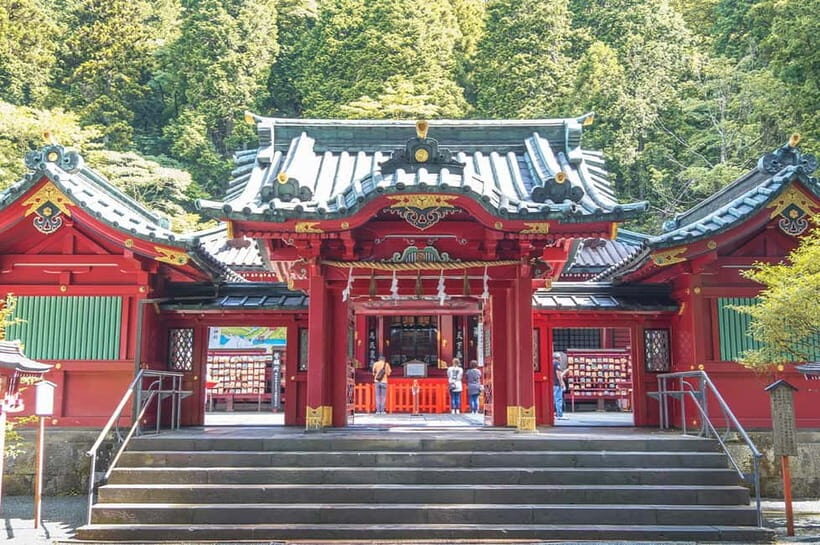
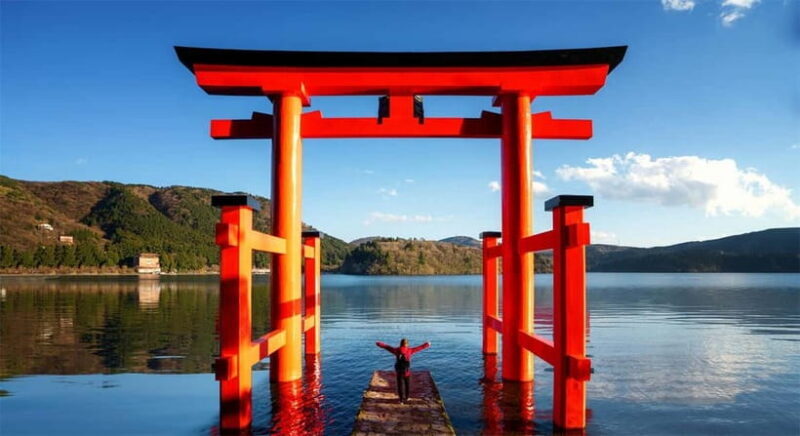
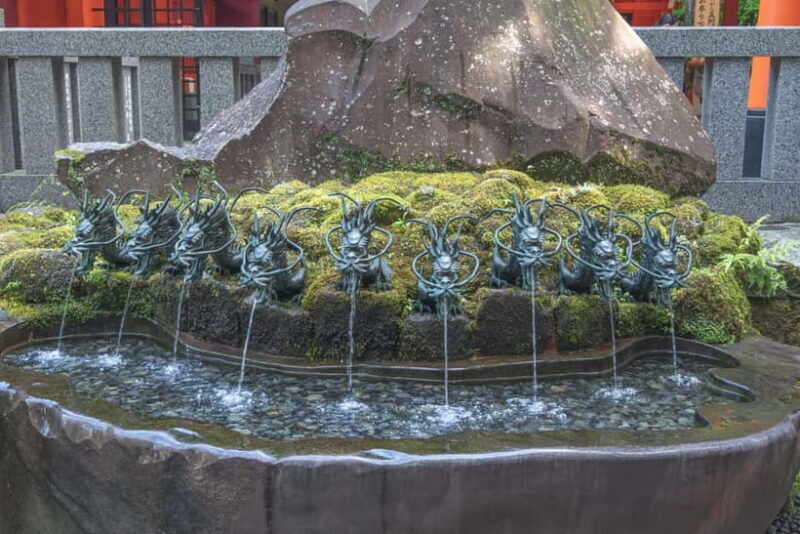
The first major stop brings you to Hakone Shrine, founded in 757, and the striking red Heiwa no Torii gate that stands in Lake Ashi. The gate makes a memorable photo subject, with the water and surrounding scenery setting the scene. The schedule allows about 20 minutes at the shrine and another short visit to the torii area, so think of this as a quick look rather than a long, quiet temple visit.
The torii is popular, and a queue for a close-up photo can eat into your time. If the line is long, you may still find a worthwhile view from nearby; one useful option is to take a picture from among the trees as you wait. The gate is scheduled to be closed from December 28, 2025, through February 10, 2026, so check your travel dates if seeing it up close matters to you.
I like this stop because it gives the day a sense of place before the scenic transport begins. The shrine is more than a photo backdrop, but the short visit means you’ll need to keep moving. Take your pictures, note the meeting time and leave room for the next part of the route.
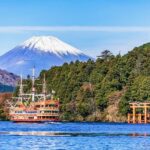
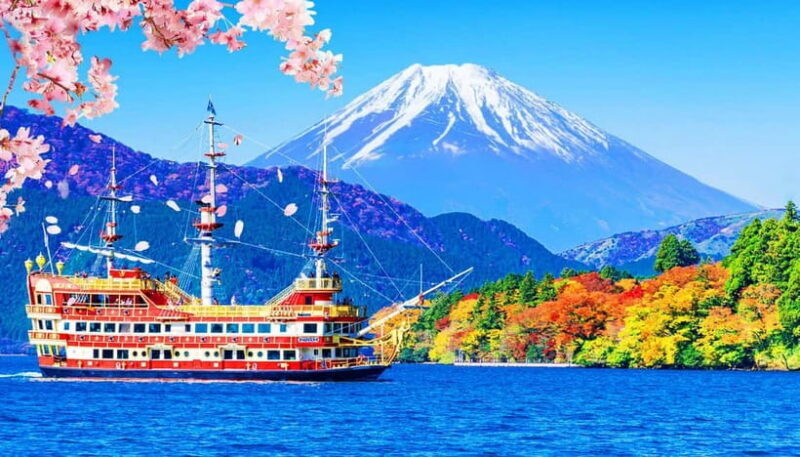
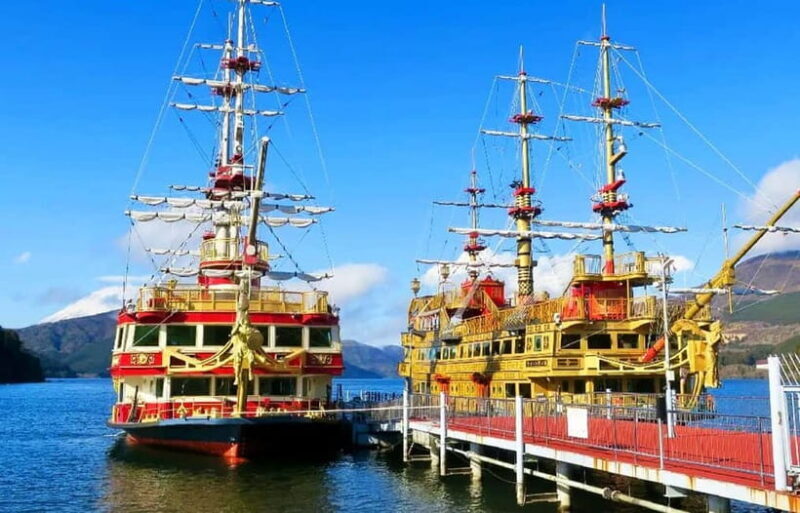
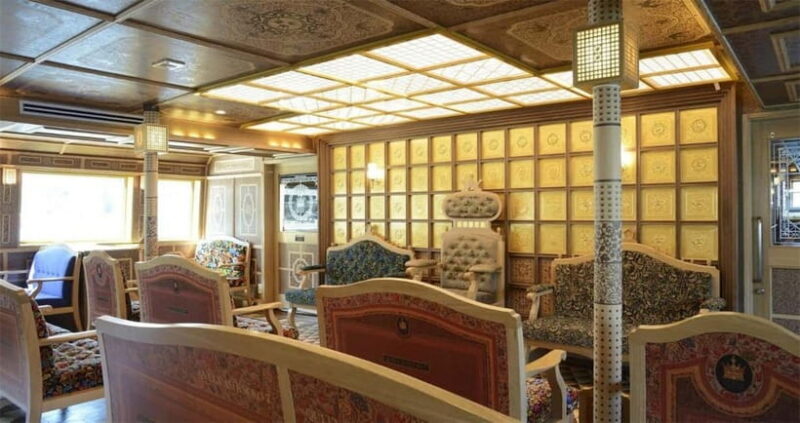
From the shrine area, you can take an optional Lake Ashi cruise or travel by vehicle to the Togendai Ropeway Station. The themed ships include the Royal II, Victory and Queen Ashinoko. The ride lasts about 25 minutes and offers changing views of the lake, the torii gate and, if skies cooperate, Mt. Fuji.
The cruise costs about 1,700 yen per person and is not included in the $54 tour price. That extra charge buys a scenic ride, not a guaranteed Fuji view. In poor weather, the boat can still be part of the experience, but the mountain may be hidden. If the forecast is poor, consider whether the ride itself is worth the fee to you.
Queues can also affect the schedule, especially when the cruise and cable car are busy. Listen carefully for the guide’s instructions about where and when to meet. If you skip the boat, the vehicle transfer keeps you moving toward the ropeway, though you’ll miss the water-level perspective.
More Great Tours Nearby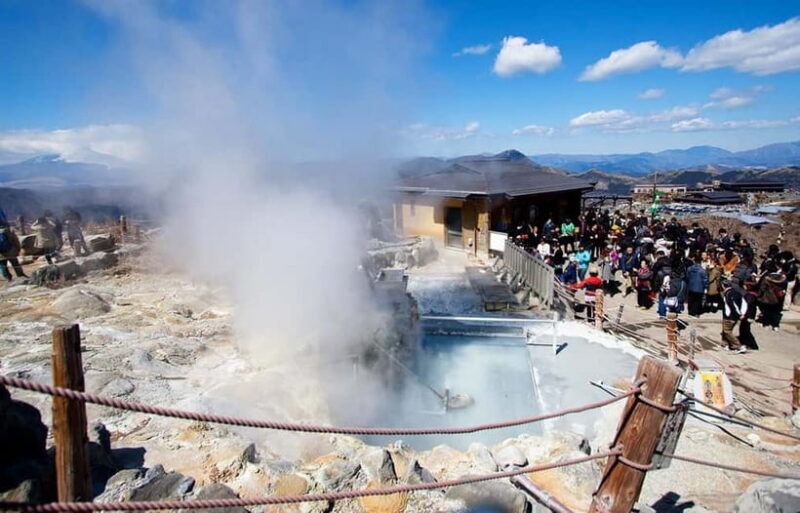
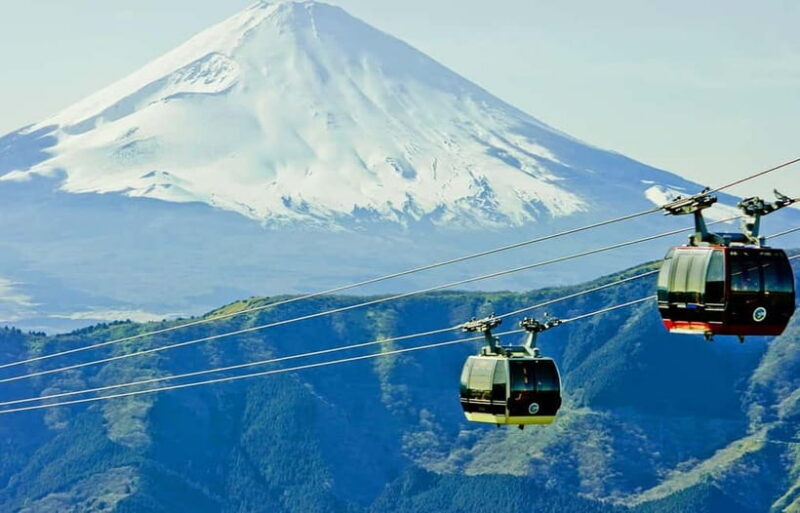
The Hakone Ropeway is one of the day’s high points, and its fare is included. The cable car ride takes about 30 minutes, with views across Lake Ashi and the surrounding area. Clear weather can reveal Mt. Fuji, but visibility is never guaranteed. The mountain’s appearance is a bonus, not something the operator can promise.
The ropeway may close because of bad weather or maintenance. If that happens, contact the operator about the stated 1,000-yen-per-person fare refund. A closure can change the shape of the day, so don’t treat the cable car as an unconditional part of the experience.
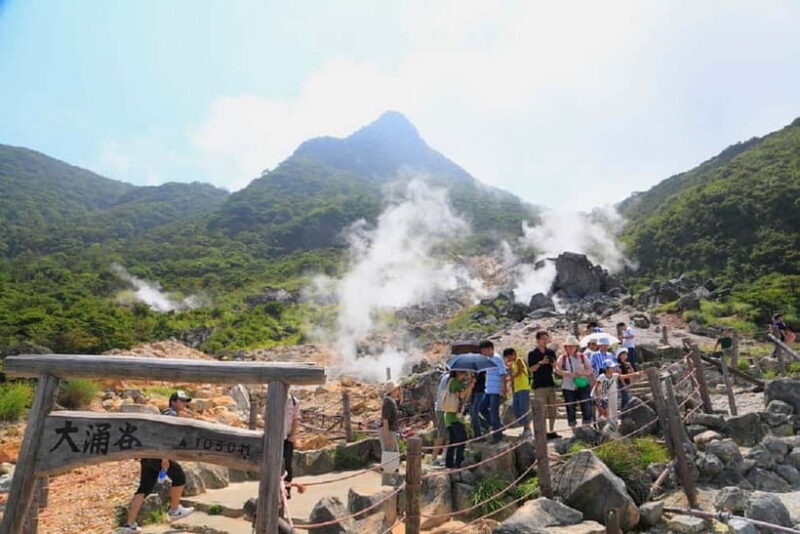
At Owakudani, you’ll see a geothermal valley formed after a major eruption of Mt. Hakone about 4,000 years ago. The stop lasts around 50 minutes, giving you time to look around and try the area’s black eggs, boiled in volcanic spring water. Food is at your own expense, as is lunch. The eggs are a local specialty, but you don’t need to buy them to enjoy the landscape and volcanic setting.
Owakudani is a memorable contrast to the shrine and lake: here, the focus is on the earth’s heat and volcanic origins. The tour information lists respiratory issues as a reason this trip may not be suitable, so take that warning seriously when deciding whether this stop is right for you.
The route then crosses to Lake Yamanaka, one of the Fuji Five Lakes, for a short visit to the Swan Lake Shore. This is a photo stop of about 20 minutes, with the chance to see swans and frame them with Mt. Fuji in the distance when the weather allows.
Treat this as a quick scenic pause, not a long wildlife visit. If the group is behind schedule, the guide may shorten or adjust a stop; one recent day’s swan-feeding time was skipped to make up time. You’ll get more from this stop if you have your camera ready and can take a picture without needing a long setup.
Lunch is not included, and the timing can be late. The planned restaurant break is about 40 minutes, after the Lake Yamanaka stop, but the schedule and actual arrival time can change. Some days, lunch may not come until well into the afternoon. Eat breakfast before pickup and pack a snack, since food is not allowed on the bus. You can bring something to eat, buy food at an attraction or choose a restaurant suggested by the guide.
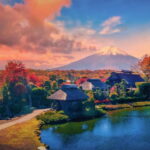
The final sightseeing stop is Oshino Hakkai, a scenic village area known for eight clear ponds fed by Mt. Fuji’s snowmelt. The visit lasts around 40 minutes, giving you time to walk around and look for reflections of the mountain in the water. It’s a gentler finish than Owakudani, with the ponds offering a different way to appreciate Fuji’s presence in the region.
This is also the last chance to take in the mountain before the drive back to Tokyo. If clouds have blocked the view earlier, they may clear later, or they may not. The tour visits several places where Fuji can appear, but no schedule can control the weather.
The strongest part of this trip, beyond its range of sights, is the guide’s role in keeping a complex day understandable. Guides named in recent accounts include Wanting, Jack, Kousei, Sato, Tom, Andrew and Leonard. They have been praised for clear meeting instructions, helpful explanations, positive energy and keeping large groups on schedule. Some also help with photos.
That guidance matters when you’re moving between stops on a tight timetable. Pay attention to the return time at each location, and make sure you know where the bus or group will be. A good guide can make the day feel organized, but cannot prevent traffic, queues or weather from changing the plan.
The $54 price represents strong value if you want transport and the ropeway handled for you. You’ll still need money for meals, snacks and the optional cruise, so budget beyond the headline cost. The cruise is a worthwhile extra if you want to see Lake Ashi from the water; it is easy to skip if you’d rather keep costs down or the weather looks poor.
The main compromise is time. You’ll see several places, but most visits are brief, and a delay can cut into the final stop. The tour is not suitable for people with mobility impairments, and the operator also lists respiratory issues as a concern. Wear comfortable shoes, bring weather-appropriate clothing, and keep water and a camera handy.
Book it if you want an efficient first look at Hakone and the Fuji Five Lakes without planning each connection yourself. The included ropeway, multiple scenic stops and guide-led transport make the fare appealing, especially if you value variety over a leisurely pace.
Choose another plan if you want long visits, control over every stop or a guaranteed view of Mt. Fuji. The mountain is weather-dependent, lunch can be late, and the boat ride is an extra cost. If those limits suit you, this is a rewarding way to spend a day outside Tokyo, with shrine, lake, volcanic valley and clear spring-fed ponds all on the same route.
“Our tour was on the 21st of February out of Shinjuku. The day was so well organised, everything lined up perfectly. Our tour guide Wanting had all …”
The price includes the Hakone Ropeway fare, air-conditioned vehicle transportation, a driver, a multilingual guide, parking and pickup and drop-off at one of the designated points.
No. The cruise is optional and costs about 1,700 yen per person. You can instead travel by vehicle to the Togendai Ropeway Station.
No. Food and drinks are not included. You can bring food, buy something at an attraction or eat at a restaurant suggested by the guide.
The tour normally lasts about 10 hours from the morning meeting to the evening drop-off. Traffic, weather and other delays can change the duration.
You may see it from several stops, but visibility depends on the weather and is not guaranteed.
The ropeway may close because of bad weather or maintenance. The tour information says to contact the operator by email about a fare refund of 1,000 yen per person.
There are two designated starting points: STAND T and Tokyo Mode Gakuen. The exact meeting point depends on the option booked. Meeting details are sent the evening before the tour.
Bring comfortable shoes, a camera, snacks, water and clothing suited to the weather. Arrive at least 15 minutes early, and eat breakfast before boarding because food is not allowed in the vehicle.
You can check availability for your dates here: