Physical Address
304 North Cardinal St.
Dorchester Center, MA 02124
Physical Address
304 North Cardinal St.
Dorchester Center, MA 02124

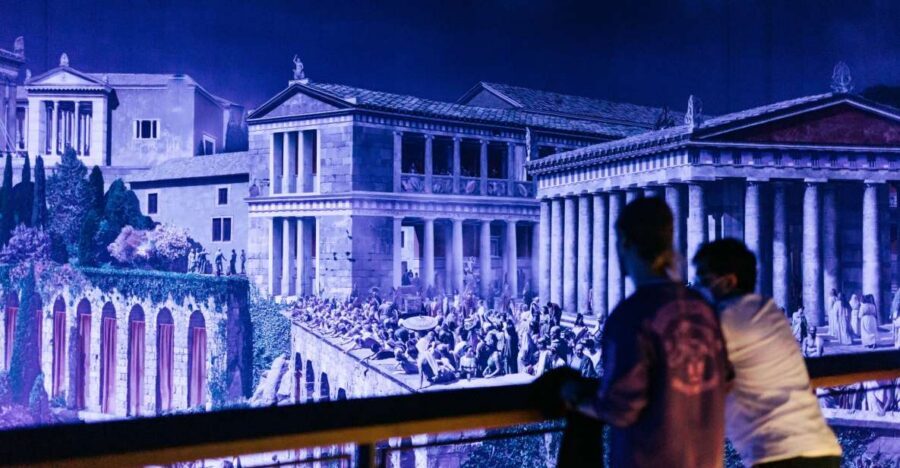
Step into AD 129 at Pergamonmuseum. The Panorama, where a 360-degree city scene meets original ancient sculptures and friezes.
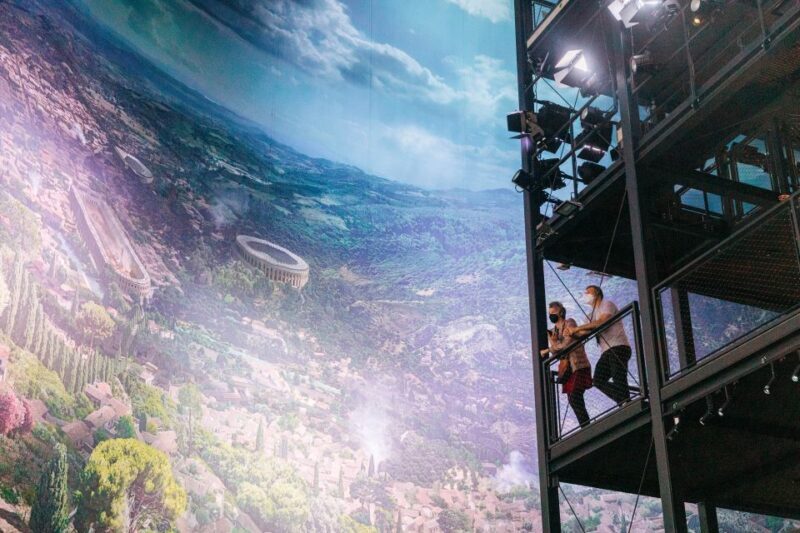
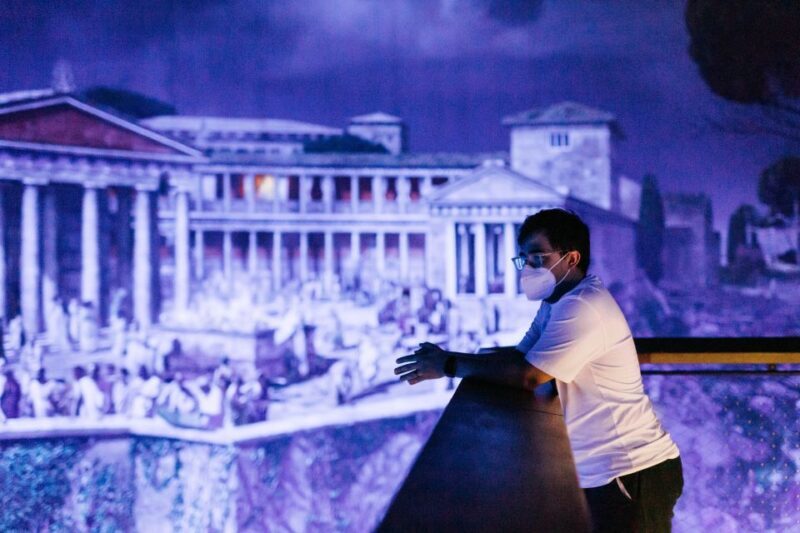
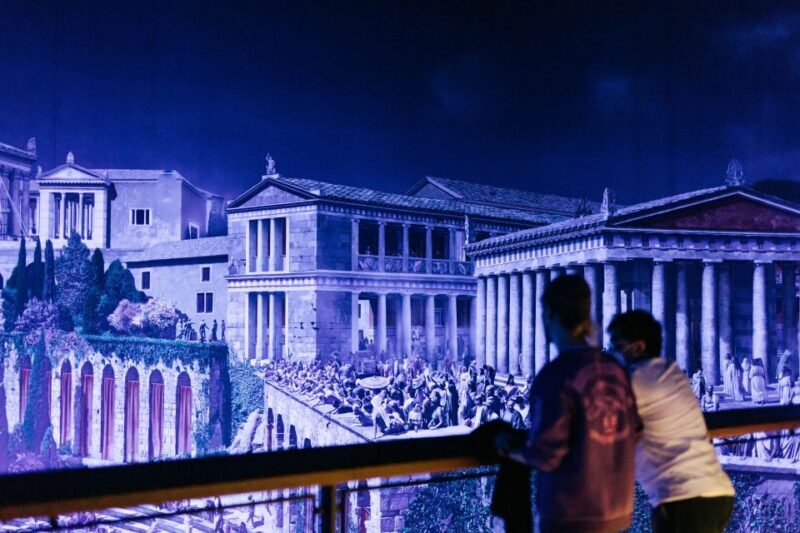
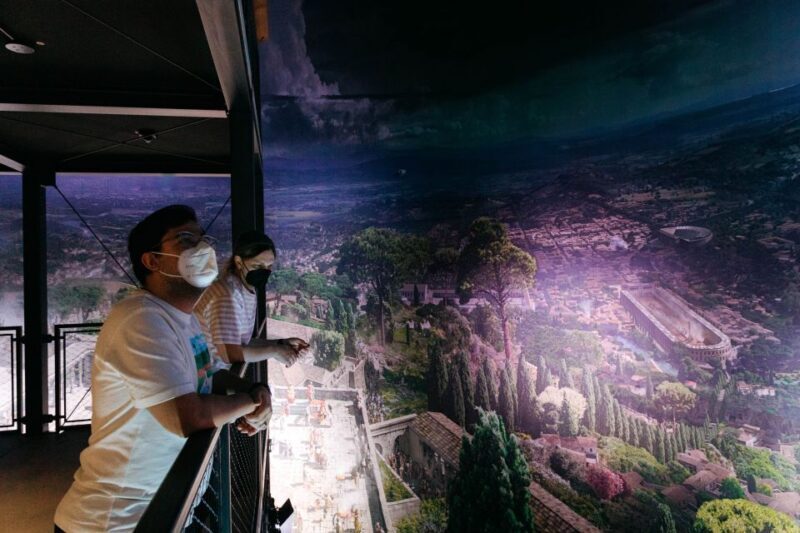
The ancient city of Pergamon comes into view as a vast 360-degree scene, set in AD 129 under Emperor Hadrian. You look across a reconstructed Roman city, then see original sculptures and architectural pieces that give the imagined streets a solid link to the past.
I like two things in particular: the changing light and music that shift the panorama from day to night, and the chance to see real works, including a major section of the Telephos frieze, alongside the reconstruction. They make this more than a large picture on a wall.
One practical caution: the exhibition is compact, and the listed duration is just 15 minutes. You may want longer to study the panorama and objects, but this is a focused visit, not a substitute for entry to the Pergamonmuseum or the rest of Museum Island.
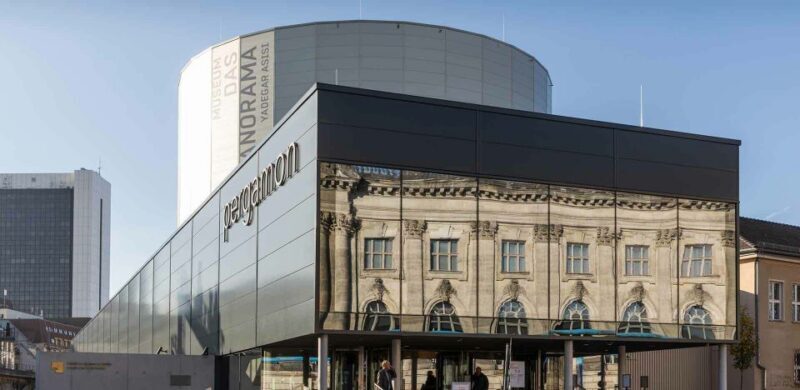
The venue is Pergamonmuseum. Das Panorama at Am Kupfergraben 2, not simply the Pergamonmuseum galleries. That distinction matters: this ticket is for a separate exhibition, and it does not include entry to the main museum or any other Museum Island museum.
If you are heading there by following signs for the Pergamonmuseum, pause and check your route. The exhibition has its own address, and asking for Pergamonmuseum. Das Panorama may save you a detour. Backpacks are not allowed, so plan to arrive without one.
The ticket is listed at $16 per person. That can be good value if you want a concentrated encounter with Pergamon’s ancient setting and a selection of original works. It is less useful if you expect a long museum visit or assume it covers the larger Pergamonmuseum.
You can check availability for your dates here: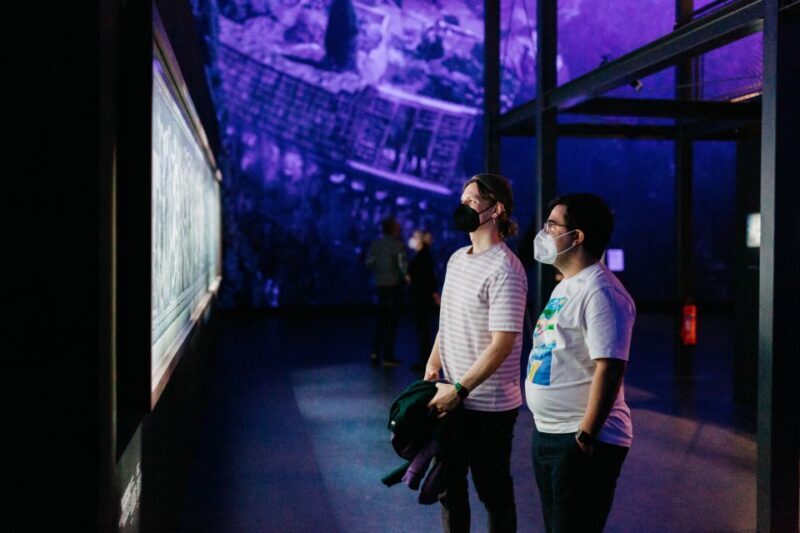
The main draw is Yadegar Asisi’s large, circular reconstruction of Pergamon as it might have appeared in AD 129. This was a city on the west coast of Asia Minor, then part of the Roman Empire under Emperor Hadrian. Instead of seeing the place only through fragments and plans, you get a reconstructed view of its streets, buildings, and setting.
Asisi has reworked the panorama with 40 new scenes. The point is not simply to make an ancient city look grand. It is to give you a sense of how people might have encountered Pergamon as a living place, rather than as a collection of ruins and museum labels.
Lighting and music shape the scene as it moves from day to night. Those effects are among the most praised parts of the experience, and they help you notice different details as the panorama changes. Take a moment to look from different positions and let your eyes adjust. A visitor tip worth following is to stay in the viewing area for a while and work your way up the steps gradually, rather than glancing once and moving on.
There are also small details tucked into the panorama. Ask one of the guides in the room if you would like help spotting them. The scene rewards a slower look, especially if you enjoy finding architectural features and human activity in a large composition.
You might also be interested in these Berlin experiences
After the panorama, the exhibition brings you close to about 80 important objects from the Antikensammlung, Berlin’s collection of classical antiquities. This second part matters. Without the original works, the city reconstruction could feel like an impressive visual effect with little to anchor it. Here, actual sculptures and architectural fragments make the ancient setting tangible.
Among the featured pieces is the largest section of the Telephos frieze from the Pergamon Altar. The altar is one of the best-known monuments associated with Pergamon, and the exhibition presents the opportunity to see part of it in its original architectural context on the Acropolis for a limited time. The display brings together a fragment of the monument and a reconstruction of the place it once occupied.
Other works include the Beautiful Head, a giant head of Herakles, portraits of kings, the Archaistic Dancer from the palace, the Prometheus group, and Athena with a cross-strapped shield. These names may be unfamiliar before you arrive. You do not need to know them in advance; their variety gives you several ways into the collection, from portraiture to mythological figures and sculptural decoration.
The contrast between the room’s atmospheric effects and the objects’ physical presence is part of the appeal. The lighting can make the exhibition feel theatrical, while the sculptures bring you back to the detail of carved stone and surviving fragments. If you enjoy both art and ancient history, this combination offers more than either part would alone.
The stated duration is 15 minutes, so this is a short visit by museum standards. But that figure should not be treated as a strict limit on how long the panorama deserves. Some people find half an hour more satisfying, especially if they take time with the changing scene, look for the small details, and then examine the sculpture displays.
How long you need depends on how you like to visit. If you want a quick overview of the panorama and its major works, the short estimate may suit you. If you read labels, listen to an available audio guide, or linger over the lighting changes, allow extra time. The audio guide has been singled out as helpful, though it is not listed as part of the ticket inclusion, so check what is available when you book or arrive.
There is no need to rush through the room simply because the experience is described as short. The panorama changes over time, and a second look from another spot can reveal details you missed. This is one of those exhibitions where slowing down is likely to improve the visit.
This exhibition suits anyone curious about the ancient world, especially if you like seeing archaeological objects in context. It can also work well for families: the large-scale city scene and light effects give younger visitors an immediate visual way into the subject, while the sculptures and historical setting offer more for adults to explore.
You will get the most from it if you are interested in how historians reconstruct an ancient city from evidence. The exhibition blends archaeological research with an artistic vision, so it is not a simple documentary account. Treat the panorama as a carefully made interpretation of Pergamon, supported by original objects, rather than a literal view preserved from antiquity.
If you are already planning a full day on Museum Island, think of this as a separate, focused stop. Its location and subject make it a natural companion to other ancient-history visits, but the ticket does not grant access to those museums. Build your plans around the separate admission rather than assuming the Panorama ticket is a general museum pass.
More Great Tours Nearby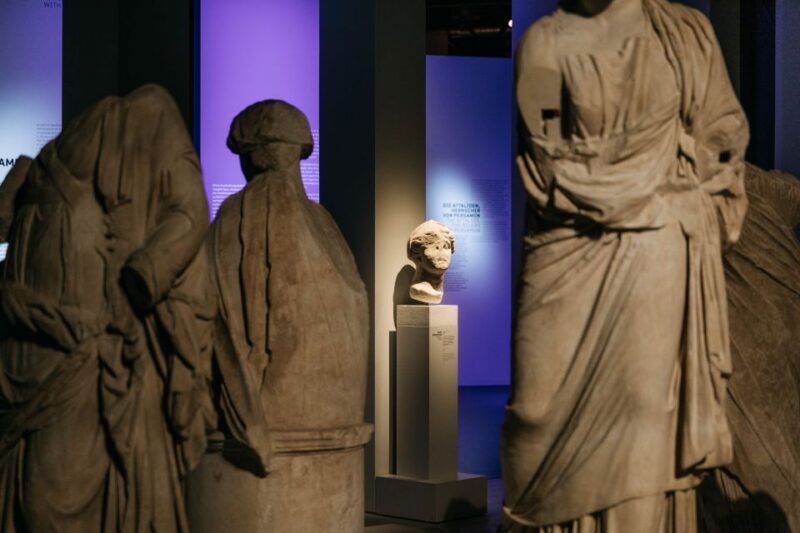
At $16, the price is easiest to justify if you value the combination of a large-scale visual reconstruction and original classical works. You are paying for a specific exhibition, not broad museum access. If your main goal is to see the Pergamonmuseum itself, this ticket will not get you through its doors.
Visitors under 18 can enter free, but everyone needs a ticket. The venue information describes the exhibition as wheelchair accessible while also saying it is only partially accessible and not suitable for wheelchair users. Because those details do not give a clear picture of which areas can be reached, contact the venue before booking if access is essential to your plans.
The Panorama is due to close from September 1 to October 13 for renovation work. Check the dates that apply to your visit before you set out. If buying a ticket at the museum shop, bring a non-cash payment method.
Security may feel attentive inside the exhibition. One account describes staff following visitors around the room, which can feel uncomfortable if you are not expecting it. It is a minor but useful thing to know before you arrive.
Culture seekers can explore more Berlin museums and galleries
Book it if you want to see Pergamon reconstructed at city scale and appreciate original objects in the same visit. The changing light and music, Asisi’s 360-degree scene, and the sculptures make a strong case for a short stop, especially if ancient history interests you.
Skip it if you are looking for a long museum visit or expect this ticket to include the Pergamonmuseum and other Museum Island collections. For the best experience, arrive without a backpack, check the renovation dates, and give the panorama more than a passing glance. At $16, it offers focused value, provided you know exactly which exhibition you are buying.
“Well worth it, it uses amazing technology, to bring it alive, and the music is incredible too. Don't follow the signs for the Pergamon Museum, bett…”
The listed duration is 15 minutes. You may want longer to watch the panorama change and look closely at the sculptures; allowing around half an hour is a reasonable option if you prefer a slower visit.
It includes entry to the exhibition Pergamonmuseum. The Panorama. It does not include entry to the Pergamonmuseum or other museums on Museum Island.
Yes. Visitors under 18 can enter free of charge, but everyone needs a ticket for entry.
The venue information says it is only partially accessible for wheelchairs and also lists it as not suitable for wheelchair users. Contact the venue before booking if you need access information for your specific requirements.
No. Backpacks are not allowed in the exhibition.
The information provided lists a closure from September 1 to October 13 for renovation work. Check that the dates apply to your planned visit before travelling.
You can check availability for your dates here: