Physical Address
304 North Cardinal St.
Dorchester Center, MA 02124
Physical Address
304 North Cardinal St.
Dorchester Center, MA 02124

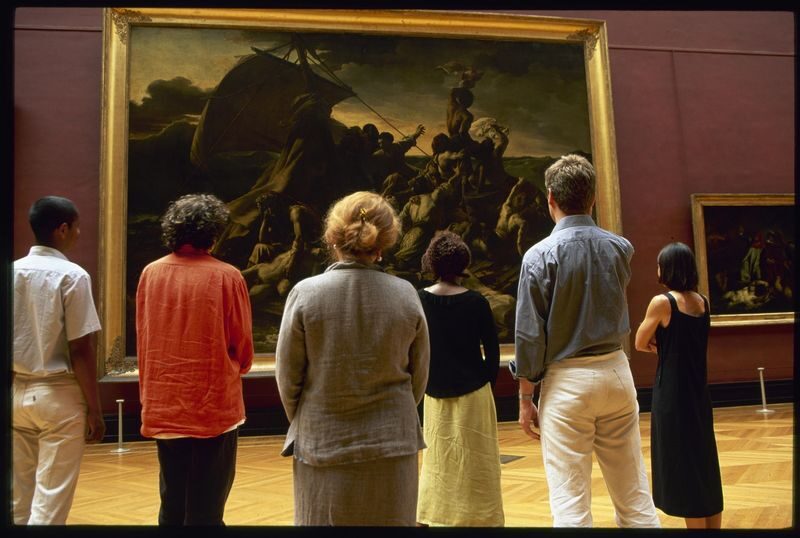
See whether the Paris Museum Pass pays off, how to plan timed reservations, and which museums and monuments fit a 2, 4, or 6-day visit.
The Paris Museum Pass can turn a museum-heavy visit into a simple routine: choose a site, show your pass, and spend your time with the art instead of buying a separate admission ticket. I like the range, from the Louvre and Musée d’Orsay to the Arc de Triomphe and Versailles, and the freedom to mix major sights with smaller museums. The catch: popular sites can require timed reservations, and the pass alone does not guarantee a slot.
It works best when you plan ahead and use the pass steadily. I would check reservation availability before building your schedule, then compare the pass price with the individual tickets you expect to use. Also check your chosen package carefully: some options are described as e-tickets, while others require you to exchange a voucher for a physical pass.
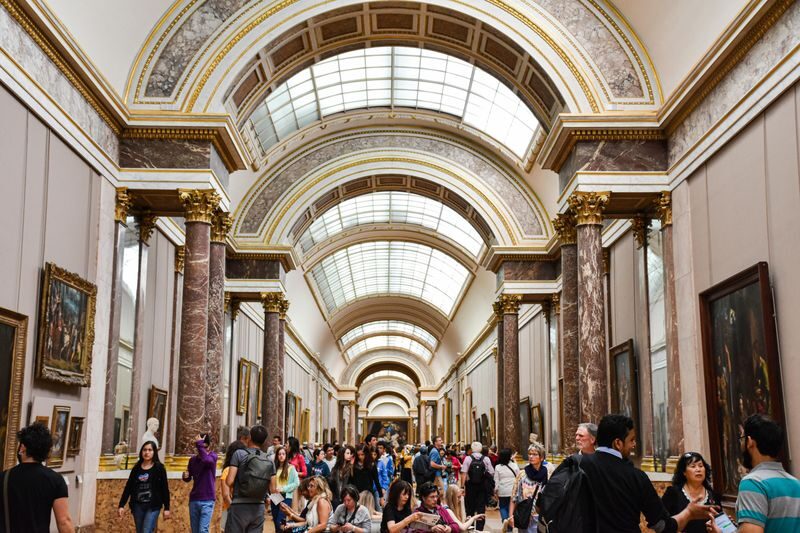
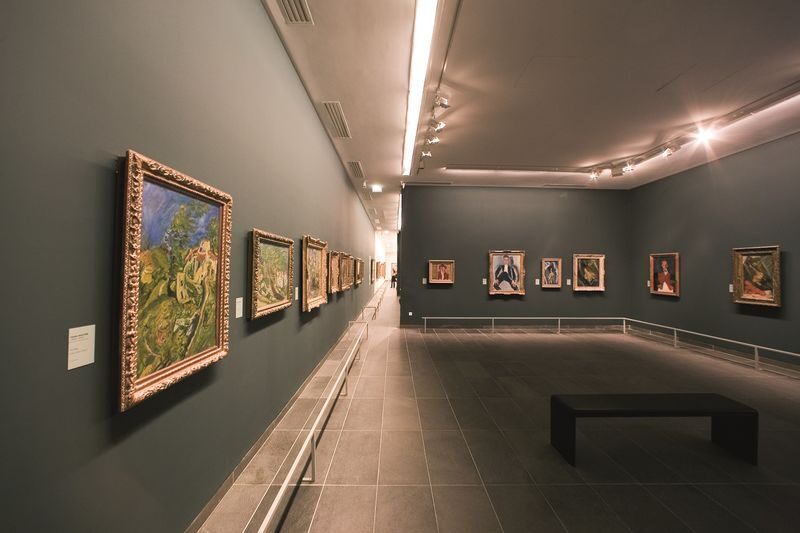
The appeal is straightforward: one pass gives you access to a long list of museums and monuments in Paris and beyond. The headline names are the Louvre, Musée d’Orsay, Palace of Versailles, and Arc de Triomphe, but the smaller and more specialized sites can make the pass useful well beyond the big four.
Other included places listed for Paris range from the Musée Rodin, Musée de l’Orangerie, and Musée de Cluny to the Conciergerie, Musée de l’Armée, and the Crypte Archéologique de l’Île de la Cité. You can also find less familiar options, such as the Musée des Égouts de Paris, the Sewers Museum, and the Musée Gustave Moreau. Check the current official list before you go, since access and opening schedules vary by site.
A pass is not the same as a guaranteed ticket at any time you choose. At some popular attractions, you must reserve a time slot separately, often through the attraction’s official website. The pass gets you admission under the site’s rules, but you still need to follow those rules and secure any required reservation.
Also keep in mind that each included site can be visited only once with the pass. It is a poor fit for anyone hoping to return to the same museum several times, but it suits a trip where you want to sample different collections and landmarks.
Culture seekers can explore more Paris museums and galleries
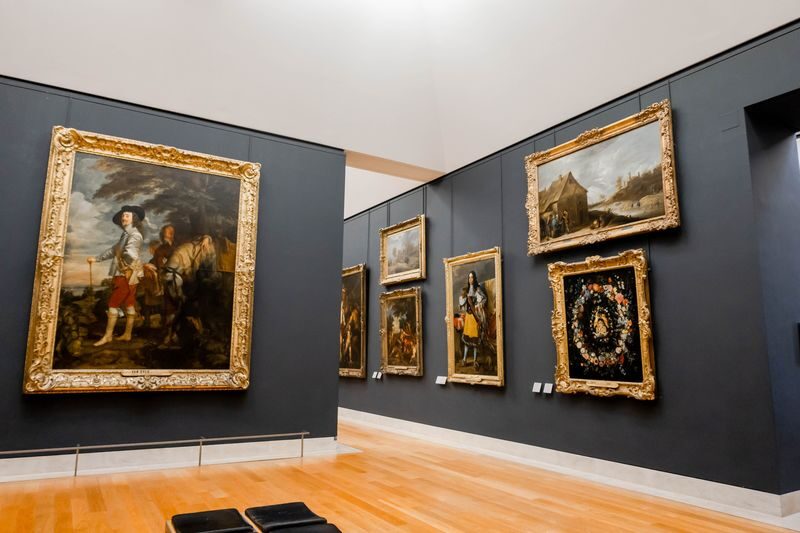
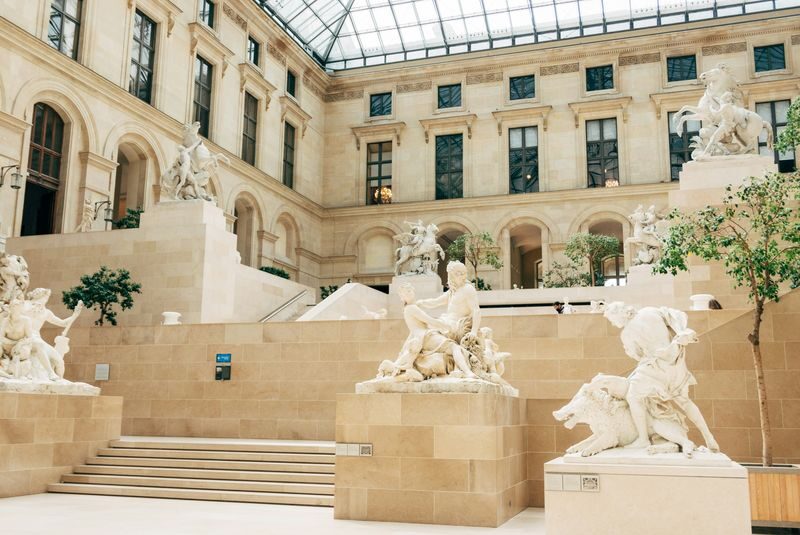
The Louvre is a strong reason to consider the pass, especially if you already know you want to see its collections. The museum covers Western art from the Middle Ages to 1848, alongside Egyptian, Greek, and other antiquities. That is a lot of ground, so decide what matters most before you enter rather than expecting to see everything in one visit.
The Louvre is closed on Tuesdays. It may also require passholders to reserve a timed entry, so check the current reservation rules and availability before you set your pass dates. A pass can save you from buying a separate admission ticket at the museum, but it will not solve a sold-out time slot.
Think of the pass as a way to simplify admission, not as a shortcut through every line. It can help you avoid queuing to buy a ticket, but required reservations and other entry procedures still apply. Set aside time for the visit itself, then avoid stacking too many other major sights on the same day.
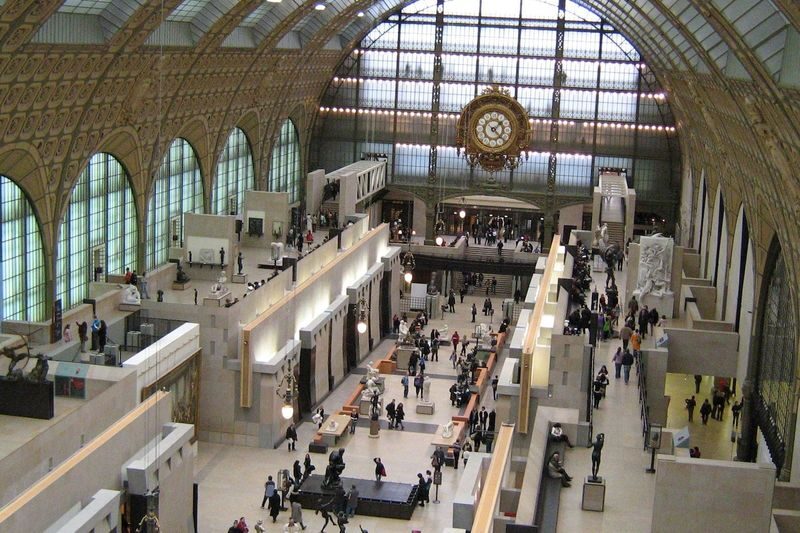
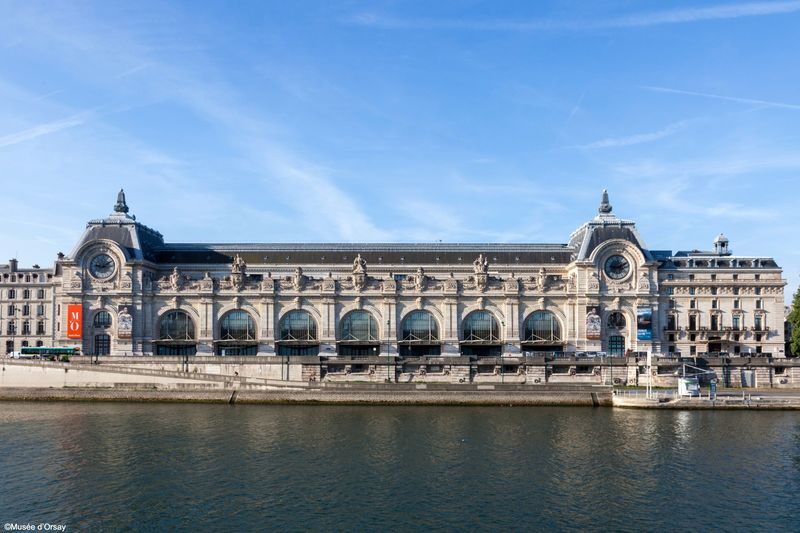
If Impressionist and post-Impressionist painting is your thing, the Musée d’Orsay is one of the pass’s best-known inclusions. Its collection is a major attraction in its own right, and a visit can balance the Louvre’s wide-ranging collections with a more focused art experience.
The Musée d’Orsay is closed on Mondays. Check whether a time reservation is needed for your date, and book ahead where required. The same Monday closure applies to the Musée de l’Orangerie and Versailles, so a Monday-heavy museum plan can quickly run into closed doors.
The Orangerie is a natural add-on for a day built around art, but it may have limited reservation availability. Have a backup site in mind rather than assuming you can fit every popular museum into your preferred time slot.
The Palace of Versailles takes you beyond central Paris for a look at rooms associated with Louis XIV, Louis XV, Louis XVI, and Marie Antoinette. It is among the most important stops covered by the pass, but it asks more of your schedule than a quick city-center museum visit.
Versailles is closed on Mondays, and advance booking may be required. Give the palace its own substantial block of time. Pairing it with another major attraction later in the day is possible in theory, but it can make for a rushed outing, particularly if your reservation time or travel plans shift.
The suggested two-day plan places Versailles on the second morning, followed by a return to Paris and the Arc de Triomphe around 4 or 5 p.m. Treat that as an ambitious outline, not a promise that every visitor will have a relaxed day. If you prefer a slower pace, focus on Versailles and use the pass for a nearby or shorter visit on another day.
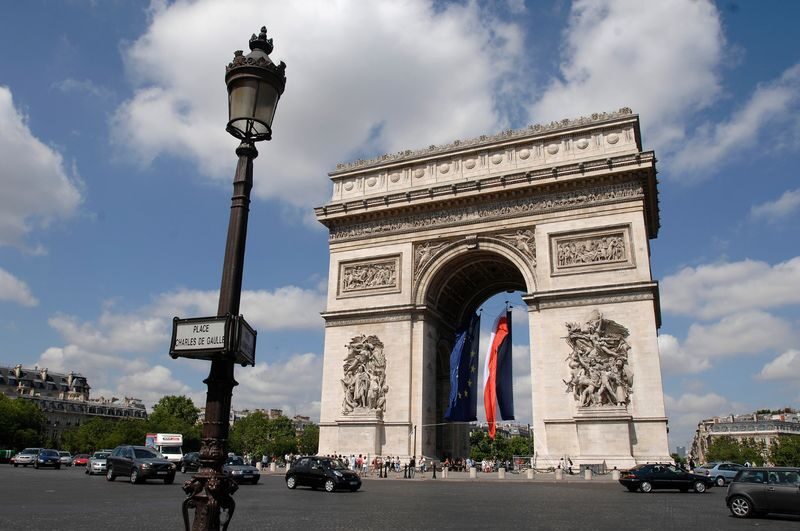
The Arc de Triomphe, Panthéon, Sainte-Chapelle, Conciergerie, and Les Invalides can help round out a schedule between the largest museums. The Arc honors soldiers from the French Revolution and Napoleonic Wars, with the names of victories and generals carved into its walls. Les Invalides adds another kind of visit, with the tomb of Napoleon among its attractions.
Sainte-Chapelle and the Conciergerie are useful together in a day focused on Île de la Cité. The Crypte Archéologique nearby offers a very different look at the city’s past. These smaller visits can fit more readily into a busy sightseeing day, though reservations and opening times still deserve a check.
For a slower afternoon, consider the Musée Rodin or the Musée de Cluny, the National Museum of the Middle Ages. The wider list includes sites devoted to architecture, Asian art, decorative arts, music, science, and more. That variety is a real strength: if you have already seen the headline museums, you can still use the pass to follow a particular interest.

A 2-day pass suits a short visit with a clear plan. To make it count, aim for several paid attractions across the two active days, while leaving time to enjoy each one. The suggested outline pairs the Louvre with the Musée d’Orsay on day one, then Versailles and the Arc de Triomphe on day two. It is efficient, but the Versailles day is a long one.
A 4-day pass gives you more room to spread out. One suggested plan puts the Louvre and Orangerie on day one, Versailles on day two, Les Invalides, the Rodin Museum, and Musée d’Orsay on day three, then the Panthéon, Sainte-Chapelle, and Arc de Triomphe on day four. You can rearrange the stops to fit closures and reservation times, and you may prefer to move a demanding museum visit away from a packed day.
With 6 days, you can visit fewer places each day and still make good use of the pass. The suggested approach is to follow the four-day outline and consider adding a half-day trip to Fontainebleau. That extra time is valuable if you like a measured museum pace, or if you want room to adjust around reservations and closures.
The pass is valid for the selected number of days from activation, and it expires at the same time of day on the final day. For example, a 2-day pass activated at 1 p.m. expires at 1 p.m. two days later. Check the exact validity details for your chosen duration before activating it, and plan the first scan carefully.
The listed starting price is $129.29, though prices can vary by pass length and ticket option. The useful comparison is not the number of attractions printed on the pass. It is the cost of the paid sites you can realistically visit during the valid period.
A practical target is roughly five or six attractions, including major sites such as the Louvre or Musée d’Orsay, to get strong value. But do the arithmetic for your own itinerary: account for the pass price, the individual admission prices, and any sites you will skip because they are closed, booked out, or already included in a guided visit. A few planned stops may not justify the cost.
Free admission rules matter too. Children aged 0 to 18 and European citizens aged 0 to 26 get free access at most included museums and monuments. Disabled visitors can also enter most national museums and monuments for free. If any of these apply to your party, check each site’s policy before buying passes for everyone.
Many museums also offer free admission on the first Sunday of the month. That may reduce the pass’s value for a visit planned around that day, though check the rules for each attraction. Temporary exhibitions are often included, but confirm access for a particular exhibition before counting it as part of your pass’s value.
Do your planning before you start using the pass. Check the official reservation information for the places on your list, then secure any required time slots as early as possible. High-demand attractions can fill up well ahead, and having a pass does not make an unavailable slot available.
The main weekly closures to remember are simple: the Louvre closes Tuesday; Musée d’Orsay, the Orangerie, and Versailles close Monday. Other opening hours and closure dates differ, and public holidays can bring altered schedules or limited access. Confirm the current details for each site before setting your route.
Pay close attention to the package name when you book. Some options are listed as e-tickets, while the redemption instructions for some vouchers call for exchanging a mobile voucher for a physical pass at the Big Bus Information Centre, 11 Avenue de l’Opéra. The nearest metro stop is Pyramides, served by lines 7 and 14. Follow the instructions attached to your exact option rather than assuming every ticket works the same way.
If you need to collect a physical pass, build that stop into your first day. If you have an e-ticket, keep the QR code accessible on your phone, and consider saving or printing the voucher as a backup. The pass can make individual admissions easier, but no ticketing system can prevent disruption from strikes, heat-related closures, or other site changes.
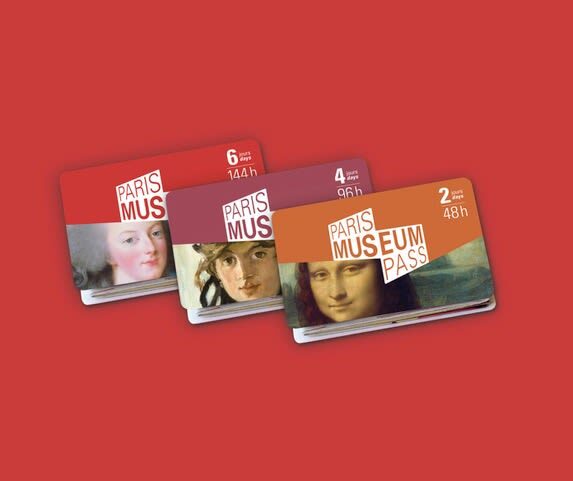
I would look closely at the pass if you love museums, plan to visit several paid attractions, and can set your dates around reservation availability. It is especially handy for a trip with a mix of headline museums and smaller monuments, since you can adjust your plans without buying a separate ticket for each included site.
It is less compelling if you plan just a few visits, qualify for free entry at most of your chosen sites, or already have admission through a guided tour. It may also disappoint if you buy first and only then discover that your preferred time slots are unavailable.
Book it if the math and calendar work together. Pick the pass length that matches your real pace, check reservations before committing to an itinerary, and treat the pass as a useful admission tool rather than a guarantee of instant entry. If you are likely to use it for several major sights, it can save both ticket-buying time and money. If not, individual tickets may be the wiser choice.
“Remember to check carefully whether you are purchasing a physical ticket or an e-ticket.”
The pass includes access to more than 50 museums and monuments. Named examples include the Louvre, Musée d’Orsay, Palace of Versailles, Arc de Triomphe, Panthéon, Sainte-Chapelle, and Musée Rodin. Check the official list for current participating sites.
Yes. The available options include 2-day, 4-day, and 6-day passes. Check the package details to confirm whether your selected option is an e-ticket or requires a physical pass.
The pass can let you avoid buying a separate ticket at many sites, but it does not remove every wait or reservation requirement. Some popular attractions require a timed entry reservation, which you must arrange separately.
Some attractions require advance reservations, particularly high-demand sites. Check the current reservation requirements for each place you plan to visit and book any required slots in advance.
It is valid for the selected number of days from its activation or redemption time, and expires at the same time of day on the final day. A 2-day pass activated at 1 p.m., for example, expires at 1 p.m. two days later.
For packages that require collection, the stated redemption location is the Big Bus Information Centre at 11 Avenue de l’Opéra, 75001 Paris. Follow the instructions for your specific package, since e-ticket options may differ.
The Louvre closes on Tuesdays. The Musée d’Orsay, Musée de l’Orangerie, and Versailles close on Mondays. Check each attraction’s current schedule before visiting.
Children aged 0 to 18 have free access to most included museums and monuments. European citizens aged 0 to 26 also have free access to most of them. Check the rules at each site before purchasing a pass for a child.
Free cancellation is available with at least 24 hours’ notice before redemption. Once you have taken part in an activity, visited an attraction, or used one of the tickets, a refund cannot be issued.