Physical Address
304 North Cardinal St.
Dorchester Center, MA 02124
Physical Address
304 North Cardinal St.
Dorchester Center, MA 02124

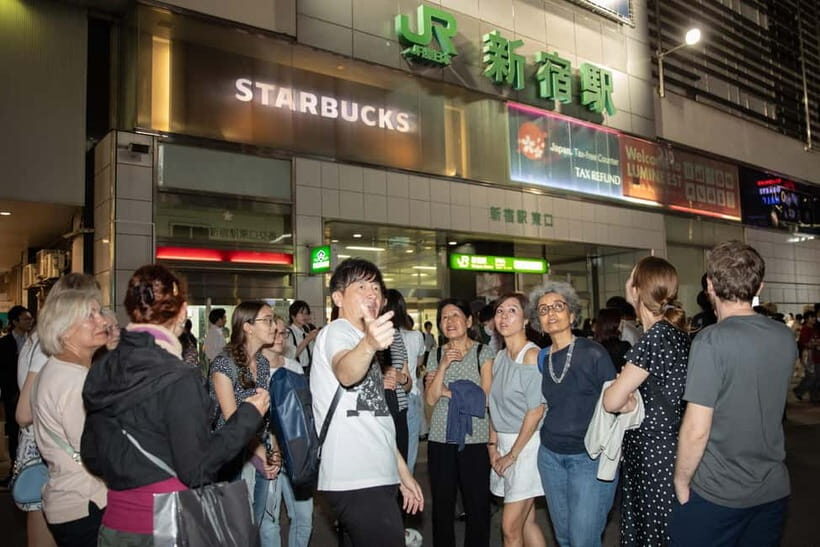
Explore Shinjuku after dark on a two-hour walking tour through Kabukicho, Golden Gai, Omoide Yokocho and Tokyo’s LGBTQ district.
Tokyo’s night districts make more sense when you know what you’re looking at. This Shinjuku walking tour links neon-lit Kabukicho and narrow drinking alleys with Hanazono Shrine and Shinjuku 2-chome, giving you a useful introduction to the area’s nightlife and its changing identity.
I like two things in particular: the route takes you through several distinct corners of Shinjuku, and the guide adds context you’d be unlikely to pick up just by wandering. The food recommendations are another practical bonus. One consideration: Shinjuku Station is huge, and the meeting point can be hard to locate, so arrive early and check which starting option you booked.
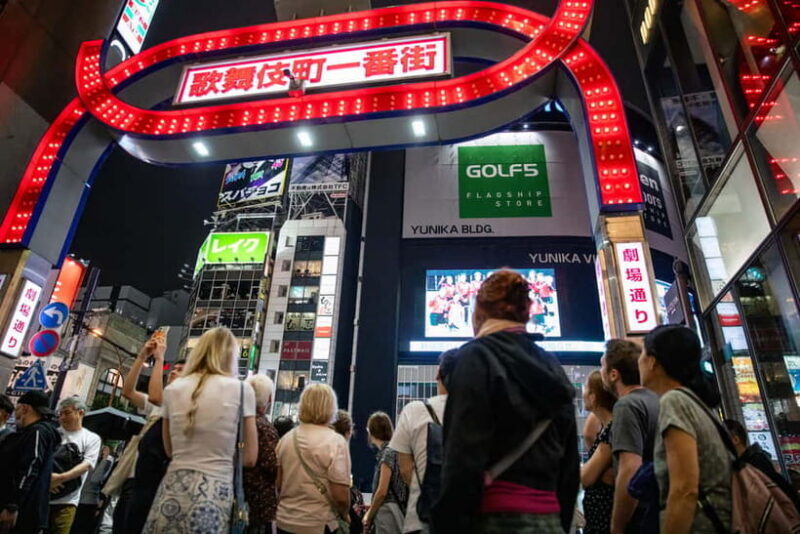
Shinjuku can feel like several neighborhoods piled together. Skyscrapers, narrow lanes, bars, shrines and nightlife venues sit close together, but the transitions are easy to miss if you don’t know where to look. A guided walk helps you connect the districts and understand what each one is known for.
The two-hour format suits a first evening in Tokyo. You get a broad introduction without giving up half a day, and you can return later to the places that caught your interest. The tour is a walk, not a bar crawl: the guide explains the district and points out places, while the experience does not include alcohol.
The name Dark Side of Tokyo signals that the route deals with nightlife and the history of red-light areas. Expect candid discussion of the district’s reputation and development, not a polished sightseeing circuit. The tour is for adults, and children under 18 are not permitted.
You can check availability for your dates here: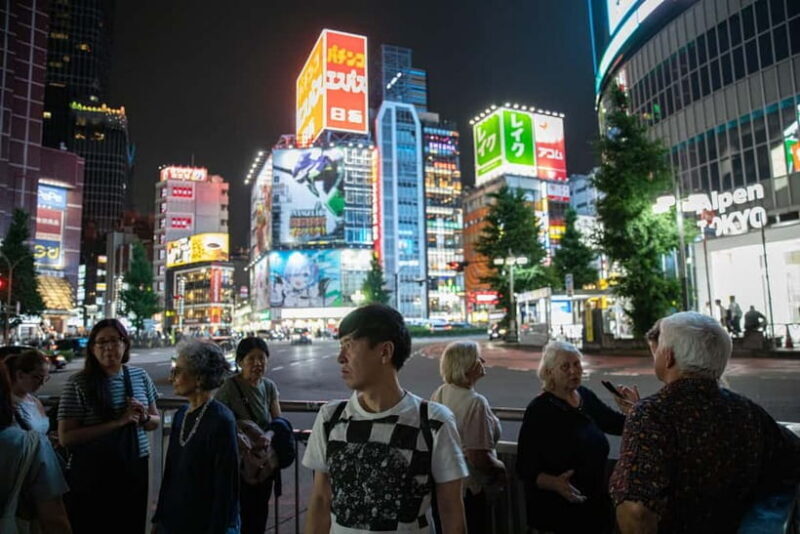
There are two possible meeting points: the Shinjuku Tourist Information Center or the police box at the station’s East Exit. Your booked option determines which one applies. Don’t assume you can pick whichever is easiest on the day.
This is a spot where a little planning pays off. Shinjuku Station is enormous, and several tour groups may gather around busy meeting areas. Check your booking details, allow extra time to find the right exit and look for your guide before the start. The tour does not wait for late arrivals.
The police box is also the first stop on the route, with a short guided introduction. From there, the guide leads the group into the surrounding streets. The station area is crowded, so keep close enough to hear the guide and follow any instructions about crossing or regrouping.
If you enjoy exploring Tokyo on foot, these walking tours might also suit your style
Omoide Yokocho is one of the route’s most distinctive contrasts with Shinjuku’s big streets. This compact lane area is known for small bars and eateries, with a close-up, old-school feel that sits in striking contrast to the nearby towers and neon.
The stop gives you time to look around and hear how the area fits into Shinjuku’s nightlife culture. Don’t expect a sit-down meal as part of the tour. The guide may share food suggestions, and you can use those tips to plan a return visit after the walk.
The alleys are narrow and can be busy. That’s part of their appeal, but it also means you’ll need to be aware of the group and people moving through. If you want to take photos, be considerate of diners and businesses, and don’t block the lane.
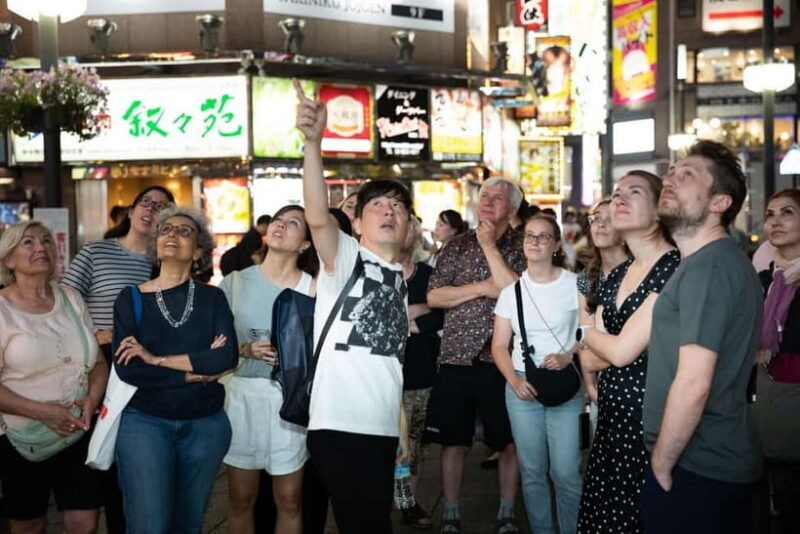
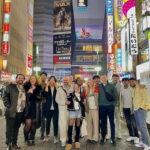
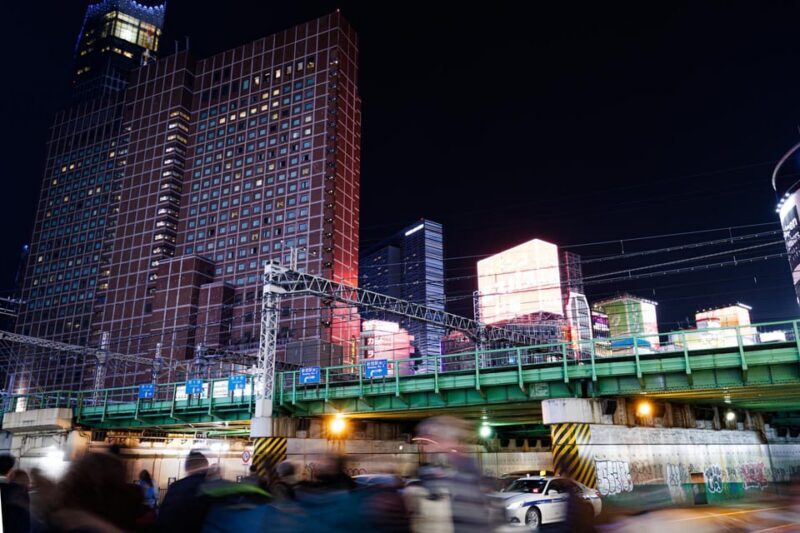
Kabukicho is the centerpiece of the walk. The entertainment district is known for its bright signs, bars, izakayas and many kinds of nightlife venues. A guide helps you read the area beyond its obvious visual spectacle, pointing out how the district has changed from its roots as a red-light area into a wider entertainment hub.
That context is the main reason to take the tour rather than simply walk through on your own. The signs and crowds are easy to notice; the local stories and social background take more work to find. Guides such as Dani, Gray, Loc and Polina have been praised for making the history accessible, answering questions and keeping the walk lively. The guide varies by departure, so you should not book expecting a specific person.
Kabukicho is an active commercial district, not a staged attraction. You’ll pass real businesses and people going about their evening. The tour offers an introduction from the street, rather than entry to venues or a guarantee of access to private nightlife spaces. Keep an open mind, follow the guide’s lead and treat the neighborhood as a place where people live and work, not just a photo backdrop.
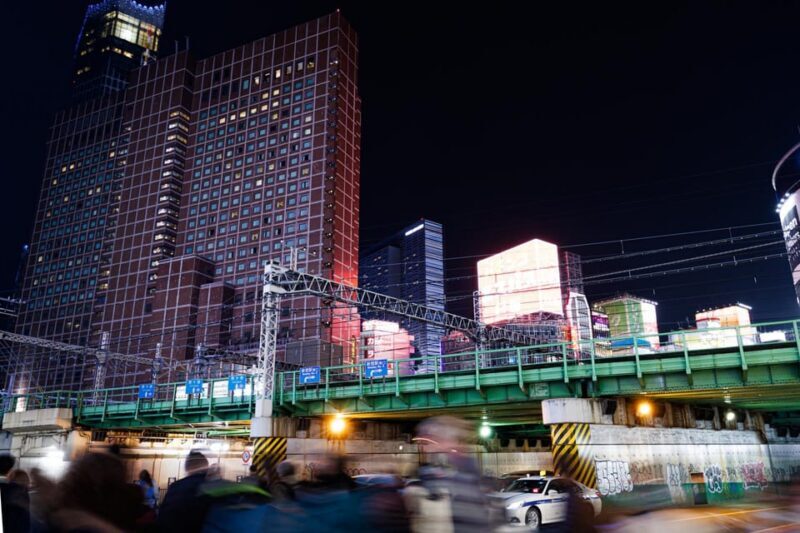
Golden Gai offers a different feel from Kabukicho’s broad streets and large signs. The route takes you through a compact area of small bars and narrow lanes, where the scale of the buildings makes the neighborhood feel tucked away from the surrounding city.
The guide’s explanation helps you understand why this pocket of nightlife has a character of its own. It’s a worthwhile stop even if you’re not planning to drink: you can see the streets and learn about the area without needing to enter a bar. If you do return later, use the guide’s advice and check each venue’s terms before going in.
As with Omoide Yokocho, space is tight. A group walk can make the lanes feel crowded, especially when other people are moving through. Stay with the guide and be patient rather than trying to stop in the middle of a passage for a long photo session.
More Great Tours Nearby
Hanazono Shrine is a welcome pause in a route shaped by neon and nightlife. Its presence makes the contrast between older religious spaces and contemporary entertainment districts easy to see. The shrine stop also helps the tour avoid becoming a simple procession from one bar street to the next.
You’ll have time for a guided visit and an explanation of the site’s place in the neighborhood. The experience is an overview, not a long shrine tour, so treat the stop as a chance to notice the change in atmosphere and ask questions. It’s one of the route’s clearest examples of traditional and modern Tokyo sitting side by side.
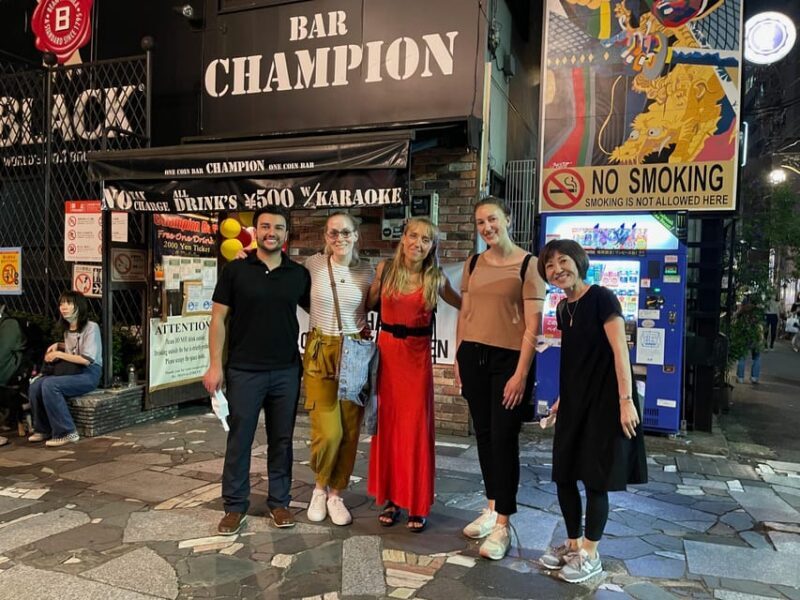
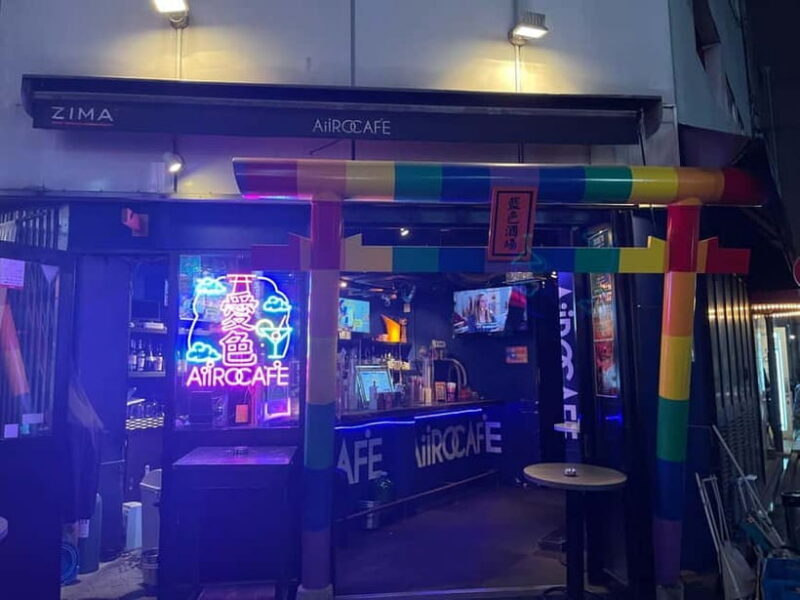
The final listed neighborhood is Shinjuku 2-chome, known for its LGBTQ nightlife. The tour’s focus is to show you another part of the district’s after-dark life and explain its place within Shinjuku’s wider entertainment scene.
This stop is valuable for the broader picture: Shinjuku nightlife is not one single scene. The area includes different communities and venues, and a guided walk can help you understand that variety without reducing it to a string of neon signs. Be respectful when taking photos, especially around people and venues.
The route ends in the Golden Gai area at 3 Chome, so you may finish near a place you’ve already passed. That makes it easy to continue exploring on your own or follow up on a food suggestion from the guide.
At $29 per person, the main value is the guide’s local explanation and the range of neighborhoods covered, rather than admission to attractions or included food. You see several well-known areas in one walk and get practical suggestions for where to eat afterward. For a first evening in Shinjuku, that can save time and make the district easier to navigate on a later visit.
The experience is best understood as an orientation tour. It won’t take you inside every venue or provide a detailed history of every stop. Instead, it gives you a framework: where the main nightlife pockets are, what distinguishes them and which streets you might want to revisit.
The advertised duration is two hours, but the stop-by-stop timings provided add up to about 130 minutes. If you have a tight schedule afterward, check the timing when you book rather than planning around an exact finish.
The guide is included, and departures are offered in English or Spanish. The guides vary, but the tour’s strongest feature is the person leading it: the walk depends on clear explanations, local perspective and the ability to answer questions as you go. Guides including Huy, Loc, Gray, Dani and Polina have all been noted for combining information with humor and practical recommendations.
This is a walking tour through busy streets and narrow lanes, so wear comfortable shoes and be ready to keep moving with the group. The tour information does not specify a group size, and you should not assume the group will be small. If you prefer independent wandering or want to spend a long time inside one venue, this format may feel brisk.
Alcohol and drugs are not allowed as part of the activity, and the tour is not suitable for anyone under 18. You can reserve now and pay later, and cancellation is free up to 24 hours in advance. Those terms give you some flexibility, but they don’t remove the need to reach the meeting point on time.
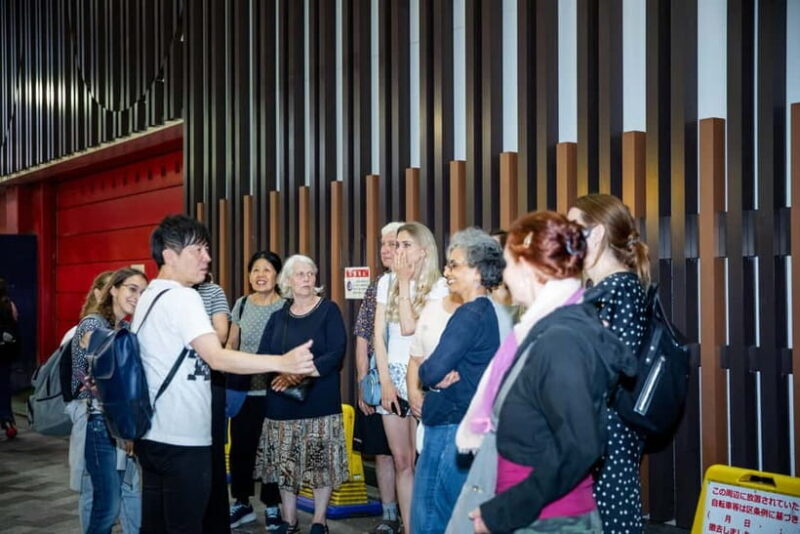
Book it if you want a guided first look at Kabukicho and the surrounding nightlife districts, especially if you value context and food tips as much as photos. The route’s mix of alleyways, entertainment streets, a shrine and 2-chome offers a more complete introduction than a quick stroll through the main neon strip.
Skip it if you’d rather explore at your own pace, already know Shinjuku well or want a tour built around eating and drinking. For most first-time visitors who are curious about Tokyo after dark, $29 is a fair price for a focused orientation and an informed guide. Arrive early, confirm your meeting point and leave room in your evening to try one of the guide’s recommendations.
“Dani was a great guide, walking us through the dark parts of Tokyo, which was interesting to learn about. Good recommendations of food and places t…”
The advertised duration is two hours. The listed stop timings add up to about 130 minutes, so check the expected finish time if your schedule is tight.
The listed price is $29 per person.
The tour is offered with a live guide in English or Spanish.
The two possible starting points are the Shinjuku Tourist Information Center and the Shinjuku Station East Exit Police Box. Your meeting point depends on the option you book.
The two listed drop-off points are Shinjuku Golden-Gai and 3 Chome.
The route includes the Shinjuku Station East Exit Police Box, Omoide Yokocho, Kabukicho, Golden Gai, Hanazono Shrine and Shinjuku 2-chome.
No. It is not suitable for children under 18.
Yes. You can cancel up to 24 hours in advance for a full refund.
You can check availability for your dates here: