Physical Address
304 North Cardinal St.
Dorchester Center, MA 02124
Physical Address
304 North Cardinal St.
Dorchester Center, MA 02124

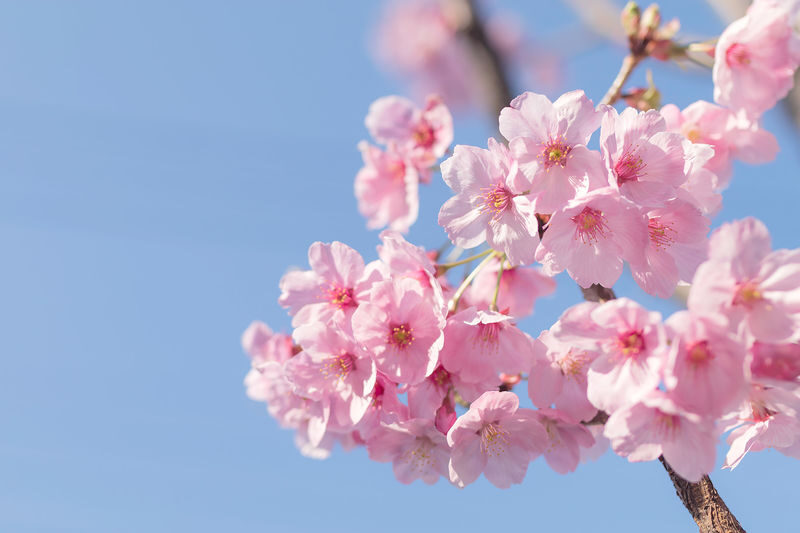
See Jinhae’s famous cherry blossoms on a guided day trip from Busan or Seoul, with transport to Gyeonghwa Station and Yeojwacheon Stream.
At Jinhae’s spring festival, cherry trees arch over railway tracks and line a stream crossed by small bridges. The town draws more than two million visitors in a typical festival year, so getting there and moving between its sights can be a project in itself. This coach tour takes care of the intercity ride and gets you to two of the area’s best-known blossom spots.
I like two things in particular: the direct transport saves you from arranging festival-day buses, and the long stop at Yeojwacheon Stream gives you time to walk, take photos, and pause for a snack. Guides such as Sherry, Katrina, and Julie have also earned praise for clear updates and practical local tips.
The trade-off is a long day that depends on traffic, weather, and the blossoms being in season. Festival crowds can slow the return, and you’ll need to be punctual at each pickup. Treat the schedule as a plan, not a promise to the minute.
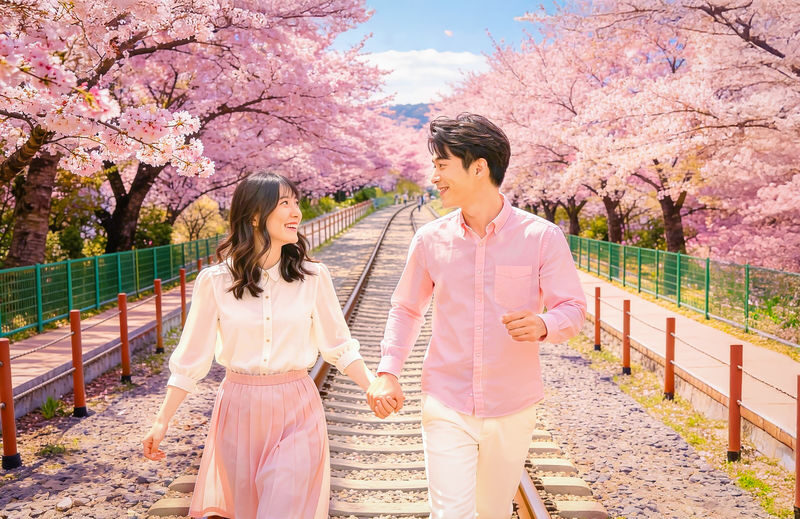
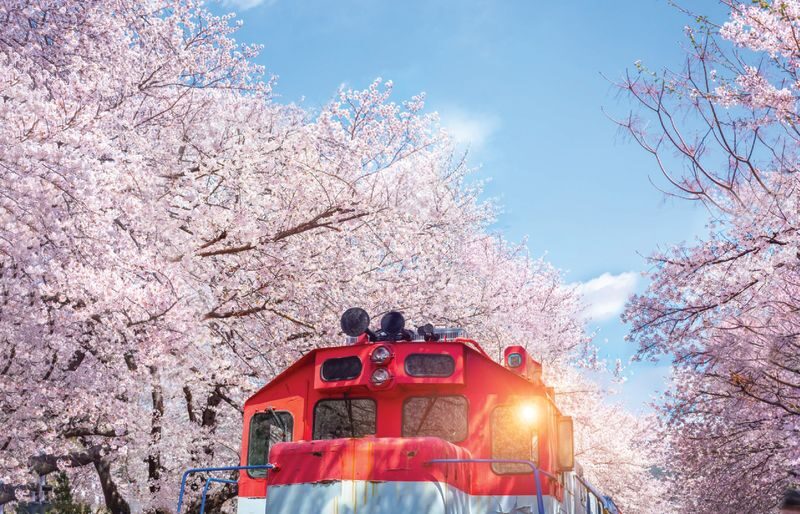
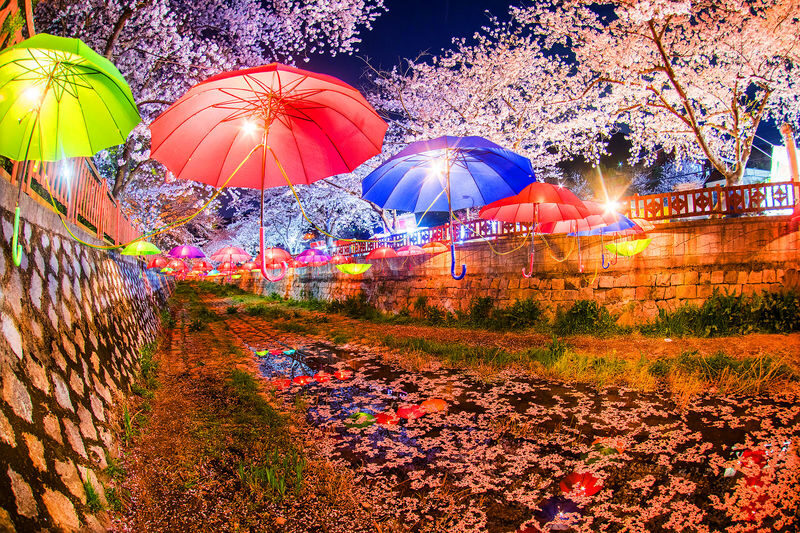
Jinhae, in Changwon-si in southern Korea, is known for its spring cherry blossom festival. The trees are the main attraction, but the two stops on this tour give you different ways to enjoy them. Gyeonghwa Station has a railway setting, while Yeojwacheon Stream brings blossoms, water, and bridges together.
The timing matters. Jinhae can see blossoms relatively early in the Korean spring, but peak bloom depends on the season’s weather. A tour date cannot guarantee full bloom. If the flowers are just opening or already dropping, the visit can still be worthwhile, but the famous pink tunnels may look different from the pictures.
The festival itself is large, and that scale changes the practical value of a coach tour. When roads and local transport are busy, a planned ride between the main sights means less time figuring out connections. It doesn’t spare you from crowds, but it does take some transport decisions off your plate.
The listed Busan day tour reaches Gyeonghwa Station at about 10:00, after a morning departure. You have two hours here, and the visit is self-guided. That lets you choose your pace and spend more time where the blossom display catches your eye.
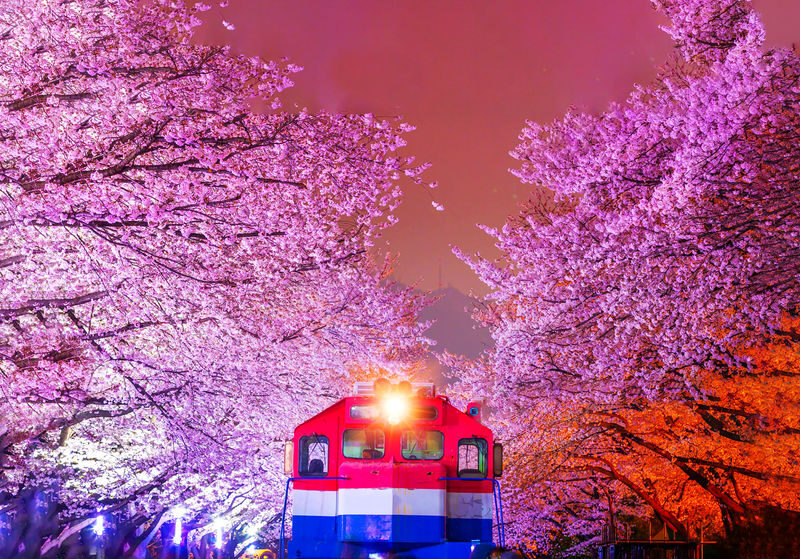
The famous view is the cherry trees arching over the railway tracks. It’s a straightforward photo stop, but the setting gives the blossoms a strong sense of place. The station is one of the two main reasons many people make the trip to Jinhae, so expect other people to be taking photos too.
Two hours is generous for a single stop, though it can feel shorter when the festival is crowded. Your guide can help with directions and, in some cases, photo-taking. Guides named in tour feedback include Sherry and Sky, who were praised for helping with pictures and giving clear instructions. Guide assignments vary, so don’t count on a particular person.
Some tours may include other stops beyond the two blossom locations listed here. One account describes a visit to a naval site, where photography was prohibited and walking was required. That is not part of the stated standard two-stop plan, so ask your guide what is included that day, especially if you have mobility concerns or want to spend the whole outing on blossom viewing.
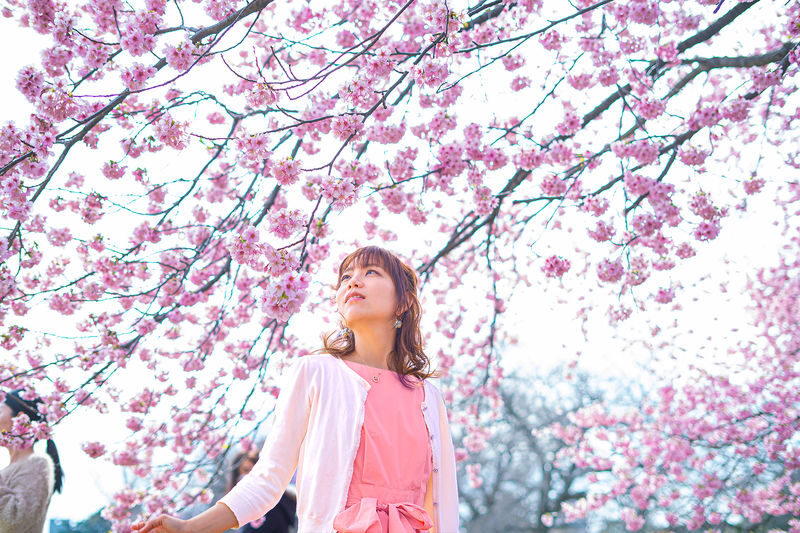
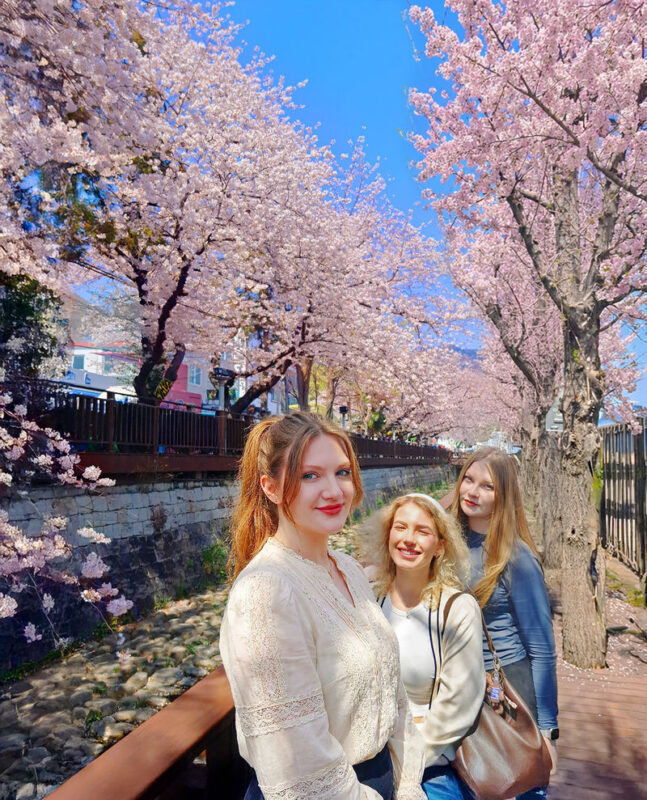
At about 12:30, the listed Busan day itinerary moves to Yeojwacheon Stream, allowing three and a half hours. This is the longer stop, and for good reason: the cherry trees line the water, with bridges adding another angle for photos and a more relaxed walk.
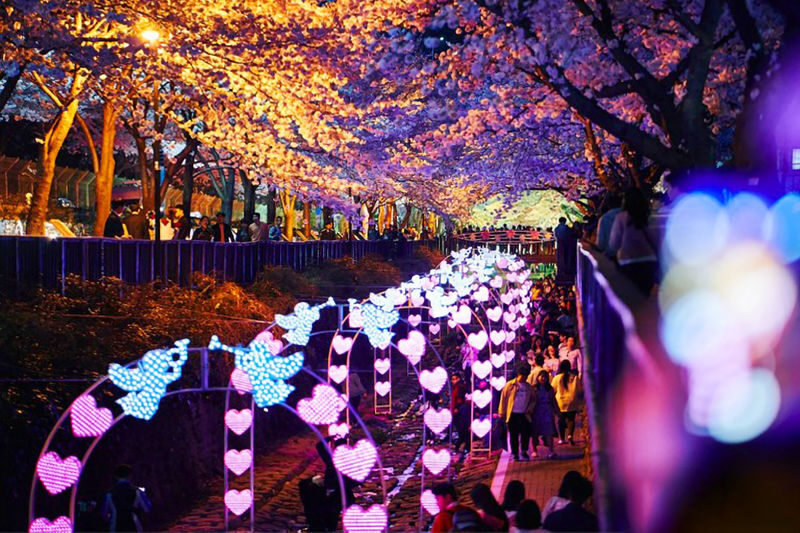
I’d use the time to move beyond the first obvious photo spot. The stream is a popular festival centre, and the main paths can be crowded. A little patience, or a short walk away from the busiest stretch, may help you find a quieter view. Follow your guide’s directions about where and when to meet again; the free time only works if everyone returns on schedule.
Food is not included, but the festival area has vendors. Guides have suggested local snacks and places to eat, and visitors have found simple options such as boiled corn and egg bread. If you have dietary needs, don’t assume there will be a suitable meal waiting for you. Vegetarians, in particular, may want to bring something from Busan.
The schedule leaves ample time to stroll, take photos, and sit for a café break if you find one. You won’t be following a guide in a tight group the whole time. Instead, the guide helps with the transfer and keeps the group coordinated, while you explore independently.
For the listed Busan round-trip day tour, pickup begins at 07:20 at Haeundae Station Exit 5. Other boarding points are Seomyeon Subway Station Exit 8 at 08:00 and Busan Subway Station Exit 3 at 08:30. The instructions distinguish these from similarly named shopping-centre or KTX-station exits, so check the exact meeting point before leaving your hotel.
Arrive at least 10 minutes early. Late arrivals and no-shows are not refundable, and a festival coach cannot wait indefinitely without affecting the rest of the day. Look for the Lecirt logo at the pickup point.
After the two-hour visit at Gyeonghwa Station, the bus ride to Yeojwacheon is scheduled for about 30 minutes. The stream stop lasts three and a half hours, and the tour leaves Jinhae at around 16:00. The listed Busan return drop-offs are Busan Station at 17:30, Seomyeon at 18:00, and Haeundae at 18:30.
Those times can shift. The operator warns of weekend festival traffic, and the drive may take longer when roads are crowded. Keep your evening plans flexible, especially if you have a timed reservation or train to catch after returning to Busan.
You can also choose a round trip from Seoul. The supplied details do not give a Seoul pickup time or a stop-by-stop schedule, so check the exact departure and return arrangements for your date before booking. The long distance makes this a full-day commitment.
The one-way transfer packages are a different proposition. They combine the Jinhae tour with a transfer from Seoul to Busan or from Busan to Seoul, which can save you from making a separate intercity trip. The listed transfer packages cost more than the round-trip options, but that extra charge may make sense if you already plan to change cities.
Read the package name and itinerary carefully. Transfer logistics can be less straightforward than a round trip, and there has been confusion when people expected a particular stop list or shared-tour arrangement. Confirm where you’ll meet, where you’ll finish, and which stops are planned before setting off.
For transfer packages, each person may bring one suitcase up to 30 inches. Luggage storage and delivery services are not provided, so keep your bags within that limit and don’t expect the operator to handle extra luggage.
The tour includes round-trip transport to and from the selected meeting point, vehicle costs, parking fees, and attraction admission. You also have a Chinese-, English-, or Korean-speaking guide, with English-speaking staff included. The precise language support depends on the departure and group.
Guide quality can make a practical difference on a crowded festival day. Sherry has been praised for upbeat explanations, photo help, and snack suggestions. Katrina has been noted for giving instructions in English and Chinese, while Julie was described as helpful in English, Korean, and Mandarin. These are examples, not a promise about who will lead your departure.
Meals, drinks, personal expenses, tips, and insurance are not included. Factor in lunch and snacks, plus a little extra time for queues or walking between sights. The tour is mostly about getting you to the right places; the time at each stop is self-guided rather than a detailed, continuous walking tour.
Prices depend on the package. The supplied options list a Busan or Seoul round trip from US$74.59, and a transfer between Seoul and Busan from US$89.49. The tour summary also shows a starting price of US$85.79, so check the live price for your chosen date and option. The value is strongest if you want to avoid arranging festival transport yourself, or if the one-way transfer fits a wider Korea itinerary. It may feel less compelling if you’re comfortable planning local buses and want a cheaper, more flexible day.
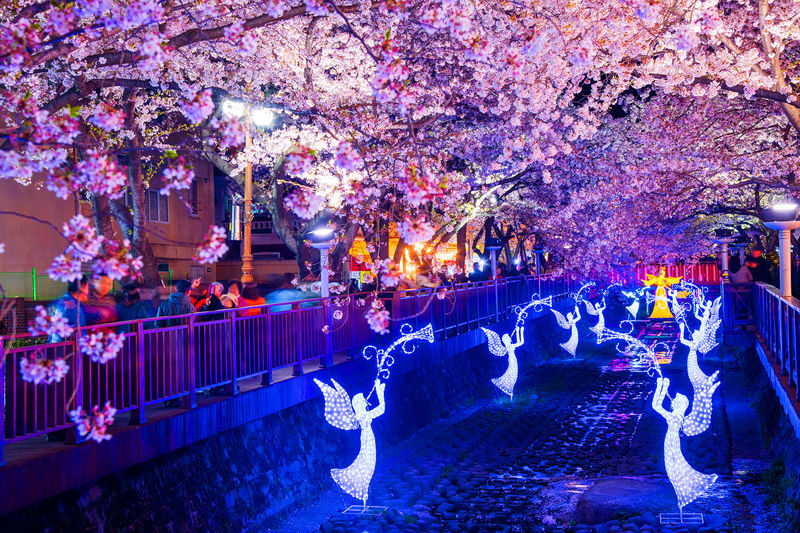
The blossoms are seasonal, and weather affects both the viewing conditions and the timetable. A sunny day can make the flowers especially photogenic, but a forecast alone cannot tell you whether the trees will be at peak bloom. Keep expectations flexible and check the festival dates and bloom updates as your trip approaches.
Expect crowds during festival weekends. The tour doesn’t remove the queues or traffic, but it helps you avoid having to find your own transport between Busan and the festival area. Drivers may need extra time to reach parking or navigate congested roads, so patience is part of the package.
Wear shoes suitable for walking between popular spots, and keep an eye on the time during self-guided visits. If you need to limit walking, tell the guide early and ask about the day’s stops. That is especially useful if an additional site is added, since some places may involve a longer walk and may restrict photography.
For cancellations, a full refund is available if you cancel at least 24 hours before the activity date, using the destination’s local time. The operator may cancel for extreme weather or other unforeseen events; in that case, you can request a reschedule or full refund. Booking changes are generally allowed until 24 hours before the activity, subject to stated exceptions.
Book it if you’re staying in Busan or Seoul and want to see Jinhae without organizing festival transport on your own. The two main stops offer distinct settings, and the generous self-guided time gives you room to take photos, walk, and find a snack. The one-way package can be especially useful if you’re moving between Busan and Seoul anyway.
Think twice if you need a tightly predictable return time, dislike crowds, or want a fully guided experience at every stop. Traffic can stretch the day, and the schedule gives you free time rather than a guide-led tour throughout. If you’re prepared for those limits, this is a practical way to see Jinhae’s signature spring sights without spending the day managing connections.
“We were very lucky to have great weather to see the cherry blossoms. The entire trip was well-managed in terms of time, and our guide, Sherry, also…”
The listed Busan pickup points are Haeundae Station Exit 5 at 07:20, Seomyeon Subway Station Exit 8 at 08:00, and Busan Subway Station Exit 3 at 08:30. Check the precise location details, as the instructions distinguish some exits from nearby stations or shopping areas.
Arrive at least 10 minutes before departure. Late arrivals and no-shows cannot be refunded.
The listed Busan day itinerary includes Gyeonghwa Station and Yeojwacheon Stream. It allows two hours at the station and three and a half hours at the stream, with a bus transfer between them.
The listed schedule gives you three and a half hours at Yeojwacheon Stream, from about 12:30 to 16:00.
No. Meals and beverages are not included. You’ll need to pay for food and drinks yourself.
Each person on a transfer package may bring one suitcase up to 30 inches. Luggage storage and delivery services are not provided.
The same price applies to all ages, but children aged 0 to 2 can join for free.
Yes. The package options include round trips from both Seoul and Busan, as well as one-way transfers from Seoul to Busan and from Busan to Seoul. Check your selected option for its exact schedule and meeting details.
A full refund is available if you cancel at least 24 hours before the activity date, based on local time at the destination. For cancellations due to extreme weather or other unforeseen events, the operator offers the option to reschedule or request a full refund.