Physical Address
304 North Cardinal St.
Dorchester Center, MA 02124
Physical Address
304 North Cardinal St.
Dorchester Center, MA 02124

See Hiroshima’s Peace Park and Museum, eat okonomiyaki, then cross the bay to Miyajima on this guided, eight-hour day tour.
The power of this day is its contrast: Hiroshima’s Peace Park asks you to pause and remember, while Miyajima’s shrine and sea gate offer a striking change of scene. In eight hours, you get both essential sides of a visit to the area, with an English-speaking guide to add context along the way.
I like the included okonomiyaki lunch, which gives you a taste of Hiroshima’s noodle-layered pancake, and the bus and ferry connections, which make a full day of separate sights easier to manage. The main compromise is time: the museum and Miyajima each get about an hour, so you’ll need to choose what matters most.
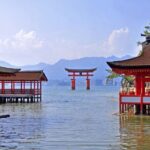
This tour joins a visit to Hiroshima’s Peace Memorial Park with a ferry trip to Miyajima Island. The first half is thoughtful and sobering; the second brings you to Itsukushima Shrine, famous for its red gate that appears to float in the bay when the water surrounds it.
At $116 per person, the price covers an air-conditioned bus, an English-speaking guide, return ferry fare, entry to the Peace Memorial Museum and Itsukushima Shrine, and lunch. That bundle makes the day straightforward to plan, especially if you have only one full day in Hiroshima. You still pay separately for drinks, and there is no hotel pickup or drop-off.
The tour has a 4.7 rating from 395 bookings, and its strongest points are consistent: guides who explain the places clearly, smooth transport and a useful overview of two major destinations. The trade-off is a tight timetable. If you want to read every museum exhibit or explore Miyajima beyond its central sights, you may wish for more time.
You can check availability for your dates here:
Meet at Hiroshima Station’s Shinkansen Gate, second floor, North Gate. The meeting time is 9:45 a.m., with the bus scheduled to leave at 10. Look for the HIS signboard and arrive early: the bus does not wait for late arrivals.
A short bus ride starts the day, passing Hiroshima Castle on the way to the Peace Park. The castle is a scenic drive-by, not a scheduled stop, so don’t count on time to visit it. The bus is air-conditioned, a practical plus in summer heat and on a full day of walking.
You can store luggage in the bus compartment during the tour, which is useful if you are moving between hotels or continuing your trip. The experience is shared with other people, not private, and the guide uses earphones so you can hear commentary during the visit. Keep the earphones safe and return them at the end: loss or damage may lead to a replacement charge of up to 18,000 yen.
You might also be interested in these Hiroshima experiences
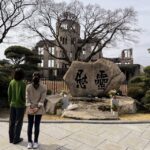
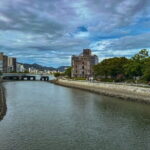
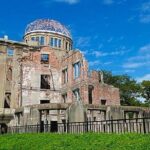
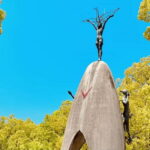
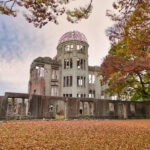
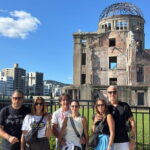
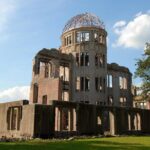
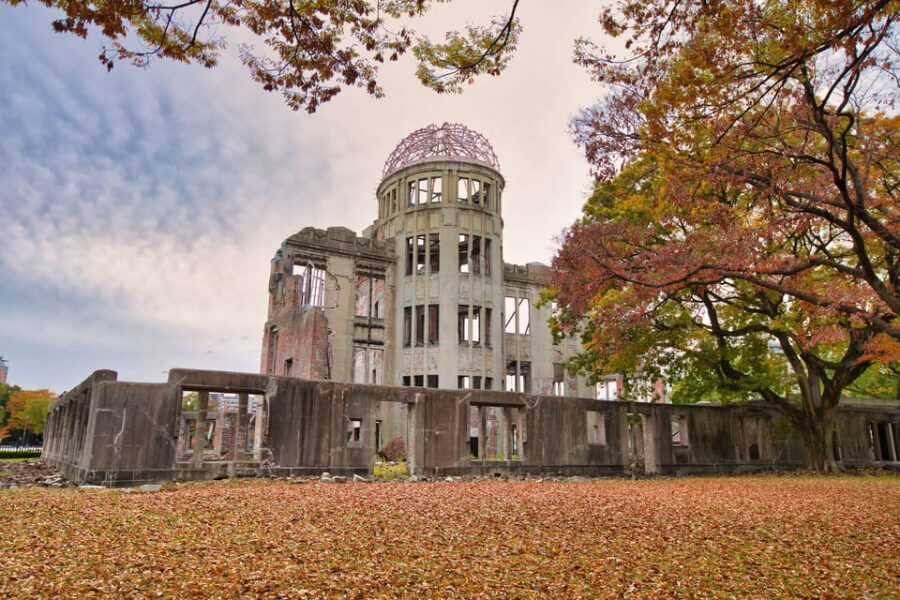
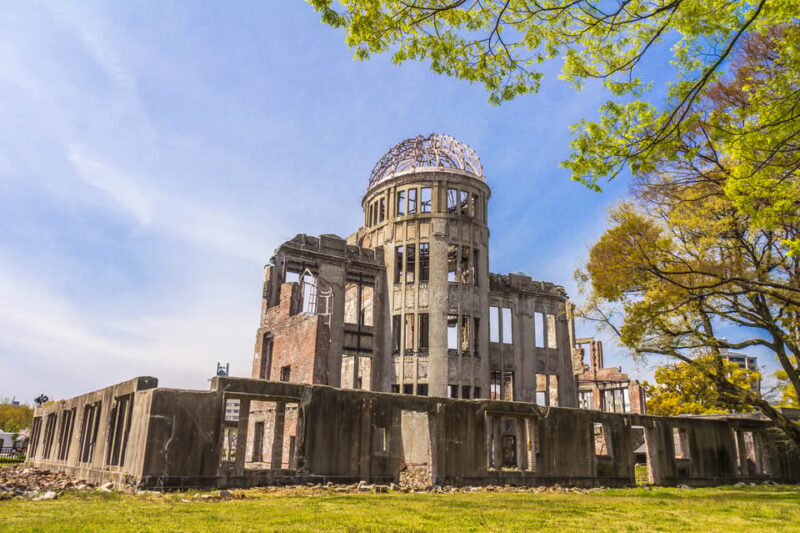
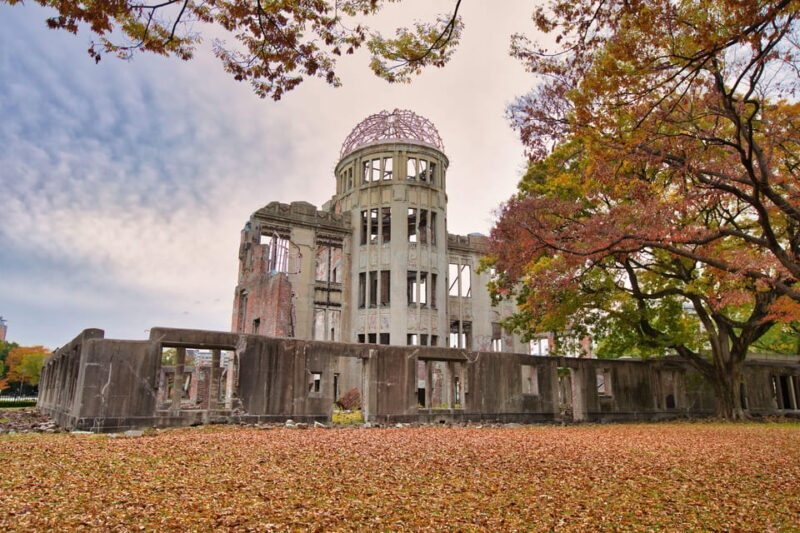
The first major stop is the A-Bomb Dome, the preserved ruin of a building damaged by the atomic blast. Its exposed frame makes the scale of destruction visible in a way that dates and figures alone cannot. The tour allows about 30 minutes here, a short but useful introduction before the museum.
The group then visits Hiroshima Peace Memorial Museum for around an hour. The museum gives the history and human cost of the bombing a fuller frame, and the guide’s explanations can help you place what you see in context. This is a serious, emotionally demanding stop, so leave room to take it at your own pace where the schedule permits.
One hour is enough for a focused visit, not a slow reading of every display. The museum can be busy, and some people find they want more time to absorb the exhibits and walk through the surrounding memorial grounds. If the museum is closed, the tour visits Hiroshima National Peace Memorial Hall for the Atomic Bomb Victims instead. The museum is closed December 30 and 31, and February 16 through 21.
Guides are a major part of this morning. Past tour leaders have included Hiro, Joe, Takane, Miyuki and Azusa. The guide assigned to your departure may differ, but the English-language commentary is intended to connect the sites with Hiroshima’s history and local perspective. Some guides have also shared personal or family stories, adding a human dimension to the visit.
After the Peace Park, you’ll stop for a 45-minute lunch at a local restaurant. The included meal is Hiroshima-style okonomiyaki, a savoury pancake layered with pork, cabbage, bean sprouts, fish powder, noodles and egg. Watching the dish being prepared can be part of the pleasure, and the meal offers a simple taste of a local specialty rather than a generic tour-group lunch.
There are three listed choices: regular okonomiyaki; a version without pork but with egg; or one without pork, fish powder or egg. Tell the operator about allergies and dietary restrictions when booking. Menu changes cannot be arranged on the day, so don’t wait until lunch to explain what you need.
Vegetarian meals have been arranged when requested in advance, but the listed options do not promise a broad range of substitutions. Confirm your requirements before booking. Drinks are not included, and the tour does not allow you to bring your own food or drinks into the restaurant. If you need water with lunch, plan to buy it there if available.
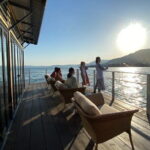
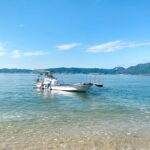
After lunch, the bus takes you to the ferry, then it’s a short crossing of about 10 minutes to Miyajima Island. The ferry ticket for the return trip is included, so you don’t have to arrange the crossing yourself. The change from city memorials to an island shrine is one of the day’s most memorable shifts.
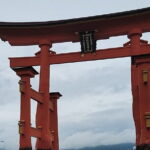
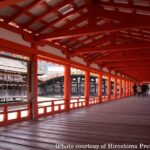
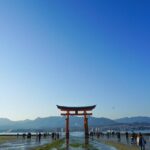
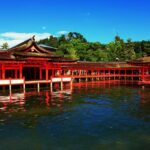
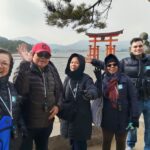
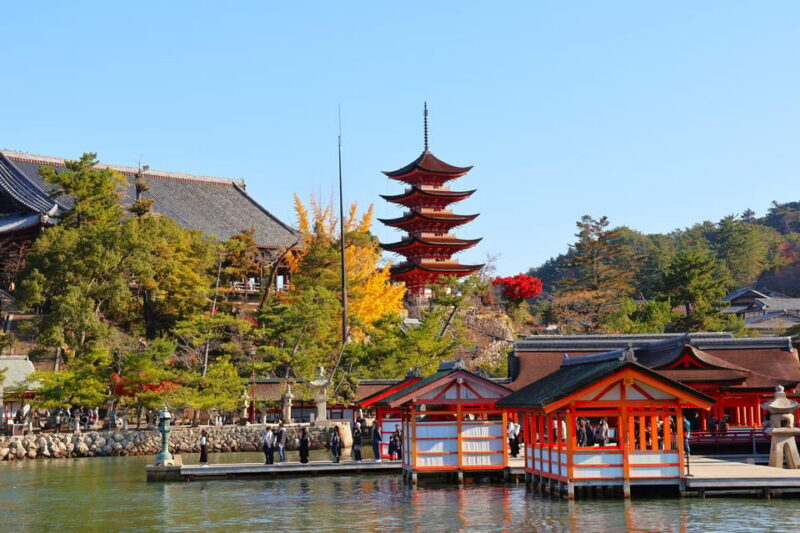
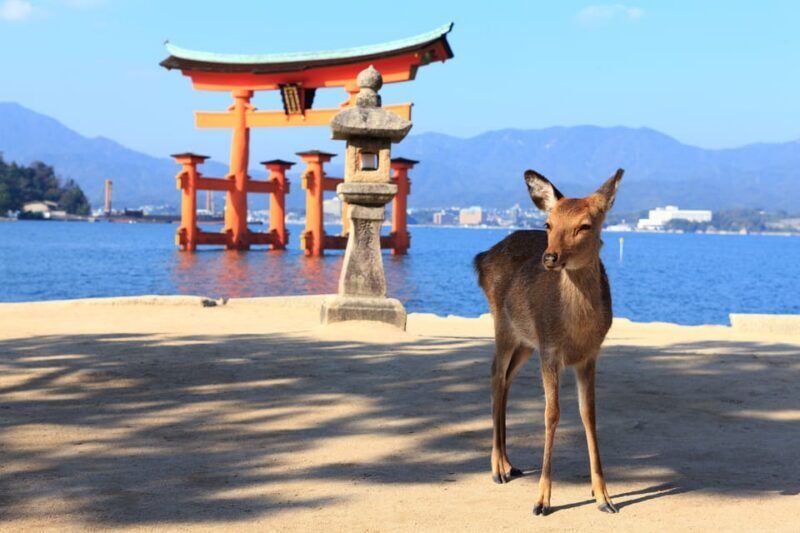
Itsukushima Shrine is a Shinto shrine and a UNESCO World Heritage Site. The famous red torii gate is set in the water, where it can appear to float when the tide covers the ground around it. The tour includes shrine admission and about an hour for sightseeing there, giving you time to see the main approach and appreciate the setting.
The gate’s appearance depends on the water level, so the view may differ from the familiar image of it surrounded by water. The schedule doesn’t specify the tide, and you should not expect a particular scene. Even so, the shrine and its setting are the reason many people make the trip to Miyajima.
More Great Tours NearbyAfter the guided shrine visit, you get about an hour of free time on Miyajima. That is enough for a brief look around and perhaps a stop for a snack or a shop, but it is not a leisurely island visit. There are more shrines and local foods to explore, and people who want to linger may find the hour short.
I’d treat this as a sampler. Follow the guide’s timing closely, and keep an eye on the meeting point and departure instructions so you don’t miss the return ferry. If you have a longer stay in Hiroshima, you can come back to Miyajima on your own and give the island more breathing room.
The ferry takes you back across the bay, followed by a bus ride of about 50 minutes to Hiroshima Station. The tour is eight hours in total, but the return time can matter if you have a train to catch. If you plan to continue by Shinkansen, allow a buffer and book a departure after 6:30 p.m.
You might also be interested in these Hiroshima experiences
This is a good fit if you want a guided introduction to Hiroshima and Miyajima in one day, without piecing together bus, ferry and admission details yourself. The bus makes the route more manageable, and the guide’s commentary helps give shape to a day with two very different themes.
It is less suited to you if you prefer long, unstructured visits. The museum’s exhibits reward time, and Miyajima has more to see than fits into its short free-time window. You will also do a lot of walking, so wear comfortable shoes and be realistic about your stamina. The tour is not suitable for wheelchair users.
Guides have been praised for clear English, warmth and a knack for keeping a group moving without making the day feel like a checklist. Names such as Hiro, Joe, Takane and Azusa come up among past guides, but the specific guide varies. Earphone guides help you follow commentary, especially when the group is spread out.
The price makes sense if you value convenience and want the main elements bundled together. Museum and shrine admission, return ferry fare, lunch and air-conditioned bus transport are included, along with the live English guide. You can compare that against the cost and effort of arranging each leg yourself, but the bigger value is having a coherent route and someone to explain what you’re seeing.
The compromise is that this is an overview, not a deep visit to either destination. You are paying for a full, organized day that covers the essential stops, not for hours at each one. For a first visit or a tight schedule, that balance is useful. If you have time to spare and want to explore at length, separate visits may suit you better.
Free cancellation is available up to 24 hours in advance for a full refund, and you can reserve now and pay later. Those options add flexibility, but the key planning detail remains the firm 10 a.m. departure.
Book it if you have one full day, want both the Peace Park and Miyajima, and appreciate an English-speaking guide and transport arranged for you. The combination of memorial sites, local lunch and island shrine makes for a thoughtful, varied day, and the included admissions and ferry help the $116 price feel practical.
Think twice if you want to spend hours at the museum, browse Miyajima at a slow pace, or have difficulty walking. This tour moves at a set pace and gives you a taste of each place. For many first-time visitors, that is a worthwhile introduction. Just arrive early, tell the operator about food restrictions in advance, and leave room in your schedule after the return to Hiroshima Station.
“The tour took us to the most important sites in Hiroshima and Miyajima Island. Our tour guides gave us a wealth of information and, more importantl…”
Meet at Hiroshima Station’s Shinkansen Gate, second floor, North Gate. The meeting time is 9:45 a.m., and the bus departs at 10 a.m. Look for the HIS signboard.
The tour lasts eight hours. If you plan to take a Shinkansen after the tour, a departure after 6:30 p.m. is recommended.
Yes. The live tour guide speaks English, and earphone guides are provided so you can hear the commentary.
The price includes an air-conditioned bus, entry to Hiroshima Peace Memorial Museum and Itsukushima Shrine, a return ferry ticket to Miyajima, and Hiroshima-style okonomiyaki lunch.
Lunch is Hiroshima-style okonomiyaki with pork, cabbage, bean sprouts, fish powder, noodles and egg. Listed alternatives include options without pork, and one without pork, fish powder or eggs.
Tell the operator about allergies or dietary restrictions when you book. Menu changes cannot be arranged on the day, so make your request in advance.
The tour visits Hiroshima National Peace Memorial Hall for the Atomic Bomb Victims instead. The museum is closed December 30 and 31, and February 16 through 21.
No. The tour involves a lot of walking and is listed as unsuitable for wheelchair users.
Yes. Luggage can be kept in the bus’s luggage compartment during the tour.
You can check availability for your dates here: