Physical Address
304 North Cardinal St.
Dorchester Center, MA 02124
Physical Address
304 North Cardinal St.
Dorchester Center, MA 02124

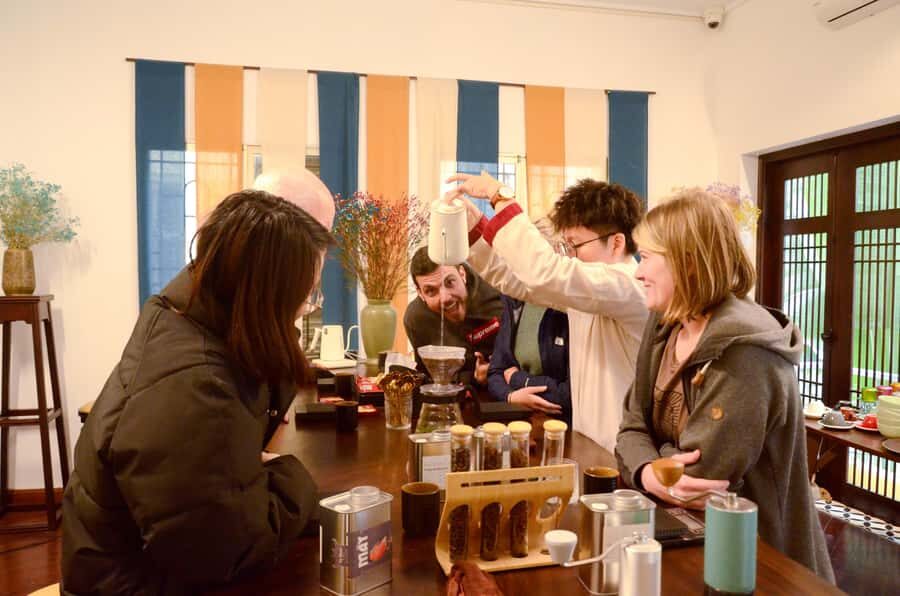
Make six Vietnamese coffee styles in a Hanoi villa, learn the stories behind each cup, and take home digital recipes from this hands-on workshop.
Vietnamese coffee is more than a strong brew with condensed milk. At Su Quan Roastery, you learn how beans, brewing tools, local history, and family traditions shape the cup, then make six coffee styles yourself in a tucked-away Hanoi villa. It is a welcome change from simply ordering another coffee at a café.
I like the hands-on brewing, which lets you work with methods such as the Vietnamese phin filter, and the guides’ personal stories, which give the tasting a human connection. The villa setting adds a calm pause to a busy Hanoi day. One thing to plan for: the address can be tricky to find, and several coffees are sweet, so arrive with a flexible schedule and a little food in your stomach.
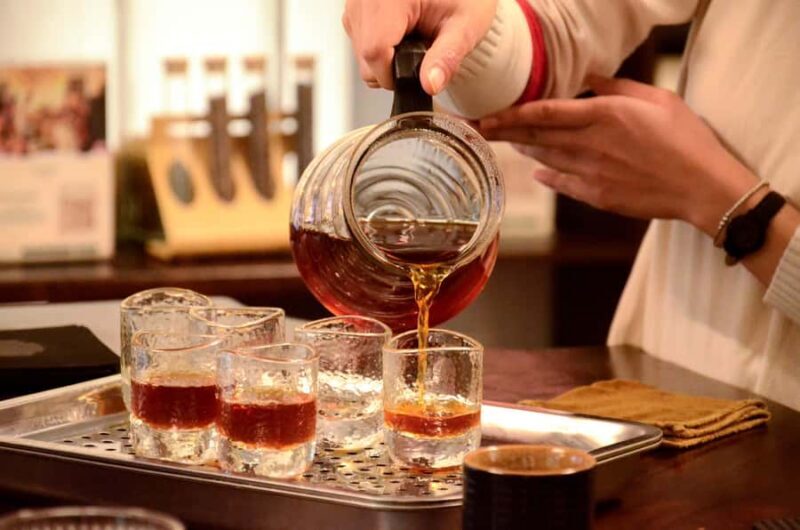
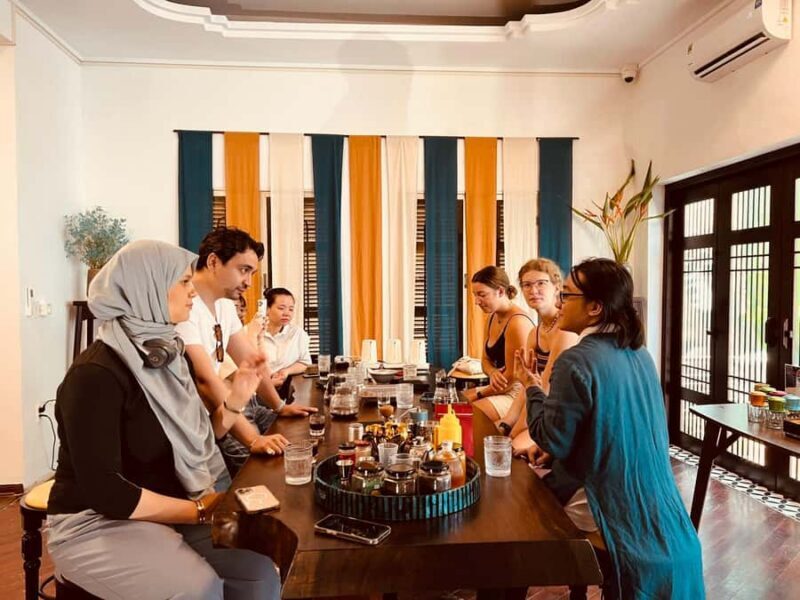
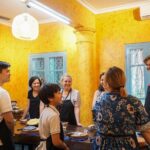
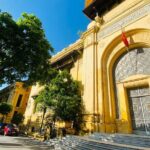
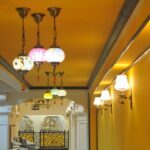
The workshop starts with a welcome drink, ancestral herbal tea, in a villa that feels a world apart from Hanoi’s traffic and street noise. The venue is described as an Indochina-style house, with heritage details and a relaxed pace that suit a session built around conversation and careful brewing.
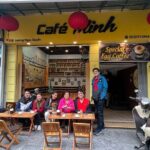
Getting there takes a little attention. The villa is tucked into a quiet alley, and the entrance can be hard to spot from the main road. If you are not using an included pickup option, check the confirmed address with the operations team before setting out. One practical tip is to reach Sylvan Café and message the contact person for directions or assistance, as the workshop entrance is not obvious.
The class is led in English by cultural storytellers and baristas. Guides named in past sessions include Piey, Sam, Alex, PA, Simon, and Maxi, though your instructor will depend on the day. People have particularly valued the guides’ energy, personal stories, patience with questions, and ability to keep the group involved. That matters in a class where the history is as much a part of the experience as the drinks.
Group sizes can vary. One reported session had 11 people, including the instructor, and participants took turns preparing coffee. A private group is also available. If you prefer to ask questions as you go, or want a more personal pace, check whether a private option suits your plans.
Wine enthusiasts might appreciate these other Hanoi tasting experiences
Before you start making drinks, the guide sets the scene: coffee’s journey around the world, Vietnam’s place in that story, and the way local growing and brewing practices shape what ends up in your cup. The workshop also discusses Su Quan’s Da Lat farm and its intercropping traditions, a method linked to sustainable farming.
This background gives the tasting more meaning than a string of recipes. You hear about how beans are grown, harvested, and roasted, as well as the people and families involved in coffee production. The aim is not simply to teach you to copy a café drink. It is to help you understand why Vietnamese coffee has its own identity.
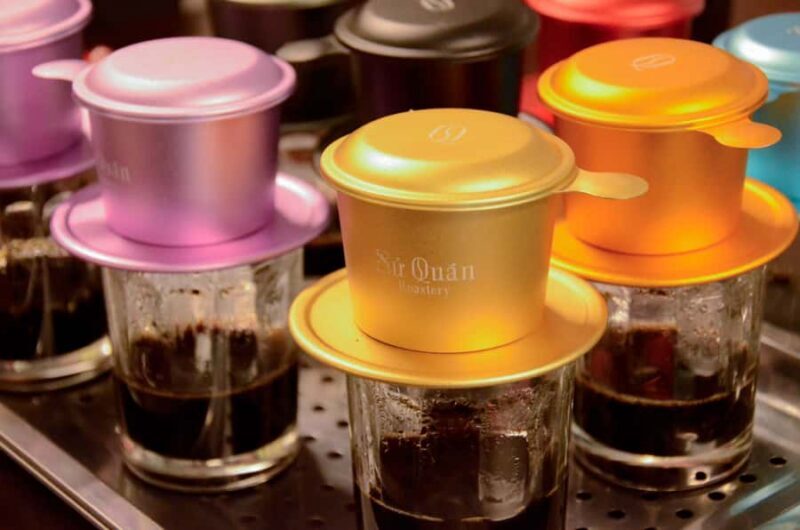
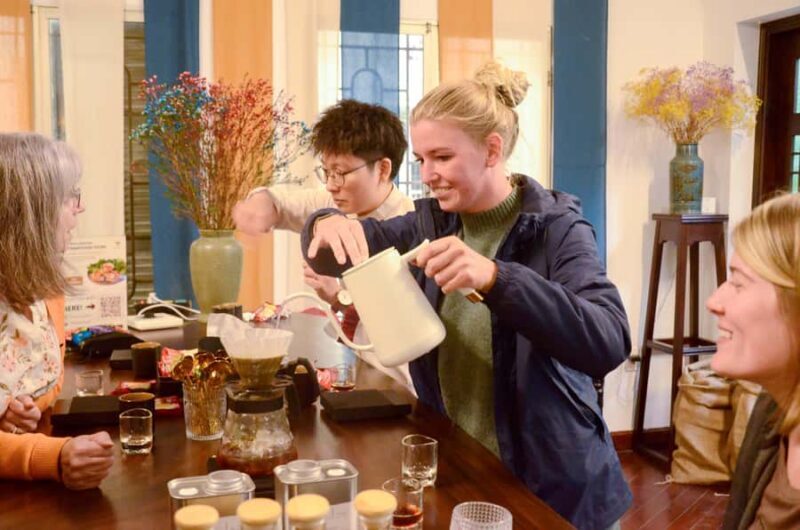
Brewing equipment gets practical attention, especially the phin, Vietnam’s small metal filter. You learn how its slow drip produces a different rhythm and texture from a quick machine-made coffee. Guides may also introduce pour-over methods and explain how brewing choices affect the final drink.
The farm’s community initiative is part of the story too. Su Quan says a portion of proceeds supports children’s education at its Da Lat coffee farm. That gives your booking a social purpose, though the details supplied do not state the exact amount or how the funding is allocated. If that contribution is a key reason for you to book, ask the operator for current information.
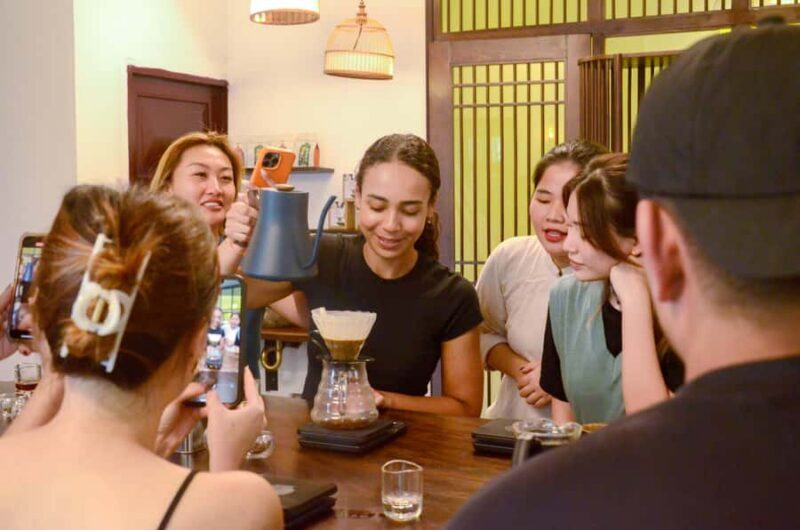
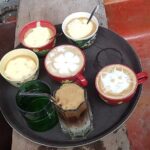
The core of the session is hands-on. Under the barista’s guidance, you prepare six Vietnamese coffee styles and taste as you go. The advertised set includes iconic drinks such as creamy egg coffee, coconut coffee, and traditional pour-over, plus fusion brews. Other styles described in sessions include Vietnamese coffee, salted coffee, and a coffee cocktail.
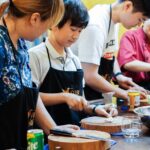
Expect to participate rather than watch a demonstration from the sidelines. The instructor explains each method, then invites you to take a turn with the tools and ingredients. That makes the process easier to remember, and it gives you a chance to ask why a particular coffee is mixed, filtered, or served the way it is.
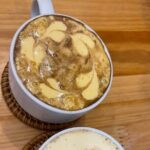
Egg coffee is often the headline act. Its creamy topping gives it a dessert-like quality, so it may surprise you if you expect a straightforward black coffee. Coconut coffee is another popular style, with a sweeter, more indulgent character. Salted coffee and creative brews add variety, while traditional filter coffee lets you focus on the bean and the slow drip.
A useful note for anyone who prefers coffee without sugar: several drinks lean sweet, in keeping with local café styles. The workshop is still valuable if you like black coffee, because you can learn the techniques and taste the contrast, but do not expect every cup to be austere. Come after breakfast or have a snack first. A run of sweet, caffeinated samples can feel like a lot on an empty stomach.
The advertised experience describes six brews and nine tastings, while individual sessions may serve a different number of preparations. Some past groups made four or five local specialties, and the exact lineup can vary. If you are booking mainly for a specific drink, ask whether it will be included in your session.
The included refreshments help pace the tasting. You receive mineral water, available hot or cold, plus snacks and biscuits. The water is a welcome counterpoint to several small cups of coffee, especially if you are sensitive to caffeine or sweetness.
The experience also includes traditional homemade liquor tastings. Some sessions have featured a small liquor shot and a coffee cocktail at the end. The activity title refers to wines, but the supplied details specify homemade liquor tastings rather than naming particular wines. If wine is important to your decision, confirm exactly what is served before you book.
For vegans, one past participant found that the coffee styles could be made vegan apart from egg coffee. That is encouraging, but recipes and ingredients can vary, so tell the operator about dietary needs in advance rather than assuming every alternative will be available.
More Great Tours Nearby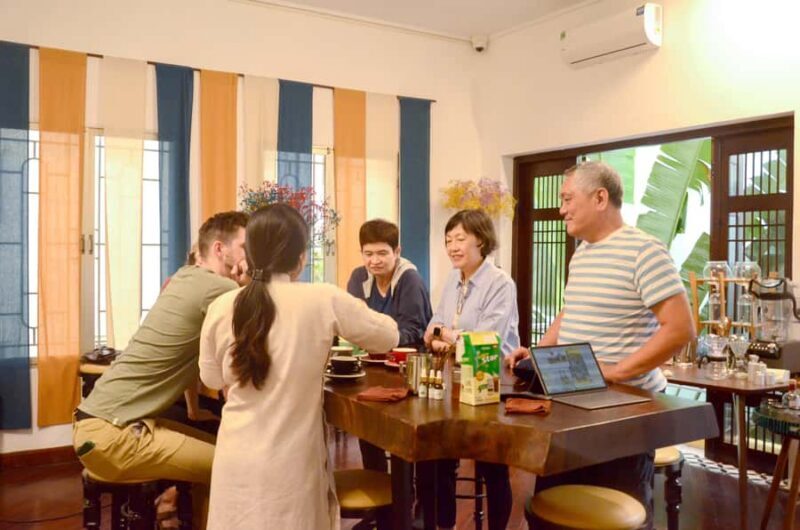
The main souvenir is practical: digital recipes to try at home. They turn a fun Hanoi activity into something you can use after the trip, especially if you have room in your bag for a phin filter or coffee beans. A digital certificate is also available if required.
There may be an optional shopping opportunity at the end. Beans and drip cups have been available, but prices can feel high compared with local alternatives. One past price reference was 375,000 VND for 250 grams of Robusta and 250,000 VND for 250 grams of Arabica. Treat that as a guide, not a current price list, and buy only if the beans or equipment appeal to you. The class does not require you to shop.
The workshop includes Wi-Fi, air conditioning or a fan, and equipment for the activities. Luggage storage is available for up to three days, which could be handy if you are between accommodation stops. Hotel pickup and drop-off are included only if you select that option, so check your booking details rather than assuming transport comes with every ticket.
You might also be interested in these Hanoi experiences
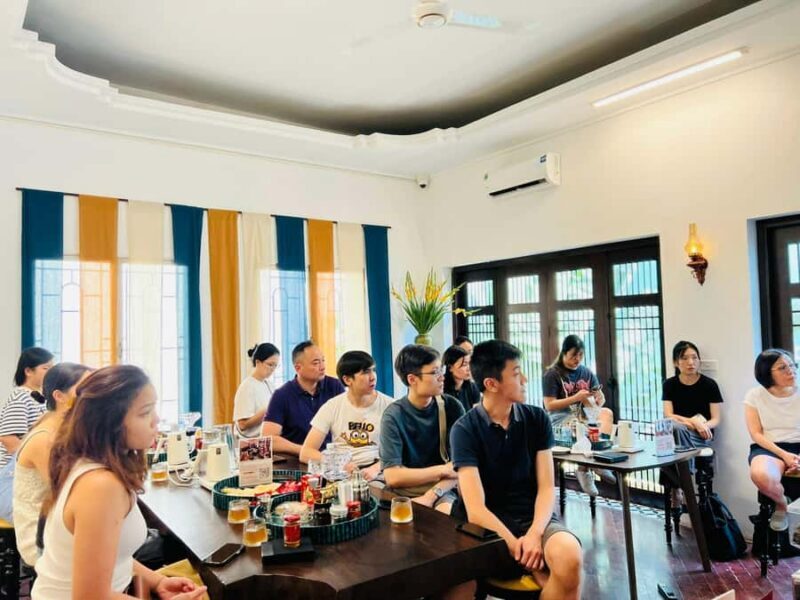
At $16 per person, the value comes from the combination of instruction, tasting, and participation. You are not paying only for six small coffees. The price covers a guided look at Vietnamese coffee culture, ingredients and equipment for the workshop, water, snacks, homemade liquor tastings, and digital recipes. The villa setting and the chance to make the drinks yourself add more than a standard café stop can offer.
The session is listed as two to three hours, but allow breathing room in your day. One group spent more than three hours at the venue, and start times or schedules may shift. This is not the activity to wedge between two timed appointments. It works better as a relaxed morning or afternoon plan.
At 10 a.m. and 3 p.m. each day, Su Quan also offers a separate two-hour session covering five Vietnamese brews. That is a shorter option if you want a more compact class. Check carefully which version you are booking, since the six-brew workshop and the five-brew session are not the same experience.
Cancellation is free up to 24 hours before the activity, and a reserve-now, pay-later option is available. These policies offer flexibility, but the more important planning detail is confirming your meeting point and transport choice.
Coffee fans get the most obvious reward: several local preparations, brewing practice, and recipes to take home. But you do not need to be a coffee expert. The activity also suits curious eaters who want to understand the coffee they will encounter in Hanoi cafés, or anyone looking for a cultural activity that is more interactive than a sightseeing stop.
It can also work for people who are unsure about coffee. The range of styles gives you a chance to find a favourite, and one participant who was not much of a coffee drinker ended up enjoying the class. Still, if you strongly dislike sweet drinks or caffeine, this may not be the best fit.
Children under 12 may accompany a parent but cannot take part in the workshop. Participants aged 12 to 17 must be with a parent or guardian, who must also book and pay for a place. The activity is listed as wheelchair accessible, and private groups are available.
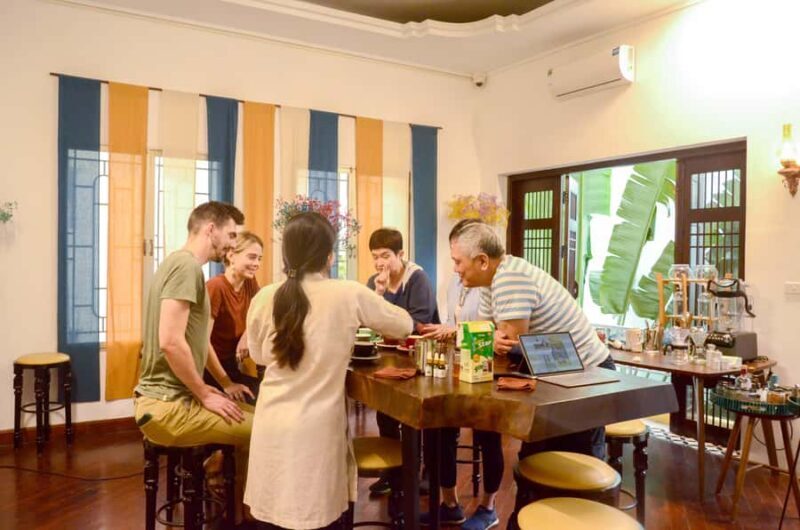
I would put this high on the list if you want to learn how Vietnamese coffee is made, not just sample it. The strongest reasons to go are the hands-on brewing, the guides’ personal approach, and the thoughtful villa setting. The farm and education initiative adds a useful community connection, though you may want to ask for more detail if you need to know exactly how proceeds are used.
Book it if you have a flexible half-day, enjoy tasting different styles, and are happy with some sweet cups. Plan for the alley location, confirm whether pickup is included, and eat something beforehand. If you prefer a shorter session, look at the separate five-brew, two-hour class instead.
“You literally MUST take this class. It was a phenomenal experience! Piey was an informative energetic teacher; the location (a studio within a beau…”
The six-brew workshop is listed as two to three hours. Allow extra time in your schedule, as a session may run longer.
The experience is described as six brews and nine tastings. The exact set can vary, and some sessions have featured four or five local specialties.
Examples include egg coffee, coconut coffee, traditional Vietnamese coffee, pour-over, salted coffee, and creative fusion brews. Confirm with the operator if you want to check for a specific style.
Yes. English is the listed language for the instructor.
Pickup and drop-off are included only if you select that option. The meeting point may vary, so check the address confirmed by the operations team.
Children under 12 may accompany a parent but cannot participate in the workshop. Those aged 12 to 17 must attend with a parent or guardian, who must book and pay for their own place.
A participant found that the coffees could be made vegan apart from egg coffee. Contact the operator ahead of time to confirm what can be prepared for your session.
The listed inclusions are a welcome herbal tea, mineral water, snacks and biscuits, coffee tastings, homemade liquor tastings, workshop equipment, Wi-Fi, air conditioning or a fan, and digital recipes. A digital certificate is available if required.
You can check availability for your dates here: