Physical Address
304 North Cardinal St.
Dorchester Center, MA 02124
Physical Address
304 North Cardinal St.
Dorchester Center, MA 02124

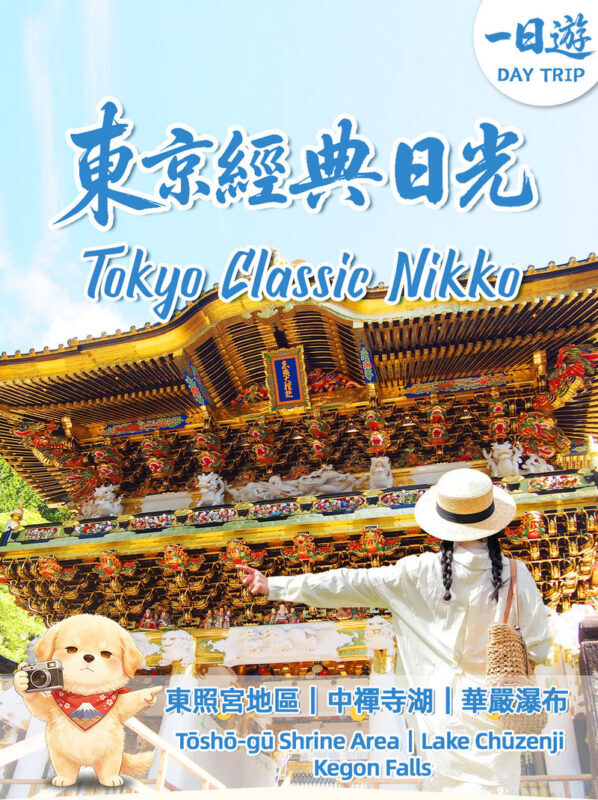
See Toshogu Shrine, Lake Chuzenji and Kegon Falls on a full-day Nikko trip from Tokyo, with a guide and transport included.
Nikko packs two sides of Japan into one day: the intricate carvings of Toshogu Shrine, then a mountain road, volcanic lake and thundering waterfall. I like that the route pairs culture with open-air scenery, and that round-trip transport from Tokyo saves you the effort of coordinating several local connections.
The trade-off is time. Toshogu gets the longest stop, but the lake and waterfall visits are brief, and traffic can change the schedule. You’ll also pay separately for shrine admission and the Kegon Falls elevator if you want to use it.
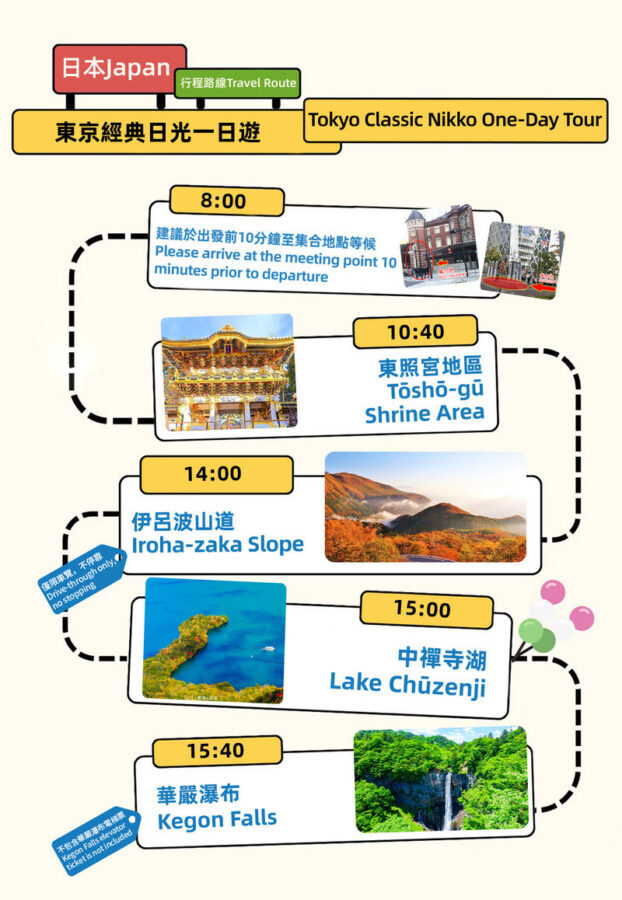
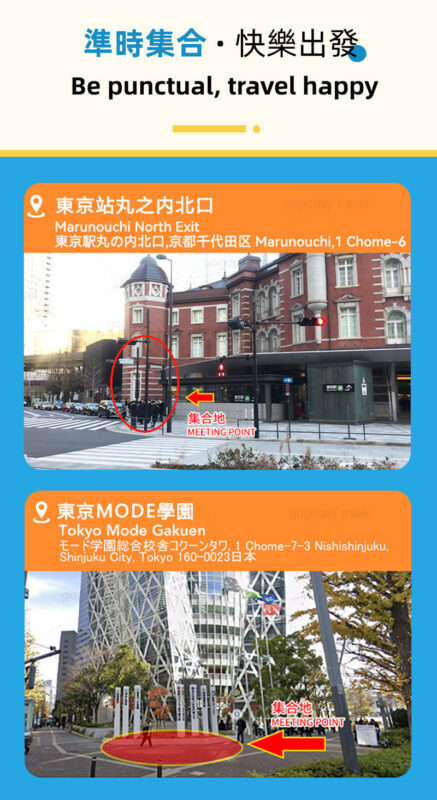
This is a roughly 10.5-hour shared day trip, with a morning departure from Tokyo and a planned return around 6:30 PM. You meet at the stated Tokyo location, which is described as JR Tokyo Station’s Marunouchi North Exit or Tokyo Mode Gakuen. Confirm your exact meeting point and departure time before the day, since the information gives both 8:00 and 8:30 as departure times.
The trip includes round-trip transfers, fuel, tolls and parking, so you don’t have to piece together the journey yourself. That matters in Nikko: the shrine, lake and falls are spread out, and the winding mountain road is part of the day. A guide can also explain the stops as you go. Depending on group size, the arrangement may be a driver-guide for a small group or a separate driver and guide for a larger one.
There’s a practical catch to shared transport: the group moves together. If you arrive late at the meeting point, the vehicle won’t wait, and the tour fee is not refunded. Be there at least 10 minutes early, and don’t plan to leave partway through.
Looking for more options in Nikko? Here are some other experiences worth considering.
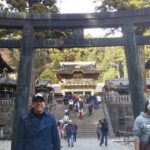
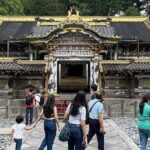
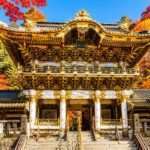
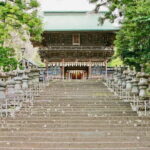
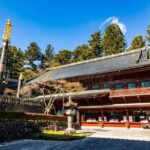
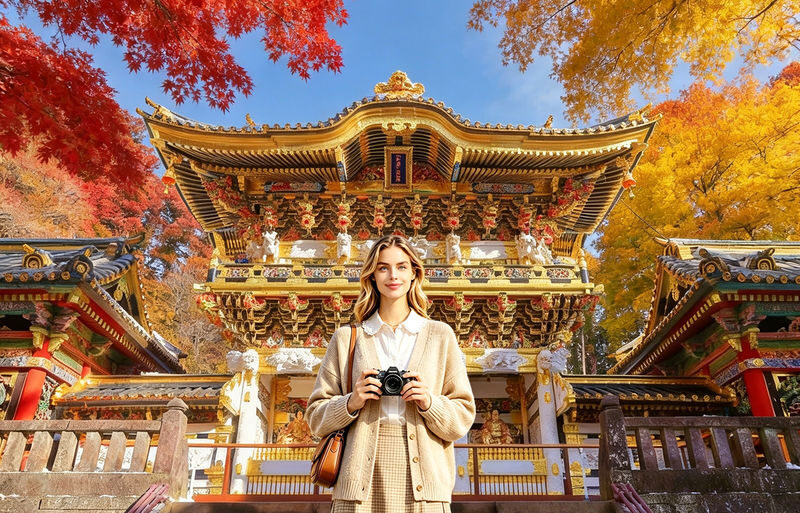
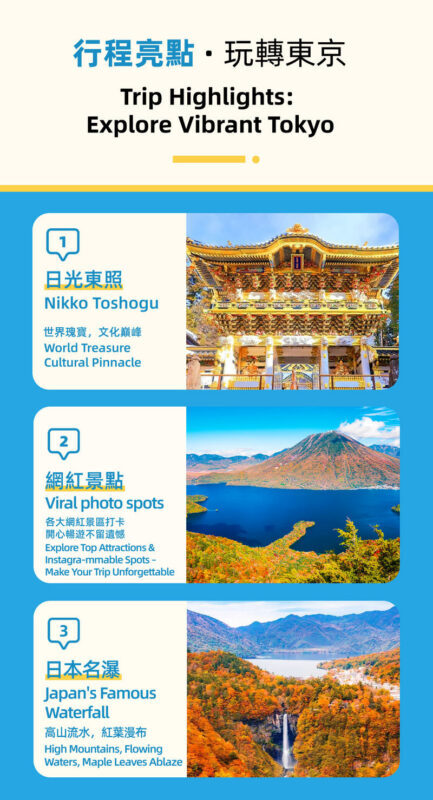
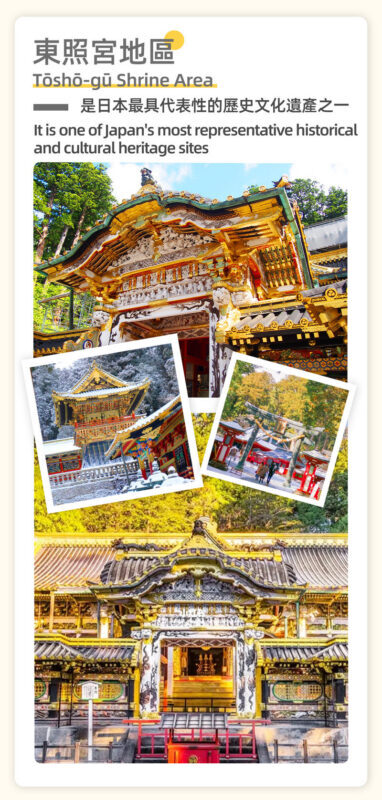
The day’s longest planned stop is Toshogu Shrine, with about three hours set aside. Dedicated to Tokugawa Ieyasu, it is a major cultural site known for ornate Edo-period craftsmanship. The Three Wise Monkeys and the Sleeping Cat are among its best-known carvings, alongside depictions of Chinese sages and mythical creatures.
I’d treat this as more than a quick photo stop. The details are the point: look closely at the carved figures, the vermilion buildings and the towering old cedars around the shrine. A guide can help you understand what you’re seeing, and several guides, including Yuma, Dale and Ko, have been praised for explaining the area’s history clearly. The actual guide and language mix depend on the group.
Admission is not included, so bring money for the ticket. The planned three hours can make this feel like the tour’s centrepiece, especially if you enjoy historic architecture and visual detail. If shrines are not a major interest for you, that generous allocation may feel long compared with the short stops elsewhere.
There is a scheduling wrinkle: the published plan puts Toshogu first, but the operator may change the order due to traffic, weather or crowd conditions. Some departures have begun with the lake or waterfall instead. Follow the guide’s timings rather than expecting the stops to happen in a fixed sequence.
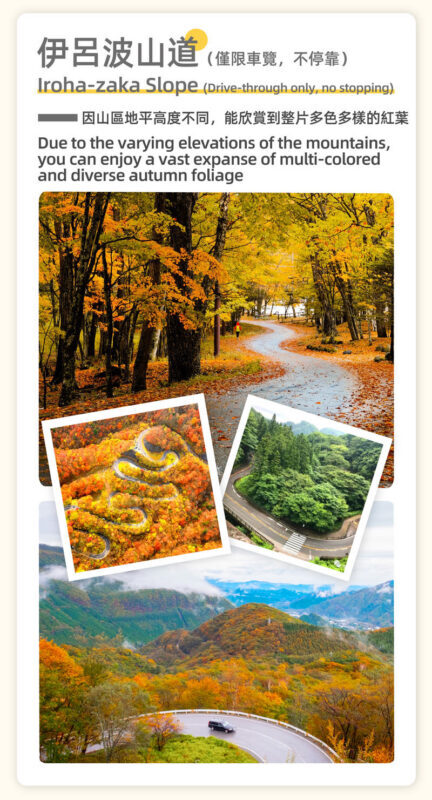
The Irohazaka road is a mountain drive rather than a walking stop. Its name refers to 48 hairpin bends, linked to the 48 characters of a traditional Japanese alphabet sequence. The road connects the lower Nikko area with the highland scenery around Lake Chuzenji.
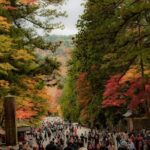
In autumn, the bends pass through hillsides of red and gold leaves. It can be a memorable stretch, but you’ll view it through the vehicle windows: there is no disembarking at this stop. That makes the tour convenient, but it won’t suit you if you want to pause for photos or explore the road on foot.
Autumn colour is never guaranteed on a particular date. The timing shifts with the weather, and a tour date does not promise peak foliage. If fall colour is your chief reason for booking, keep that uncertainty in mind.
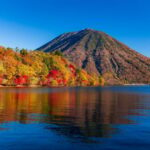
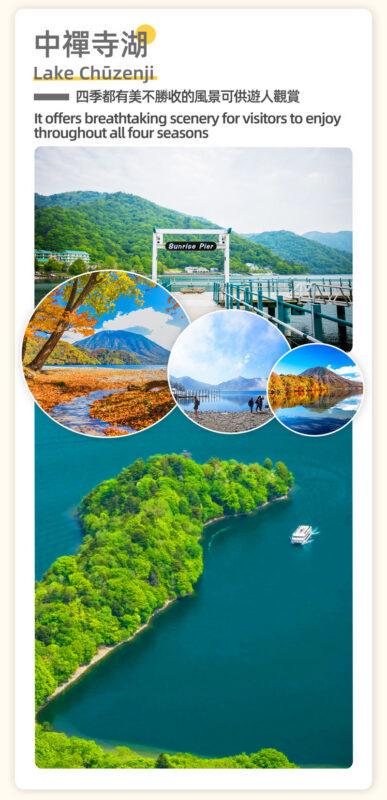
Lake Chuzenji is a volcanic lake high in the mountains, with Mount Nantai providing a striking backdrop when conditions allow. Its scenery changes through the year: spring azaleas, summer greenery, autumn colour and winter snow are all part of its appeal. Mist can soften the view, while clear weather may reveal the mountain reflected in the water.
The scheduled stop is about 30 minutes, enough for a short walk, a few photographs and a look at the shore. It is not much time for a leisurely meal or a long lakeside wander. If you want to linger, this format may feel rushed; the tour’s aim is to give you a sampler of Nikko’s main sights in one day.
Weather has a direct effect here. One day may bring clear views of the lake and Mount Nantai; another may bring fog or rain that obscures the scenery. The drive is still part of the experience, but don’t expect the same view in every season or under every sky.
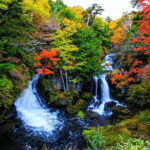
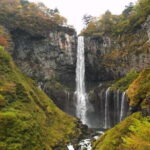
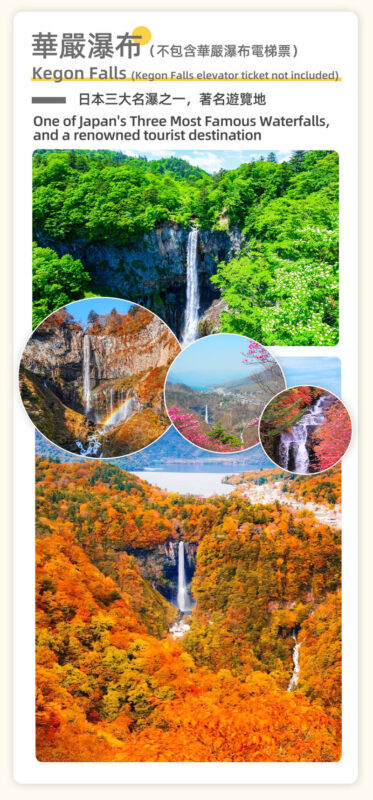
Kegon Falls is one of Japan’s best-known waterfalls. Water from Lake Chuzenji drops roughly 100 metres over a cliff, and the scale is striking when the falls are in full view. The plan allows about 50 minutes here, giving you a short visit and some time to take in the sound and spray.
An elevator ticket is extra if you want to descend to the lower viewing area. Some groups have used it to see the waterfall from below, but you’ll need to pay separately. If you’re interested, carry cash as a backup: mobile reception may be weak at some stops, making an electronic ticket harder to access.
Winter can bring ice formations on the falls, though the exact display depends on conditions. The description of blue illumination applies to a winter spectacle, not a guaranteed feature of every visit. In any season, fog or poor weather can limit visibility, so keep expectations flexible.
Guides are a recurring strength of this trip. Yuma has been praised for detailed explanations and switching among English, Chinese and Japanese; Dale for friendly, clear commentary; and Ko for sharing context during the drive as well as at the stops. Alex and other guides have also been singled out for helping groups stay organised. These are examples, not a promise of a particular guide.
Language arrangements can vary. The tour may offer an English-speaking guide, a Chinese-speaking guide or a bilingual setup, depending on the group and staffing. For a small group of roughly 4 to 13, the driver may also guide; larger groups may have a separate guide and driver. The advertised maximum group size is 49, so don’t assume you’ll have a minibus or a small-group feel.
The schedule is tight by design. You’re covering a long distance and four distinct sights in one day, so the guide needs to keep everyone moving. Some departures finish close to schedule and feel well paced; others can lose time to traffic, weather, crowds or delays at the meeting point. When that happens, stops may be reordered or shortened.
The starting price covers the main transport costs: round-trip transfers, fuel, tolls and parking, plus guide service. For a full day that connects Tokyo with Nikko’s mountain sights, that can be good value, especially if you prefer not to plan the transfers yourself.
But the headline price is not the whole day’s cost. You must pay separately for Toshogu Shrine admission and the Kegon Falls elevator if you choose to ride it. Meals, drinks and personal expenses are also extra. The exact ticket prices are not provided here, so check the current rates and bring enough money for the visits you want.
There’s one luggage allowance per person at no charge. Extra pieces cost ¥2,000 each and need to be declared in advance; the operator may refuse boarding if the vehicle cannot safely carry the group’s luggage. For a day trip, travelling light is the simplest plan.
Free cancellation is available with at least 24 hours’ notice. If the operator cancels because of extreme weather or another unforeseen event, you can reschedule or request a refund. Once you have taken part in an activity, visited an attraction or used a ticket, a refund is not available.
I’d choose this tour if you want a guided overview of Nikko in one day and value having the transport arranged. It combines a major historic shrine with mountain scenery, and the guide’s explanations can make the long drive more useful than simply sitting through it. It’s also a sensible fit if you’re short on time in Tokyo and want to see more than the city.
It’s less suited to you if you want an unhurried visit at every stop, time for a full meal, or freedom to change the route. The shrine’s longer visit and the 30-minute lake stop are a clear trade: time for close attention to the cultural site, with only a brief taste of the lakeside. Traffic can squeeze the day further.
Before booking, decide what matters most. If it’s Toshogu, the planned time there is a plus. If your priority is a slow walk around Lake Chuzenji or a long visit at Kegon Falls, consider a more flexible option or an overnight stay. For a one-day introduction, though, this route brings together Nikko’s signature sights without asking you to manage the logistics yourself.
“Nice tour. Dale, the guide was very pleasent, knowledgeable and cared for the group.”
The tour lasts about 10.5 hours. It is scheduled to depart Tokyo in the morning and return around 6:30 PM, though traffic and weather can affect the timing.
The meeting point is described as JR Tokyo Station’s Marunouchi North Exit or Tokyo Mode Gakuen. Confirm the exact location and departure time before your tour.
The schedule allows about three hours at Toshogu Shrine. Shrine admission is not included in the tour price.
No. Irohazaka is a sightseeing drive from the vehicle, with no stop to get out.
The planned visit is about 30 minutes. The actual timing may change due to traffic, weather or other conditions.
No. The elevator ticket is an extra cost. You can visit the falls without buying that ticket.
No. Meals and drinks are not included. Bring money for food and personal expenses.
English-speaking and Chinese-speaking guide services are listed. The guide and language arrangement may vary according to the group.
Each person may bring one piece of luggage free. Additional pieces cost ¥2,000 each and should be declared when booking.
Traffic and weather can change the schedule and return time. Avoid arranging another activity for the evening, since a late arrival is possible.