Physical Address
304 North Cardinal St.
Dorchester Center, MA 02124
Physical Address
304 North Cardinal St.
Dorchester Center, MA 02124

Compare Kyoto’s imperial court and shogun-era power on a three-hour guided walk to Nijo Castle and the Kyoto Imperial Palace.
Nijo Castle and the Kyoto Imperial Palace tell two sides of Japan’s political story: the shogun’s authority and the emperor’s court. This three-hour walk brings both into one outing, with a guide to explain what you’re seeing instead of leaving you to puzzle over grand gates and carefully arranged rooms on your own.
I like that Ninomaru Palace and its garden are included, and that the guide connects their details to the lives and power of the shoguns. I also like the small group limit of nine and the choice of start times, which make the tour easier to fit into a Kyoto day.
The main consideration is that the palace visit is focused on its grounds and exterior architecture, not a tour through the imperial residence’s interior. You’ll also walk between sites and spend time outdoors, so comfortable shoes, water, and suitable clothing matter.
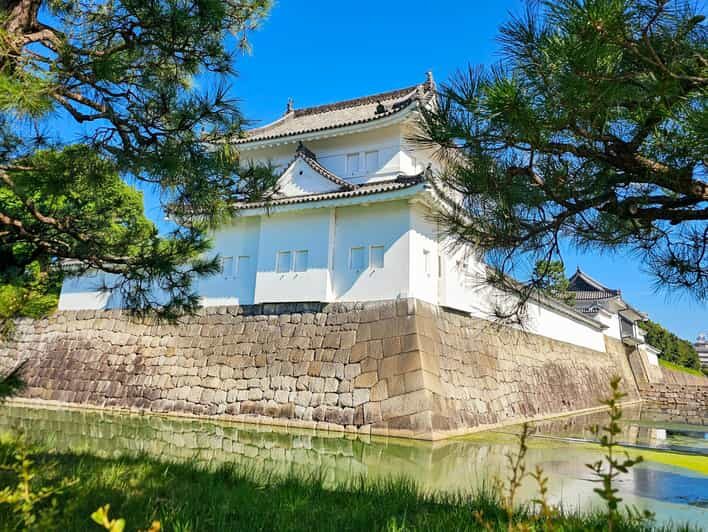
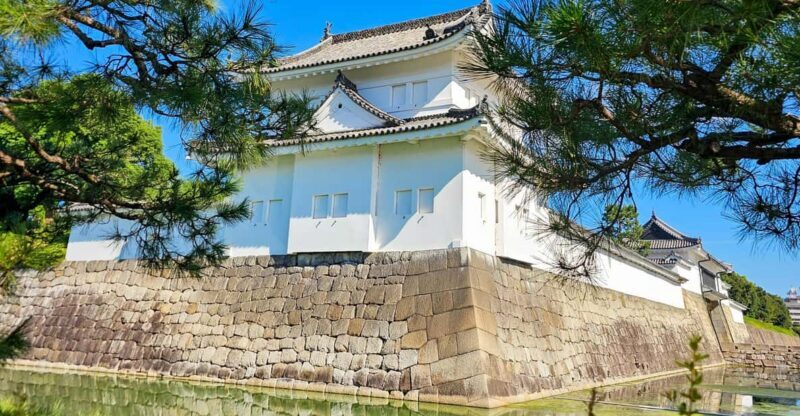
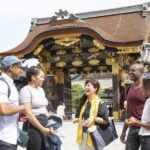
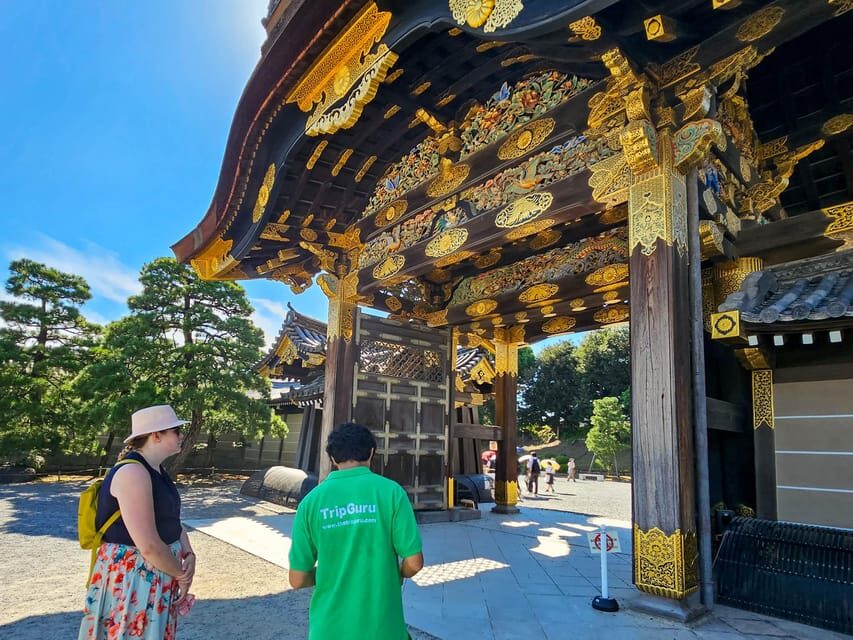
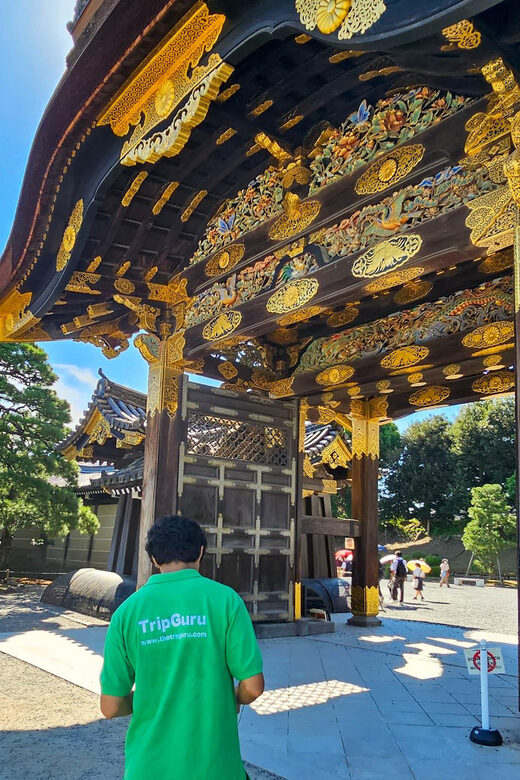
The tour starts outside Exit 1 at Nijojo-mae Station, beside Nijo Castle. Arrive at least 10 minutes early. Your guide will be wearing a TripGuru shirt or holding a sign, and the group waits no more than 10 minutes before moving on.
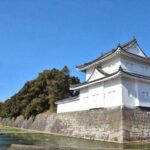
Nijo Castle was built as a seat of shogun power in Kyoto. Its scale and decoration make a strong first impression, but the guide’s explanations are what help the details come together. Instead of seeing the buildings only as historic architecture, you can learn how their design reflected status, authority, and the lives of the people who used them.
The guided visit lasts about an hour. The included admission covers Nijo Castle, Ninomaru-goten Palace, and the Painting Gallery. The tour focuses on the Ninomaru-goten Palace and garden, so don’t assume you’ll cover every part of the wider castle grounds.
The palace interiors are a key reason to choose this tour over a quick look from outside. You can admire the rooms and the care in their design while your guide explains the setting and significance. Past guides including Raphael, Jasmine, Vincent, and Taku have been singled out for making Japanese history and cultural details easier to follow. That kind of interpretation can be especially useful if you’re new to the period or unsure what to look for.
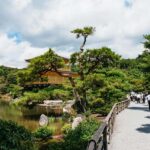
The Ninomaru garden provides a different kind of interest. It gives you space to appreciate the relationship between buildings and grounds, rather than focusing only on interiors. Guides may point out details you could otherwise pass without noticing. The hour is not a leisurely, independent wander through every corner, though. If you want to explore the site at your own pace or spend extra time taking photographs, a guided schedule may feel brisk.
If you enjoy exploring Kyoto on foot, these walking tours might also suit your style
After Nijo Castle, the tour continues on foot toward the Kyoto Imperial Palace, finishing near Imadegawa Station. The activity is described as a three-hour tour, with about an hour at each main site. The remaining time allows for walking and transitions, so treat the schedule as a compact half-day outing rather than two isolated one-hour visits.
The walk also gives the tour a useful change of pace. You move from a shogun’s stronghold to the grounds associated with Japan’s imperial family, a shift that helps frame the contrast between the two institutions. The itinerary does not specify a separate transport arrangement, so be ready to walk between the sites.
Kyoto traffic can be heavy in the morning and may take longer than a navigation app suggests. If you’re travelling to the meeting point by road, leave a generous buffer. Being late is a poor way to start: the guide waits only up to 10 minutes.
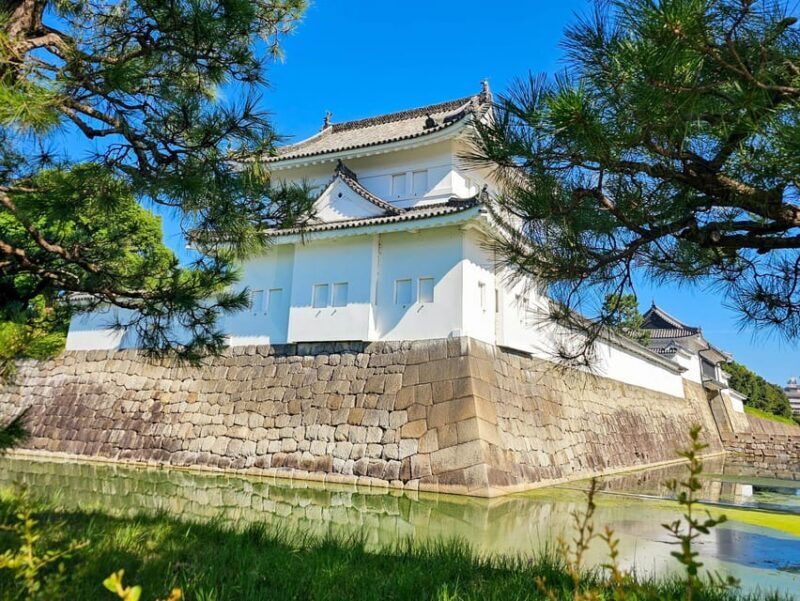
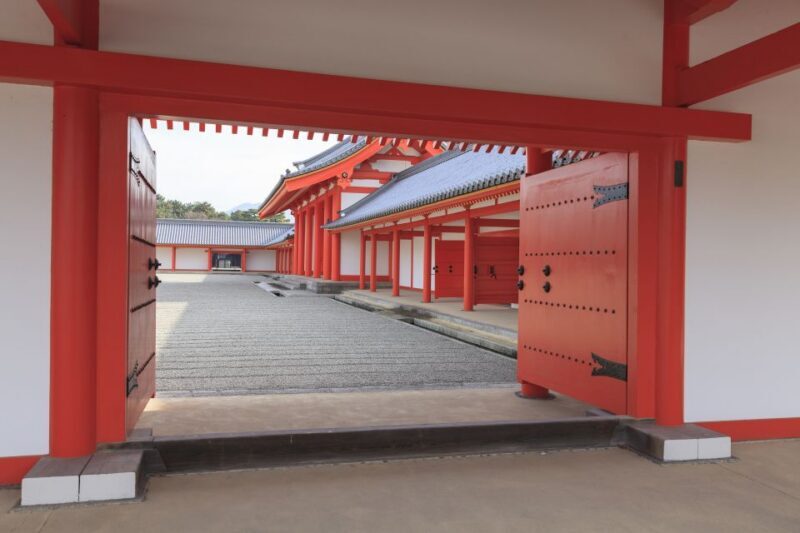
The second stop is the Kyoto Imperial Palace, once home to Japan’s imperial family. Kyoto served as Japan’s capital for more than a thousand years, and the palace grounds offer a sense of the city’s former role at the centre of court life.
Here, the guide takes you around the impressive structure and its grounds, explaining the history and architectural features. The visit is about the setting, gardens, and exterior rather than access to the palace interior. If walking through imperial rooms is your main reason for booking, check your expectations: this tour’s focus is on the grounds and the view of the buildings.
That doesn’t make the stop a mere add-on. The palace gives you a point of comparison with Nijo Castle. At one site, you see the world of the shogun; at the other, the imperial court. Guides including Alex, Cecilia, and Jasmine have been praised for adding broader cultural context and answering questions beyond the basic dates. A good explanation can make the contrast between these two centres of power much clearer.
The palace portion may appeal less to visitors who want interiors at every stop. One tour account found Nijo Castle more compelling and felt the palace offered less that was new. That is a fair caution: the castle has particularly vivid rooms, while the palace visit is more about the grounds and architectural setting. Your interest in Japanese history, and your expectations for the palace, will shape how much you value this hour.
The strongest reason to book is the human explanation. The route visits major sites, but their history can be hard to read from architecture alone. A guide can connect a room, garden, or building to the larger story of Kyoto and Japan, while giving you a chance to ask questions as they occur to you.
Guides named in accounts of the tour include Jasmine, Raphael, Vincent, Taku, Alex, Cecilia, and Gus. The most frequently praised qualities are clear storytelling, a friendly manner, and the ability to explain both history and present-day culture. Some guides also offer local recommendations after the tour. That personal exchange is a bonus, not a guaranteed part of the itinerary, but it can help you decide what to see or eat next.
The group limit of nine is another practical plus. A smaller group makes it easier to hear the guide and ask questions than on a large coach tour. It does not guarantee a private outing, and group size may vary, but it keeps the format closer to a walking conversation than a lecture delivered to a crowd.
The tour is offered in English, French, and Spanish. Choose a language you can follow comfortably: the value depends on understanding the explanations, not simply reaching both gates.
More Great Tours Nearby
At $49 per person, the tour includes an English-speaking guide, the walking route, and admission to Nijo Castle, including Ninomaru-goten Palace and the Painting Gallery. You’re paying not just for entry, but for the guide’s interpretation at two significant sites. If you would otherwise visit both and hire no guide, the extra cost buys context and a planned route. If you prefer to read signs and explore alone, you may not find the same value in the guided format.
The price does not include hotel pickup or drop-off, meals, drinks, or personal expenses. Bring cash for your own spending, though the tour information does not specify what you might need it for. There are multiple start times, and last-minute reservations are welcomed when space is available. You can reserve without paying straight away, and cancellation is available up to 24 hours in advance for a full refund.
Wear comfortable shoes. This is a walking tour with time outdoors, and the day can be hot: take water and a hat in warm weather. Bring a camera if you want photographs, but keep your attention on the guide and surroundings too.
Dress modestly for the palace grounds. Shorts and tank tops are specifically discouraged, so choose clothing that is respectful and comfortable for walking. The activity is listed as unsuitable for pregnant people, people with mobility impairments, and people with heart or respiratory problems. If any of those concerns apply, consider carefully whether the walking and site visits are right for you.
If you prefer having a local expert, these guided Kyoto experiences could work well
This tour is a good fit if you have a few hours in Kyoto and want a clear introduction to two important sites without arranging separate entries and guides. It particularly suits first-time visitors who want to understand how the shogun’s residence and the imperial seat differed, or anyone who enjoys asking questions while exploring.
It is less ideal if you want a slow, unstructured visit, need step-free or low-exertion sightseeing, or are most interested in going inside the Imperial Palace. The tour moves between locations and keeps to a schedule; the palace segment centres on its grounds.
I would book it if the contrast between shogun and emperor interests you and you value a guide who can make architectural details meaningful. If Nijo Castle is your priority, the included Ninomaru Palace visit gives you a strong reason to go. If you mainly want palace interiors or ample independent time, choose a different plan.
“the guide gave an overview before we started, which was nice and helped anticipating.”
The tour lasts about three hours. It includes roughly one hour at Nijo Castle and one hour at the Kyoto Imperial Palace, with time for walking and transitions.
Meet outside Exit 1 at Nijojo-mae Station. The tour finishes at Imadegawa Station.
The price includes a walking tour, an English-speaking guide, and Nijo Castle admission, including Ninomaru-goten Palace and the Painting Gallery.
The palace visit focuses on the grounds, gardens, and architecture. The tour information does not include an interior visit.
The live tour guide is available in English, French, and Spanish.
Wear comfortable shoes and bring a camera and cash. Dress modestly for the palace grounds, avoiding shorts and tank tops.
You can check availability for your dates here: