Physical Address
304 North Cardinal St.
Dorchester Center, MA 02124
Physical Address
304 North Cardinal St.
Dorchester Center, MA 02124

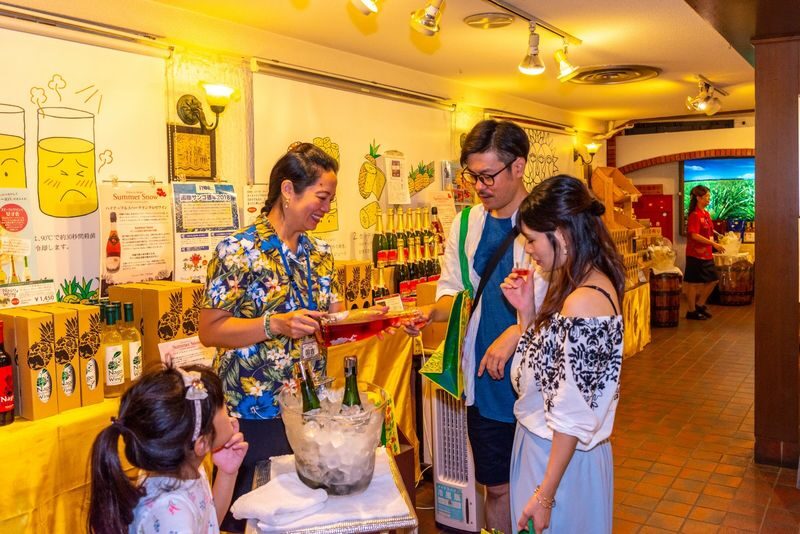
Ride a pineapple cart through Nago Pineapple Park, see tropical displays and dinosaurs, learn about Okinawan pineapple farming, and browse fruit treats and souvenirs.
Nago Pineapple Park takes a familiar fruit and gives it a full theme-park treatment. You ride a small, automated pineapple cart through the grounds, past pineapple displays and playful dinosaur scenes, then continue on foot through shops, food stops, and other exhibits. It is a quirky Okinawan outing, not a working farm visit with rows of fruit to inspect up close.
I like two things here: the cart makes the first part easy and fun for young children, and the pineapple food gives you a tasty way to connect the attraction to Okinawa’s farming tradition. One consideration: the park has plenty of retail space and can feel more like a family attraction than a serious agricultural tour. In warm weather, bring insect repellent.
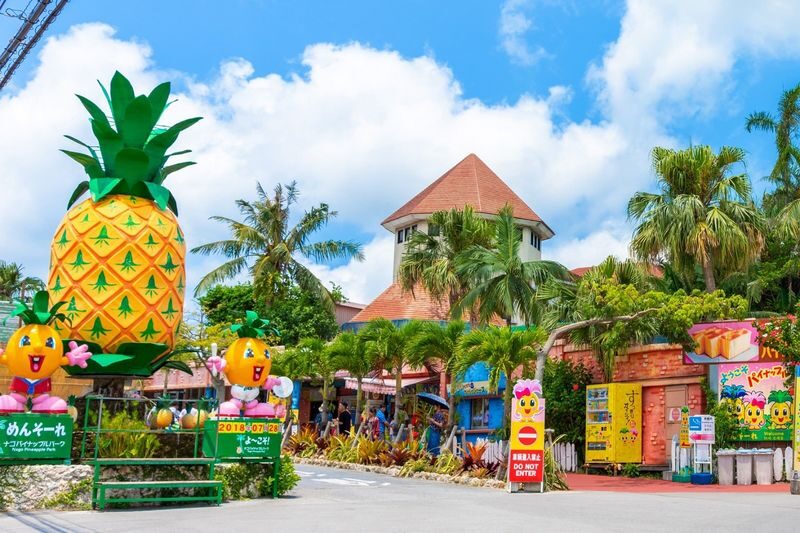
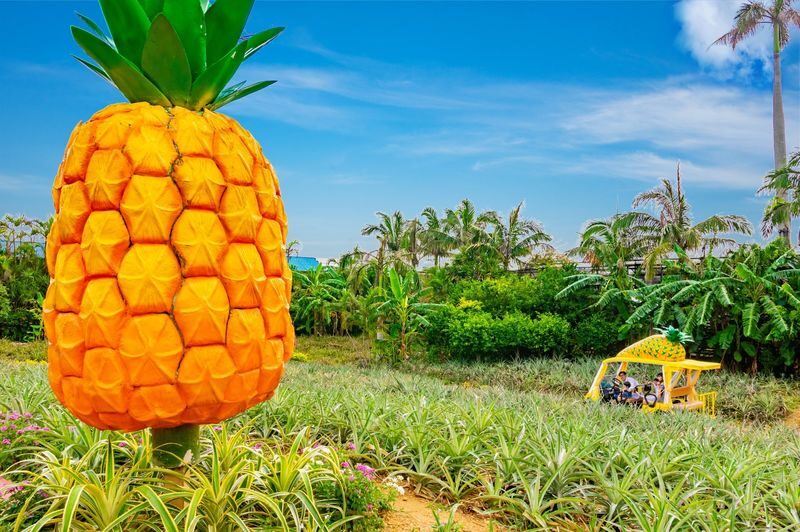
The ride is a simple but effective way to begin. You board a small cart and follow a set route through the park, passing displays of pineapples and subtropical plants. The route is automated, so this is not a guided farm walk where you stop to handle fruit or ask a guide questions along the way.
The ride helps set expectations. You get an overview of the park and a glimpse of how pineapples grow, but the fruit can be small and sparse at some points in the route. If your main goal is to see rows of mature pineapples up close, this may not deliver the farm visit you have in mind.
For children, the cart itself is often as much of the attraction as the information. It is an easy, low-effort start, and the themed ride gives younger visitors a reason to pay attention. Some explanations are available in other languages, including Korean, though the information provided does not specify which languages are always offered.
The scenery and displays add a playful touch, with dinosaurs appearing along parts of the route. That mix can delight small children, but it also changes the emphasis: this is not a strict pineapple museum. Think fruit-themed family park, with a few educational notes, rather than a detailed agricultural lesson.
Looking for more options in Nago? Here are some other experiences worth considering.
Pineapple cultivation has a place in Okinawa’s story, and the park offers a light introduction to the fruit’s history and production in the region. You can learn about different kinds of pineapples, including edible and ornamental varieties, as you move through the grounds and exhibits.
That context gives the visit more purpose than simply riding a cart and shopping. You get a sense of why Okinawa is associated with the fruit, while seeing how a local crop has become part of the area’s food culture and visitor experience. Still, the park keeps its explanations accessible and family-oriented. If you want a technical account of farming, this is not the place to plan your whole day around.
The displays may also include butterflies, caterpillars, flowers, and other ecological features. These can be a welcome change from the fruit theme, especially for children who are more interested in insects or animals than pineapples. The butterfly and cocoon areas have been a particular draw for families.
Do not expect every plant or animal to be on view in the same way during every visit. The information here does not promise a particular butterfly encounter or a specific number of pineapple varieties in the grounds. Treat these as possible parts of the experience, not a guaranteed wildlife stop.

The dinosaurs are a surprise if you arrive expecting a quiet agricultural attraction. They give the park a more playful, storybook feel, and they are often a hit with preschoolers and younger elementary-age children. If your child likes themed rides and photo opportunities, this blend of dinosaurs and pineapples can make the visit more engaging.
Older children may respond differently. A six-year-old may be delighted by the cart and displays, while a nine-year-old with little interest in fruit or dinosaurs may find the outing less absorbing. Adults who expect a conventional amusement park should also adjust their expectations: there are no roller coasters, and the experience is gentle rather than high-energy.
The park is suitable for a range of ages, including families with toddlers and younger children. The ride reduces the amount of walking at the start, and the grounds are generally manageable at an unhurried pace. The full route can be longer than expected, though, and the paths and buildings can feel maze-like once you begin exploring.
A useful plan is to let children enjoy the cart and dinosaur scenes, then choose a few exhibits and food stops rather than trying to inspect every corner. That keeps the visit cheerful and avoids turning a light outing into a navigation exercise.
The Wine House adds a more grown-up stop to the fruit-focused visit. It introduces Lagrima Del Sol, a pineapple wine whose Spanish name means Tears of the Sun. You can learn how it is made, and the experience is described as including a chance to sample a glass. Since the ticket includes admission only and other personal expenses are excluded, check on site whether any tasting or purchase has an additional charge.
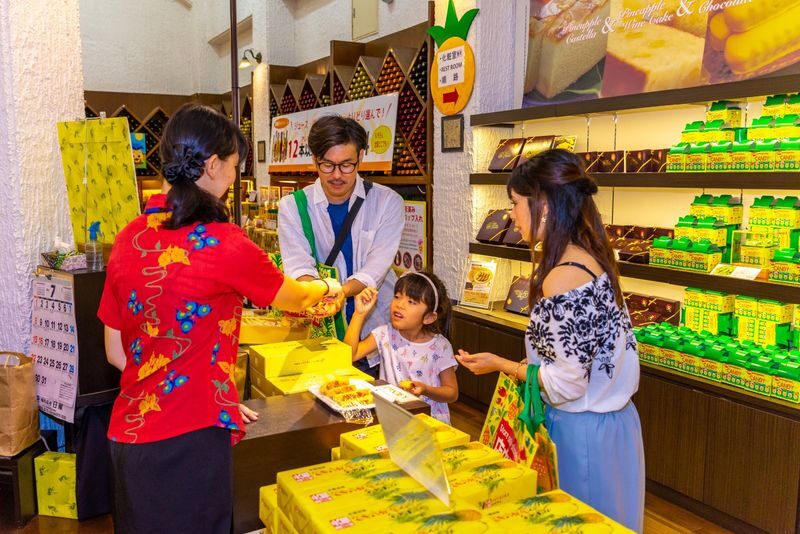
Food is one of the strongest reasons to linger after the cart ride. You may find fresh-cut pineapple, pineapple popsicles, cakes, shaved ice, and drinks, along with other fruit-based treats. The fresh pineapple is notably sweet, and a cold snack can be welcome after walking around in Okinawa’s heat.
There are also many products and souvenirs for sale. That is part of the attraction’s character: the park combines exhibits with a substantial retail area, so you will pass tempting food counters and shops as you go. If you dislike attractions that end in a shopping area, this could feel pushy. If you enjoy trying local food and picking up edible souvenirs, it is an easy way to make the visit more personal.
You do not need to buy anything for the park to make sense, but set a small snack budget if you are visiting with children. The entry ticket does not cover personal purchases, and the shops offer plenty of pineapple-themed choices. If the pineapple flavor is not your thing, the dinosaurs, butterflies, and cart ride still provide other reasons to visit.

Plan on one to two hours. A quick visit can cover the cart ride and a look around; a slower one gives you time for exhibits, food, photos, and the shops. Families with young children may want to allow the full two hours, since the extra displays and snack stops can stretch the visit.
The park’s size can be deceptive. The route is longer than some people expect, and the paths can make it easy to wander around while looking for the exit. Take a look at the park map, which helps you see the attractions and how to reach them. If you are short on time, keep your route simple and avoid lingering in every shop.
There is an internal shuttle noted by visitors, which can cover part of the distance. The park also has a pineapple-themed cart for the tour route. These are useful features if you are visiting with children or older family members, but do not assume the shuttle removes all walking from the visit.
Heat and mosquitoes are practical concerns. Okinawa’s warm weather can make walking tiring, and mosquitoes can bite, particularly around the more plant-filled areas. Bring insect repellent and water, and take a break in a café if the day is hot. The park has continued operating during rain, though the experience may feel different in wet weather.
The address is 1195 Biimata, Nago, Okinawa 905-0005, Japan. If you are using the bus, travel from the Nago Bus Stop on the Bise Line or Sesoko Line, get off at Watanjya Hara, then walk about five minutes to the park. Other routes may be available, so check the park’s directions before setting out.
There is parking, and it is described as plentiful. If you are driving around northern Okinawa, that can make the park a convenient stop within a wider day out. The information provided does not specify a recommended route from other towns, so allow time to check directions from your starting point.
At the entrance, show your mobile voucher and exchange it for a physical ticket. The physical ticket is valid only on the day you redeem the voucher, so do not exchange it until you are ready to visit. The voucher itself is valid for 180 days from booking confirmation and expires at 17:30 on the final day. Last admission is 17:30.
The ticket is non-refundable and cannot be canceled. Children aged 0 to 3 or under elementary school are listed as free, but the wording on the age rule is unclear, so confirm the applicable child policy before booking. Bring a student card if you are using a student ticket or need to verify student status.
Tickets start at $9.49, which is a modest price for a one-to-two-hour family attraction. The value is strongest if you use the cart ride, explore several exhibits, and enjoy a snack or two. For families, the combination of a ride, dinosaurs, butterflies, and fruit treats gives children several chances to find something they like.
The value is less certain if you want an in-depth farm tour or a large amusement park. Pineapples are the theme, but they are not necessarily on display in large quantities or close enough for a detailed look. The retail areas also form a noticeable part of the visit, and the ticket does not include food or personal purchases.
Booking through Klook offers a discounted ticket, instant confirmation, and a mobile voucher to exchange at the park. The benefit is convenience and price, not extra access or a longer visit. Since the voucher cannot be refunded, make sure your plans are firm before you buy.
I would put Nago Pineapple Park on the itinerary if you are traveling with young children, enjoy playful themed attractions, or want to try Okinawan pineapple products in a light, easy outing. The cart ride, dinosaur displays, butterflies, and food options give the visit more variety than the name alone suggests.
I would skip it if your priority is a serious look at pineapple farming, a full day of rides, or a quiet nature visit. For the right expectations, though, it is a cheerful stop with a distinctly local theme. Bring repellent, leave time to find your way around, and save room for fresh pineapple.
“Mosquitoes bite easily here, so please apply insect repellent beforehand.”
Plan on one to two hours. The cart ride, exhibits, food stops, and shops can make the visit longer if you take your time.
Tickets start at $9.49. The price may vary, and food, souvenirs, and other personal expenses are not included.
The park is at 1195 Biimata, Nago, Okinawa 905-0005, Japan.
From the Nago Bus Stop, take the Bise Line or Sesoko Line to Watanjya Hara, then walk about five minutes.
Present your mobile voucher at the park and exchange it for a physical ticket. The physical ticket is valid only on the date you redeem it.
The voucher is valid for 180 days from the booking confirmation date. It expires at 17:30 on the final day.
No. Cancellations and refunds are not available.