Physical Address
304 North Cardinal St.
Dorchester Center, MA 02124
Physical Address
304 North Cardinal St.
Dorchester Center, MA 02124

See Phnom Penh’s temples, markets, S21 and Choeung Ek in one small-group day, with a local guide, city transport and lunch stop.
Phnom Penh’s story comes into focus on this full-day route, which links Buddhist temples and civic monuments with Tuol Sleng, also known as S21, and the Choeung Ek Killing Fields. The day gives you a useful first look at the city, then makes time for two sites that explain the human cost of the Khmer Rouge period.
I like the mix of local context from a Cambodian driver-guide and the chance to see many parts of the city without arranging separate rides. I also like that the group stays small, with a maximum of seven in a van or four in a tuk-tuk. One consideration: the schedule is full, the genocide sites can be emotionally difficult, and entry fees and lunch are extra.
This tour is designed to answer two questions in one day: what makes Phnom Penh the city it is today, and how did Cambodia’s recent past shape it? The route covers religious sites, royal and national symbols, markets, a modern development and the genocide memorial sites.
That range is useful if you have limited time or want an orientation before returning to a few places on your own. It is not a slow, in-depth visit to every stop. Several city landmarks are brief photo stops, while S21 and Choeung Ek each receive about an hour and a half.
The advertised duration is nine hours. The route is carefully timed, and the guide needs the group to be punctual to fit in the stops. The order may change to suit weather or the day’s conditions, so keep some flexibility rather than expecting every visit to happen at an exact hour.
You can check availability for your dates here: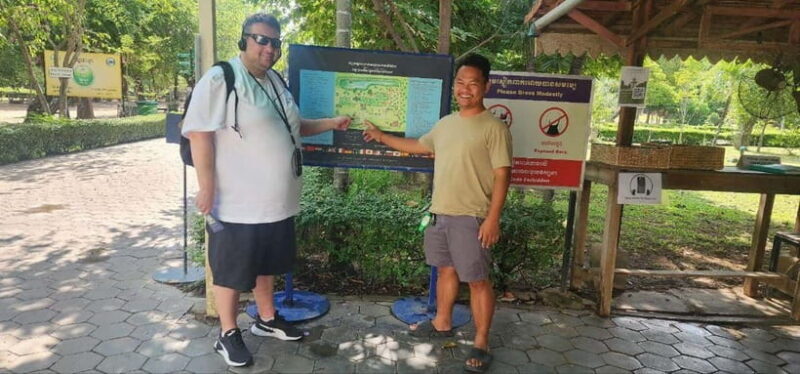
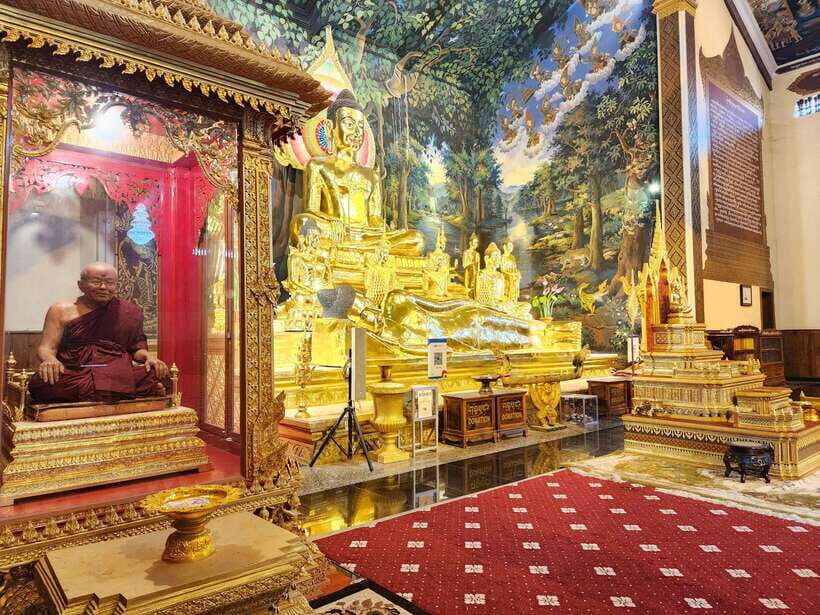
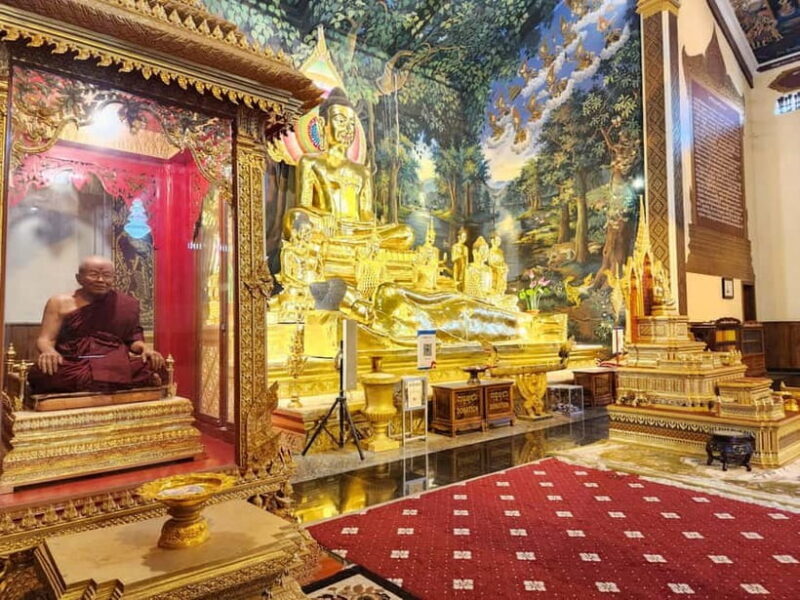
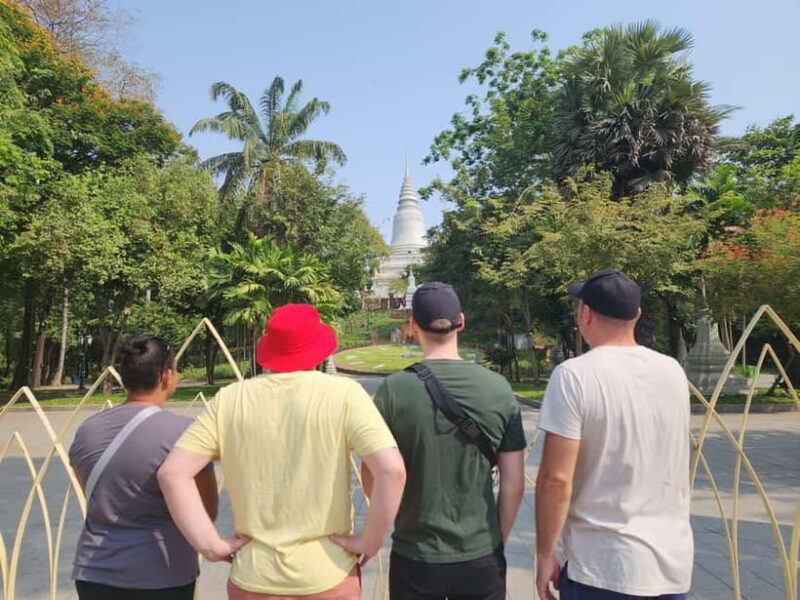
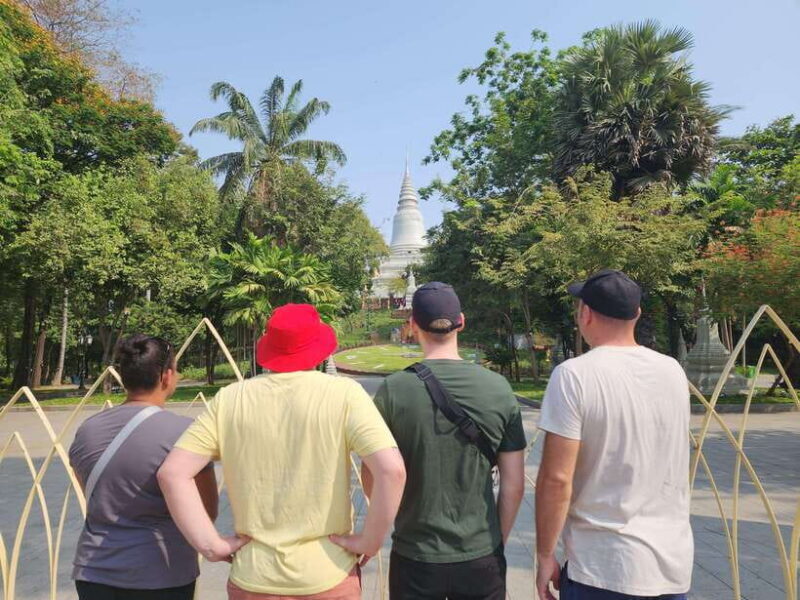
The day begins at Wat Phnom, one of Phnom Penh’s most significant landmarks, and the nearby statue of Lady Penh, the figure after whom the city is named. The stop is scheduled for 45 minutes, including a guided visit and time to look around.
Wat Phnom offers a first glimpse of the city’s Buddhist life and its origin story. There is a $1 entry fee, so keep a small amount of cash handy. The visit is a useful opening, though it is not a substitute for a longer temple visit if you want to linger over the grounds.
At Wat Ounalom, the guide introduces a monastery founded in the 15th century and regarded as one of Phnom Penh’s important Buddhist centres. The planned stop is 15 minutes, enough for a quick look and an explanation rather than an extended exploration.
The National Museum is another short stop, chiefly to admire its traditional Cambodian architecture. It was built during the French colonial period, and the route allows about 15 minutes for a look from outside. If you want to see the collections inside, ask your guide whether the schedule allows a separate visit, or plan to return later.
Looking for more options in Phnom Penh? Here are some other experiences worth considering.
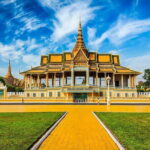
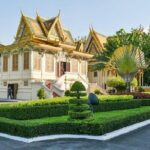
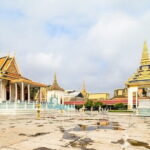
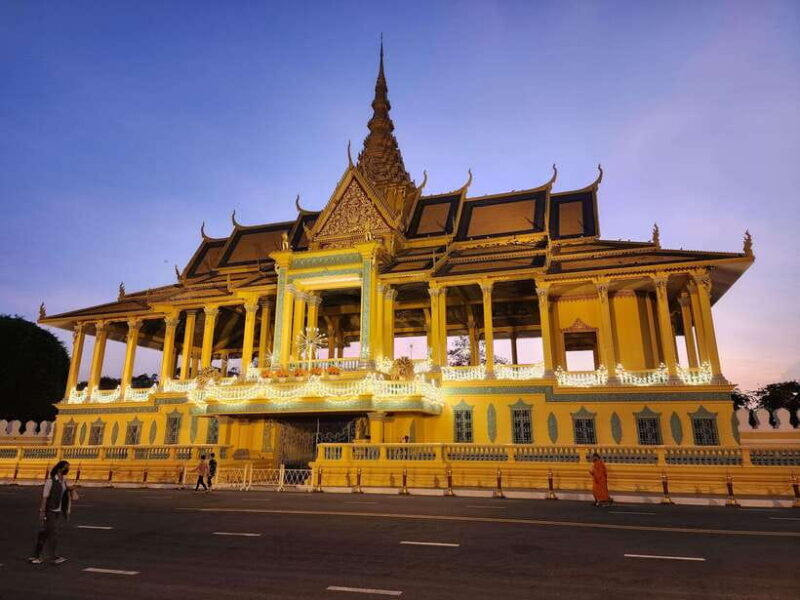
The tour continues past the Royal Palace and the Royal Crematorium. The listed stop is a brief visit to the palace area and nearby public park, a place where locals relax and socialize. The buildings and entrances face east, so the morning can be a particularly good time for photographs.
Nearby, the Cambodia-Vietnam Friendship Monument commemorates the former alliance between the two countries. The route then takes in the statue of Samdech Choun Nath, a prominent figure in Cambodia’s religious and cultural life, and the Independence Monument, a symbol of the country’s independence from French rule.
These stops help you read Phnom Penh’s public spaces as more than backdrops for photos. They show how religion, monarchy, national identity and political history share the city’s streets. But the stops are short, generally 10 to 15 minutes, so treat them as a guided overview rather than a chance to explore each monument at length.
A 45-minute lunch break gives you a pause between the city tour and the genocide sites. The meal is not included in the tour price, and you choose from a local restaurant selected along the route. Several guides have taken groups to David’s Homemade Noodles, where a simple noodle dish and drink have been reported to cost about $5, though your bill will depend on what you order.
This is a practical way to eat away from a formal tour setting, and the break matters on a long day. Bring cash, and do not assume lunch is covered by the booking. Bottled water and Coke are included; Cambodia beer is offered after noon.
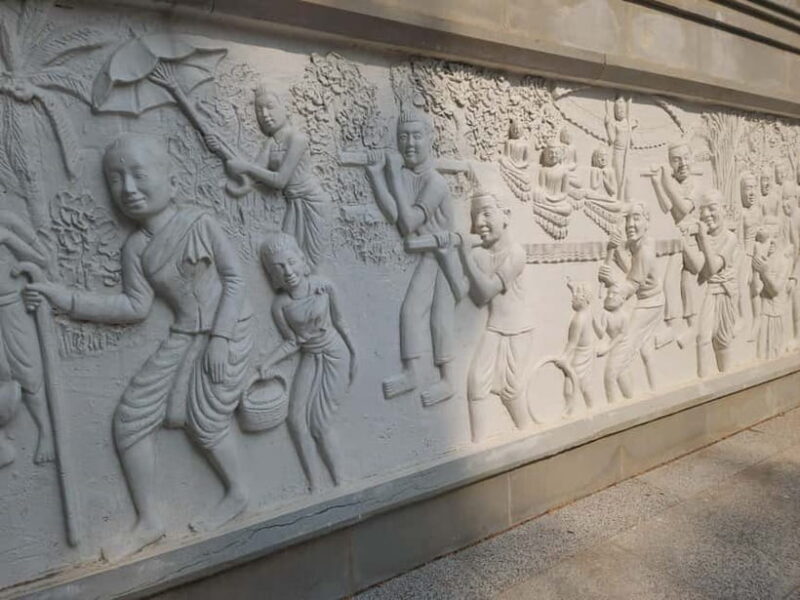
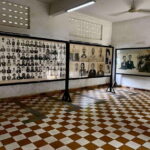
Tuol Sleng Genocide Museum, commonly called S21, is one of the day’s most important stops. It was a school before the Khmer Rouge turned it into a prison and interrogation centre. The visit is scheduled for about 90 minutes, and the $10 fee covers entry and an audio guide.
At S21, you explore the site at your own pace with the audio guide. Your driver-guide typically waits while you visit, then helps you make sense of the broader route and history. The audio guide is valuable here: this is a place where a quiet, self-paced visit can work better than a running commentary.
Prepare yourself for difficult material. The museum tells the story of people who were imprisoned and tortured, and the details can be upsetting. If you need a little more time or a quiet pause, tell your guide; the group schedule is tight, but guides have adjusted the order of stops to suit weather and group needs.
More Great Tours Nearby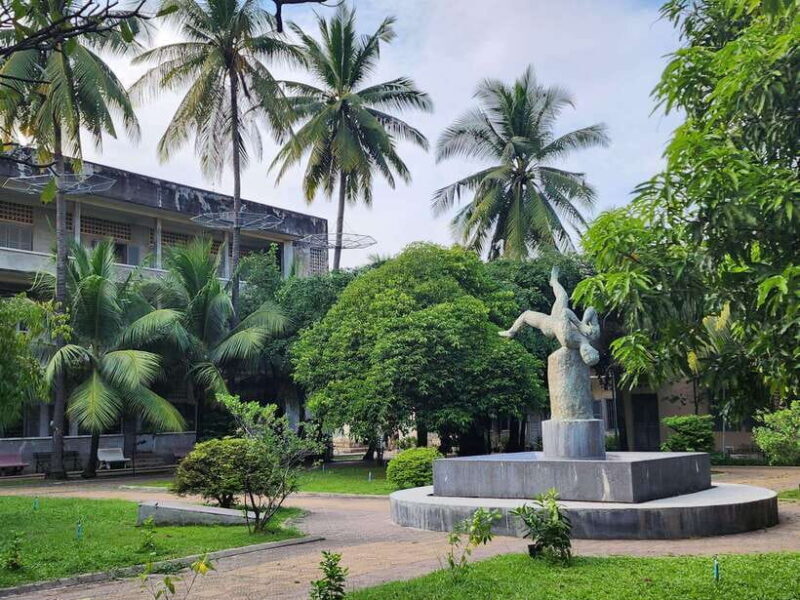
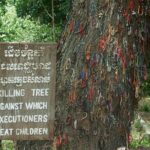
Choeung Ek, commonly called the Killing Fields, is outside the central city and is allotted about 90 minutes. Entry and the audio guide cost $6. The guide takes you there by van or tuk-tuk, but you explore the memorial site with the audio guide rather than following a continuous spoken tour.
Together, S21 and Choeung Ek give the day its emotional centre. The museum shows the machinery of imprisonment; the memorial site explains what happened to many people taken from it and from other locations. The audio guide helps you understand the grounds while allowing you to move at your own pace.
These visits are sobering, and combining them with a day of monuments and city life can feel like a lot. Some people prefer to visit them earlier, then move on to lighter stops. The order can vary, so ask your guide at pickup how the day is planned. If you know you need extra time at either site, say so early.
The itinerary includes a visit to either the Russian Market or the Central Market, depending on the day’s plan. Allow about 20 minutes. That is enough for a brief look and a chance to get a feel for the market, but not a leisurely shopping visit. The market stop is optional, so you can discuss it with your guide if you would rather adjust the day.
Diamond Island, also called Koh Pich, offers a contrast to the older landmarks. It is described as a satellite city, and the route passes several other parts of Phnom Penh along the way, including the Buddhist Institute, the Cambodian Parliament Building, Chinatown, the Mekong’s upper and lower stretches, the Tonle Sap and the Tonle Bassac. The final stop is scheduled for about 30 minutes and may include a walk and sunset viewing.
You will see many places from the vehicle, rather than stepping out at every one. That is part of the tour’s value: it gives you a broad map of the city, helping you decide which districts or landmarks deserve a return visit. Drop-off is at your hotel in the city centre or in the city centre if requested.
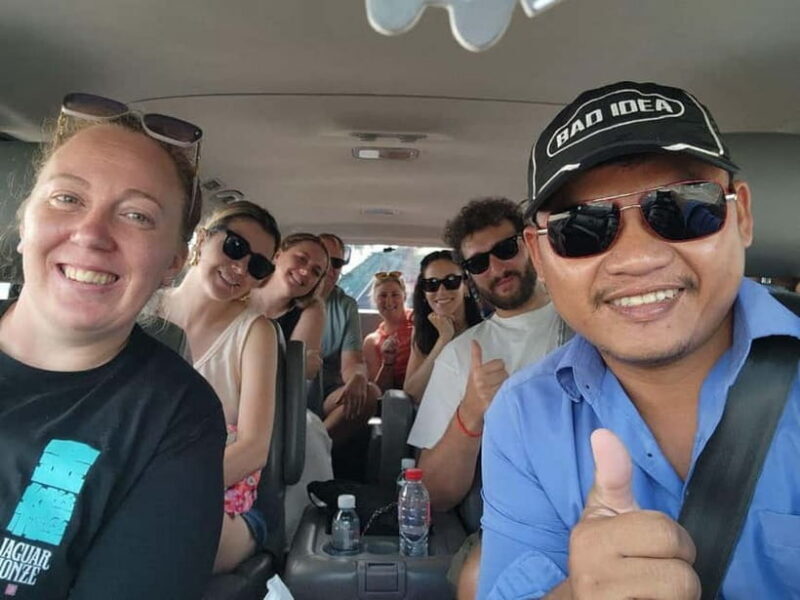
The air-conditioned Starex van is the sensible pick if heat, rain or comfort matters most. It carries up to seven people, and travellers have appreciated having cold drinks on board. The small group size still leaves room to ask questions and talk with the guide.
The tuk-tuk carries up to four people and makes the journey itself part of the city experience. You feel more connected to street life and get an open-air ride, but it offers less shelter from weather and traffic. In hot conditions, that may be a trade-off; one visitor who worried about the heat found the breeze made the ride comfortable.
The driver is also the guide, so expect commentary between stops as well as instructions on where and when to meet. Guides named in recent experiences include Mr Sop, Mr Pum, Nick, Mr Thy and Cow. The actual guide depends on the day, but clear English, humour, personal stories and flexibility are recurring strengths. Some guides also share family experiences connected to Cambodia’s Khmer Rouge period, adding a personal dimension to the history.
The tour is advertised at $30 for a group of up to one person. Check the booking options for the exact price for your party and vehicle, since the listing’s group-price wording does not explain every possible group configuration. The value comes from a full day of transport, a driver-guide, city-centre hotel pickup and drop-off, bottled water and soft drinks, plus a route that joins central sights to sites farther out.
Budget separately for the listed site costs: $1 at Wat Phnom, $10 for S21 entry and audio guide, and $6 for Choeung Ek entry and audio guide. That is $17 per person, before lunch. The market is an optional stop, and the lunch bill is also yours.
Pickup is available only in the city centre. A small number of named hotels are excluded from pickup and drop-off, including Sokha Hotel, Peninsula Hotel and Fairfield by Marriott Phnom Penh; if your hotel is outside the service area, you need to go to a meeting point. The operator contacts you the evening before to confirm the pickup time and hotel address. Sharing a WhatsApp number can make that exchange easier.
I would choose this tour if you have one day in Phnom Penh and want a wide-angle introduction, especially if you also want help arranging transport between S21 and Choeung Ek. It suits history-minded adults, first-time visitors and solo visitors who like the small-group format. The tour is not suitable for children under 10.
The main trade-off is pace. You get a lot of ground and several short stops, but not much time to explore every temple, museum or market in depth. The genocide sites are emotionally demanding, and the day combines them with a packed city circuit. If you prefer unhurried visits, consider splitting the city sights and memorial sites across separate days.
Book it if you value a local guide’s perspective, practical transport and a clear overview more than an open-ended schedule. Choose the tuk-tuk for fresh air and street-level views, or the van for air conditioning and shelter. Either way, bring cash, wear comfortable clothes and give yourself some quiet time after S21 and Choeung Ek.
“Mr.Sop is a great guide, I really enjoyed the tour and he explained a lot about the history of the city and the several places we visited. I think …”
The tour lasts about nine hours. The schedule is full, with time allocated for the city stops, lunch, S21, Choeung Ek and Diamond Island.
The group is limited to seven people in the air-conditioned van or four people in the tuk-tuk.
No. S21 entry and its audio guide cost $10, while Choeung Ek entry and its audio guide cost $6.
No. The tour stops at a local restaurant, but you pay for your meal separately.
Pickup and drop-off are included for hotels in the city centre, with some named hotel exceptions. If your hotel is outside the pickup area, you need to go to a meeting point.
Bring cash for Wat Phnom’s $1 entry fee, the $10 S21 fee, the $6 Choeung Ek fee and lunch.
The tour is not suitable for children under 10 years old.
You can check availability for your dates here: