Physical Address
304 North Cardinal St.
Dorchester Center, MA 02124
Physical Address
304 North Cardinal St.
Dorchester Center, MA 02124

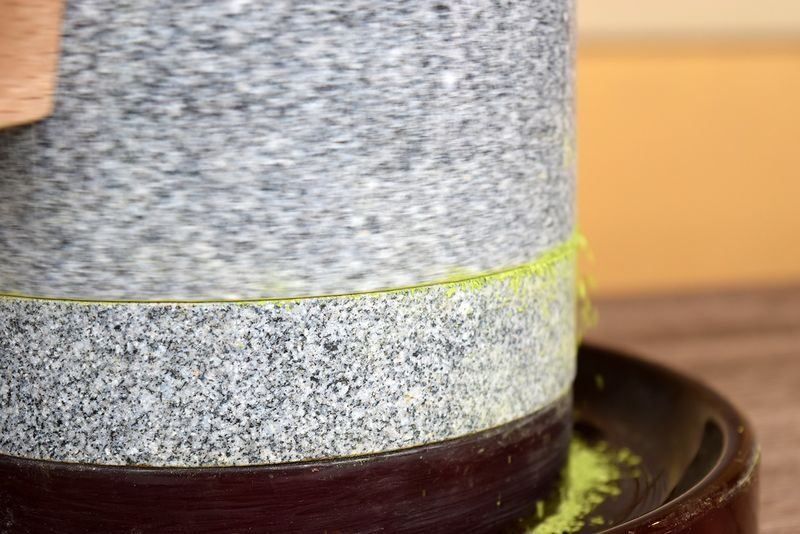
Make matcha and Japanese sweets in a short, hands-on Kyoto class, with an instructor explaining the steps and tea customs.
Kyoto’s tea tradition is the backdrop, but this is a practical class: you prepare matcha yourself, learn the basic steps, then taste what you’ve made. Think of it as a compact introduction to tea and sweets, rather than a formal ceremony with a long stretch of ritual.
I like two things here: you get to make the tea instead of only watching, and the short session can fit neatly between bigger Kyoto plans. The main caveat is expectation: the class may feel more like a lesson in a classroom than a quiet, traditional tea-room ceremony, and the experience can be brief.
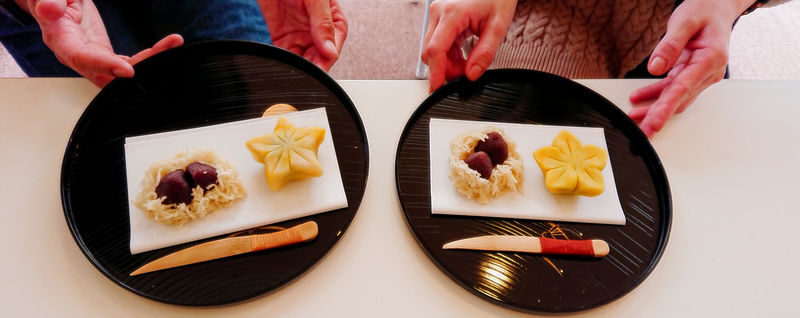
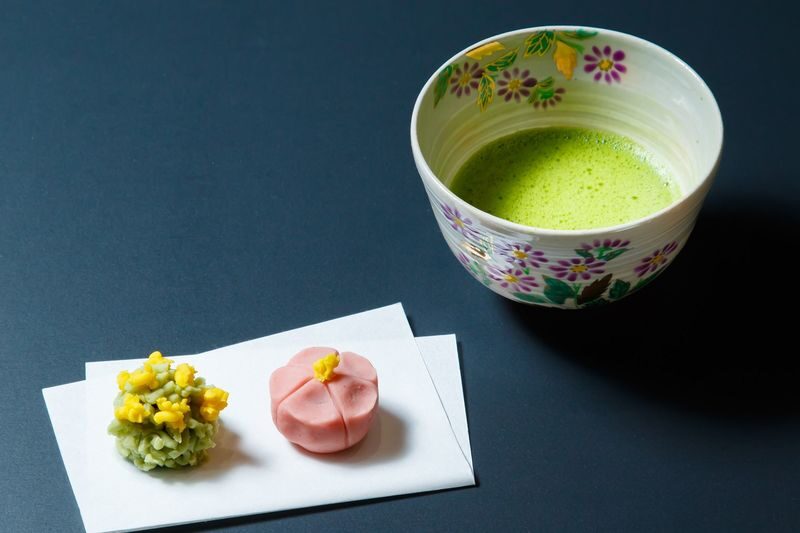
This experience gives you an active role. Rather than simply being served a bowl of matcha, you learn how to prepare it yourself. Instructors demonstrate the steps and explain details such as the utensils, tea preparation, and how to drink it. One participant found the class especially useful for learning how to whisk matcha until it froths, a practical skill you can try again at home.
The format is beginner-friendly, so you do not need to know the rules in advance. The instruction is meant to help you understand what is happening as you go, not test you on etiquette. Some classes also explain the background of matcha, including how the powder is made and how to host and drink tea. The depth of that explanation can depend on the session and the instructor.
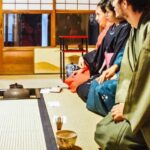
It helps to set your expectations before you arrive. A traditional tea ceremony can involve a carefully arranged setting, formal movements, and a quiet pace. This short class is more hands-on and instructional. Some sessions take place in a classroom-style room, and the central activity is making matcha, not watching a host conduct a full ceremony.
That difference is not automatically a drawback. If you are curious about matcha but want a relaxed, low-commitment introduction, learning by doing can be more useful than sitting through a longer demonstration. But if you are seeking a formal tea-room setting, traditional dress, or an extended ceremony, this may not match the picture in your mind.
You might also be interested in these Kyoto experiences
The available packages are not all the same. You can choose the tea class alone, a tea class with nerikiri making, or an option that includes both ohigashi and nerikiri. The activity’s general description mentions making Japanese sweets, but you should use the package name to confirm exactly what your booking includes.
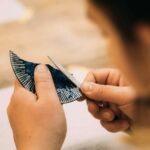
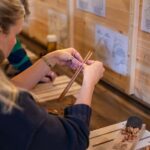
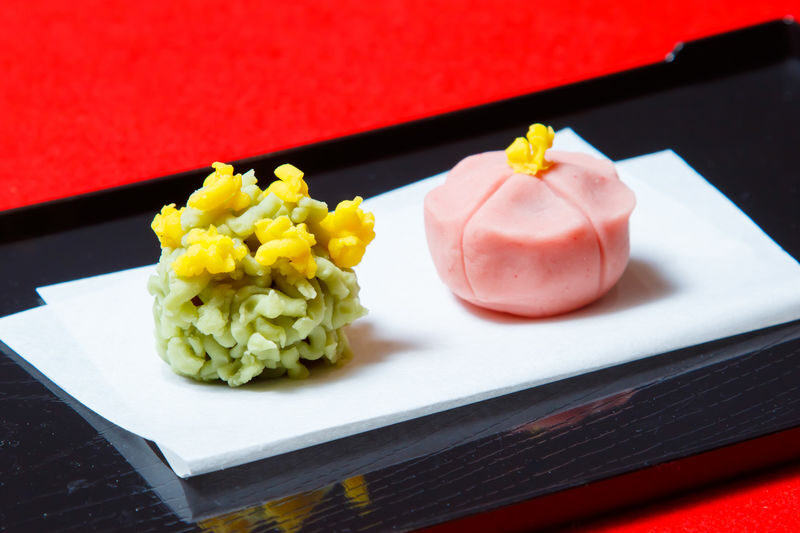
Nerikiri are Japanese sweets shaped by hand. In the sweets-and-tea options, you may work with color and shape before enjoying the finished sweets with matcha. That creative step makes the experience more than a tea demonstration, and it gives you a taste of Japanese confectionery as well as tea customs.
The sweets portion is also where the package choice matters most. The shortest tea class is a better fit if you mainly want to learn the basics of matcha and keep your schedule open. Adding a sweets workshop gives you more to do, and may be better value if you want a fuller activity. Still, do not assume that every package includes every sweet or the same amount of class time.
Taste is personal, particularly with traditional sweets. Some people find the sweets beautiful and enjoyable; others may not care for their flavor or texture. If you are more interested in the making than the eating, you can still get something from the process, but do not book solely on the assumption that the sweets will suit your palate.
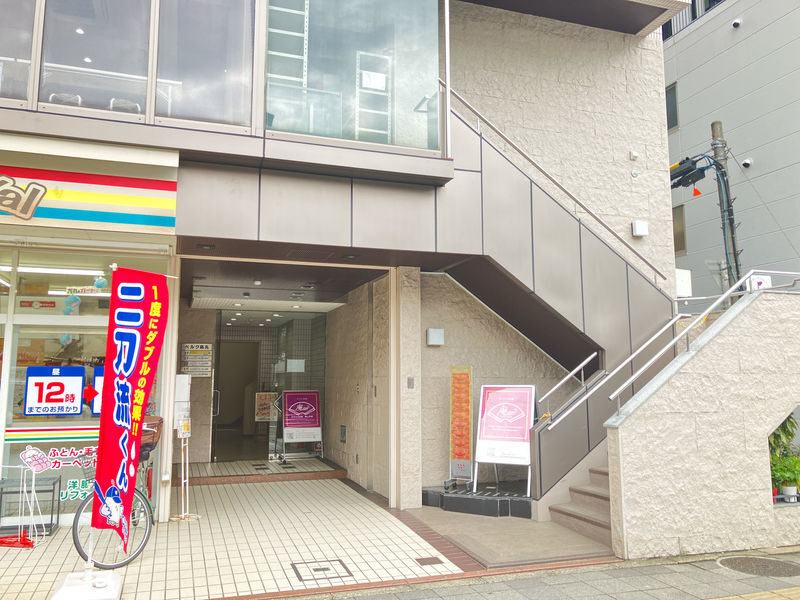
The listed location is 日本文化体験 庵an京都 AN KYOTO, at 135-1 Manjujicho, Shimogyo-ku, Kyoto. This is a meet-up activity, not a tour with transport to several sights. You go to the class location, take part in the session, then finish there.
The schedule gives a 30-minute experience, with a 20-minute segment followed by a 10-minute segment at the same address. In practical terms, this is a compact activity rather than a half-day outing. It can work well on a day when you want a cultural activity without giving up a large block of sightseeing time.
The short format has a trade-off. A quick lesson can leave you with a clear first impression and enough time for the rest of your day, but it may feel rushed if you want long explanations or time to practice each movement. One visitor wished the basic session had lasted longer; another valued that it ended with plenty of energy left for other plans.
There have also been cases of confusion about the exact meeting location, including directions that did not seem to match the venue. To avoid losing class time, check the address and any instructions sent after booking, and arrive five minutes before your chosen start. Late arrival is a particular risk here: a missed session may not be easy to join at a later time.
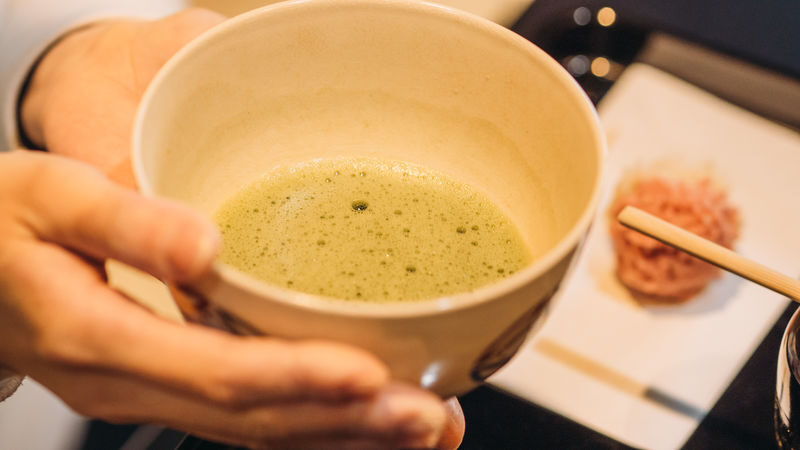
The instructor leads the class step by step. Many participants find the teaching warm, clear, patient, or funny, and some sessions include explanations in both Japanese and English. Actions and demonstrations can help you follow even when you do not understand every word.
English support is not something to take for granted as identical in every class. Some people found the explanations easy to follow; others had trouble hearing or understanding parts of the lesson. If detailed English instruction is important to you, contact the operator before booking to ask what language support is planned for your time.
Group size and room setup can affect how much you see and hear. A group of nine, for example, may not give everyone the same view of a demonstration if the instructor is positioned far from the back. If you have a larger group, consider asking how the session is arranged and whether everyone can see the preparation clearly.
The experience is open to all ages, and families have taken part with children. It is not wheelchair- or stroller-accessible, however, so check the venue’s suitability if anyone in your party has mobility needs.
The advertised price starts at $8.05, which makes this an inexpensive way to try a Kyoto cultural activity. At that price, a short, guided introduction to whisking matcha can be worthwhile, especially if you are curious but not ready to book a longer or more formal experience.
The value depends on the package you choose and what you expect. If your goal is to learn the basic preparation and taste your own matcha, a 30-minute class may be enough. If you want to make sweets as well, select the package that names them and compare its price with the extra time and activity it provides. Do not assume the lowest advertised price covers the more extensive sweets options.
For a short session, clear instruction and a chance to participate matter more than an elaborate setting. Many people leave with a better sense of how matcha is prepared, and some have bought matcha powder afterward as a souvenir. But if you are paying mainly for ceremony, atmosphere, or a long cultural explanation, the price alone will not make a classroom-style lesson feel like the right fit.
Other personal expenses are not included. The listed price is a starting point, so check the final cost for your selected package and date before you confirm.
You can choose among listed start times of 09:05, 11:35, 14:05, 16:35, and 19:05. The return times are paired with the selected departure and the activity duration, so confirm the time shown for your booking rather than assuming every return slot is available.
The activity is available to book as late as the day before, and confirmation is normally issued within minutes. Your mobile voucher is valid only on the selected date and, where applicable, time. Bring it with you and arrive five minutes early.
You can change a booking up to 24 hours before the activity starts, subject to the stated restrictions. A full refund is available when you cancel at least 24 hours before the activity date in local time. The operator may cancel because of extreme weather or an unforeseen event; if that happens, you can request a refund or reschedule. The activity may also be refused to anyone who appears intoxicated, with no refund in that case.
Wear clothing suited to the day’s weather. The activity is indoors, but the room may not feel equally comfortable in every season; one summer participant found the air conditioning weak. That is worth keeping in mind if you are sensitive to heat.
I would choose this class if you want a short, affordable introduction to preparing matcha, enjoy learning by doing, or want a low-key activity between Kyoto’s larger sights. It also suits families and first-timers, provided the non-accessible venue is workable for your group.
Choose one of the sweets packages if shaping Japanese confections is part of the appeal, and check exactly which sweets are included. If you are mainly after a formal tea ceremony, a quiet traditional room, or a long lesson in etiquette and history, compare this with a more ceremonial experience before booking.
The best way to approach it is as a hands-on introduction, not a grand ritual. Come on time, read the package details, and expect a brisk lesson. If that is what you want, the chance to whisk your own matcha and taste it with Japanese sweets can make a good-value pause in a busy Kyoto day.
“Great affordable experience! The sweets were yum”
The listed experience time is 30 minutes. The schedule separates the activity into two segments at the same address.
You will learn to prepare matcha and taste it afterward. Sweets are included only with packages that specify them.
The listed address is 135-1 Manjujicho, Shimogyo-ku, Kyoto city, at 日本文化体験 庵an京都 AN KYOTO. Check your booking instructions for the exact meeting details.
The listed options are 09:05, 11:35, 14:05, 16:35, and 19:05. The available return time depends on the start time and activity duration.
Yes. The activity is described as beginner-friendly and has no age limit.
No. The activity is listed as not accessible for wheelchairs or strollers.
You can receive a full refund if you cancel at least 24 hours before the activity date, using destination local time. If extreme weather or an unforeseen event leads the operator to cancel, you can request a refund or reschedule.