Physical Address
304 North Cardinal St.
Dorchester Center, MA 02124
Physical Address
304 North Cardinal St.
Dorchester Center, MA 02124

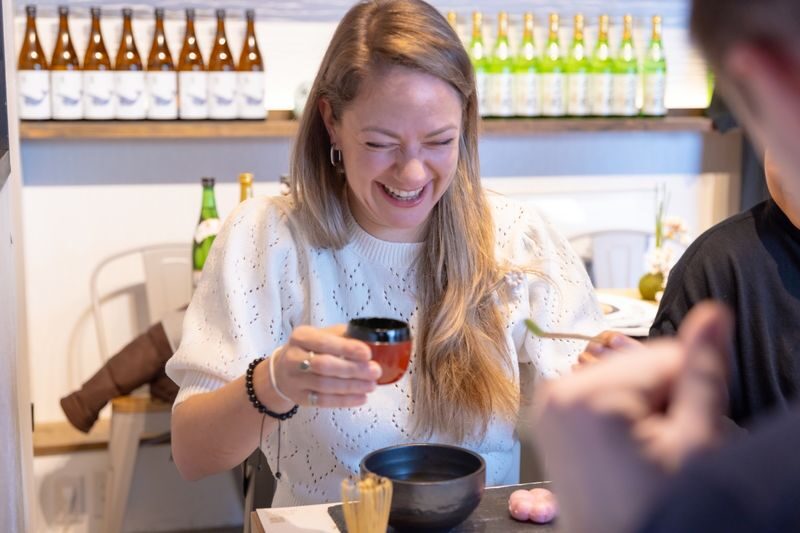
Whisk matcha, learn tea customs, and enjoy Japanese sweets in an English-led class in historic Asakusa, near Senso-ji and Tokyo Skytree.
A bowl of matcha is simple to order in Tokyo; making one yourself gives you a better feel for the care behind it. In this Asakusa class, you hear a little about matcha’s history, learn how to handle the whisk, and prepare your own drink. I like the hands-on practice and the chance to ask questions in English. The sweets make a pleasant finish.
I also like the setting: Kaminarimon is close to Senso-ji and Tokyo Skytree, so the class fits easily into a day in Asakusa. One point to keep in mind: this is a short introduction, not an in-depth tasting of several matcha varieties. Your package includes one matcha and two small sweets, while any upgrades may cost extra.
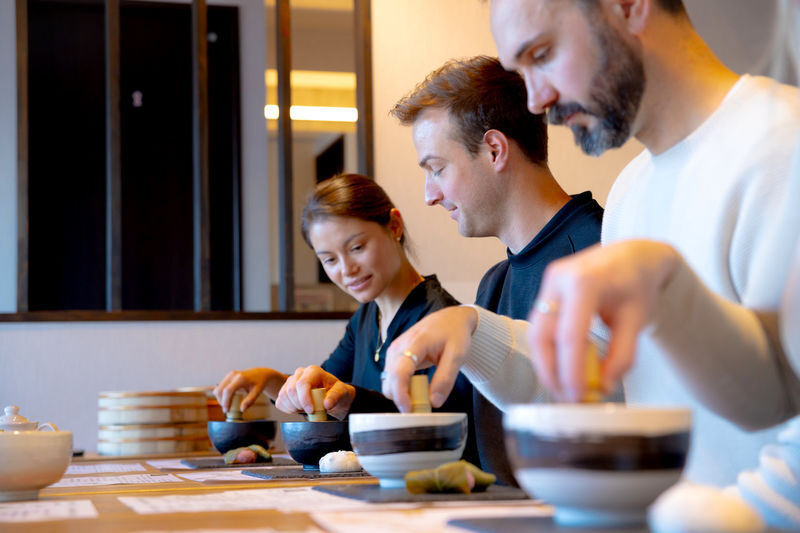
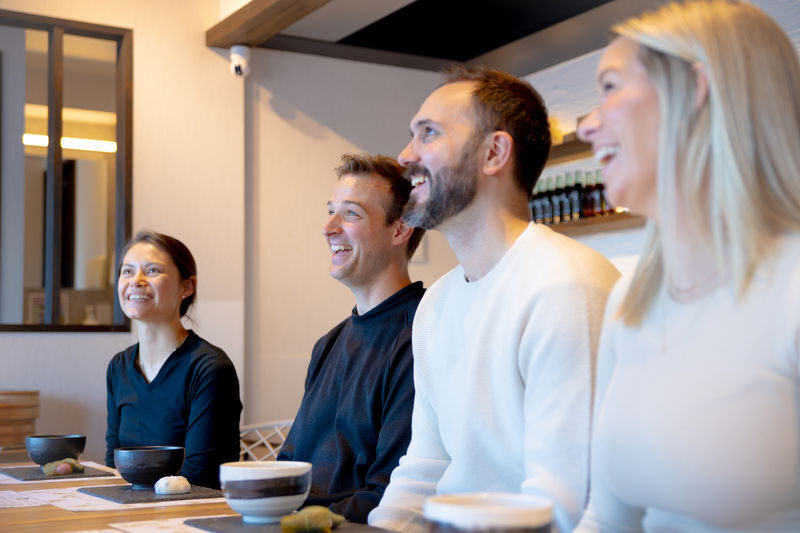
Asakusa is one of Tokyo’s best-known traditional districts, and this class gives you a small, practical encounter with Japanese food culture while you’re there. Rather than only hearing about matcha, you handle the tools and make a bowl yourself. That modest shift from watching to doing is what makes the activity worthwhile.
The class takes place at 2 Chome-17-9 Kaminarimon, in Taito City. Its location makes it easy to pair with a visit to Senso-ji Temple or other Asakusa sights. Tokyo Skytree is also nearby, though you’ll want to check your own route and timing if you plan to visit both.
The setting is part of the appeal, but don’t expect an elaborate tea-house ceremony. The emphasis here is an accessible introduction: a little context, clear instruction, a chance to practise, and time to drink what you’ve made. That makes it a sensible choice if you’re curious about tea but don’t want to commit to a long cultural program.
You might also be interested in these Tokyo experiences
The session begins with an introduction to matcha and its place in Japanese culture. A lighthearted quiz helps make the history less like a lecture and gives you a few points to watch for as you prepare the tea. It’s a useful format for families and first-timers, since you can join in without knowing anything beforehand.
Next comes the practical part. Your English-speaking instructor explains the preparation and shows you how to use the traditional whisk. Then you make your own matcha, following the steps with help close at hand. Past instructors such as Tomona, Sana, Moon, and Suzy have been singled out for patient explanations, lively teaching, and an ability to keep the class comfortable for children. The specific person leading your session can vary.
The activity also introduces tea etiquette and the mannerisms involved in preparing and serving matcha. That context matters: the class isn’t only about getting a drink into a bowl. You get a basic sense of how the gestures and preparation connect to the traditions surrounding tea.
Finally, you drink the matcha you’ve made with Japanese sweets. The package includes one matcha and two small sweets, a simple pairing that gives you a chance to notice how the sweet taste balances the tea’s more earthy notes. It is a tasting, not a full meal, so plan lunch or a more substantial snack separately.
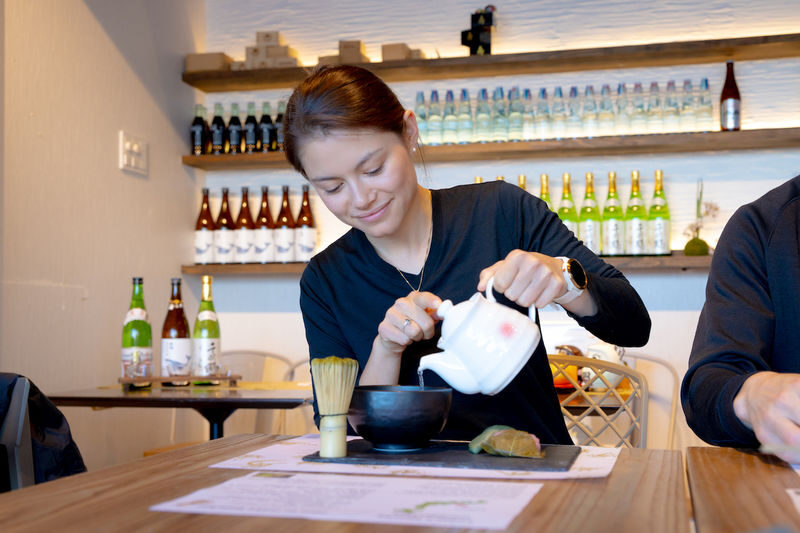
This is a beginner class, and that is its strength. You don’t need to know the difference between grades of matcha or arrive with experience using a chasen, the bamboo whisk. The instructor walks you through the process, and you can ask questions as you go.
The lesson covers matcha history, preparation, and some tea ceremony customs. It aims to leave you able to make a basic bowl at home, rather than to train you as a tea practitioner. If you’re looking for a full formal ceremony, or a detailed comparison of several teas and their flavour profiles, this may feel too brief.
Some participants have paid to upgrade the matcha they use, and those options may be available at an extra cost. Treat that as an optional add-on, not part of the standard package. If tasting several types is your main reason for booking, check what’s offered before you commit.
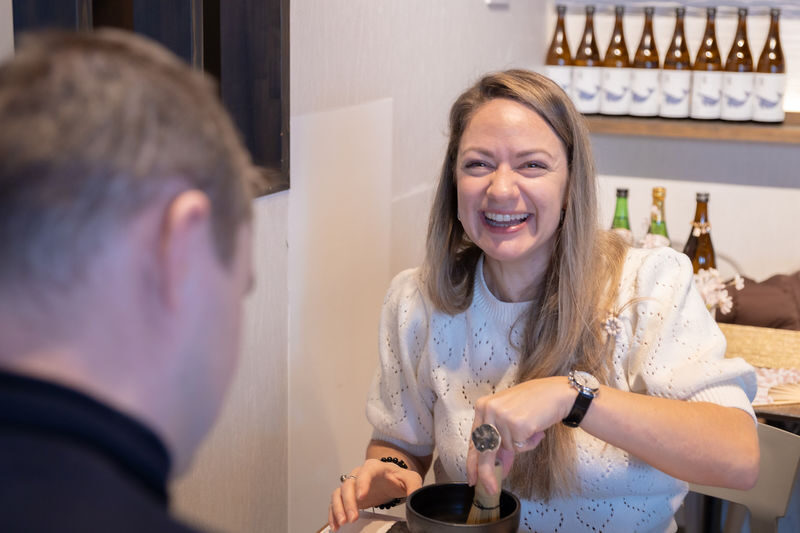
The format is compact, with sessions described as about an hour. That’s enough time for a short introduction, instruction, practice, and tasting without taking over your day. It also makes the class a manageable stop for children, who may not have the patience for a longer ceremony.
Group size can vary. Some sessions have an intimate feel, and a small group may allow more time for individual questions. In one instance, a pair had the instructor to themselves, but you shouldn’t count on a private class unless the provider confirms it.
The staff’s warm, informal style is a recurring strength. Instructors have been called by names such as Momoka, Tomona, Sana, Moon, and Honoka, and the tone is described as friendly and lively. That helps put beginners at ease, especially if you’re worried about getting the technique wrong. This is a guided activity, not a test.
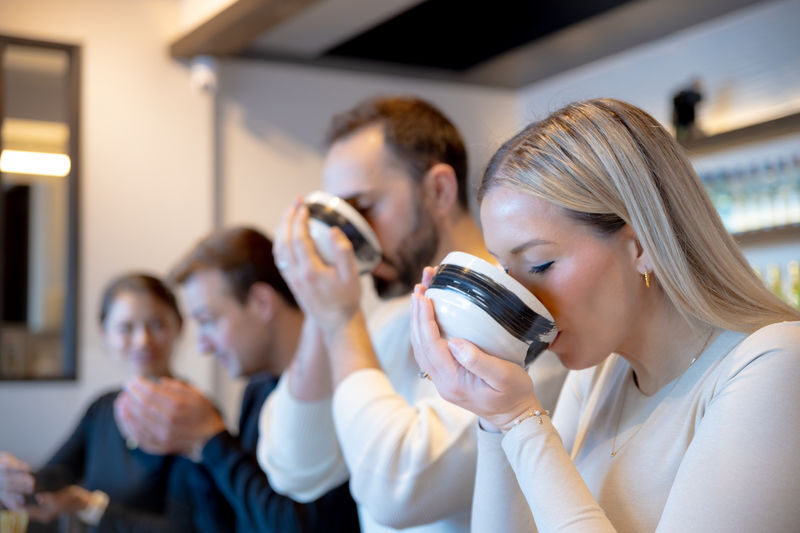
The price starts at $15.79, which is modest for a guided cultural activity in Tokyo. For that, you get an English-speaking instructor, ingredients, a hands-on preparation session, matcha, and Japanese sweets. The value is strongest if you want a concise activity that gives you both a cultural explanation and something practical to try.
The limits are worth understanding, too. The standard package is not a multi-course food experience, and it does not promise tastings of several matcha types. Your included serving is one drink, accompanied by two small sweets. If you’re seeking a broad tea tasting or an extended lesson, you may prefer a different class or need to budget for optional extras.
The class has a high overall rating, with a reported score of 5.0 from 977 ratings. That aligns with the activity’s clear strengths: approachable instruction, an enjoyable hands-on task, and staff who make the material engaging. A high score doesn’t change the basic scope, though. Book it for a friendly introduction, not a specialist workshop.
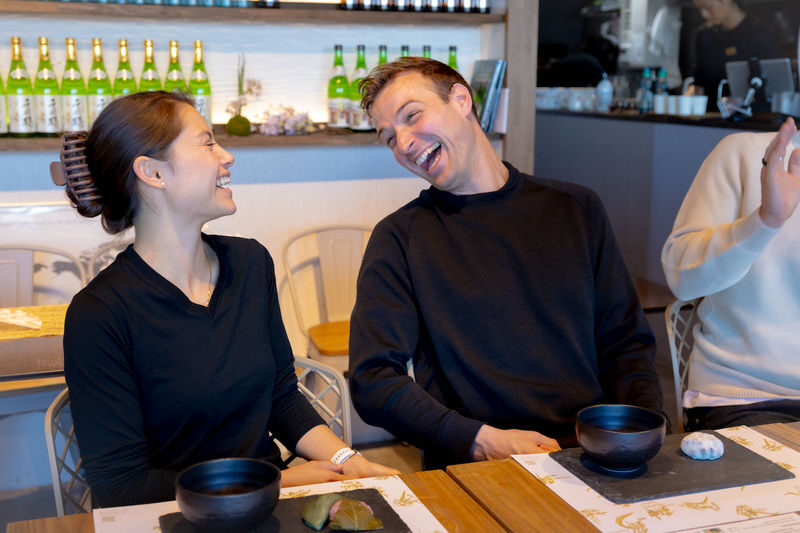
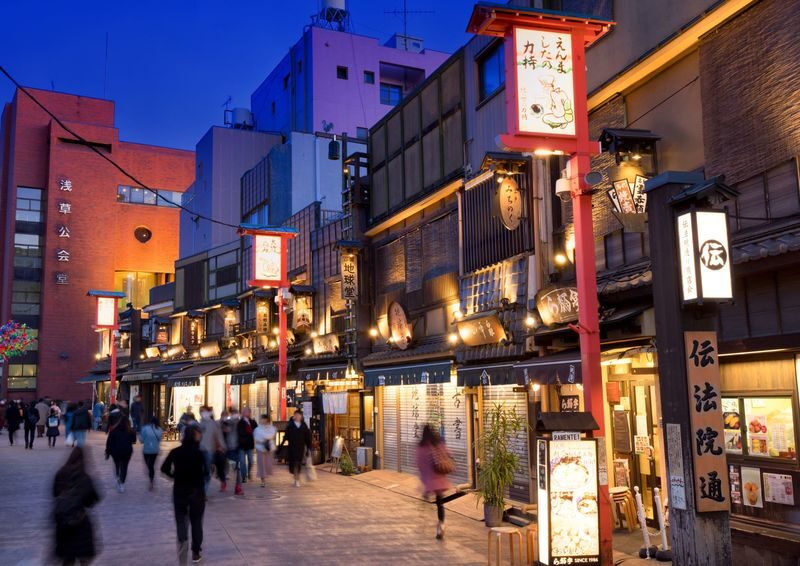
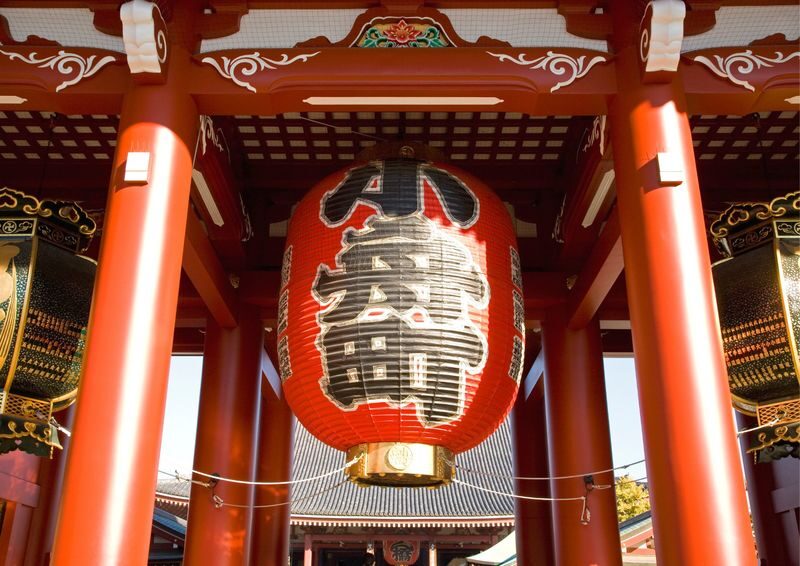
The location makes this a natural fit between visits to local sights. You can pair it with Senso-ji, which is a short walk away, or make it part of a broader day that includes Tokyo Skytree. The class itself is indoors, and one participant appreciated having an air-conditioned break during a hot July day. That can be a welcome pause in summer, although conditions may vary by season.
Arrive at the address shown for the activity: 2 Chome-17-9 Kaminarimon, Taito City, Tokyo 111-0034. The meeting point and venue are the same. Check the map carefully before setting out, since the correct street address matters more than a general search for matcha experiences in Asakusa.
There is no hotel pickup or drop-off, so you’ll need to make your own way there. Confirmation is normally sent within minutes; if it doesn’t arrive, contact customer support. The voucher is valid only on the date and time specified, and you can receive a full refund if you cancel at least 24 hours before the activity date, using Tokyo local time.
I’d recommend it to first-time matcha drinkers, curious food lovers, and anyone who wants a small cultural activity that doesn’t demand much advance knowledge. It also suits families: children aged four and older can join, and instructors have been praised for being patient with kids. Keep in mind that children pay the same rate as adults.
It’s a good choice if you’re already exploring Asakusa and want a seated, participatory break from sightseeing. The lesson is short enough to fit around a temple visit, and the activity gives you more to remember than simply ordering tea at a café.
You may want a different experience if your priority is a formal tea ceremony, extensive tea education, or a tasting flight. Those are not promised here. This class is friendly and practical, with a clear focus on making one bowl and understanding a few customs around it.
Book this class if you want a relaxed, English-led introduction to matcha in Asakusa, especially if you like learning by doing. The combination of a short history lesson, traditional whisking, tea etiquette, and Japanese sweets is a useful package at a starting price of $15.79.
Skip it if you expect a long ceremony or multiple matcha tastings included in the base price. For a first taste of the preparation and customs, though, it’s an easy activity to add to an Asakusa day. Check the address, confirm your date and time, and treat any tea upgrade as an optional extra.
“It was a quick but informative class. It is worth doing if you're in the area. Though, it would be better if they included different types of match…”
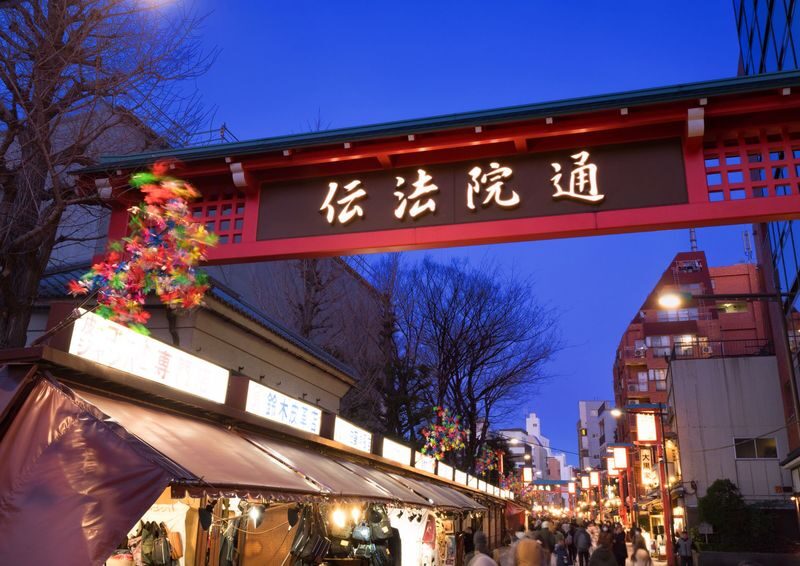
The class meets at 2 Chome-17-9 Kaminarimon, Taito City, Tokyo 111-0034, Japan, in Asakusa.
Yes. English-speaking local staff guide the activity.
No. The class is suitable for beginners, and the instructor guides you through the preparation.
The package includes English-speaking staff, ingredients, matcha making, and Japanese sweets.
The package includes one matcha drink and two small Japanese sweets.
Yes. Participants must be at least four years old. Children aged four and up pay the same rate as adults.
No. Hotel pickup and drop-off are not included.
Yes. The Kaminarimon location is a short walk from Senso-ji Temple.
Prices start at $15.79. Optional matcha upgrades may be available for an additional charge.
Yes. You can receive a full refund if you cancel at least 24 hours before the activity date, using Tokyo local time.