Physical Address
304 North Cardinal St.
Dorchester Center, MA 02124
Physical Address
304 North Cardinal St.
Dorchester Center, MA 02124

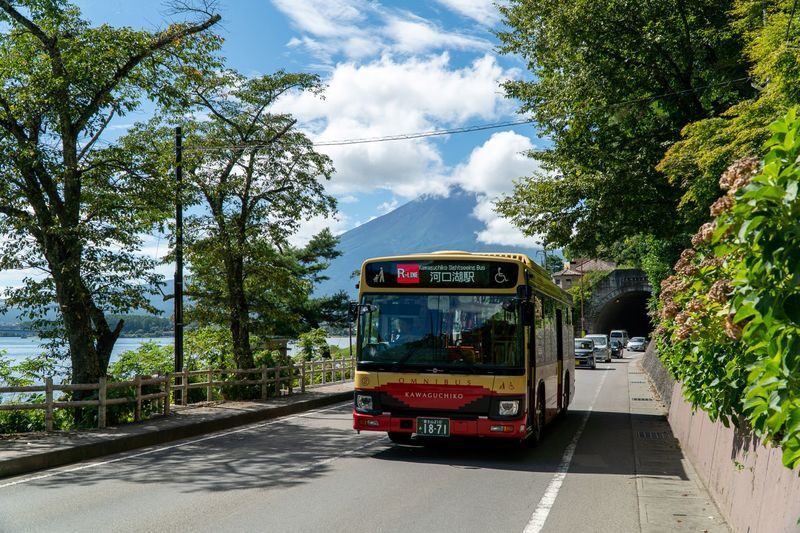
Compare the Mt. Fuji Pass’s buses, trains and attractions, then plan around activation rules, limited schedules and mobile-ticket requirements.
The Mt. Fuji Pass can turn a scattered sightseeing plan into one ticket for buses, a regional train and selected attractions around the Fuji Five Lakes. That’s useful in a region where the ropeway, lakes, caves and parks sit far apart, and where a car is not the only way to get around.
I like two things about the idea: you can choose one, two or three days, and the pass can combine transport with a boat ride, ropeway or cave visit. The catch is that the attractions are spread out and buses may be infrequent, so a long list of included options does not mean you can comfortably do them all.
The Mt. Fuji Pass is best understood as a transport-and-attractions bundle. It does not take you around with a guide or set a route for the day. Instead, you decide which buses and trains to board and which participating attractions fit your schedule.
The advertised choices are one-, two- and three-day passes. There are also more focused package options, including a two-day Kawaguchiko-area bus coupon with a boat and ropeway, and a one-day Oshino and Yamanakako-area coupon with a boat and Oshino Shinobi no Sato. These are different products, so check the exact package name and included items rather than assuming every pass includes every attraction.
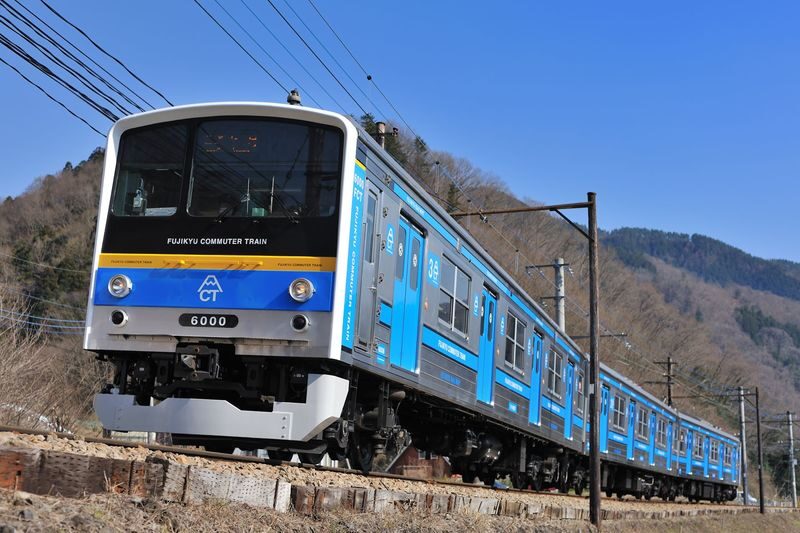
The broad Mt. Fuji Pass lists access to the Fujikyuko Line from Otsuki to Kawaguchiko, along with bus routes linking areas such as Kawaguchiko, Yamanakako, Motosu and Saiko. Listed corridors also connect Kawaguchiko with Kofu, Gotemba, Mishima, Fujinomiya, Shin-Fuji and Mount Fuji’s fifth stations on the Yamanashi and Shizuoka sides. That network can be useful if your plans cross more than one lake area.
But a regional route list is not the same thing as frequent, point-to-point service. Some buses run less often than you may hope, and the attractions can be a long way apart. I would plan around a few linked stops rather than treating the pass as permission to race across the whole map.
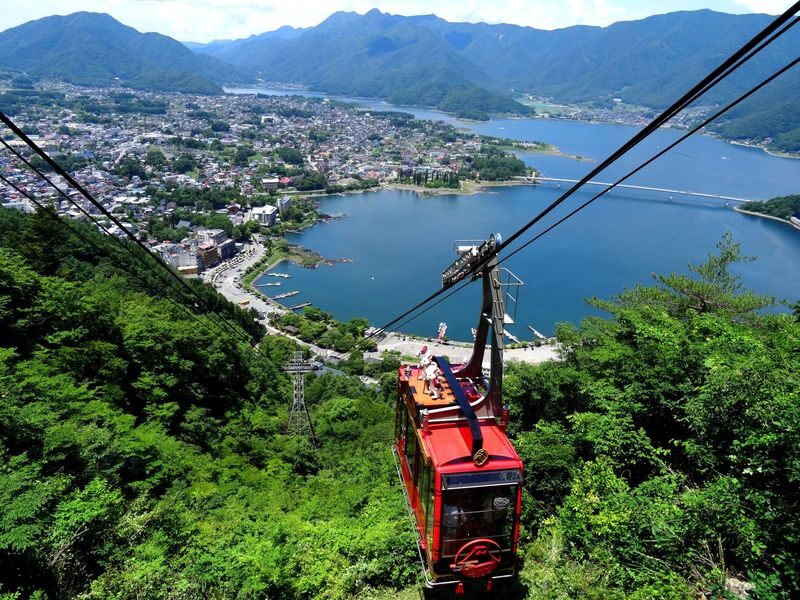
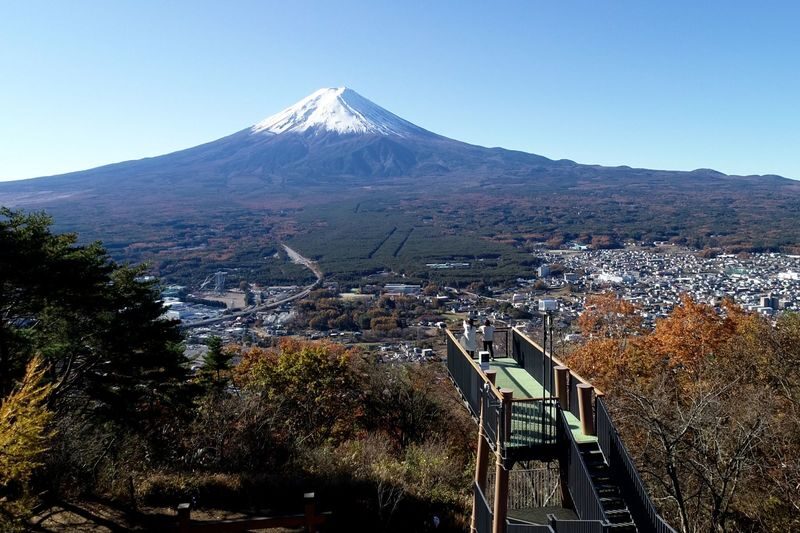
For many visitors, Lake Kawaguchi is the natural starting point. The Mt. Fuji Panoramic Ropeway is at Azagawa, while the Kawaguchiko sightseeing boat, APPARE, departs from Funatsu. Both are among the pass’s most appealing inclusions, and their location makes it easier to combine them with other stops in the area than with far-flung attractions.
The ropeway offers a high viewpoint over the lake and, when conditions allow, toward Mount Fuji. Its appeal is straightforward: you gain a broad view without needing a long hike. The drawback is equally practical. Operating hours and maintenance closures can change, so check the ropeway’s status before committing your day or activating a timed pass.
The sightseeing boat gives you a different angle on the lake. It is a short, contained activity, which can fit between bus rides or a ropeway visit. Still, boat departures matter. If you arrive just after one has left, waiting for the next can eat into a tightly planned day.
The two attractions make a sensible pair, especially with a Lake Kawaguchi bus plan. But the pass is not automatically a bargain just because it includes them. If you are staying near the lake and expect to take only a couple of rides, compare the separate prices with the pass first. Some visitors find that walking and buying individual tickets is cheaper.
The western lake area brings a different feel and a longer transit commitment. The pass lists buses serving Lake Saiko and Lake Motosu, as well as the Fugaku Wind Cave and Narusawa Ice Cave. These caves offer a change from the lakeside sightseeing, but they are not quick add-ons if the bus connections are poorly timed.
The two caves are separate stops, not a single attraction. They sit in a more remote part of the region, and bus frequency can make the difference between a relaxed visit and a day spent watching the clock. Leave room for the ride out, time at each site and the next departure. A plan that looks compact on a map can take much of the day once you include transit and waiting.
Mobile reception is another concern in this area. The electronic tickets may be difficult to load where the signal is weak, including around the caves. The instructions say screenshots and printed copies are not accepted, so do not assume an offline image will solve the problem. Keep your phone charged, load the ticket before you leave a stronger-signal area if the system allows, and be ready to use local Wi-Fi where available.
The Motosu sightseeing boat, MOGURAN, is also listed, but facility operations can change. Check that it is running on your planned date before counting it as part of the pass’s value. A closed boat or cave can quickly turn a generous-looking bundle into a much more ordinary transport ticket.
The eastern side of the region brings Lake Yamanaka, its sightseeing boat, and routes toward Oshino. The Yamanakako boat is called Swan Lake, and the pass options also include a package featuring Oshino Shinobi no Sato. If these are central to your plans, the focused Oshino and Yamanakako package may be easier to assess than the wider pass.
The main challenge here is timing. Routes can be less frequent than those around the most popular Lake Kawaguchi stops, so a missed bus may leave a long gap. Check the current timetable and decide in advance which stop you can drop if connections do not line up.
This is a good example of why the pass’s value depends on your itinerary, not simply on the number of attractions printed on the ticket. A boat ride and a couple of bus journeys might make the area pass worthwhile; a single short trip may not. If you are driving, or already staying close to the sights, individual admission and transport could cost less.
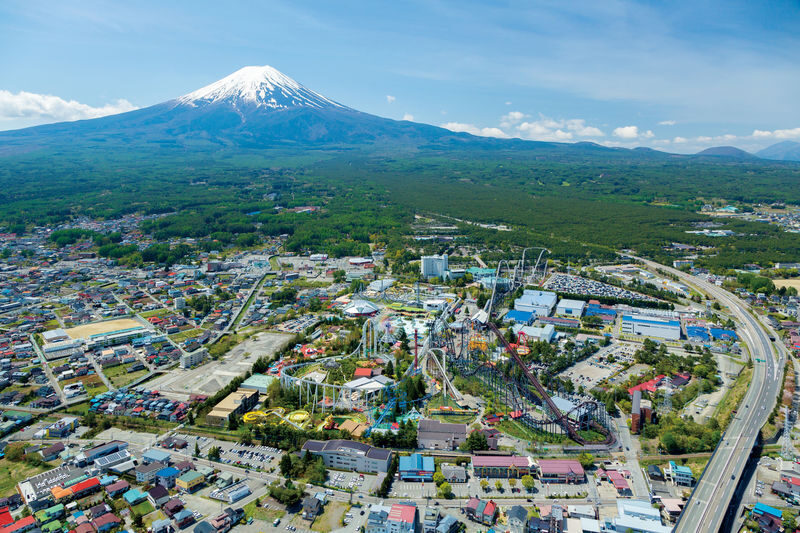
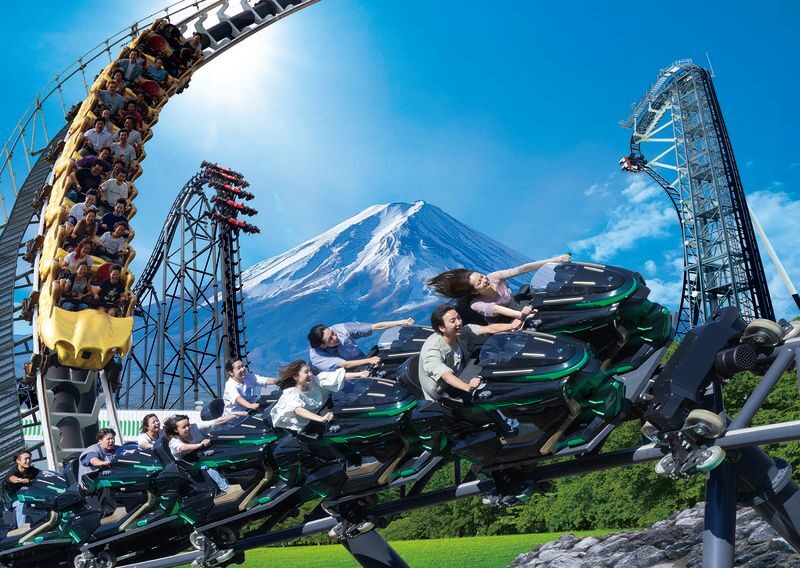
Fuji-Q Highland is a major name on the pass’s attraction list, but do not read that as unlimited park access or a full day of rides. The stated inclusion is a one-time ticket. The available details do not establish that it covers every ride or the park’s other paid options, so check the exact redemption terms before purchase.
That distinction matters. If Fuji-Q is the main reason you want the pass, an unclear ride allowance could make the bundle poor value. The Fujiyama Museum is also listed at the same address as the park, but it is a separate attraction. Factor in its location and opening status instead of assuming it is inside the park’s ride ticket.
The park and museum are in Fujiyoshida, while several other included attractions sit around different lakes or farther afield. You may need to choose between spending time at the park and using the pass to visit more distant stops. That is a reasonable trade-off, but it is not a day for trying to do everything.
The starting price is listed from $20.25, though the exact cost depends on the package and duration you select. Treat that as an entry price, not a guarantee that every version costs the same. The useful comparison is the pass price against the transport and attractions you will actually use.
A pass can pay off when you plan several covered bus or train journeys and expect to visit multiple included attractions. It is especially appealing if you want the convenience of one purchase and do not want to buy each fare or admission separately. Some people value that simplicity even when the savings are modest.
It is less compelling if you will mostly stay near Lake Kawaguchi, take only one or two bus rides, or choose just one included activity. Several attractions are far apart, and time spent travelling can limit how much you see. A three-day pass gives you more room than a one-day ticket, but it still does not make remote locations close together.
Fuji-Q also needs careful arithmetic. If the included benefit is only one ride, compare that with what you would pay for the rides you actually want. Admission to the park itself is reported as free, with payment for rides, so a single included ride may not carry the value you expect from the words park ticket.
Before booking, write down your planned stops, check their individual prices and add the likely transport fares. Then compare that total with the exact pass package. It is a little homework, but it is cheaper than buying a broad pass and discovering that the bus timetable lets you reach only one attraction.
The pass uses web tickets accessed through your account or voucher. You may need to show the relevant ticket to a bus driver or attraction staff, and different parts of the pass can have separate tickets. Keep the correct ticket easy to find, especially if you are travelling with family and managing several passes on one phone.
There is no paper backup under the stated rules. You need a device that can communicate continuously, and screenshots or printed tickets are not permitted. This can be awkward on remote routes, where reception may be weak. Bring a charged phone and a reliable data connection, and do not tap the voucher’s activation link until you are ready to begin.
Activation deserves special care. The voucher is valid for 90 days from booking confirmation, but you must start using it within that period. Once you activate the pass, its selected one-, two- or three-day usage period begins. Do not assume the countdown waits until your first bus ride if you have already pressed the activation control.
The pass cannot be cancelled or refunded, and refunds are not available after use begins. Check each attraction’s opening hours, maintenance dates and operating status first. Bus schedules and facilities can change, and the pass is only good value when the places you plan to visit are actually open and reachable.
I would consider this pass if you are staying in the Fuji area for at least a couple of days, intend to use several covered transport routes, and have a shortlist of included attractions that are open on your dates. It suits an organized, flexible itinerary more than an improvised day of seeing where the bus takes you.
It is less suitable if you want to visit only one or two places, are driving, need a paper ticket, or cannot rely on mobile data. It is also a risky choice if your main goal is Fuji-Q and you have not confirmed exactly what the one-time ticket covers.
Book it after you have checked the timetable, attraction status and separate ticket prices. If those checks show real savings and your phone can display the tickets, the pass can make regional sightseeing simpler. If the numbers are close, buy individual fares or a more focused area pass instead.
“An absolutely wonderful experience, great value for the money, and I loved it!”
You must begin using the voucher within 90 days of booking confirmation. After you start using it, the selected one-, two- or three-day period applies.
The listed transport includes the Fujikyuko Line between Otsuki and Kawaguchiko and selected bus routes in the Yamanashi and Shizuoka areas. Check that your exact route is included before boarding.
The broad pass lists Fuji-Q Highland, Fujiyama Museum, the Mt. Fuji Panoramic Ropeway, sightseeing boats on Kawaguchiko, Yamanakako and Motosu, Fugaku Wind Cave, Narusawa Ice Cave and Grinpa. Inclusions can depend on the package you choose.
The stated inclusion is a one-time ticket. The supplied details do not say that it covers unlimited rides or all paid attractions, so confirm the exact terms before buying.
Yes. The pass requires a device that can communicate continuously so you can display the web tickets. Screenshots and printed copies are not accepted.
No. The product cannot be purchased by people with Japanese nationality or people who reside in Japan.
No. Cancellations and refunds are not available, and refunds are not given after use has begun.
The pass information says it is free for children aged zero to five.