Physical Address
304 North Cardinal St.
Dorchester Center, MA 02124
Physical Address
304 North Cardinal St.
Dorchester Center, MA 02124

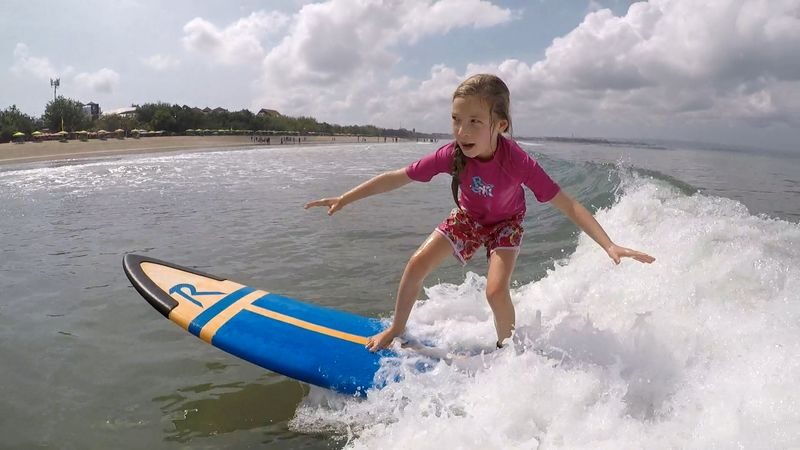
Learn to surf at Legian Beach with local instructors, supplied boards, optional motorbike pickup, and lesson formats for solo learners or small groups.
Legian Beach is a practical place to try surfing for the first time: you get a soft beginner board, an instructor to guide you, and waves that can offer a first taste of standing up without needing your own gear. Lessons are run by local surfers, with instructors such as Jones and Momo named by people who have learned here.
I like two things in particular: you can choose how much one-to-one attention you want, and the school supplies boards, rashguards, sunscreen, water, and photo documentation. Hotel pickup by motorbike can also make the trip easier if you are staying in Kuta Centre, Legian, or Seminyak. One thing to weigh is that surf conditions and tide shape the lesson, so a booked time may not be the exact time you enter the water.
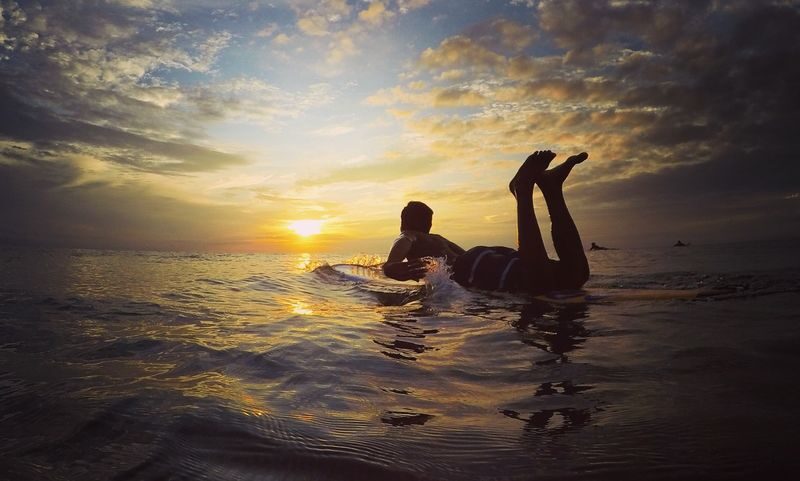
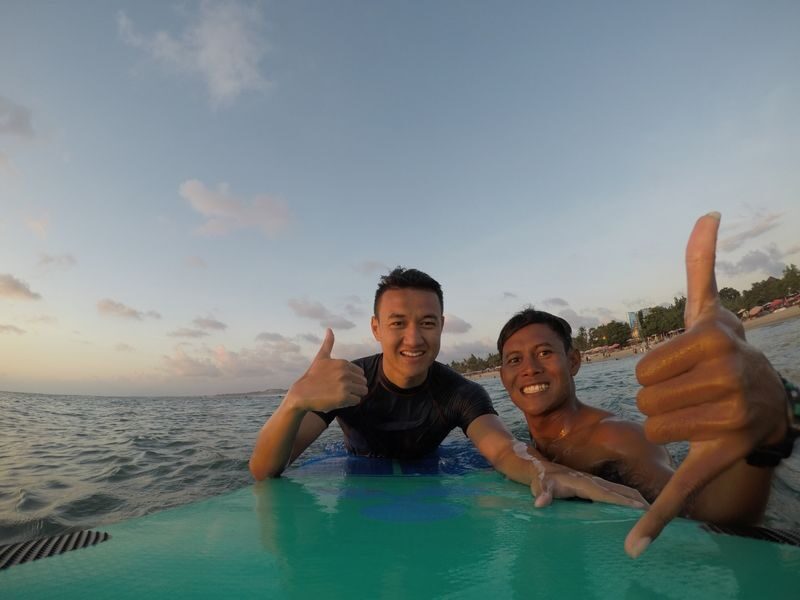
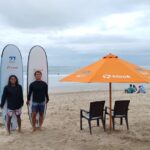
The meeting point is Pulau Biru Surf, on Jalan Pantai Kuta in Legian. The address is also given as Jl. Pantai Kuta No. 32, Legian, Kuta, Badung Regency. If you are not using the pickup service, you can take a taxi directly to the meeting point.
Finding the exact school may take a little attention. Legian Beach has many surf-school stalls, and one learner found the address hard to identify among them. Contact the operator ahead of time to confirm your start time and ask for clear directions. Arrive at the meeting point 10 minutes early, and allow extra time for weekend traffic.
The included motorbike pickup is a useful local touch, not just a transfer perk. It can save you the hassle of arranging transport in the Kuta area, and some people have been taken back to their hotel after the lesson. Pickup is only specified for Kuta Centre, Legian, and Seminyak, so do not assume it applies to hotels farther away.
You might also be interested in these Kuta experiences
The choice of lesson format will affect how much individual attention you get. The private option is one student with one instructor, the semi-private option is two students with one instructor, and the group lesson has three students with one instructor.
For a first surf lesson, I would give serious thought to paying extra for the private format. It is the strongest fit for children, people who cannot swim, and anyone who feels nervous in the water. You can focus on your own balance and timing, and the instructor can respond directly to your progress. The operator specifically recommends private lessons for children and first-timers who cannot swim.
The semi-private format can work well for a pair of friends or family members who want to learn together. You share the instructor, but still have a small group. It is a sensible middle ground if you are comfortable taking turns and do not need constant individual coaching.
The group lesson is the least expensive of the three listed packages, with one instructor for three students. It may suit confident beginners who are happy to repeat the basics and share coaching time. But if you are uneasy in the surf, or want close support when a wave catches you off guard, the smaller formats are worth considering. One learner found a group session repetitive and wanted more hands-on help after a difficult moment in the water.
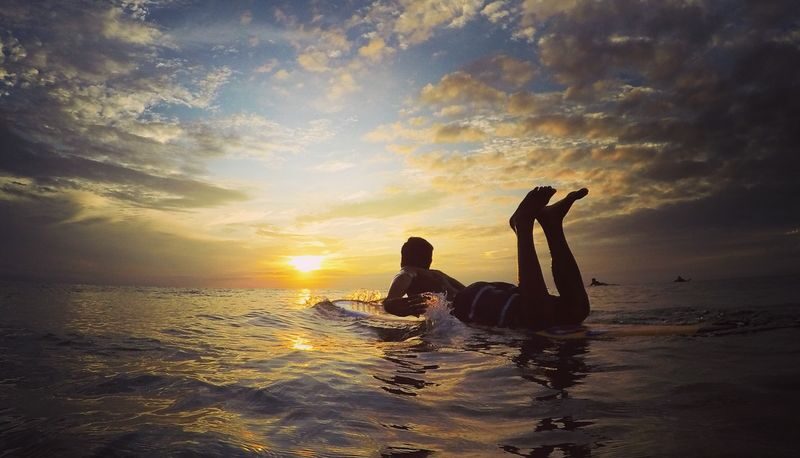
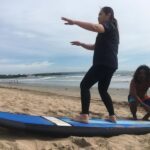
The exact sequence and start time depend on your skill level and the tide, but expect the instructor to explain the basic techniques before you head into the water. Learners describe receiving step-by-step instruction, then practicing with the coach nearby to guide them when a wave is ready and offer feedback on their form.
You will use a beginner board supplied by the school, along with a rashguard. You do not need to bring your own surf equipment. Reviews describe instruction on a soft foam board and practice on whitewater, the broken waves closer to shore that are often used for beginner lessons.
Once you are in the water, expect to repeat the same basic actions: prepare, paddle, try to stand, and reset after a fall. The instructor may help carry the board out and show you how to manage it in the water. That last skill matters. A board can be awkward when waves hit it, so pay attention to instructions about controlling it before concentrating on standing.
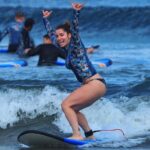
A two-hour lesson is mentioned often, and it gives you more time to practice than a quick try. Some first-timers report standing within the first hour, but that is not a promise or a measure of success. Surfing asks you to coordinate your timing, balance, and confidence while the water moves beneath you. A good lesson is also about learning how to fall, listen, and try again.
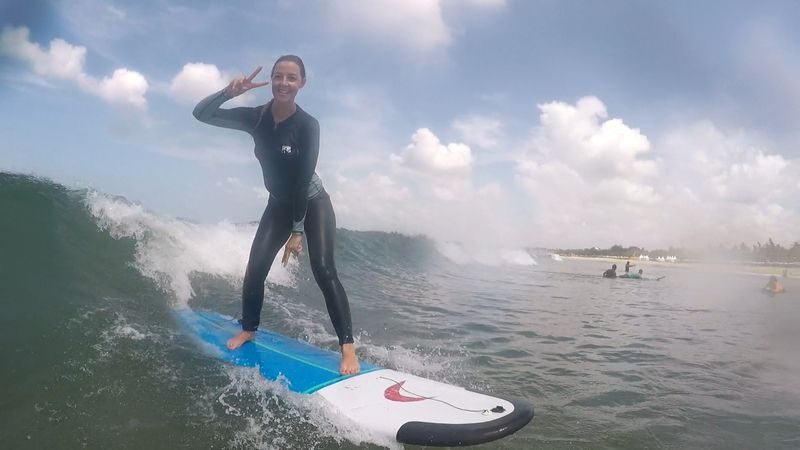
Lessons run between 07:00 and 17:00, depending on high and low tide. The operator confirms the exact start time, so treat the time you select as something to verify rather than a guarantee of when you will paddle out. Tide conditions matter: the water and waves can feel very different from one session to another.
Check the weather before booking and stay in touch with the operator about timing. One beginner found that a full-moon date brought irregular, forceful waves that made learning harder. That is a useful reminder that a beach known for beginner lessons is not a wave machine set to one gentle setting. If the surf is rough, your session may be less comfortable and standing may take longer.
The lesson is offered throughout the day, but that does not mean every hour is equally suitable for every learner. Ask which tide window best fits a first lesson, particularly if you are booking for a child or a nervous swimmer. Build flexibility into your plans, too, since the operator may adjust the start time to match the conditions.
The experience is advertised from US$8.09, while the package options supplied show group lessons from US$10.49, semi-private lessons from US$13.95, and private lessons from US$17.45. Prices can vary, so check the selected date and package before you book. The important comparison is not just the starting price, but how many people share the instructor.
At the lowest listed package price, you get the gear and coaching without the cost of arranging a board or finding an instructor on your own. Bottled water, sunscreen, a rashguard, a public shower room, and photo documentation add practical value. The photos can be a nice record of the lesson, although you should not assume video is included. One learner was disappointed to receive photos but no video.
If you have never surfed, the private lesson may be better value than the cheapest group option. You pay more, but the instruction is focused on you, which can make a short lesson feel more useful. For two people learning together, semi-private is a fair compromise. Pick the group option only if saving money matters more to you than close individual attention.
Bring your swimsuit and sunblock, even though sunscreen is listed among the supplied equipment. Protecting yourself from the sun matters when you are spending time in the water and may be out on the beach between attempts. Do not wear valuable accessories during the lesson.
You will get wet and work harder than the activity may look from shore. A learner who asked to finish early because of fatigue was given a ride back to the hotel, but plan your energy as if you will be paddling and practicing for the full booked session. Drink the provided water, take a break when needed, and tell your instructor if you are tired or uncomfortable.
Falling is part of learning, and several beginners mention sore knees or the sting of a wipeout. The supplied equipment list does not include knee pads or other protective gear, so do not count on receiving them. Listen closely to the instructor’s advice on how to fall and handle the board. If you have a heart or respiratory condition, sinus problems, an ear infection, or claustrophobia, the activity is not recommended.
The stated minimum age is 7, and children are advised to book the one-student, one-instructor private lesson for safety. Parents have taken lessons with children and described patient, attentive coaching, but a child’s comfort and ability in the water should guide the choice. For a young beginner, the extra personal attention is more important than getting the lowest price.
There is a discrepancy worth noting: a few posted experiences describe children younger than 7, but the stated eligibility rule says participants must be at least 7. Follow the rule provided for the activity, and ask the operator before booking if your child is near the age limit.
The information also says pregnant women and people with certain health conditions should not participate. If you are pregnant or have a listed condition, do not treat the beach setting or beginner format as a reason to ignore that warning.
This lesson is best for a first-timer who wants a guided introduction rather than a board rental and a guess at what to do. It also suits a pair who want to learn together, or a family with eligible children who are comfortable in the water. You do not need to arrive with surf skills, but you should be ready for a physical activity that can be tiring.
It is less suitable if you want a guaranteed stand-up, a quiet beach, or a fully fixed schedule. Legian has many surf schools along the shore, the water changes with the tide, and you may need to repeat the same movement many times. If your priority is calm, individual instruction, choose private. If your priority is price and you are comfortable sharing the coach, choose the group format.
The school has a 4.9 rating from 959 reviews, and its listed good review rate is 97 percent. Those numbers suggest a dependable beginner-focused experience, but they do not remove the basic uncertainties of surfing: waves vary, effort varies, and your first ride may take a few tries.
Book it if you want to try surfing with local instruction, provided equipment, and the option of a small or private lesson. The private format is my pick for a first-timer, a child, or anyone who cannot swim; semi-private is a good value for two confident learners. The group lesson makes sense for a tight budget, but offers less individual focus.
Before you pay, confirm the lesson start time, tide conditions, pickup area, and exact package price. Message the operator for directions to the school, especially if you are meeting at the beach among the many surf stalls. If you can accept a workout, a few wipeouts, and conditions that may shift, this is a practical way to spend a couple of hours learning a distinctly Balinese beach skill.
“This is my second time surfing, and also returning to pulau biru as i've felt very comfortable and could grasp the basic concept of surfing thanks …”
The listed inclusions are bottled drinking water, beginner surfing equipment, rashguards, sunscreen, photo documentation, and use of a public shower room. Motorbike pickup is included for Kuta Centre, Legian, and Seminyak.
You can choose a private lesson with one student and one instructor, a semi-private lesson with two students and one instructor, or a group lesson with three students and one instructor.
The stated minimum age is 7. Children are advised to book the one-student, one-instructor private lesson.
Lessons are held between 07:00 and 17:00, depending on the tide. The operator confirms the exact start time, which can also depend on your skill level and tide conditions.
The meeting point is Pulau Biru Surf at Jalan Pantai Kuta in Legian, also listed as Jl. Pantai Kuta No. 32. Arrive 10 minutes before the scheduled activity time.
Free motorbike pickup is listed for hotels in Kuta Centre, Legian, and Seminyak. If your hotel is outside those areas, meet at Pulau Biru Surf.