Physical Address
304 North Cardinal St.
Dorchester Center, MA 02124
Physical Address
304 North Cardinal St.
Dorchester Center, MA 02124

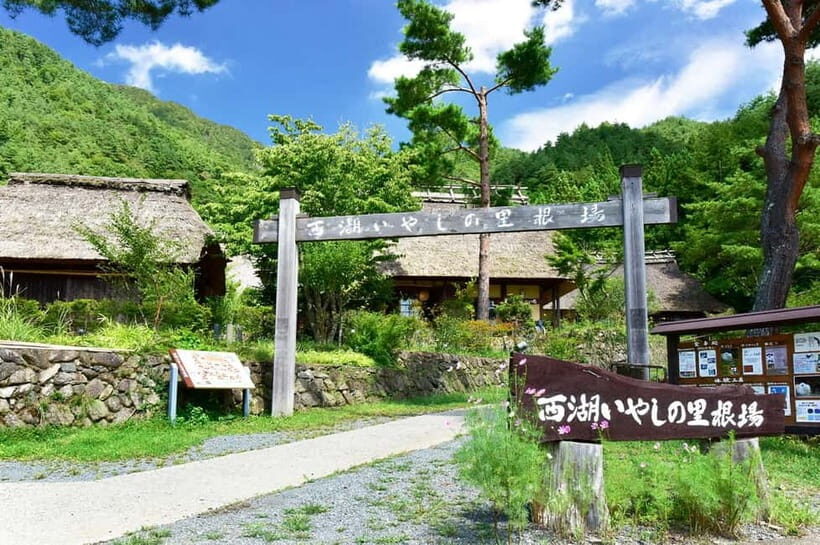
Review of a $50 Mt. Fuji day tour to Nenba village, Lake Kawaguchi, Chureito Pagoda and Oshino Hakkai, with practical timing and weather tips.
Mt. Fuji is the star of this 10-hour outing, but the day is more than a hunt for one famous photo. You’ll travel from Tokyo to a thatched-roof village, lakeside gardens, a hilltop pagoda and spring-fed ponds, with a guide and driver handling the long connections between them.
I like the mix of scenery and local detail, from Nenba’s old-style houses to the clear ponds at Oshino Hakkai. I also like that the route pairs the classic pagoda view with less formal stops where you can browse, snack and take a breather.
The main drawback is the time on the road: the drive is about two and a half hours each way before local transfers and traffic. And Fuji can hide in cloud, so the day’s most famous view is never guaranteed.
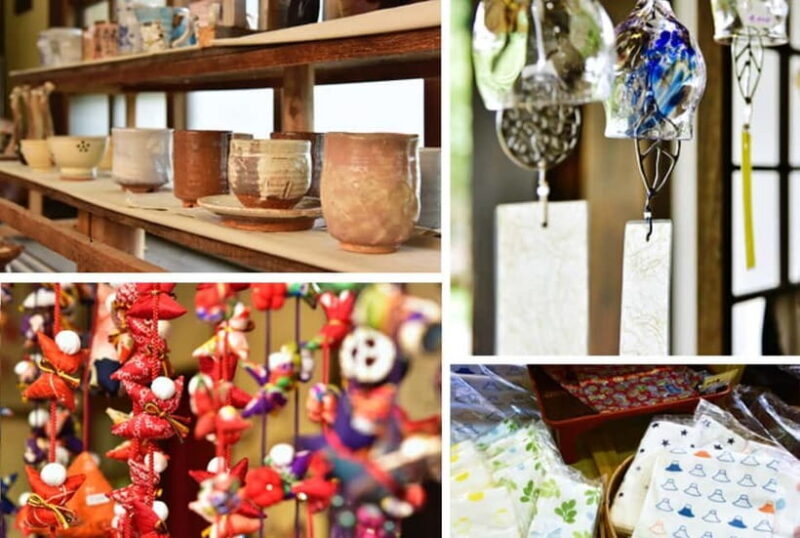
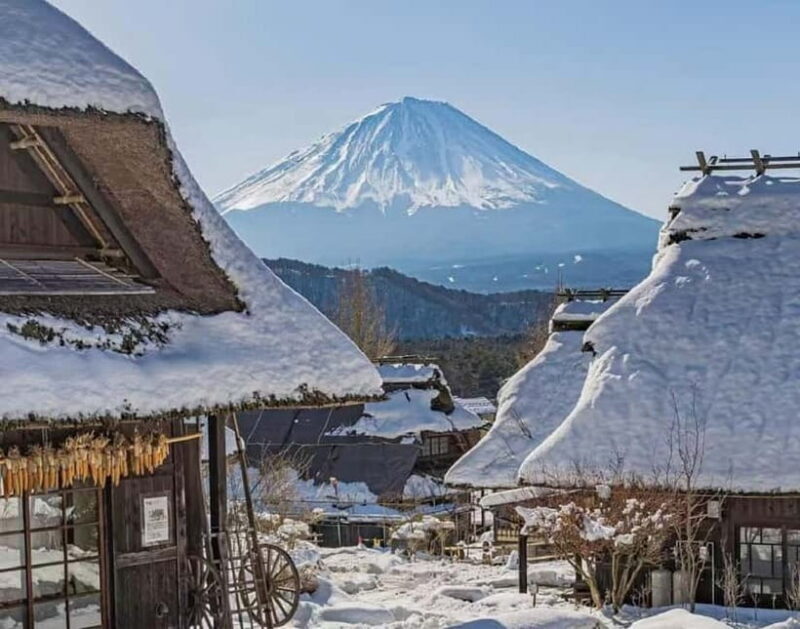
Saiko Iyashi no Sato Nenba is a restored traditional village of thatched-roof houses, set in the Fuji area. It is a fine place to begin because it offers something beyond a distant mountain view: you can walk among the houses, take photos and get a sense of how a rural village is presented and preserved.
You have about an hour here, including a guided visit and time for photos. That is enough to see the main setting, but not a leisurely afternoon. If you enjoy browsing, keep an eye on the clock, especially if you want to stop at the village entrance for Japanese street snacks or look at local crafts.
There is an optional ninja costume rental for an extra charge. It is a playful photo prop, not a required part of the visit, so you can skip it and still enjoy the traditional architecture. One visitor found artwork by an artist in the village, a reminder to leave a little room in your schedule for unplanned browsing.
The thatched roofs make an appealing foreground for Fuji, but the mountain may not show itself. Cloud cover is a real possibility in this area, and no stop can promise a clear view. Treat the village as worthwhile in its own right, with the mountain as a bonus.
History buffs will find these Tokyo heritage tours enlightening
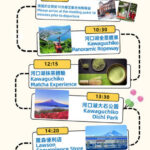
The tour then heads toward Lake Kawaguchi and Oishi Park. You get about 40 minutes at the park, where the view combines the lake, seasonal plantings and, on a clear day, Mt. Fuji. Summer brings lavender; autumn brings red broom grass. It is a compact stop, so expect time for photos and a short look around rather than a long lakeside walk.
The season matters here. From October 26 to November 20, the tour visits the Maple Corridor instead of Oishi Park. The corridor is known for its autumn leaves, with the Fuji view behind them when conditions allow. That substitution is useful to know before booking: you are choosing a seasonal version of the route, not seeing both places during the peak foliage dates.
The autumn stop gets about 40 minutes as well. That gives you a chance to walk through the foliage and take photos, but the setting can be busy during the short peak period. Follow your guide’s meeting instructions closely so you can enjoy the color without losing track of the bus time.
These stops are scenic, but they are not interchangeable in feel. Oishi Park is a broader lakeside garden visit, while the Maple Corridor focuses on a shorter stretch of fall color. If you are choosing dates around autumn foliage, check the exact seasonal schedule and remember that leaf color shifts from year to year.
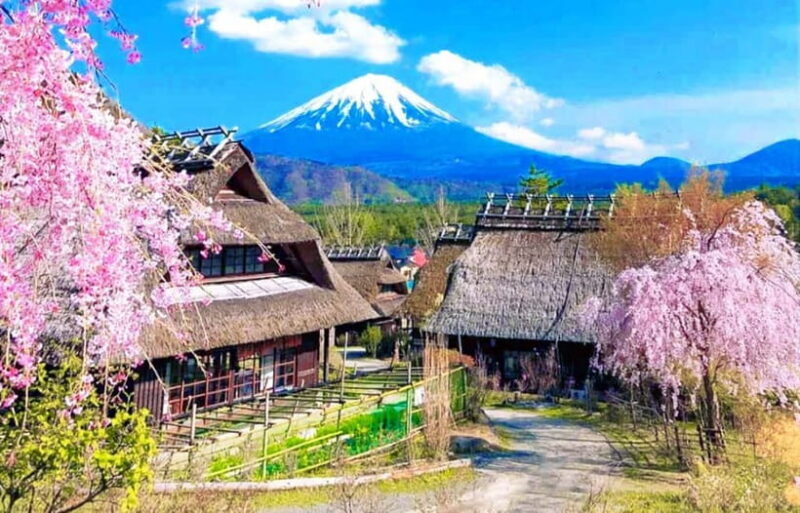
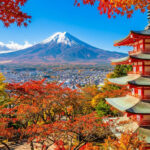
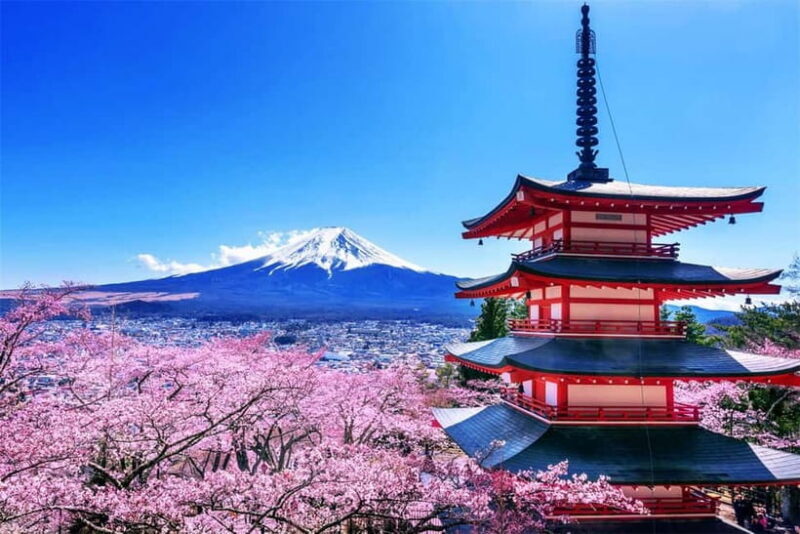
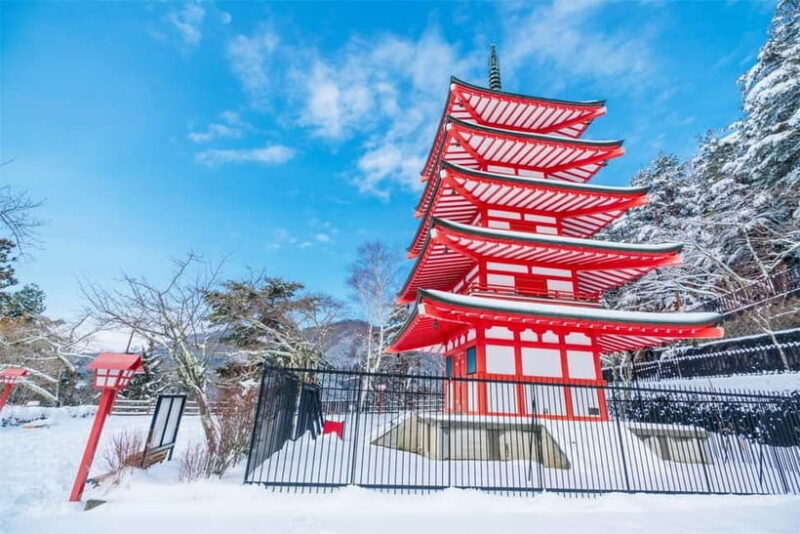
Arakurayama Sengen Park is home to the well-known Five-Story Pagoda viewpoint. The view is instantly recognizable: the pagoda in the foreground, with Mt. Fuji behind it when the sky is clear. The tour allows about 40 minutes at the park, then lists a separate 15-minute visit for Arakura Fuji Sengen Shrine and 15 minutes for Chureito Pagoda.
This is the most physically demanding part of the day. You need to climb steps to reach the viewpoint, so wear shoes you can manage on stairs and be realistic about your pace. The climb is part of the experience, but the fixed schedule means you may not have time to linger at every point or wait long for a particular photo angle.
The shrine adds a quieter cultural stop along the way. If collecting a goshuin is important to you, one practical tip from the route: ask about the process before you start up the steps. A visitor found the wait around 20 minutes, which can eat into a tight visit.
The view is a classic for good reason, though it is also the stop most exposed to weather and crowds. On a clear day, the combination of pagoda and Fuji can be the photograph you came for. If clouds roll in, the park and shrine still make the climb worthwhile, but temper expectations for the postcard view.
A 40-minute break at a local restaurant is built into the day, but lunch is not included in the $50 price. You can bring food, buy something at the attractions, or follow the guide’s restaurant suggestion. The right choice depends on how much control you want over cost and menu.
A few people found the restaurant option less appealing than food available elsewhere on the route, while another enjoyed the meal. The practical lesson is simple: do not assume the suggested stop will suit every taste. If you have dietary preferences, want to keep costs down, or would rather use the break to rest, bring something you are happy to eat.
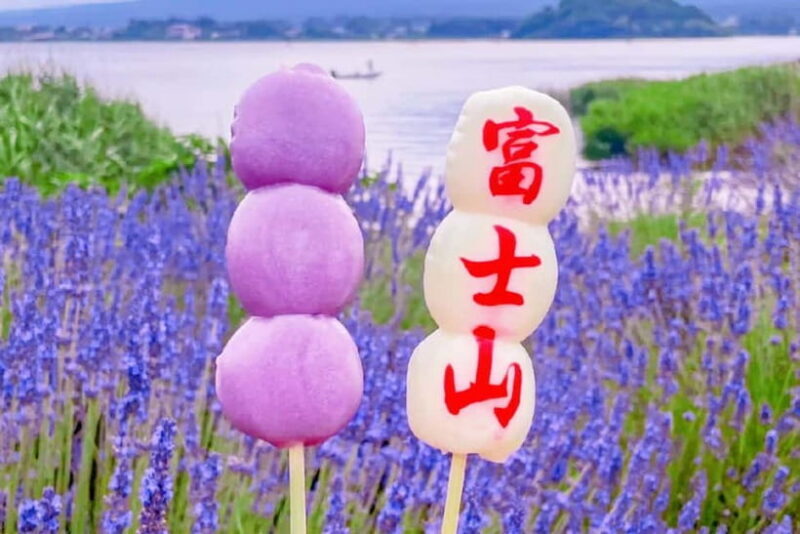
Food stops around the attractions also offer local treats. At Nenba, there are snacks near the entrance; around Oshino Hakkai, you might find freshly made rice crackers or wasabi ice cream. These are personal purchases, so carry some cash. Some shops may not accept cards.
More Great Tours Nearby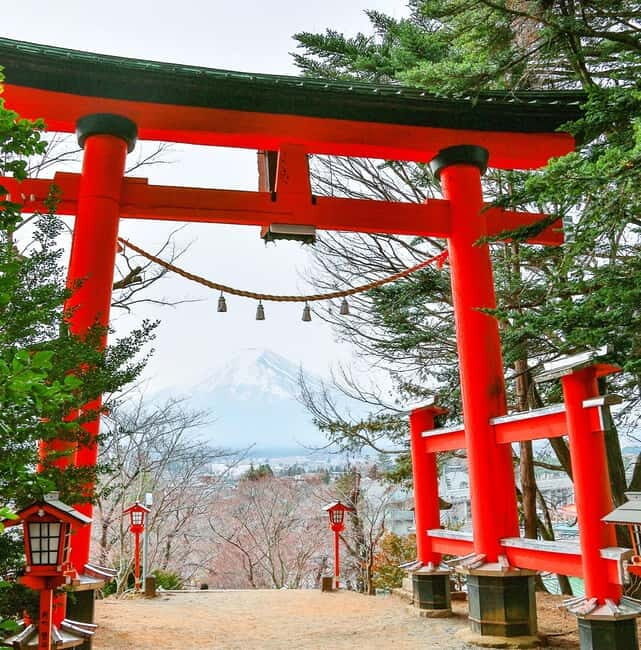
Oshino Hakkai is a group of eight clear spring ponds fed by water from Mt. Fuji. The tour gives you about 70 minutes here, the longest stop of the day, which is useful after several shorter photo visits. You can walk among the ponds, take in their reflections and browse for local food or souvenirs.
The setting is a gentler contrast to the pagoda viewpoint. Instead of climbing for a wide panorama, you are looking closely at water, reflections and small details around the ponds. The area is scenic throughout the year, though the look of the place changes with weather and season.
You will have time to sample something nearby, but not unlimited time to shop and eat at length. Keep the return meeting time in mind, and use cash for small purchases. Shops at the attractions operate independently, so the guide does not control their prices or opening arrangements.
The day begins at a designated Tokyo meeting point and includes about two and a half hours by coach to the Fuji area. After the sightseeing stops and local transfers, the return drive is another two and a half hours. That makes this an efficient way to cover several far-flung sights, but also a substantial day of sitting and getting on and off a bus.
The schedule is designed around short visits rather than extended time in one place. That suits you if you want to see several headline spots without arranging transport yourself. It is less suited to anyone hoping for a slow day, a long meal or time to explore one village in depth.
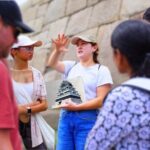
The tour is shared, and the guide gives explanations in multiple languages. Guides named by people on past departures include Sia, Kazi, Wanting, Sawaki, Rachel and Alex, but the guide for your date may be someone else. The names vary; the practical strengths to look for are clear meeting instructions, good timekeeping and help keeping the group together.
Guides on this route have sent meeting details and bus information in advance, explained the stops, and helped people stay on schedule. One guide even arranged lunch orders ahead of arrival, while another helped a couple find the bus station when they left the group near Kawaguchiko. Those are thoughtful touches, but do not assume every departure will include the same arrangements.
At $50 per person, the tour offers good value if your priority is seeing several Fuji-area sights in one day. The price includes the guide, driver, coach transport, parking, pickup and drop-off at the designated meeting point, and admission to Saiko Iyashi no Sato Nenba. You are paying for the transport and coordination as much as for the stops themselves.
The tour’s value is strongest for first-time visitors who want a broad overview without piecing together local connections. A bus carries you between places that would take more planning to visit independently, and a guide helps manage the timing. The package does not cover lunch or personal expenses, so set aside extra money for food, snacks, souvenirs and any optional costume rental.
Do not read the price as a promise of a private or flexible outing. This is a shared group tour, and traffic or delays can shorten, adjust or cancel visits. Weekend and holiday congestion may also push the return later than expected. Avoid scheduling a fixed activity in Tokyo immediately afterward.
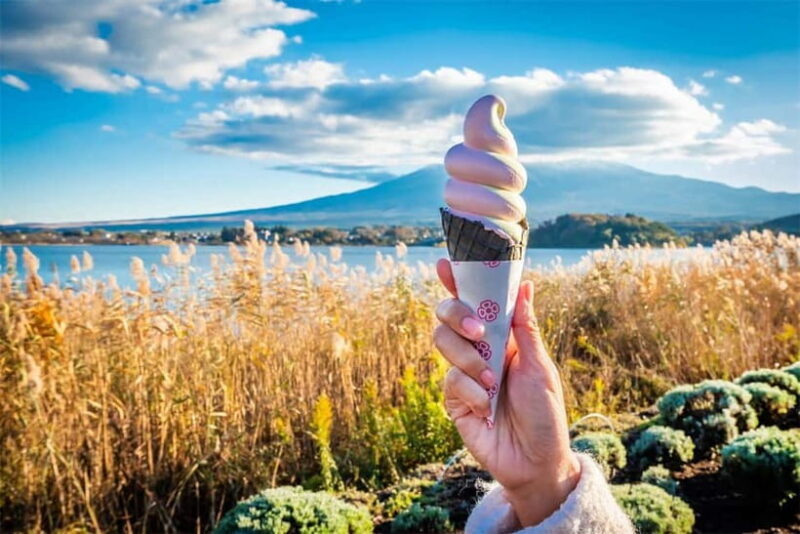
Mt. Fuji’s visibility depends on the weather. Some days bring clear views at several stops; on others, clouds may cover the mountain even while the surrounding area remains worth seeing. Check the forecast before you go, but think of it as a guide rather than a guarantee.
Wear comfortable shoes, bring water and carry cash. The steps at Arakurayama make the tour unsuitable for wheelchair users, and anyone who finds stairs difficult should weigh that climb carefully. If you are traveling with children, the varied stops can keep the day interesting, but remember that it is long and includes considerable bus time. Families with young children have taken the tour, though each family will need to judge its own pace.
The day’s strongest points are its variety, the ease of transport and the guides’ practical care. Its weak spots are the long road time, fixed stop lengths, lunch being extra and Fuji’s fickle visibility. If you are comfortable with those limits, this is a sensible way to see the main sights around the mountain without organizing the route yourself.
Book it if you want a full day of classic Fuji-area scenery, especially if this is your first visit and you value simple transport over extra time at any one stop. Nenba, Lake Kawaguchi, the pagoda and Oshino Hakkai offer a satisfying range of settings for the $50 price.
Skip it if you want a flexible schedule, need wheelchair access, or would be disappointed by a cloudy Fuji view. Bring lunch or plan for the restaurant break, wear shoes for the climb, and leave your evening open for traffic. With those expectations, the tour makes a practical and enjoyable introduction to the area.
“We had great scenic beautiful view of Fuji at all of the stops. We traveled with our 3 year daughter and 5 months old son. The tour was worth it. O…”
The tour lasts about 10 hours, including the coach journeys between Tokyo and the Fuji area.
The listed price is $50 per person. Personal expenses and lunch are not included.
The price includes a tour guide, driver, parking, pickup and drop-off at the designated meeting point, and admission to Saiko Iyashi no Sato Nenba.
Guiding is offered in English, Japanese and Traditional Chinese. The shared group guide gives explanations in multiple languages.
No. You can bring food, buy lunch at an attraction, or choose a restaurant suggested by the guide.
From October 26 to November 20, the tour visits the Maple Corridor instead of Oishi Park. Outside that peak autumn period, the route includes Oishi Park.
No. Weather conditions may block the view. Check the forecast, but a clear sighting cannot be guaranteed.
No. The tour is not suitable for wheelchair users, and the Arakurayama visit includes steps.
You can cancel up to 24 hours in advance for a full refund.
You can check availability for your dates here: