Physical Address
304 North Cardinal St.
Dorchester Center, MA 02124
Physical Address
304 North Cardinal St.
Dorchester Center, MA 02124

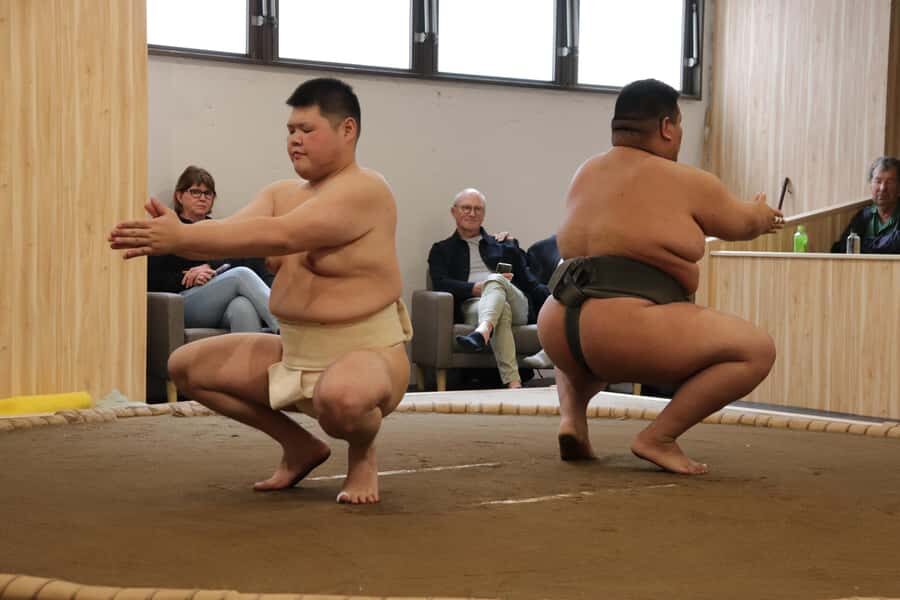
See sumo rituals, short bouts, training moves, and audience challenges at this English-led 90-minute Shinjuku show for $61.
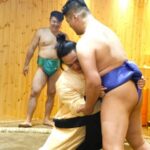
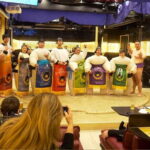
Thunderous foot stomps, a handful of salt, then two wrestlers collide in a ring just a few feet away. This Shinjuku show puts sumo’s rituals and physical force within easy reach, with an English-speaking MC explaining what you’re seeing.
I like the mix of clear cultural context and playful audience participation: you learn the rules and training moves, then a few people get the chance to try the ring themselves. The included photos with the wrestlers make for a keepsake that’s more personal than a seat in the stands.
One caveat: this is a demonstration, not a tournament. The bouts are short, and the chance to challenge a wrestler is an opportunity, not a guarantee for every person in the room. At $61, it suits you best if you want an entertaining introduction, not a full afternoon of competitive sumo.
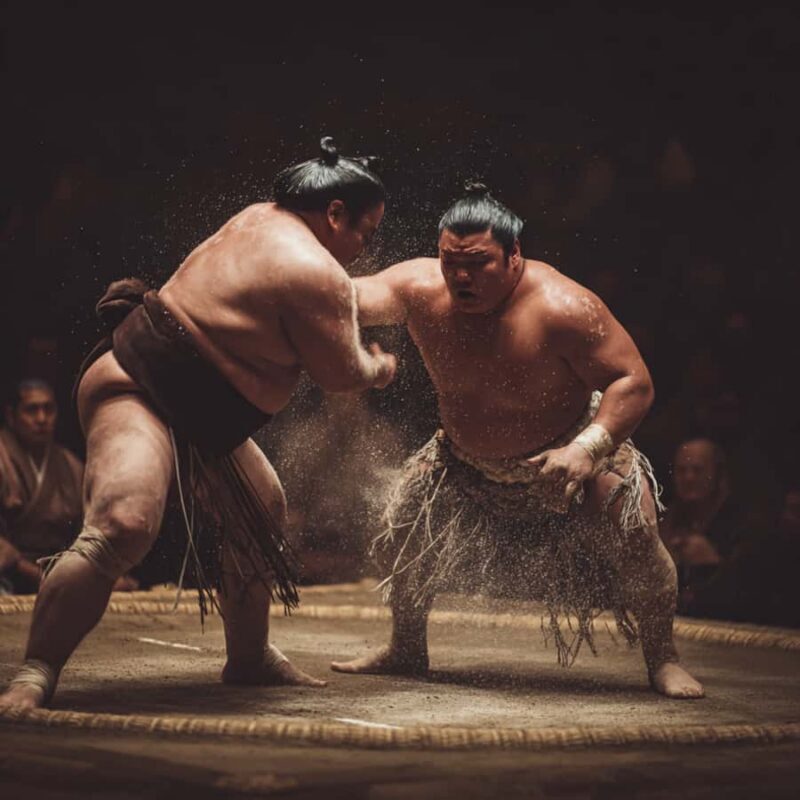
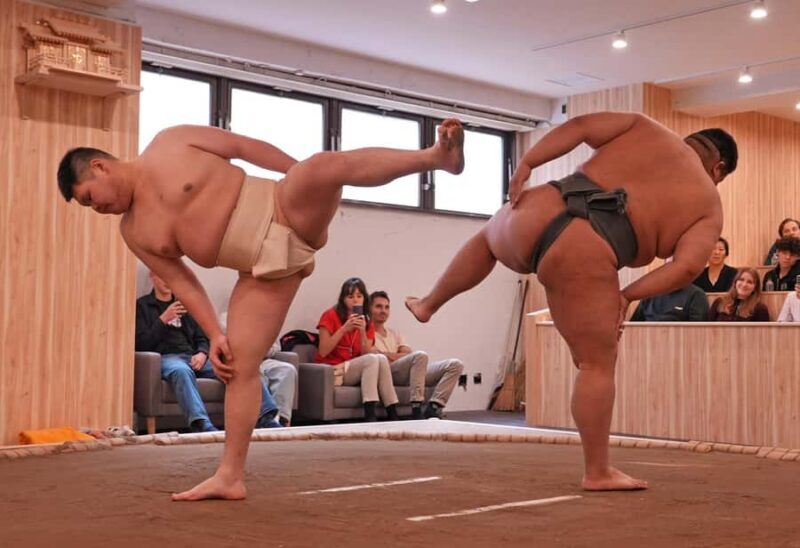
This experience gives you a guided look at sumo without requiring you to know the rules beforehand. The MC sets the scene, introduces the sport’s background, and explains the rituals and techniques as the wrestlers demonstrate them. That context helps you see more than two large athletes pushing each other around: position, balance, and timing matter, and a bout can be decided quickly.
The show is built for visitors who want a lively introduction, rather than a quiet, formal lesson. The MC’s job is part guide, part host. Dai and Paula are among the names mentioned by past participants, along with Shane, and the wrestlers have included George and Guchi. Names may change, but the format combines explanation, demonstration, and humor.
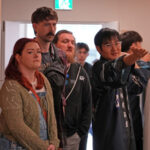
That makes the experience especially useful if you have never watched sumo before. You get an outline of what the wrestlers are doing before the action starts, and you can ask questions during the session. It is also a family-friendly outing, with children joining in the audience interaction.
You might also be interested in these Tokyo experiences
The show opens up the parts of sumo that can be hard to understand if you encounter them without explanation. Shiko, the wrestler’s heavy foot stomping, is a training movement as well as a striking image. Salt throwing and other pre-bout gestures help set the tone, and the MC explains their place in sumo culture.
You also see training routines and a selection of techniques. That is valuable because a match can be over in moments. The demonstrations let you look at the way a wrestler prepares and moves, rather than relying on a long bout to reveal the sport’s detail.
The historical background adds another layer. You will hear about sumo’s origins, rules, winning techniques, and forbidden moves. One participant described learning about the sport’s history and training regime before the wrestlers entered; others appreciated the chance to ask questions. The precise talk can vary with the host, but the event is presented in English.
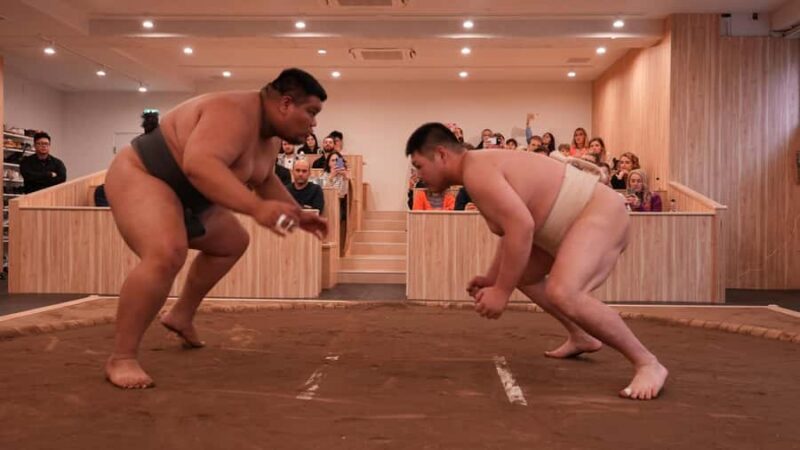
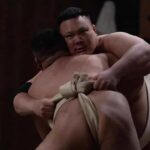
After the introductions and demonstrations, the wrestlers face off in live sparring bouts. Expect physical, relatively brief action rather than a full tournament program. One person felt the matches could have been longer, while still finding the overall event worthwhile. That is a fair expectation to set: the wrestling is the highlight, but it shares time with explanations, demonstrations, and audience participation.
The close distance is part of the appeal. You can see the wrestlers’ size and strength without watching from a distant arena seat. The bouts also make more sense after the MC has introduced the rules and moves. When a match ends quickly, you have some idea of why it did.
The show should not be mistaken for a professional tournament or a visit to a sumo stable. It is a staged demonstration designed to explain and entertain. If your main goal is to watch a complete competitive event, this is a different experience. If you missed a tournament or want an accessible first look at sumo, it can still satisfy your curiosity.
Audience participation is the most unpredictable part of the session. Selected people are invited to put on a traditional sumo outfit and challenge a wrestler in a fun match. It is deliberately light-hearted, and the point is not to defeat a trained athlete. It is to feel the scale and power of the sport up close.
Children and adults have taken part, and family groups have enjoyed seeing a child get a turn. But the opportunity is not a promise that every person can wrestle. A number of people may be chosen, depending on the session, so treat participation as a bonus rather than the reason to book.
If you are invited, follow the staff’s directions and keep the moment playful. The wrestlers are there to demonstrate and engage with the audience, not to stage a serious contest. Even from your seat, you can enjoy the interaction as the MC draws the room into the show.
More Great Tours NearbyThe $61 price includes a welcome bottle of water and pictures with the wrestlers. Those details make the event feel more like a personal encounter than a performance you simply watch and leave. The photo opportunity is a useful keepsake, especially if you or a family member gets to participate.
Water is the only drink specified as included. Snacks and other drinks may be available to buy at the venue, but they are not part of the stated inclusion. If you expect a meal or a broad selection of complimentary refreshments, plan accordingly.
For the price, you are paying for a 90-minute mix of teaching, demonstration, entertainment, and possible participation. I find that value strongest for first-time visitors who want to understand the basics in one compact session. It is less compelling if you are chiefly looking for long bouts or an unfiltered view of sumo life.
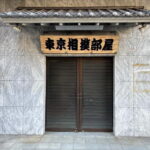
The meeting point is the second floor of the Sekisaku Building in Shinjuku. The entry instruction is unusually important: use the building’s front entrance facing the main door next to Daiso. Do not assume a map pin will guide you to the right side. One attendee found that Apple Maps led toward a back lane, so check the entrance details before setting off.
Arrive with time to spare. The show follows a schedule, and late entry may not be accepted at the front desk. That is a practical risk in a district where finding the correct building entrance can take longer than expected. The experience lasts 90 minutes, though one attendee felt the actual program ran closer to 75 minutes. Allow the full scheduled time and do not plan a tight connection immediately afterward.
The booking offers free cancellation up to 24 hours in advance, with a full refund, and a reserve-now, pay-later option is available. Starting times vary, so check the time offered for your date when booking.
This is a strong fit if you are curious about Japanese culture but want something more active than a lecture. The English commentary makes the sport accessible, and the combination of ritual, rules, training moves, bouts, and questions gives the session a useful arc. You leave with a better sense of what sumo involves, not just a photo of a wrestler.
Families can also get a lot from the playful tone and chance for audience participation. If you are travelling with children, the show offers a clear way to make a traditional sport vivid. Still, the wrestling challenge is not guaranteed for any particular person, so avoid promising a child that they will definitely enter the ring.
Experienced sumo fans may find the show basic, especially if they have already visited a stable or watched morning training. One Tokyo resident who had seen training at a stable still recommended this event as an introduction for newcomers. That distinction is useful: a stable visit offers a closer look at training, while this show supplies English explanations and an audience-friendly performance.
Book it if you want a compact, entertaining introduction to sumo, with an English-speaking host, close-up demonstrations, and a chance to take part. The best value is in the combination: you learn the rituals and rules, see the wrestlers show their skills, and get a photo opportunity in the same 90-minute session.
Skip it if you expect a full tournament, a long series of bouts, or guaranteed time in the ring. At $61, it is easiest to recommend as a first encounter with sumo, especially for families and visitors who want culture presented with humor and audience interaction. Arrive early, use the correct front entrance, and think of the match challenge as a possible extra, not the whole show.
“I had such an amazing time at the sumo show! The wrestlers were incredibly energetic and kept the whole crowd hyped up throughout the performance. …”
No. It is a demonstration and audience experience, not a tournament.
The scheduled duration is 90 minutes. One participant felt the session they attended ran closer to 75 minutes, so allow the full 90 minutes.
The live guide and MC speak English.
The experience includes a sumo demonstration, background information about sumo, an English-speaking MC, bottled water, an opportunity to challenge a wrestler, and photos with the wrestlers.
No. The show offers an opportunity to challenge a wrestler, but participation is limited to selected audience members.
Meet on the second floor of the Sekisaku Building in Shinjuku. Enter through the front of the building facing the main door next to Daiso.
Late entry may not be accepted because the show follows a set schedule. Plan to arrive on time and allow extra time to find the correct entrance.
Bottled water is included. Snacks and other drinks may be available to buy, but they are not listed as included.
Yes. You can cancel up to 24 hours in advance for a full refund.
You can check availability for your dates here: