Physical Address
304 North Cardinal St.
Dorchester Center, MA 02124
Physical Address
304 North Cardinal St.
Dorchester Center, MA 02124

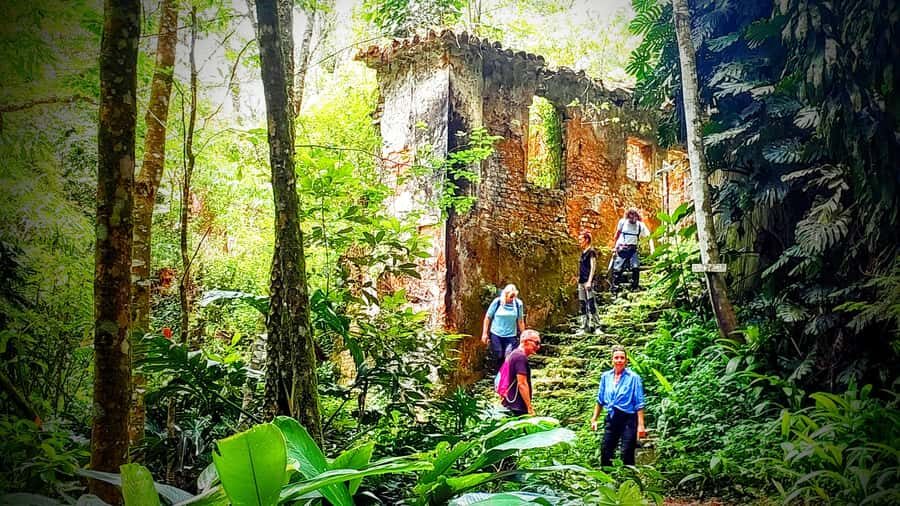
Hike Tijuca Forest’s trails to waterfalls, a cave, coffee-era ruins and historic sites, with a bilingual guide and South Zone hotel pickup.
A short drive from Rio’s beaches, Tijuca Forest holds a surprising mix of rainforest, waterfalls and traces of the coffee plantations that once covered these hills. This six-hour outing follows historic trails to a cave, chapel, suspension bridge and old farm remains, with a cool-off stop at Baronesa Cascade.
I like two things in particular: the guide connects the forest’s plants and geology with Brazil’s past, and the route offers more than one kind of stop, from Cascatinha Taunay to the cave and plantation-era sites. The 6.2-kilometer hike gives you a good stretch of time on foot without taking over your whole day.
The main consideration is the climb. With 448 meters of elevation gain, rough trail and some steep sections, this is not a casual stroll, even if some fit hikers find it manageable. Wildlife sightings are possible, but never guaranteed.
Tijuca National Park is often described as the world’s largest replanted urban forest. That fact gives the hike a different feel from a walk through untouched wilderness. The forest has a human story: in the 19th century, coffee plantations occupied this area, and later replanting helped restore the tree cover.
A good guide makes that past easier to see. You’ll hear about Rio’s geography and the forest’s plants and wildlife, alongside the history of the city and Brazil. Guides who have led this outing include Vini, Riccardo, Tito, Renata, Pietro, Gustavo and Luiza. Your assigned guide can vary, but the guiding itself is a central part of the experience, not just a way to find the trail.
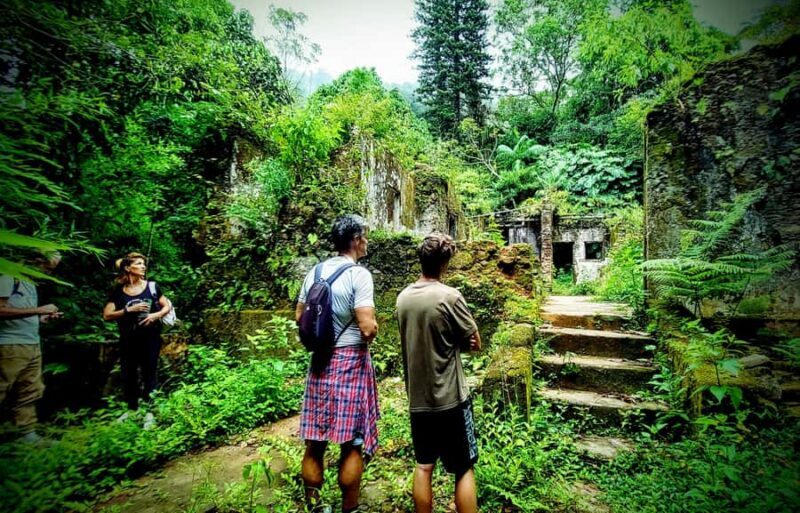
That context matters because some stops are subtle. A chapel, a former residence or old plantation traces may not seem dramatic at first. With the story behind them, they help explain how the forest changed and why this green pocket sits so close to a major city.
Outdoor enthusiasts can explore more Rio De Janeiro trails with these hiking options
The tour lasts about six hours, including transport and stops, while the hike itself takes roughly 2.5 to three hours. Pickup is offered at designated hotels and hostels in neighborhoods including Copacabana, Ipanema, Leblon, Leme, Flamengo, Santa Teresa, Glória, Catete and Praia de Botafogo. If your accommodation is outside the pickup area, ask the operator whether a nearby meeting point is available.
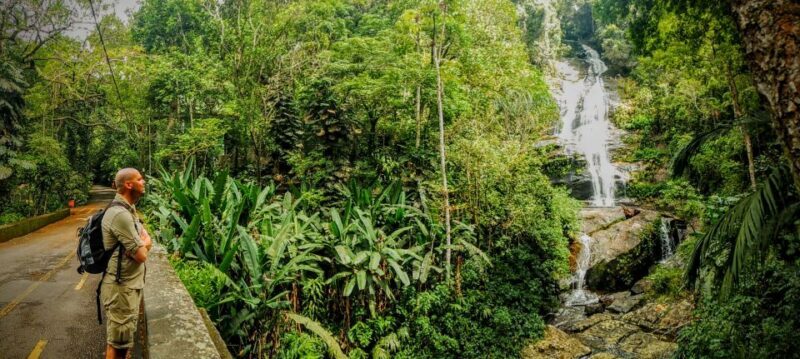
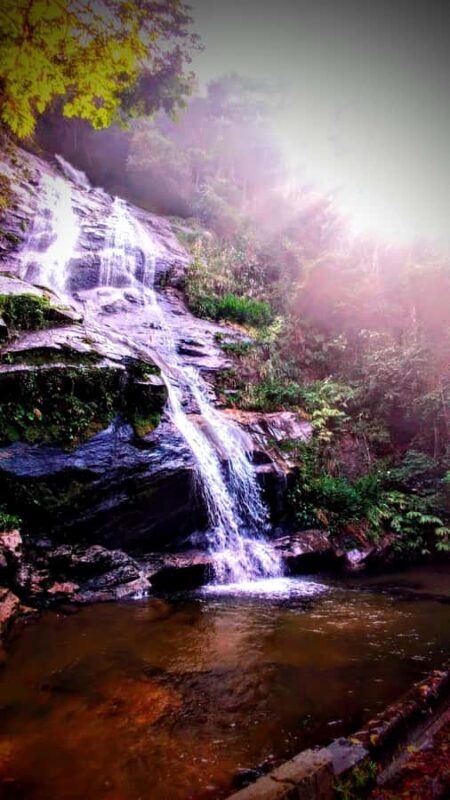
The first main stop is Cascatinha Taunay, one of Tijuca’s best-known waterfalls. It is described as the park’s largest, and the water makes a memorable entrance to the forest. The scheduled visit is brief, about 15 minutes, so think of this as a scenic pause rather than a long swim stop.
From there, the guide introduces Tijuca National Park and its setting. This is where the forest’s scale and its closeness to Rio become clear. You’re not heading to a remote wilderness camp; you’re stepping into a substantial stretch of green within the city’s reach.
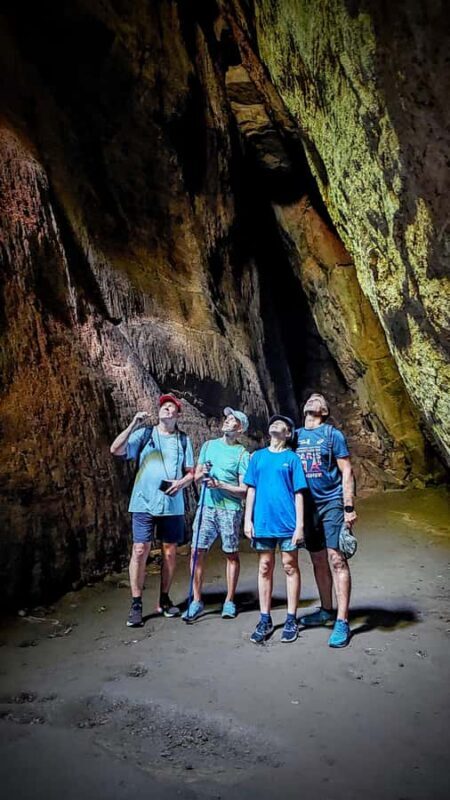
Mayrink Chapel, dating to 1850, offers a quiet historic pause and a photo stop. The visit is short, but it adds another layer to the route: this forest is not only a natural refuge, but a place shaped by people and their institutions.
The trail then passes through more wooded sections, including the Eucalyptus Forest, where an old slave cemetery is located. This is a sobering part of the walk. It calls for a respectful visit and a guide who can explain the site without turning it into a quick photo opportunity.
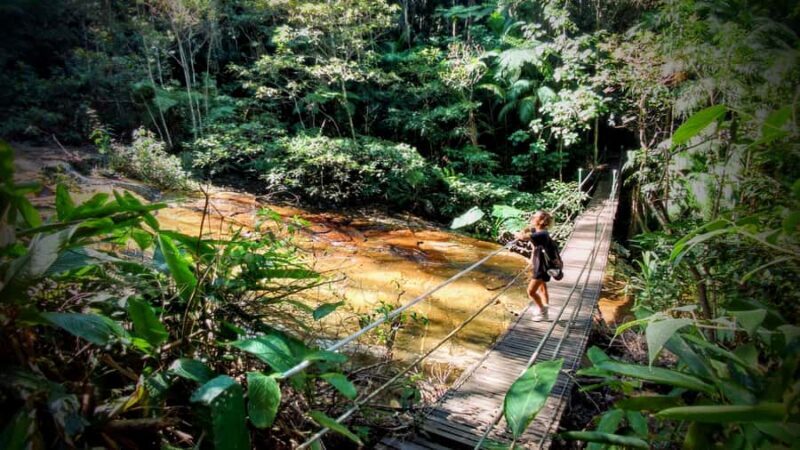
Cova da Onça Suspension Bridge gives the route a different texture. It’s a brief stop on the hike, but it breaks up the forest path and offers a chance to look around before continuing. Expect a series of short visits rather than long stretches at each attraction. The appeal is the variety: waterfall, chapel, bridge and forest history all fit into one circuit.
Morcego’s Grotto, also called Bat Cave, is billed as the largest gneiss cave in Brazil. Its rock interior provides a striking contrast to the humid greenery outside, and the guided visit helps you understand what you’re seeing rather than simply walking through.
Don’t count on seeing bats. They may not be visible, and the right approach is to leave wildlife undisturbed. That restraint is part of responsible forest travel, even if it means the cave is more about its geology and atmosphere than an animal encounter.
The route also includes a secret stop and other short scenic pauses. Exact conditions can vary, and weather can change the feel of the trail. A rainy hike can make the forest seem especially close and lush, but wet ground also calls for careful footing.
More Great Tours Nearby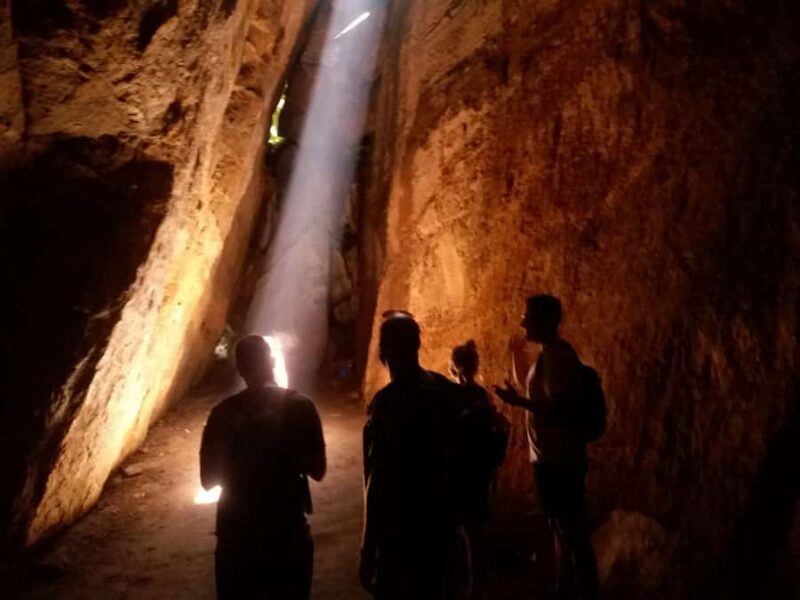
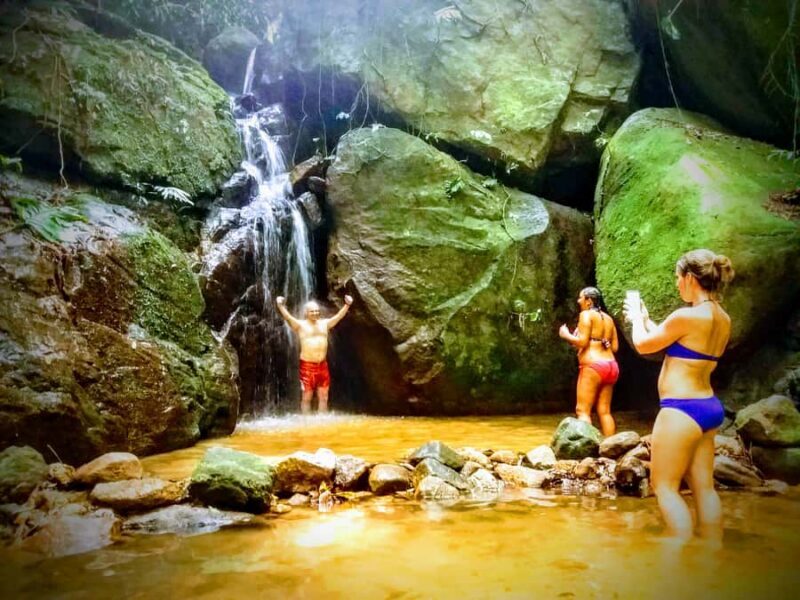
Later in the circuit, Baronesa Cascade is the place to cool off under the water. This is the waterfall shower highlighted in the outing, and it makes a fine reward after the uphill sections. Bring clothing and footwear you’re comfortable getting wet, and keep a dry layer or towel in your daypack if you want one for the ride back.
The return passes the former residence of Barão d’Escragnolle, a past park manager. The building now houses Esquilos restaurant. You’ll also see the Wallace Fountain, a French-made sculpture gifted to Brazil by English philanthropist Richard Wallace in 1870. Its figures represent goodness, charity, sobriety and simplicity.
A viewpoint, including Mirante da Palmira, rounds out the scenic stops. The itinerary allows time for photographs and views, but the day is still a hike first. If you’re hoping for hours to linger at each landmark, this circuit may feel brisk. If you like a steady walk with frequent points of interest, its mix is well judged.
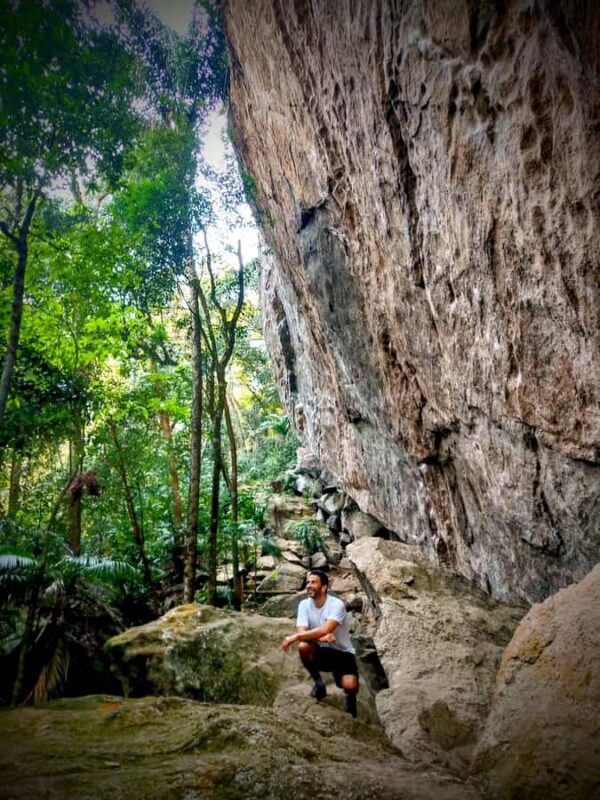
The route covers 6.2 kilometers, or about 3.8 miles, with 448 meters of elevation gain. The terrain is described as rough rainforest trail with uphill and downhill sections. Several people find the pace comfortable, but that does not make it easy for everyone: one hiker nearly turned back on a steep section, while others considered it a moderate or even fairly easy outing.
Your own fitness, the weather and the day’s trail conditions matter. You should be able to walk uphill for a sustained stretch and keep your footing on uneven ground. The guide can help set the pace, but this is not suitable for wheelchair users or people with heart problems.
Wear sports shoes with a secure grip and comfortable active clothing. Pack water, snacks, sunscreen and insect repellent. A small daypack is useful; large bags and luggage are not allowed. Rain is possible in a rainforest, so a light rain layer is sensible. One guide has carried ponchos for a group, but don’t assume that will be provided.
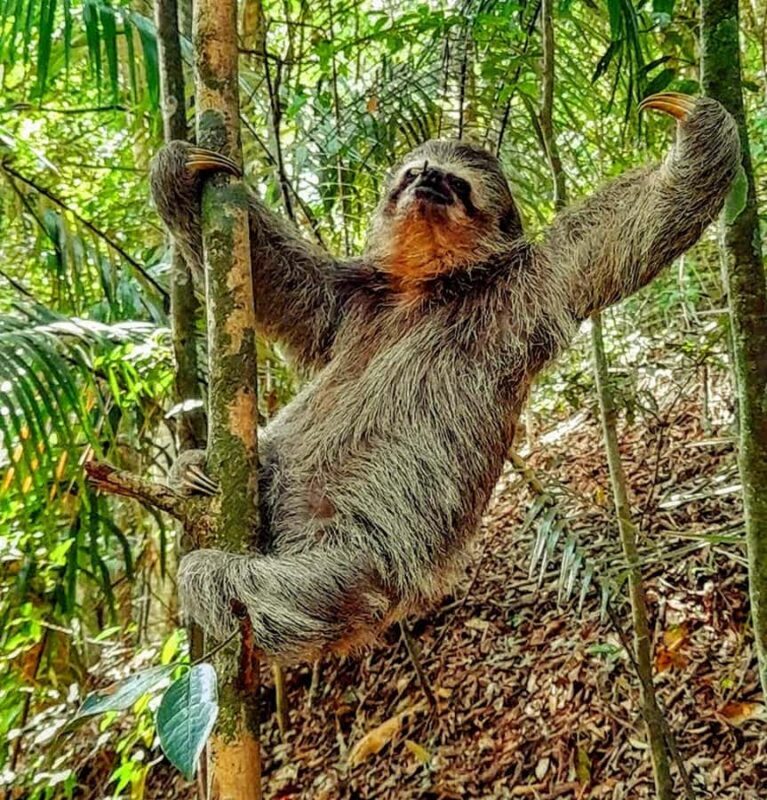
Tijuca’s plants, geology and forest history are reliable subjects for the walk. Animal sightings are not. Some people have seen capuchin monkeys, coatis or even a sloth, while others have seen no animals at all. The forest is still rewarding without a wildlife encounter, but you should book for the whole experience rather than expecting a guaranteed sighting.
A guide’s ability to point out details can make a big difference. Look closely at the plants and listen for explanations along the way; the forest may reveal more when you know what to notice. Just remember that wildlife can be elusive, and respectful viewing means not trying to draw animals closer.
At $69 per person, the price includes a bilingual English and Portuguese guide, insurance, and transport from designated South Zone hotels. You’re paying for a guided hike with several historic and natural stops, plus the convenience of getting to the park without arranging your own transport.
Food and drinks are extra, as is transport from outlying areas. Bring enough water and snacks for the hike rather than counting on buying them en route. Small-group and private options are available; group size can affect how personal the pace and conversation feel, but no fixed maximum group size is specified.
The value is strongest if you want more than a self-guided forest walk. The guide’s background in Rio’s history, geography and ecology can turn a sequence of stops into a coherent story. If you only want a waterfall photo or an easy nature stroll, the climb and six-hour commitment may be more than you need.
I’d choose this hike if you want a break from Rio’s beach routine and are curious about how the city’s rainforest came to be. It suits reasonably fit walkers who like a mix of scenery, local history and light adventure, and who don’t mind getting damp at a waterfall.
It’s less suited to anyone wanting a guaranteed animal sighting, a very gentle walk or a long swim. The route is active, the stops are varied but generally brief, and the forest is best appreciated at walking pace. The tour’s strongest asset is the combination of a real hike and a guide who can explain the place as you go.
Booking is flexible: you can cancel up to 24 hours in advance for a full refund, and a reserve-now, pay-later option is available. Check the pickup location and starting time before you commit, and provide your full name, birth date and passport number for insurance.
Book this if you’re in decent walking shape and want a guided look at Tijuca that connects waterfalls and rainforest trails with Rio’s history. The cave, chapel, plantation-era remains and Baronesa Cascade give the circuit welcome variety, while pickup saves you the trouble of arranging the trip yourself.
Skip it if steep, uneven trails are a poor fit, or if you expect close-up wildlife. Pack water, snacks, grip-ready shoes and a rain layer, then go for the forest itself, not a checklist of animal sightings.
“Pietro was an excellent guide. Very knowledgeable. His passion for the forest showed and he engaged us all. We didn't see many animals but the flor…”
The full experience lasts about six hours. The hike itself takes roughly 2.5 to three hours.
The circuit is 6.2 kilometers, or about 3.8 miles, with 448 meters of elevation gain.
It is rated moderate and follows rough rainforest terrain with uphill and downhill sections. Good fitness is required.
Yes, pickup and drop-off are included from designated hotels and hostels in parts of Rio’s South Zone. If your address is not covered, a nearby meeting point may be offered.
The live guide speaks English and Portuguese.
Bring food, snacks, water, sunscreen, insect repellent, sports shoes, sportswear and a daypack.
No. Food, water and other drinks are not included, so bring what you need for the hike.
Animal sightings are not guaranteed. Some people see wildlife, while others do not.
No. The hike follows rough trails and is not suitable for wheelchair users.
You can cancel up to 24 hours in advance for a full refund.
You can check availability for your dates here: