Physical Address
304 North Cardinal St.
Dorchester Center, MA 02124
Physical Address
304 North Cardinal St.
Dorchester Center, MA 02124

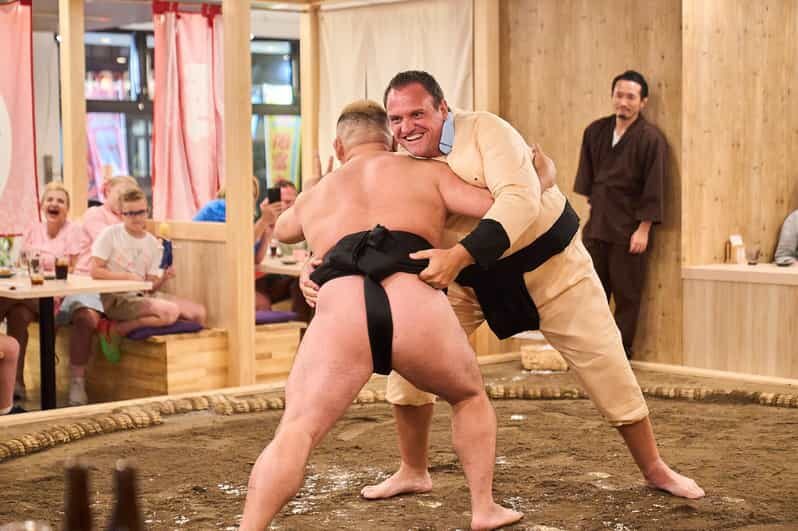
See sumo up close in Tokyo’s Ryogoku, eat chanko nabe, pound mochi, and try the ring in this lively two-hour show.
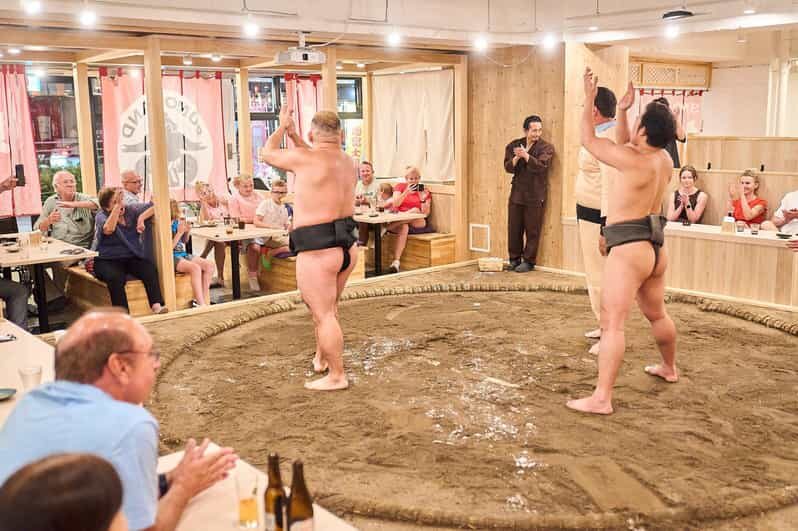
Sumo is best understood at close range: the stomp, the stare, then the explosive shove across the dohyo. In Ryogoku, Tokyo’s sumo heartland, this two-hour show puts the wrestlers right in front of you, with a chance to eat chanko nabe and step into the ring yourself.
I like two things in particular: you get a clear, lively introduction to sumo, not just a match to watch, and the meal and mochi pounding make the evening hands-on from start to finish. It is also built for participation at your own comfort level, so you can join in or simply enjoy the show.
One thing to keep in mind: this is an entertaining sumo experience, not a quiet visit to a stable to watch serious morning training. Seating is assigned, and the show is not suitable for wheelchair users.
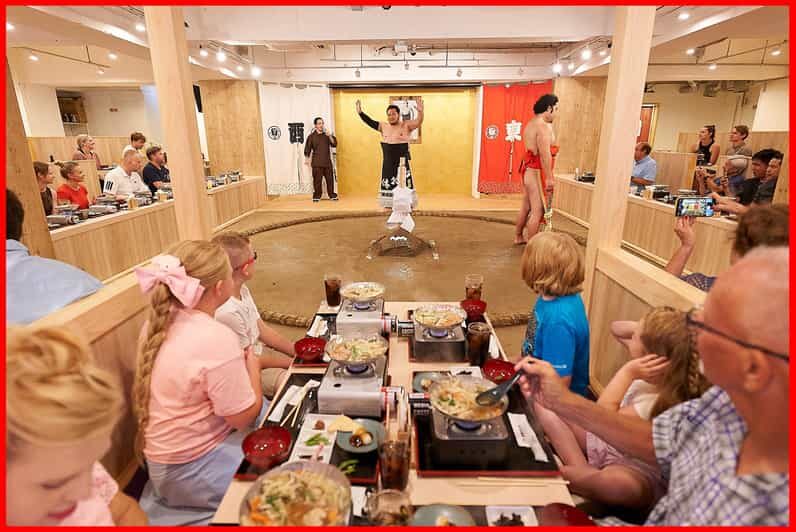
Ryogoku is known as the sacred place of sumo, and that setting gives the show a useful sense of context before the first demonstration. You are not simply watching a sport from a distant seat. You settle around the dohyo and see the wrestlers close enough to take in their size, stance, and controlled movement.
The format is designed to explain sumo as well as entertain. The wrestlers demonstrate techniques and training exercises, while an English-speaking host helps make the action understandable. You can ask questions directly, which is a real advantage if you are new to the sport or curious about its rules and customs.
The mood is friendly and playful, with comedy woven into the presentation. That makes it easy to enjoy with children or with friends who might not choose a formal sports event. But it also means you should set your expectations correctly: the focus is on an accessible introduction and audience participation, not the solemn routine of a stable’s morning training.
You can check availability for your dates here: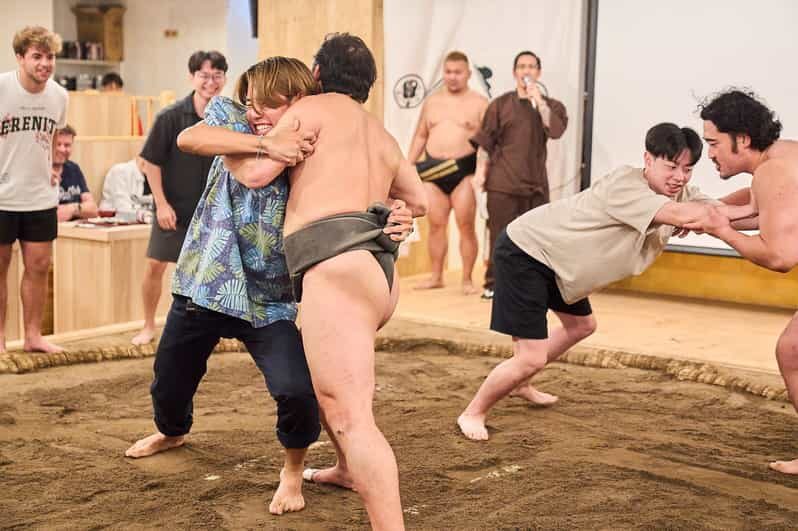
Chanko nabe is the hot pot closely associated with sumo wrestlers, and here it is part of the experience rather than an afterthought. The recipe’s flavor is supervised by wrestlers from an actual stable, giving the meal a direct link to the world you are learning about.
You eat while watching the demonstrations, so dinner and show unfold together. The meal is often praised for its taste, and some diners describe it as a satisfying portion without being overwhelming. That balance matters: this is a two-hour activity with several parts, so you can enjoy the food without it taking over the evening.
There is also an interactive element around the meal. Some participants describe making their own chanko nabe, though the exact role you play in preparing it is not specified. Think of it as a chance to engage with the dish, rather than a cooking class with a set recipe or detailed instruction.
If you have dietary needs, plan ahead. Vegetarian, vegan, and gluten-free meals can be provided if you notify the operator at least two days before your booking. Halal meals are not available, but you may bring your own food. If you need a special meal, make the request early and confirm it before the date.
Looking for more options in Tokyo? Here are some other experiences worth considering.
The sumo portion is a mix of practical demonstration, explanation, and showmanship. Wrestlers demonstrate fighting techniques and training exercises, bringing the movements close enough for you to see how a bout can turn on balance, timing, and position. For a newcomer, that is more useful than watching a string of unexplained matches.
The performers are an important part of the evening. Wrestlers such as Takatsukasa and Terusuyoshi have been named by participants, and the show’s hosts have included Jordan as an MC. Names and lineups can vary, so do not book expecting a particular person to appear. The general format, however, is built around approachable wrestlers who engage with the audience.
The explanations also make this a good choice if you want more than a photo opportunity. You can ask questions and hear about the sport’s history, then watch the techniques in action. One especially memorable part for families can be seeing the wrestlers shift from serious demonstrations to joking with volunteers. The blend of respect for the sport and light humor keeps the evening from feeling like a lecture.
If you want to try sumo, you can get on the dohyo and test some moves with the wrestlers. Participation is optional, and that is a practical plus: you can decide in the moment whether you want to join in, rather than feeling that the whole experience depends on taking the spotlight.
The fun is in the contrast between watching a professional demonstrate a move and trying to apply it yourself. You will not become a sumo wrestler in a few minutes, of course, but you will get a better sense of the sport’s physical demands and the strength involved. The activity is set up for adults and children, with a playful tone rather than a serious contest.
Some parts of the show may involve costumes or comic play-fighting, adding to the family-friendly feel. Wear comfortable clothes if you think you may take part. If you prefer to stay seated, you still have the demonstrations, meal, and mochi activity to enjoy.
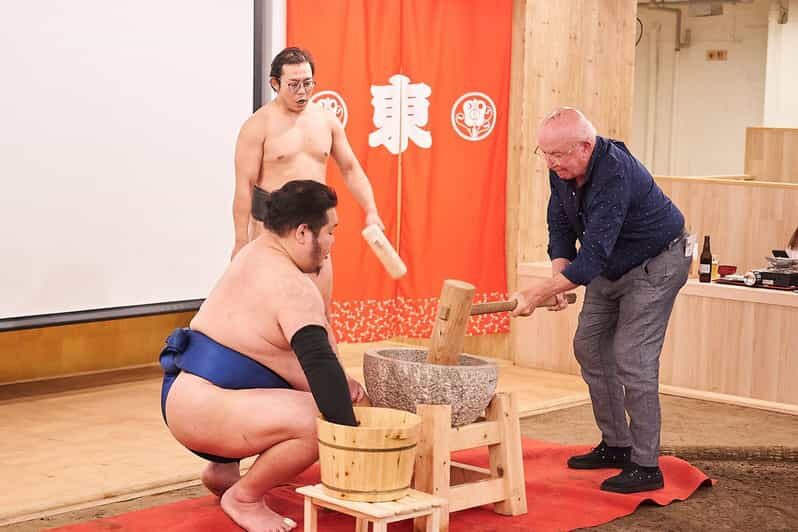
Mochi making gives the evening another hands-on moment. You pound the rice with the wrestlers, then enjoy sweet mochi for dessert. It is a simple activity, but it gives you something to do together and adds a traditional food-making experience to the sumo theme.
This is a good example of why the show works for mixed-age groups. The activities are varied: watch, eat, ask questions, try a move, then take part in pounding mochi. You are not expected to be an expert in anything, and you can choose how actively to join in.
More Great Tours Nearby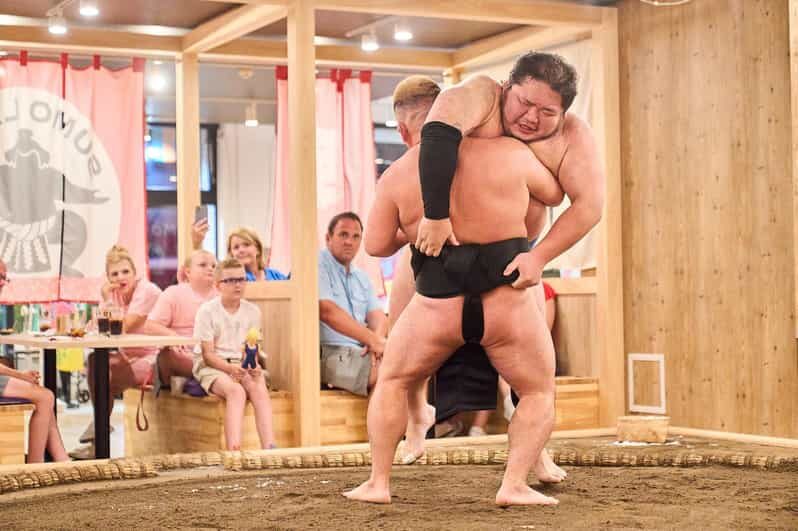
At $92 per person, this is not the cheapest way to spend an evening in Tokyo. The value comes from combining several things in one booking: an English-language introduction to sumo, demonstrations at close range, chanko nabe, mochi making, and the chance to try the sport yourself. If you would otherwise book separate food and cultural activities, the bundled format may make sense.
The two-hour length is also a sensible fit. There is enough time for the meal and activities without turning the evening into a half-day commitment. The experience has earned a 4.8 rating from 741 reviews, and the most consistent strengths are its engaging wrestlers and staff, audience participation, informative explanations, and good food.
It is not ideal for everyone. If you want to watch authentic training in silence, this show’s comedy and audience involvement may feel too staged. If you are looking for a full meal above all else, portion size can vary in how generous it feels to you. And if you need a specific seat, you cannot choose or request one: the venue assigns seats.
The venue assigns seats, so you cannot ask for a particular location. Standard seats are not considered safe for an adult to hold a child on their lap. Reserve a place for every person in your party. Box seats can accommodate up to six people and allow an adult to hold a child on their lap.
The experience is not suitable for wheelchair users. Bring a camera and wear comfortable clothes, especially if you may volunteer for the sumo demonstration. Smoking is not allowed indoors.
One practical point is finding the venue. At least one person has found the directions difficult to follow, so check the location details before setting out and leave time to get there. This is especially useful if you are relying on directions from a booking confirmation rather than a guide meeting you elsewhere.
I would put this high on the list for families, first-time visitors curious about sumo, and anyone who likes a meal with an activity attached. The English-language explanations and optional participation help make a sport that can seem unfamiliar feel approachable. Children and teenagers have plenty to watch and do, while adults can ask questions and learn about the techniques.
It also suits a solo visitor. You do not need a group to take part, and the show’s audience interaction gives you a way to engage without having to organize an activity yourself. If you are shy, you can skip the ring and still get a full evening of demonstrations, food, and mochi.
I would choose something else if your priority is observing the serious daily routine of a sumo stable, or if wheelchair access is essential. For an upbeat, hands-on introduction to sumo with dinner included, this is a sound use of two hours. Book it if you are willing to join the fun, or happy to cheer from your seat.
“Amazing sumo experience, from the host to the food and the sumo wrestlers, they are all engaging and very funny. If you are able to participate I w…”
The experience lasts two hours.
The instructor and experience are in English.
No. It is an entertaining sumo experience for adults and children, rather than a tour of serious morning training.
Yes. The chanko nabe meal is included, and its flavor is supervised by sumo wrestlers from an actual stable.
Yes. You can try sumo with the wrestlers on the dohyo. Participation is optional.
Yes. You can pound mochi with the wrestlers and have sweet mochi for dessert.
Vegetarian, vegan, and gluten-free meals can be provided if requested at least two days before your reservation. Halal meals are not available, but you may bring your own food.
No. The venue assigns seats, and you cannot choose or request a specific location.
No. It is not suitable for wheelchair users.
You can check availability for your dates here: