Physical Address
304 North Cardinal St.
Dorchester Center, MA 02124
Physical Address
304 North Cardinal St.
Dorchester Center, MA 02124


Visit Biei’s Blue Pond, Shikisai no Oka and Farm Tomita on a Sapporo day tour, with an optional farm buffet and all-you-can-eat Furano melon.
Biei and Furano are made for a slow country drive, but they are a long way from Sapporo and awkward to link by public transport in a single day. This bus tour takes you to the Blue Pond, Shikisai no Oka and Farm Tomita, plus famous roadside trees, in one ambitious loop through Hokkaido’s farm country.
I like that you get time to walk at the main sights rather than just photograph them from the bus, and I like the optional meal plan: a farm-style buffet with all-you-can-eat Furano cantaloupe. The main trade-off is the long day on the road, with some countryside stops viewed from the window and timing subject to traffic and weather.

The early-departure version leaves Sapporo around 07:40 and returns at about 18:00. That is a generous outing by day-trip standards, but the distance is the point: Biei and Furano are rural destinations, and reaching several stops independently takes planning and time.
The bus bundles the transport into one day, sparing you the work of coordinating regional trains, local connections and transfers. You trade some freedom for convenience. The route and stop lengths are set, and the drive itself takes a substantial share of the day.
You may see the departure listed at either 07:40 or 07:50, with return drop-offs at Sapporo TV Tower or Sapporo Tokyu REI Hotel. Check your voucher for your exact meeting point and time. Arrive at least 10 minutes early: the bus leaves on time, and late arrivals are not refunded.
Looking for more options in Biei? Here are some other experiences worth considering.
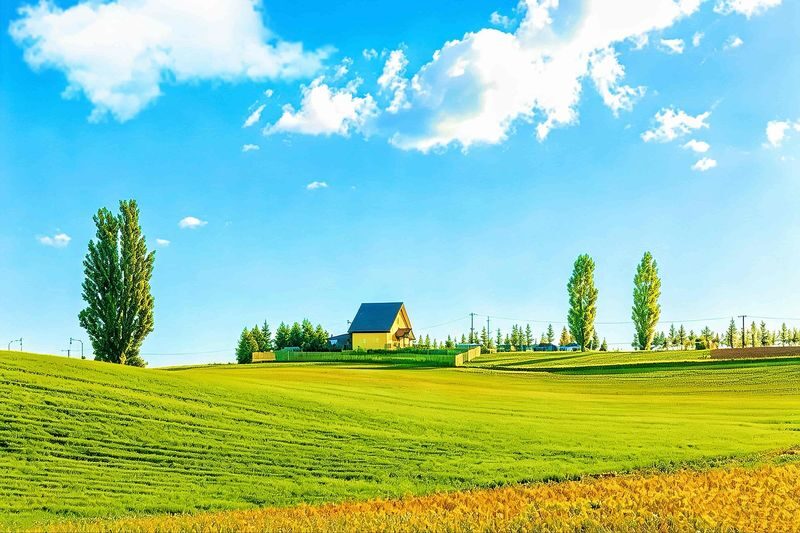
The day starts with views of Seven Stars Tree, Patchwork Road and the Ken and Mary Tree. These are familiar Biei sights, set among fields and open country. They help introduce the region’s gently rolling farmland, but on this tour they are window stops rather than places for a long walk or careful photo session.
That distinction matters. If these trees are high on your wish list, a self-drive visit gives you more control over where to stop and how long to stay. If you mainly want to see the countryside between the larger attractions, a passing view is a useful extra without taking time away from the main stops.
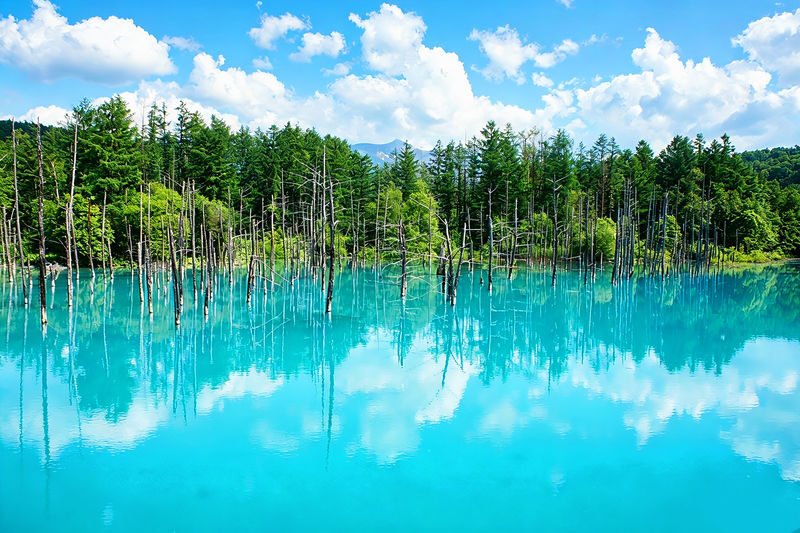
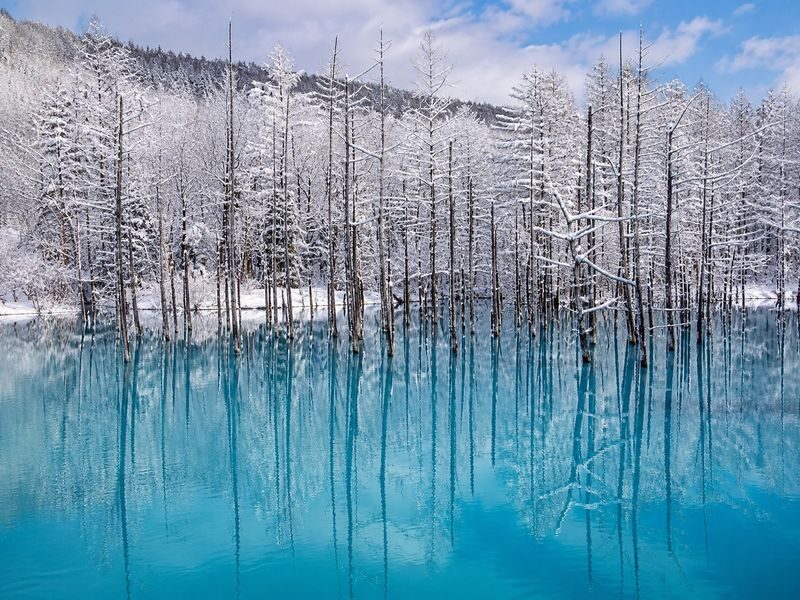
The tour reaches Shirogane Blue Pond at about 11:00 and allows roughly 30 minutes. The pond is known for its striking blue water and its connection to Apple Mac wallpaper imagery. It is a compact visit, so you can walk around, take photographs and see the surface from different angles, but you will need to keep an eye on the clock.
The color is the main attraction, and it can look different with the weather and light. Rain does not necessarily ruin the day, but it can make photography harder and the walk less pleasant. Bring a light rain layer if the forecast is unsettled, and don’t expect the pond’s color to look exactly like a sunny-day photograph.
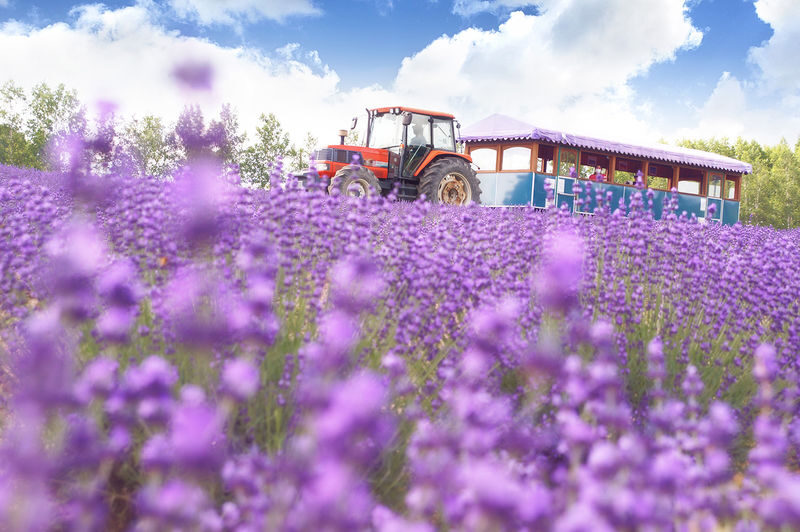
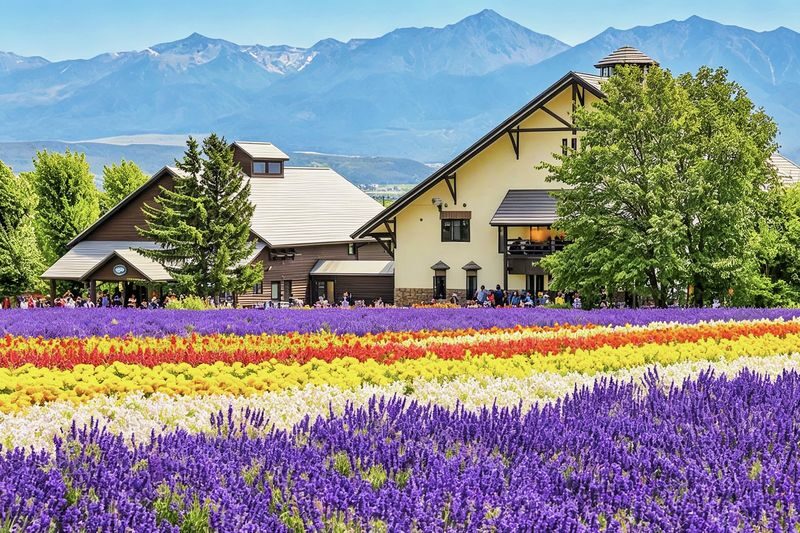
At around 11:55, the bus arrives at Shikisai no Oka for about an hour. This is the tour’s broadest flower-field stop, with long, colorful bands of blooms across the hills. The view changes with the season and the varieties planted, so the famous rainbow effect is not guaranteed on every date.
There is an admission fee included for Shikisai no Oka. You can stroll through the grounds and take in the wide views, or pay separately for activities such as the tractor sightseeing tour. The alpaca farm is also a separate cost. One hour is enough for a walk and photos, but not for lingering over every corner and adding several paid activities.
Flower timing is worth thinking through before you book. Lupins, tulips and canola typically appear from late May into June. Lavender, salvia and cosmos are associated with July and early August, while sunflowers and zinnias can appear from late August into September. Later in the season, marigolds and autumn colors may replace summer blooms. Temperatures and growing conditions shift the calendar, so think of these as guides, not promises.
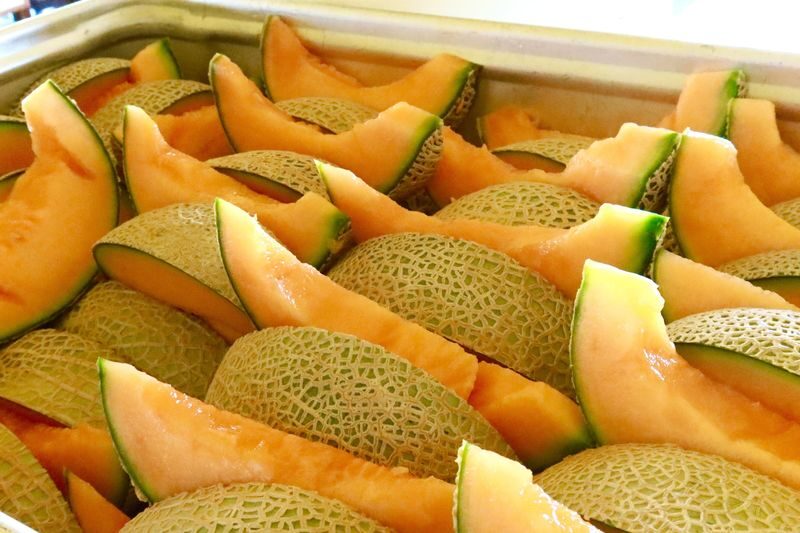
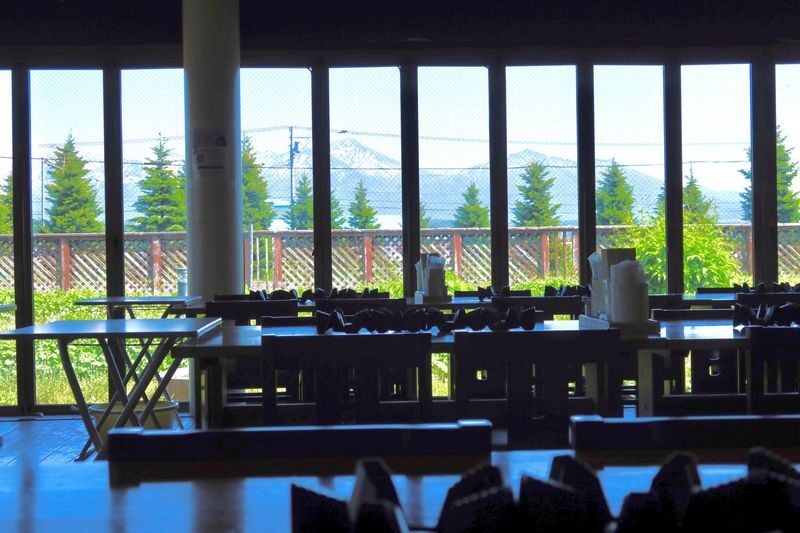
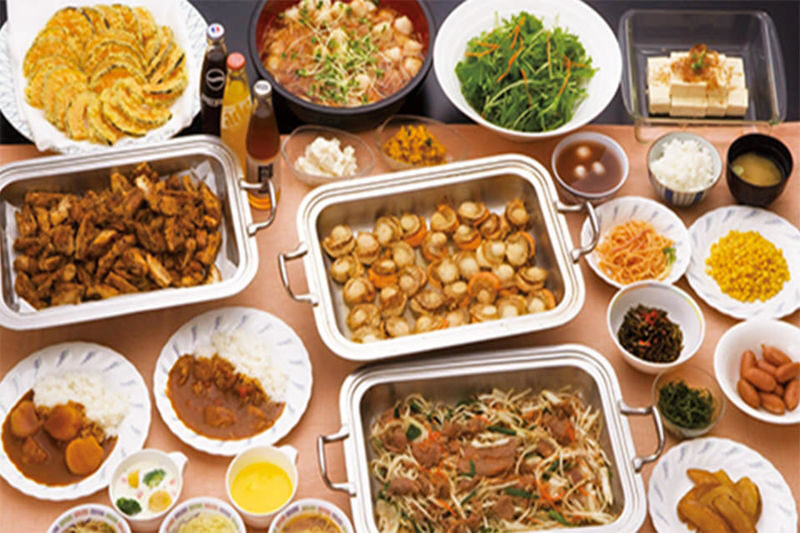
The lunch stop lasts about an hour, around 13:10. The optional package includes a farm-style buffet made with local ingredients and all-you-can-eat Furano cantaloupe. Vegetarian dishes can be prepared if you note this when booking. The meal option costs extra, so compare the package prices rather than assuming lunch is included.
Without the buffet, you can order at the restaurant, where Japanese set meals are available. The menu and ingredients can change with the season, and the dining arrangements are separate for people with and without the meal package. In July and August, queues may eat into a one-hour break. If you skip the buffet, carrying a small snack is sensible.
The melon is a strong reason to consider the upgrade if you love seasonal produce and want to make lunch part of the day’s Hokkaido food experience. But it is not the only way to taste it: melon slices are sold at Farm Tomita, too. Visitors have also found sweet local corn there and at Shikisai no Oka. If you prefer a smaller taste, buying a single portion may suit you better than an all-you-can-eat meal.
Farm Tomita is scheduled for around 14:25, with about an hour to explore. It is one of Hokkaido’s best-known flower farms, especially for lavender. The lavender season usually runs from late June to early August, though the exact display depends on the year. Outside that window, the farm can still offer flowers and seasonal color, but don’t book in autumn expecting peak lavender.
This stop gives you time to wander, take photos and browse for farm products. Lavender-flavored ice cream and melon are among the treats available; a mixed lavender-and-melon flavor has also been noted as an option. The farm is a good place to try a snack without committing to the lunch upgrade.
The hour is useful but not lavish. If you enjoy browsing shops or want to sit down for a meal here, you may have to choose between that and exploring the grounds. Plan your priorities before the bus arrives, and keep track of the return time.
The tour offers service in Chinese, English and Japanese. Guides named Lisa, Ken, Vivi and others have led trips, but you cannot count on a particular person or language mix for your date. Some guides have given detailed explanations, helped with group photos and shared tips on local food. In quieter periods or with certain vehicle arrangements, the driver may provide only a simple introduction and meeting instructions rather than a full guided commentary.
That makes the tour a better fit if you chiefly want transport and a clear schedule than if you expect a continuous, in-depth account of Hokkaido. Pay attention to the guide’s instructions at every stop, especially the return time. The group needs to leave together, and a missed departure can mean making your own way back.
Prices start from $44.45, but the total depends on the package and any meal upgrade. For that starting price, the main value is round-trip transport from Sapporo to several distant sights in one day. You also avoid working out rural connections, and Shikisai no Oka admission is included.
The value is strongest if you want to see the headline places without renting a car. It is less compelling if you want long, unhurried walks, detailed stops at every famous tree, or the freedom to change plans. The lunch buffet and cantaloupe are optional, paid activities at Shikisai no Oka cost extra, and personal spending is not included.
The tour also offers a free original souvenir if you show your voucher at the Sapporo TV Tower’s first-floor information center, open daily from 09:30 to 18:30. If you want it, make time to collect it during those hours.
I would consider this a practical choice for first-time visitors to Hokkaido, families, solo visitors and anyone who wants to see Biei and Furano without driving. It can also suit people traveling with older relatives, provided everyone is comfortable with a long bus day and short, timed visits. The bus and the organized stops take much of the transport uncertainty out of the trip.
It is not ideal if you dislike long rides, want to spend hours photographing flowers, or need a fixed return time for a flight or dinner reservation. Traffic and weather can shift the schedule, and some attractions may be skipped because of capacity or conditions. Leave room in your evening plans rather than assuming you will be back at exactly 18:00.
Book this tour if you want a convenient, good-value sampler of Biei and Furano, with three substantial stops and a chance to taste local melon. Go in with realistic expectations: the roadside trees are viewed from the bus, the flower displays depend on the season, and the day is long. If those terms suit you, this is an efficient way to reach places that are cumbersome to combine from Sapporo on your own.
“Perhaps because it was the off-season and there were fewer people, our tour did not have a tour guide; we only had a driver in charge of transfers …”
The tour lasts about 10.5 hours. The early-departure schedule runs from around 07:40 to about 18:00, though traffic and weather can affect the return time.
The meeting point is in Sapporo. Departure details refer to Sapporo TV Tower and Sapporo Tokyu REI Hotel, with listed times of 07:40 and 07:50. Check your voucher for the exact place and time, and arrive at least 10 minutes early.
It depends on the package you select. The meal upgrade includes a farm-style buffet and all-you-can-eat cantaloupe. Without it, you can order at the restaurant.
Yes. Vegetarian options are available with the buffet package. Note your dietary needs when booking so the restaurant can prepare dishes in advance.
Lavender usually blooms from late June to early August. Flower types and bloom dates can vary with the year’s weather and growing conditions.
Yes. Admission to Shikisai no Oka is included. The alpaca farm and paid activities such as tractor sightseeing are not included.
No. Seven Stars Tree, Patchwork Road and Ken and Mary Tree are listed as window-viewing stops on this itinerary.
Children aged 0 to 2 can join free if they do not occupy a separate seat. Children aged 3 and over are charged the adult rate.
The stated allowance is one piece of standard-sized luggage.