Physical Address
304 North Cardinal St.
Dorchester Center, MA 02124
Physical Address
304 North Cardinal St.
Dorchester Center, MA 02124

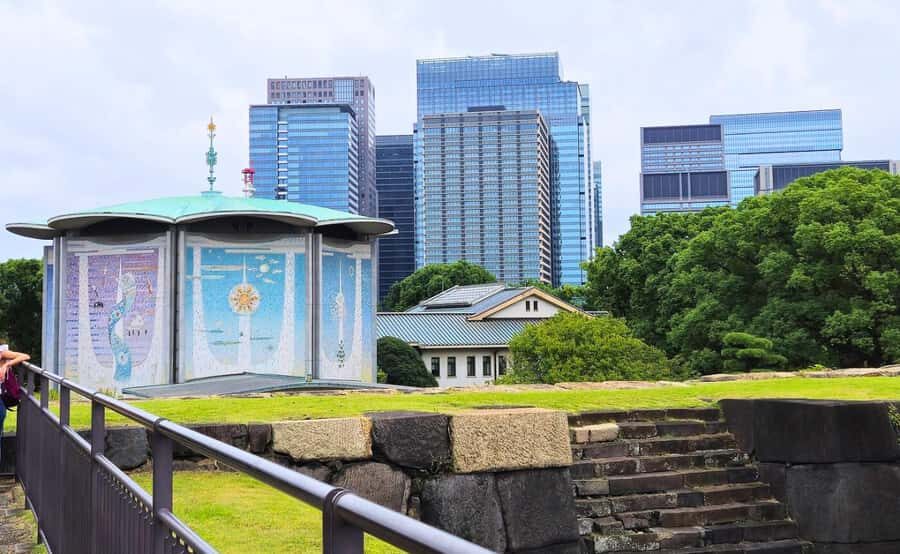
Walk Tokyo’s Imperial Palace East Gardens with a small-group guide, tracing Edo Castle’s samurai past through gates, ruins, ponds and gardens.
Tokyo’s Imperial Palace grounds put Japan’s past right in the middle of the modern capital. On this two-hour walk, you follow the route through the former Edo Castle grounds, passing great stone gates, guardhouse remains, garden ponds and the broad site of the old main hall. The inner palace is not part of the tour, so expect history and gardens, not a look inside the royal residence.
I like two things in particular: the guide links samurai-era history to present-day Japan, and the small-group format makes it easy to ask questions or get help with photos. One consideration: this is a walking tour over palace grounds, and it is not suitable for wheelchair users or people with mobility impairments.
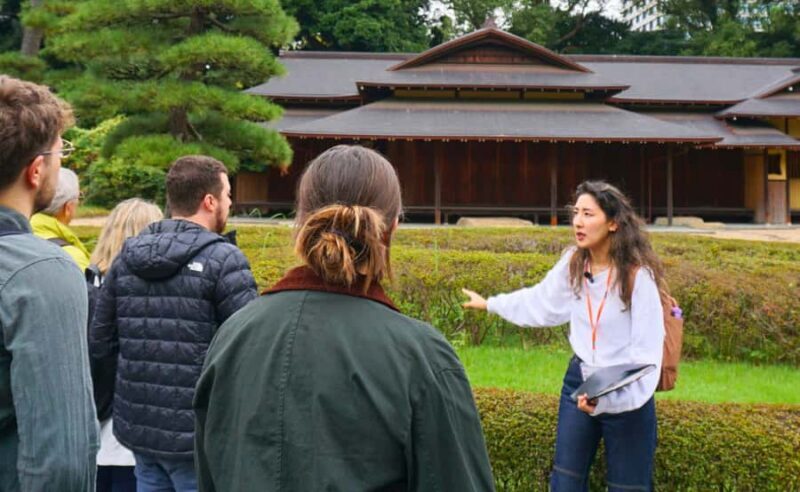
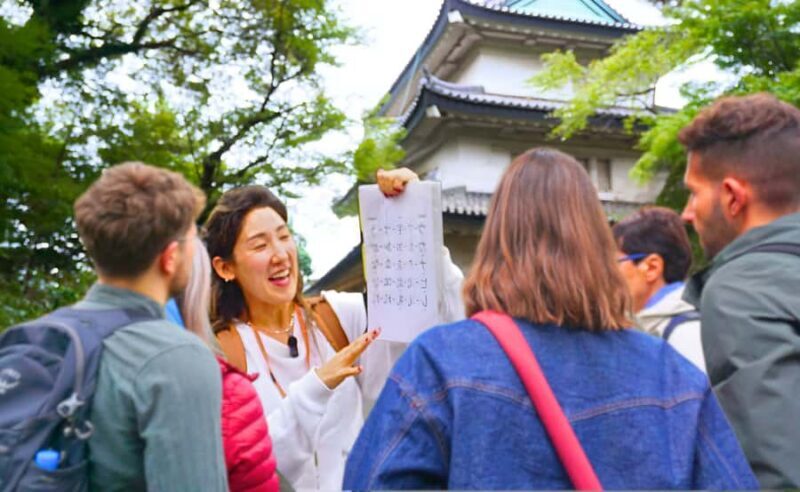
The meeting point is Wadakura Fountain Park, a short walk from Tokyo Station or Otemachi Station. Look for your guide near the Starbucks by the fountain, holding a Sunrise Adventure sign. If you are taking a taxi on a Sunday, allow extra time: marathons are often held around the Imperial Palace, and vehicles may not be able to get close.
The tour begins with views of Wadakura Moat and its surrounding water. This is a useful opening because the palace grounds are not one compact building to tour. They are a wide historic site, shaped by moats, gates, walls and open spaces. Starting at the water gives you a first sense of how the castle was protected.
Your guide sets the scene before you reach the larger remains. That context matters. A stone wall or a patch of open ground can look like little more than a pleasant walk without an explanation of the castle that once occupied the site.
If you enjoy exploring Tokyo on foot, these walking tours might also suit your style
Ōtemon Gate is one of the route’s main stops. Here, the guide explains the role of the castle gates and their connection to samurai-era power. The scale of the entrance helps make the site’s former purpose clear: this was a guarded seat of authority, not simply a landscaped park.
From there, the walk takes in the Ote-San’no Gate ruins and Hyakunin Bansho guardhouse. These stops add detail to the defenses. Rather than viewing the castle as a single fortress, you begin to see a system of entrances, checkpoints and guarded approaches.
This is where a guide can earn the $30 fee. The stones and foundations are part of the story, but much of the original structure is gone. A guide’s explanation helps you imagine how people moved through the castle grounds and why certain passages were controlled. You can ask follow-up questions as you go, rather than trying to piece together the history from signs alone.
The route includes photo stops, and guides can help you find good angles or take pictures. That small practical touch is useful if you are travelling solo or want a group photo without asking a stranger. Still, this is not a photography tour. The pictures are a pleasant extra; the main value is learning what you are looking at.
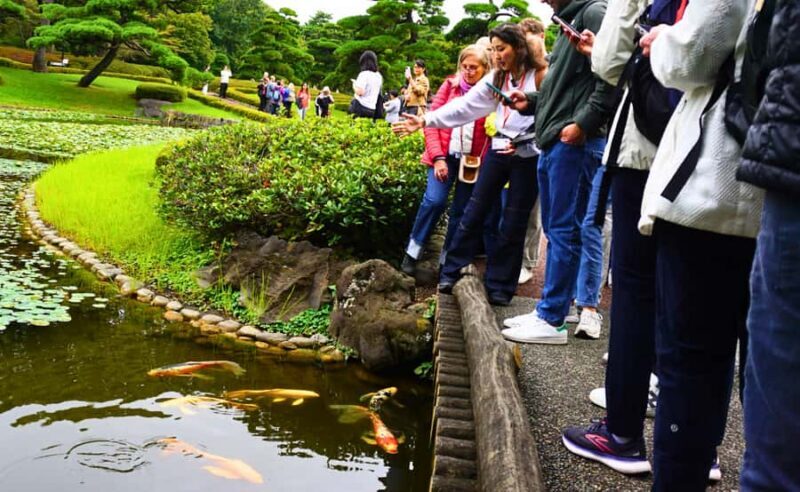
Ninomaru Garden is the gentler counterpoint to the gates and ruins. Its winding paths, seasonal flowers and ponds give you a break from the harder edges of castle history. The garden is also one of the tour’s strongest photo spots, especially if you enjoy water, carefully framed views and seasonal colour.
The ponds are home to imperial koi, a detail that adds a little life to the grounds. Your guide can point out places to pause and take pictures, but leave time to look around without a camera too. The garden’s calm is part of the experience, and the shift from military defenses to planted paths helps the two-hour walk feel varied.
The tour also passes Suwa-no-Chaya, a teahouse, as well as the prefectural trees and Bairinzaka, or Plum Tree Hill. These stops bring the gardens into focus as more than a green backdrop. Depending on the season, flowers and trees may change the feel of the route. One visitor who toured in February thought the gardens would be even prettier in other months, so don’t expect the same display year-round.
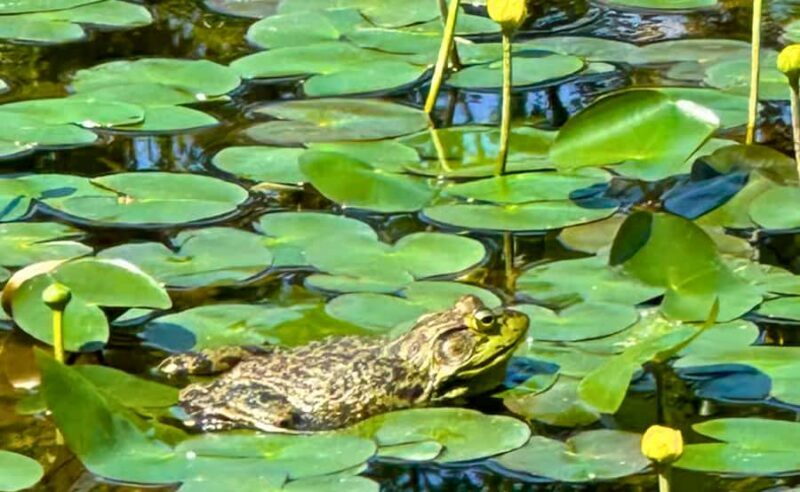
After the garden, the walk returns to the remains of Edo Castle. You visit the castle ruins and the Stone Hut area, then see Fujimi-tamon Defense House and Fujimi-yagura. These structures and sites help show how the castle combined residential and defensive roles.
The Fujimi-yagura is a particularly useful point for understanding the layout. A guide can explain how the defensive features fitted into the wider grounds, rather than leaving you to guess from a tower or wall in isolation. The tour also includes a restoration model of the Edo Castle keep, which gives you a clearer idea of the scale and form of a structure that is no longer standing.
The route continues to the site of Edo Castle’s Honmaru, or main hall. The open space here can feel less dramatic than a preserved building, but it is one of the most important stops for imagining the castle at its height. This is where the guide’s storytelling matters most: the physical remains are incomplete, so the historical narrative fills in what the eye cannot see.
The route finishes back at Wadakura Fountain Park. The itinerary names many stops, but the tour lasts about two hours, so expect a steady walk with short visits and explanations rather than long periods at every point. If you want more time in the gardens afterward, ask your guide how best to revisit the areas that caught your attention.
More Great Tours Nearby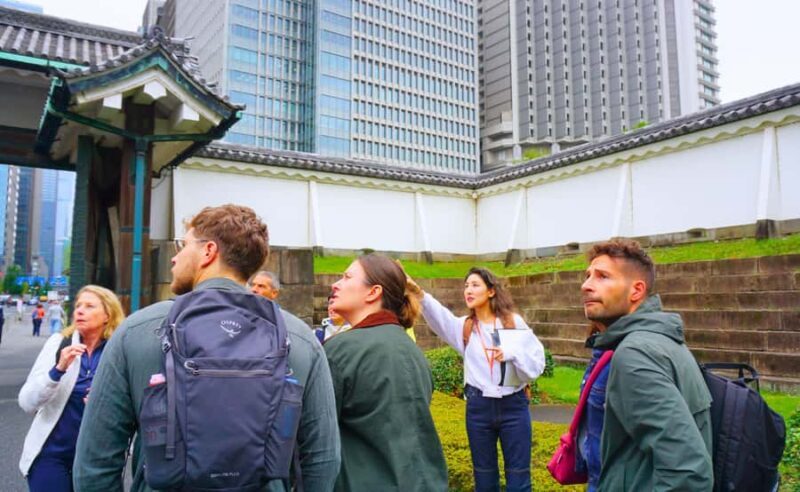
The most consistent strength of this tour is its guiding. Mika, Shin, Mayu, Lakki, Nicolas, Fei and Natsumi are among the guides who have led it. Names and assignments can change, but the tour is built around a local guide who can explain Japanese history in English or French and respond to questions.
The strongest guides make a complicated subject approachable. They connect the shoguns and the Edo era to the Japan you see today, and explain the purpose of gates, guardhouses and castle structures in plain terms. Several groups have found the history easier to follow because the guides set out the wider timeline before focusing on the palace grounds.
The personal touch can be useful beyond the history lesson. Guides have shared restaurant and shopping suggestions, helped with photos, and in some cases provided basic Japanese words and phrases. Those extras are not the core product, so treat them as a welcome bonus rather than a guaranteed part of every tour. If you have a specific question about food, local customs or what to see next, ask while you have a local guide’s attention.
History buffs will find these Tokyo heritage tours enlightening
At $30 per person, this is a fair buy if you want the palace grounds to make sense. You are paying for a small-group guide, a planned route and historical explanation across a large site. The price is less compelling if you only want a quiet garden stroll or are happy to read the signs and explore at your own pace.
You do not need prior knowledge of Japanese history to enjoy the walk. In fact, a guided overview is especially helpful if this is your first visit to Japan and you want a clear introduction to the Edo period. The tour gives you a framework you can carry into later visits to Tokyo’s museums, temples and historic districts.
The two-hour length is also practical. It is long enough to cover a range of sites, but short enough to fit into a day of sightseeing. You can use the remaining time to explore the gardens further, or move on to another part of the city. The pace involves regular walking, though, so it is not an ideal choice if you need frequent seated breaks or have limited mobility.
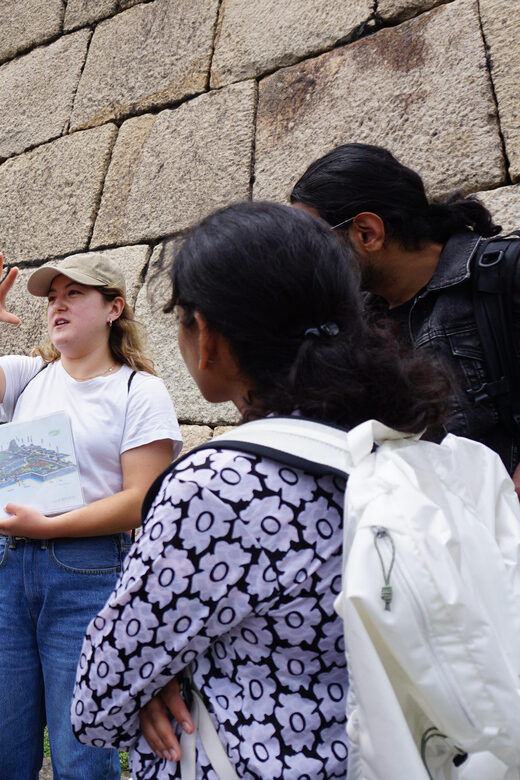
The tour starts at Wadakura Fountain Park, near Tokyo Station and Otemachi Station. In the park, meet your guide near the Starbucks by the fountain and look for the Sunrise Adventure sign. On Sundays, check whether a marathon may affect taxi access and leave extra time to walk to the meeting point.
Wear comfortable walking shoes and dress for the weather. The tour runs in rain or shine, and water is a good idea on hot days; vending machines are available along the way. There is no dress code, and tattoos are welcome.
The tour covers publicly accessible palace grounds and the East Gardens, not the inner palace. It is not suitable for wheelchair users or people with mobility impairments. Small groups are available, and booking ahead is sensible if you want a particular time, especially during a busy visit to Tokyo.

I’d recommend this tour to first-time visitors who want a clear introduction to the Edo period, couples who like combining history with a garden stroll, and solo visitors who value a small group and a guide to answer questions. Families may also appreciate the mix of open spaces, castle stories and koi ponds, provided everyone is comfortable with the walking.
It is less suitable if your priority is entering the Imperial Palace itself, seeing royal interiors, or moving at a very slow pace. The inner palace is not open to the public as part of this tour, and much of the castle is now represented by ruins and open grounds rather than intact buildings.
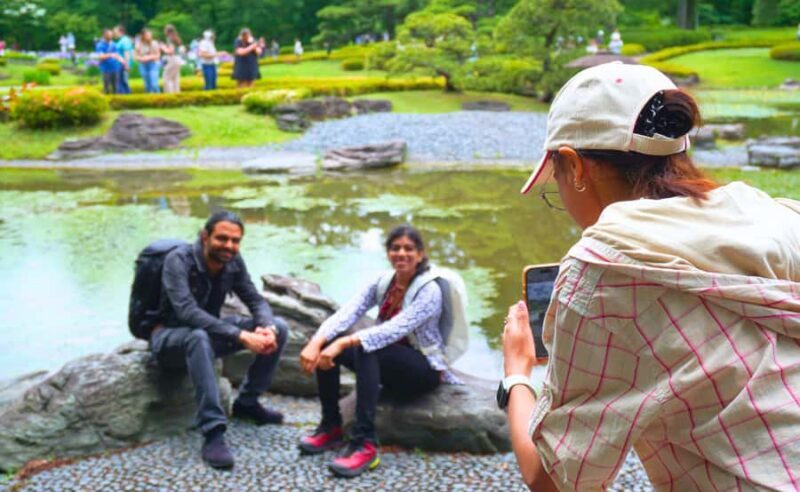
Book it if you want the grounds to tell a story, not just provide a pleasant walk between greenery and stone walls. The guide’s explanations are the main reason to choose this over exploring alone, and the mix of gates, castle remains and Ninomaru Garden gives the two hours a good rhythm.
Skip it if you mainly want independent garden time or cannot manage a walking route. For most first-time visitors with a couple of hours to spare, though, this is a useful and personable way to understand why the Imperial Palace grounds matter to Tokyo.
“Comprehensive tour of the beautiful grounds with lots of opportunities for pictures. Our guide Lakki was very knowledgeable, friendly and happy to …”
The walking tour lasts about two hours and starts and finishes at Wadakura Fountain National Park.
The route includes Wadakura Moat, Ōtemon Gate, gate and guardhouse ruins, Ninomaru Garden, Edo Castle ruins, Fujimi-tamon Defense House, Fujimi-yagura and the site of the castle’s main hall.
No. The inner palace is not included and is not open to the public as part of this tour.
Live guides are available in English and French.
Meet at Wadakura Fountain Park, near the Starbucks by the fountain. Your guide will be holding a Sunrise Adventure sign.
Tokyo Station and Otemachi Station are each about a five-to-ten-minute walk from Wadakura Fountain Park.
Wear comfortable walking shoes and dress for the weather, since the tour runs rain or shine. Bring water on a hot day; vending machines are available during the tour.
No. The tour is not suitable for wheelchair users or people with mobility impairments.
You can check availability for your dates here: