Physical Address
304 North Cardinal St.
Dorchester Center, MA 02124
Physical Address
304 North Cardinal St.
Dorchester Center, MA 02124

See El Jem, Matmata, Chebika and the Sahara in two packed days, with a desert camp night, optional camel ride and long road transfers.
The best part of this two-day trip is the change of scene: Roman stone, Berber homes dug into the earth, open desert and a canyon oasis, all in one quick sweep south. The night at a camp in the dunes gives the itinerary its heart, especially if you take a camel ride at sunset and stay up for the stars.
I like the mix of big historic sights and everyday local culture, from El Jem’s amphitheater to tea with a family in Matmata. I also like that the camp includes dinner, breakfast and a sand-bread demonstration, so the desert stop is more than a photo break.
The trade-off is the pace. You cover a lot of ground in two days, with several hours in the vehicle each day and an early start. If long drives or motion sickness are a concern, the three-day version is the wiser choice.
For the Tunis departure, plan to meet in front of El Hana International Hotel at 5:00 AM. Other departure options are designed for people staying in Hammamet or Sousse. Check the option you book carefully: cross-city drop-off between Tunis, Hammamet and Sousse carries a mandatory supplement, and the amount is not stated here.
The drive south is a large part of the trip, not just a link between attractions. Air-conditioned transport and a licensed driver are included. The exact vehicle and group size can vary, but some groups travel in a small minibus. There are stops along the way, though the route is long enough that a neck pillow, water and a little patience can make the ride easier.
El Jem’s amphitheater is among the best-preserved Roman arenas in the world and a UNESCO World Heritage site. Its scale makes the point quickly: this was no minor provincial venue. You have about 40 minutes for the guided visit, enough to take in the structure and hear its history, but not enough for a slow, detailed exploration.
Entry fees are not included. One recent visitor reported an admission price of 20 Tunisian dinars, but fees can change, so bring cash and check locally. If ancient sites are a priority for you, be ready to pay the extra charge rather than assume the tour price covers it.
Next comes Matmata, where some homes are built into excavated courtyards in the earth. The design offers shelter from the heat and makes for a striking contrast with the open road outside. The tour includes a visit to a traditional home, where you may meet residents and have rosemary tea with honey and olive oil.
Hotel Sidi Driss is another stop. The building was used as a filming location for Star Wars: A New Hope, and its rooms and courtyards have a cinematic feel. It is a hotel, not a full-scale film set, so keep expectations in check if you are hoping for a sprawling production site. Lunch is planned here, though drinks are not included.
A short photo stop in Tamazret adds a quieter view of a Berber village perched above the desert. It is a brief pause, not a long village visit. The day’s rhythm is built around a series of distinct sights, then a return to the road.
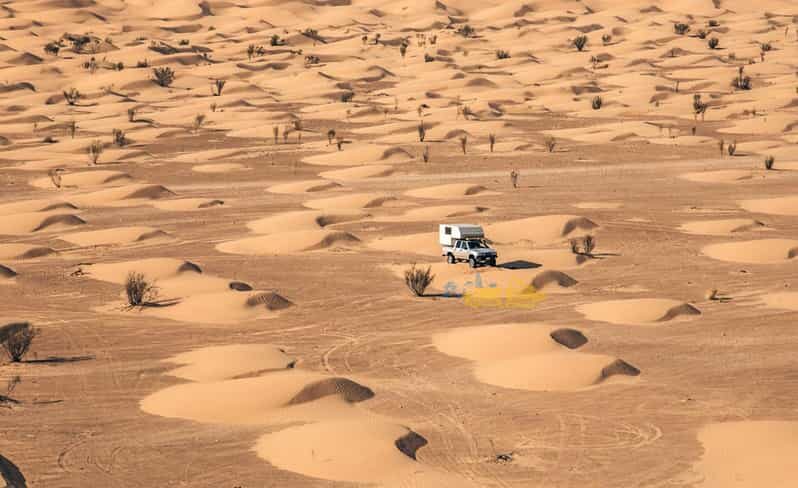
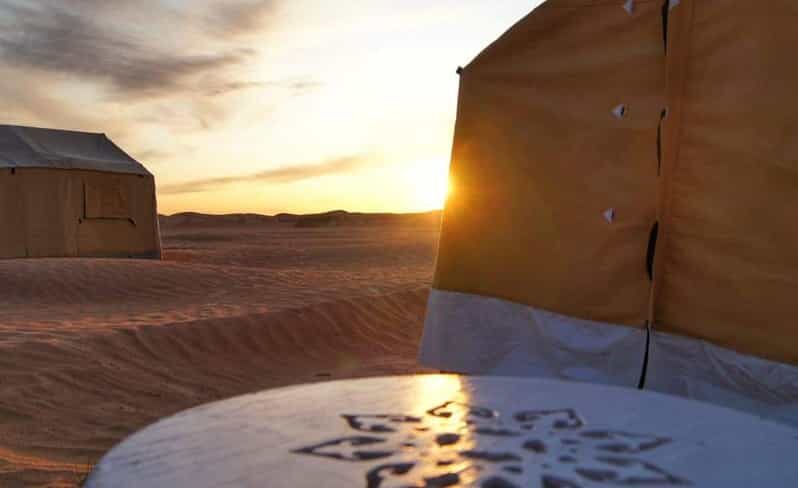
By afternoon, you reach Sabria, where the dunes begin. The camp stay is the reason many people accept the long drive. You get time to settle in, take in the sand and join the camp activities before dinner. The tents are described as comfortable, and accounts of the stay include large tents with beds and blankets. Bathroom arrangements can vary by accommodation option; check what is included before paying extra for a luxury tent or private facilities.
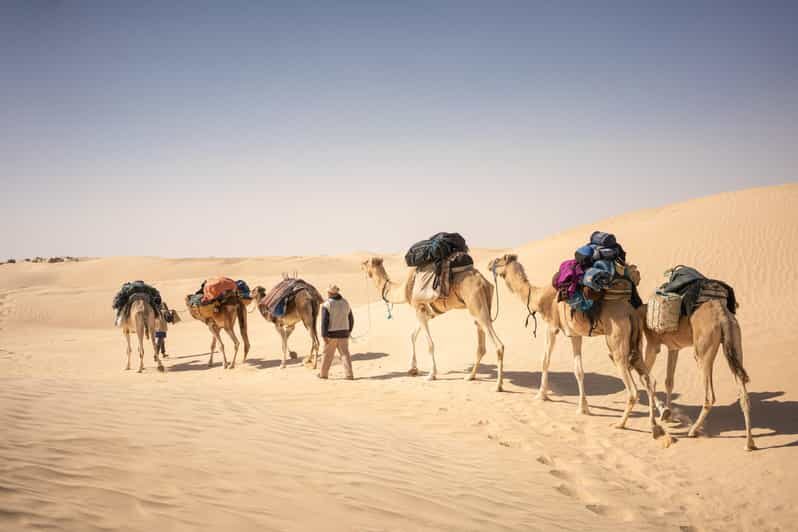
A camel ride at sunset is optional and costs extra. Some visitors also choose activities such as quad biking, sandboarding or a bike tour, but these are not part of the included price. Ask about current prices and availability before committing. If you would rather keep things simple, the dunes and changing light are reason enough to wander near camp.
The sand-bread preparation is one of the more distinctive parts of the evening. You can watch and help as bread is cooked beneath hot embers in the traditional style. Dinner is included, followed by time around the fire, with a traditional dance show listed among the camp activities. The music and show may feel tourist-oriented to some, so treat it as a staged evening rather than a private glimpse of daily life.
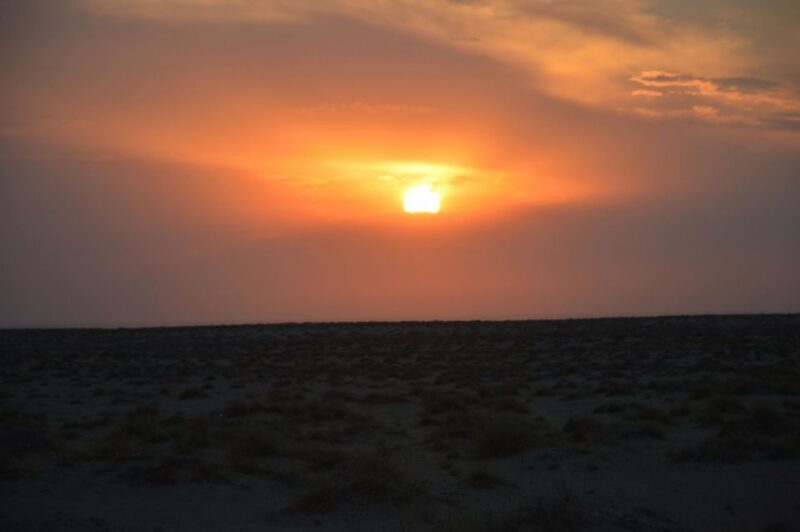
After sunset, look up. Sabria’s distance from city lights can make the stars a highlight, although clear skies are never guaranteed. Bring a warm layer for the evening and early morning, even if the afternoon is hot. You can sleep in your tent or, weather permitting, outside under the sky.
More Great Tours Nearby
Breakfast is included at camp, followed by another early departure. Day two covers a broad stretch of southern and central Tunisia, so the stops are rewarding but brief. The drive after lunch is especially long, at a little under four hours, before the final Kairouan stop and return to your drop-off point.
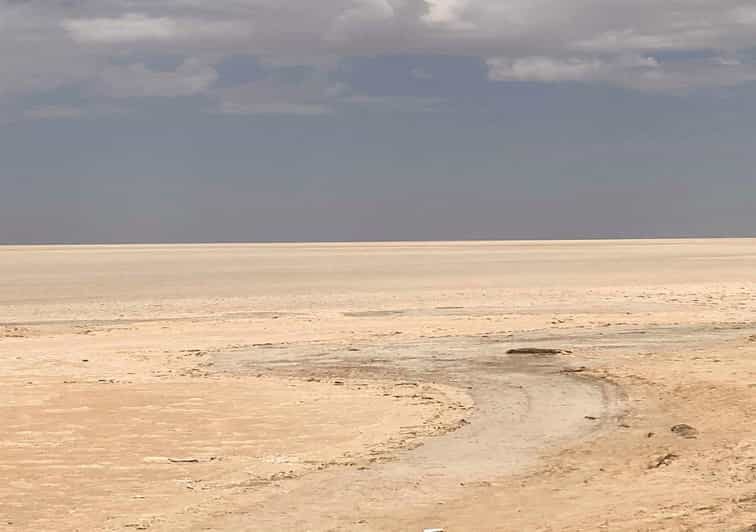
Chott el Djerid is North Africa’s largest salt lake. The tour makes a short photo stop of about 20 minutes, giving you time to look across the salt flats and watch for the mirages that can make the horizon appear to ripple. It is an unusual place, but this is a roadside pause, not a long walk across the lake.
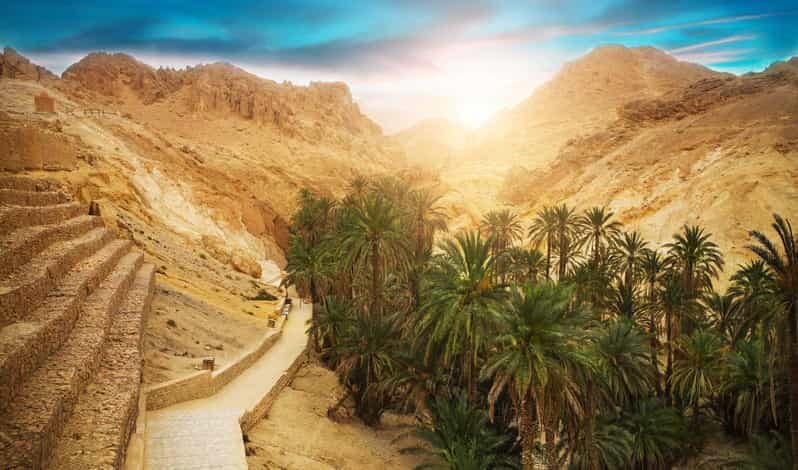
At Chebika, the trip shifts from open, dry country to a mountain oasis. Palm trees grow along the canyon, and water flows through the rocks. You walk past the abandoned old village and hike to a waterfall, with about an hour at the site.
The paths and uneven ground make sensible footwear important. Wear trainers or other walking shoes rather than sandals if you want to enjoy the route comfortably. The walk is short, but it does involve slopes and rocky footing. The tour is not suitable for people with back problems, and the long drives may also be difficult if you are prone to motion sickness.
After lunch, expect a long transfer before reaching Kairouan. The visit includes a brief walk through the UNESCO-listed medina and a stop near the Great Mosque. The mosque is viewed from outside, and the schedule notes that it is viewable before 13:00. Since the tour’s timing can shift, do not book expecting a guaranteed interior visit.
Kairouan’s old lanes and workshops add a cultural counterpoint to the desert. Time is limited, however, and the mosque stop may be brief. Keep some flexibility in your expectations: this is an introduction to the city, not a full afternoon to explore it.
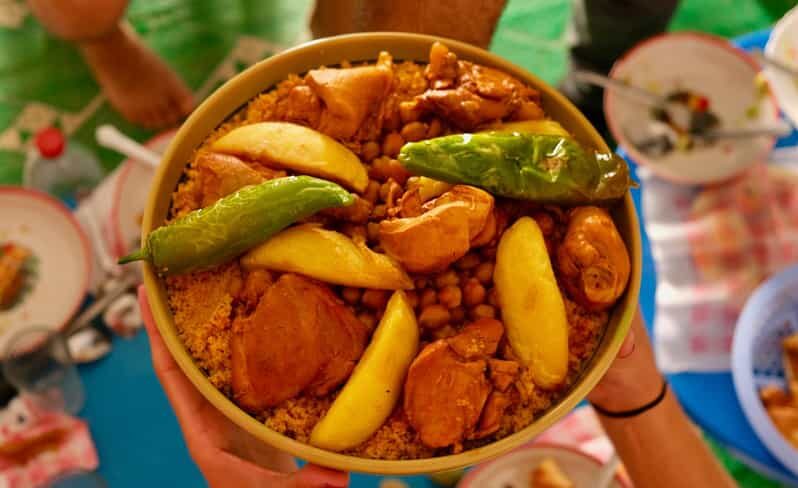
At $106 per person, the tour offers a lot of ground, two lunches, camp dinner and breakfast, one night’s accommodation, a driver, a multilingual licensed guide and air-conditioned transport. That is strong value if your priority is seeing several major sights without arranging separate transfers and lodging.
The price is not all-inclusive. You pay separately for drinks, personal purchases and entrance fees to archaeological sites and museums. Camel rides and other optional desert activities also cost extra. Bring cash for these costs and for small purchases along the way; card payment should not be assumed.
Solo visitors have a mandatory single supplement listed at €35. The information also gives a €150 per-person supplement for a New Year’s Eve departure on December 31, which includes a special celebration. A drop-off supplement applies when you travel between Tunis and Hammamet or Sousse in either direction, but the amount is not specified.
Lunch quality can vary by stop. The included meals are convenient, and food at camp is part of the package, but you may find some roadside or tourist-focused meals less appealing than others. Vegetarian meals have been arranged on tour, but tell the operator about dietary needs before departure rather than waiting until you arrive.
The tour is designed to fit a large slice of southern Tunisia into two days. That means early starts, long stretches in the vehicle and relatively short visits at some stops. On day one, you travel from the north through El Jem and Matmata to Sabria; on day two, you cross the salt flats, visit Chebika and Kairouan, then head back. The route is reported to total around 1,400 kilometres, though the exact distance and timing depend on departure and drop-off points.
A good guide makes the hours on the road more useful by explaining the places between the stops. Guides who have led this experience include Ali Cherif, Nour and Momo, though the assigned guide depends on the date and language. Guide languages include Arabic, English, French, German, Italian, Spanish and Portuguese. To improve the chance of getting your preferred language, the recommended days are Italian and German on Tuesday, Thursday or Saturday; French and English on Monday, Wednesday or Friday; Spanish and Portuguese are available daily, with Sunday preferred.
For the Tunis option, the stated meeting time is 5:00 AM at El Hana International Hotel. The general tour description also gives a 6:00 AM pickup time, so use the time confirmed for your selected departure rather than relying on a general schedule. Pickups depend on the option selected; the meeting point described here is intended for people staying in Tunis, Carthage, La Marsa, Tunis Medina, Sidi Bou Said or Gammarth.
If you know that a full day on the road wears you down, choose the three-day version instead. It spreads the journey out and gives you more time at each place. The two-day tour is best for a short stay when you want a broad impression and are willing to trade a relaxed pace for range.
I would choose this tour if you have only two days to get beyond Tunisia’s coast and want a mix of archaeology, Berber culture, desert scenery and an overnight camp. It suits curious, flexible people who are happy to rise early, share transport and accept that some stops are brief. The camp, sunset dunes and Chebika walk are the strongest reasons to go.
I would hesitate if long drives make you miserable, if you need a slow pace, or if you have back problems or motion sickness. The three-day tour is a better fit for a more comfortable schedule. Before booking, confirm your departure and drop-off locations, language, camp bathroom arrangements and any optional activity prices.
“The driver is an excellent motorist, the hours of travel fly by, the vehicle is very comfortable, and there are plenty of breaks along the way. The…”
The experience lasts two days and includes an overnight stay at a desert camp in Sabria.
The stated meeting point is in front of El Hana International Hotel in Tunis. Participants using this option are asked to meet at 5:00 AM.
Yes, but you should book the departure option made for your location. A mandatory supplement applies to drop-offs between Tunis, Hammamet and Sousse in either direction.
Guides may speak Arabic, English, French, German, Italian, Spanish or Portuguese. Language availability varies by day, so check the recommended schedule before booking.
No. The camel ride is optional and costs extra. Other desert activities, such as quad biking or sandboarding, are also optional.
The tour includes lunch on both days, plus dinner and breakfast at the camp. Drinks are not included.
No. Entry fees to archaeological sites and museums are extra. Bring cash for admission, drinks and personal purchases.
The camp stay includes a tent, and tents have been described as comfortable, with beds and blankets. Bathroom arrangements vary by option, so confirm the details if private facilities matter to you.
The tour describes a brief stop and an exterior view of the Great Mosque. It does not promise an interior visit, and the stated viewing time is before 13:00.
Probably not. The trip involves several hours of driving on both days, and the return journey after lunch on day two takes a little under four hours. The three-day tour is recommended for a slower pace.
You can check availability for your dates here: