Physical Address
304 North Cardinal St.
Dorchester Center, MA 02124
Physical Address
304 North Cardinal St.
Dorchester Center, MA 02124

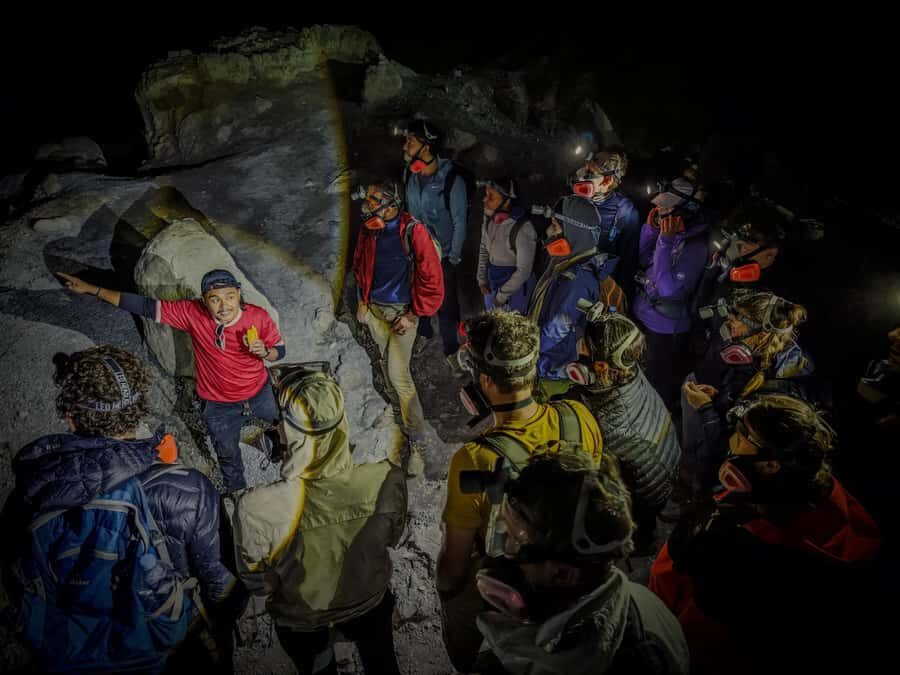
Hike Ijen by night with local guide Haqim, seek its blue fire, meet sulfur miners, and watch sunrise over the crater lake.
Ijen’s blue fire is best seen before dawn, when the volcanic glow is visible against the dark. This overnight trip pairs that rare sight with a steep hike, views of the turquoise crater lake, and a chance to see sulfur miners at work.
I like two things here: local guide Haqim (QimQim) and his team keep the group supported and moving, and the tour brings safety gear, transport, and summit tea into one plan. The catch is real: the climb is strenuous, the crater descent is steep, and neither blue fire nor clear sunrise is guaranteed.
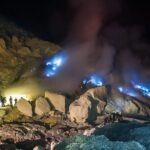
Mount Ijen’s blue fire is not ordinary flame. It is a natural volcanic phenomenon, and the darkness before dawn gives you the best chance of seeing its glow. The sight is striking, but it is not a guaranteed show: weather, volcanic conditions, and sulfur miners’ work all affect whether you can see it.
That uncertainty is worth understanding before you book. The guides aim to get the group to the crater early, and Haqim, also called QimQim, is known for leading the team with energy and humor. Still, no guide can promise the flames will appear or remain visible. If they do, you’ll be seeing a working volcanic site, not a staged display.
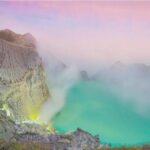
The blue fire is only one part of the outing. As daylight arrives, the crater lake and the slopes around it come into view. The contrast between the dark night hike and the morning panorama is a big part of Ijen’s appeal.
You can check availability for your dates here: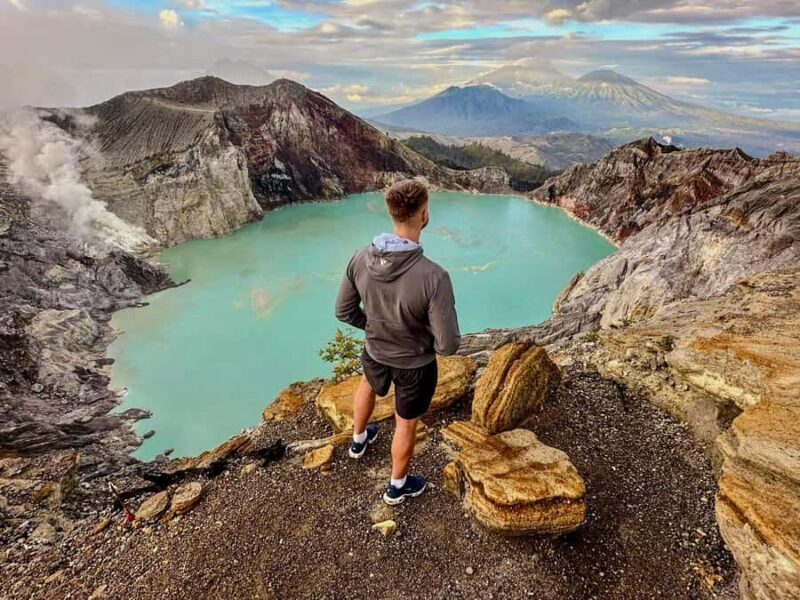
For the Banyuwangi option, pickup is listed between 11 and 11:30 p.m. You travel by shared car to the Ijen parking area, arriving around 1:30 a.m. A briefing and a short chance to rest follow before the hike begins at about 2 a.m.
That timing is tough on sleep, but it serves a purpose: you start walking in the dark and reach the upper mountain before sunrise. If you are staying in Banyuwangi or nearby Licin, the transfer keeps the trip relatively direct. Pickup is included from hotels in Banyuwangi or Licin, though the Ijen Resort and Villas pickup has an additional 150,000 rupiah fee.
At the parking area, use the briefing to ask about the current route, weather, and whether crater access is allowed. Conditions can change, and recent instability has made the area below the rim a particular concern. Your guide’s instructions matter more than any fixed itinerary.
If you prefer having a local expert, these guided Banyuwangi experiences could work well
The hike starts around 2 a.m. and rises toward the summit. You’ll be walking on a mountain path in darkness, with a headlamp supplied as part of the safety gear. The route is described as steep, and the tour is not suitable for people with low fitness levels or wheelchair users.
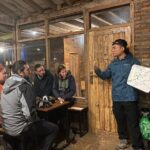
Expect different paces within the group. The guides have been attentive to slower walkers, and some groups have included several guides who could stay with people needing extra help. That is reassuring, but it does not make the climb easy or remove the need to judge your own stamina. Tell your guide promptly if you feel unwell or need to slow down.
Bring shoes with good grip and clothing you can adjust. The mountain is cold before dawn, but the climb can warm you quickly. A jacket is useful for the summit stop; layers are more practical than dressing as if you will remain still all night. Pack rain gear, long pants, snacks, cash, and any personal medication you need.
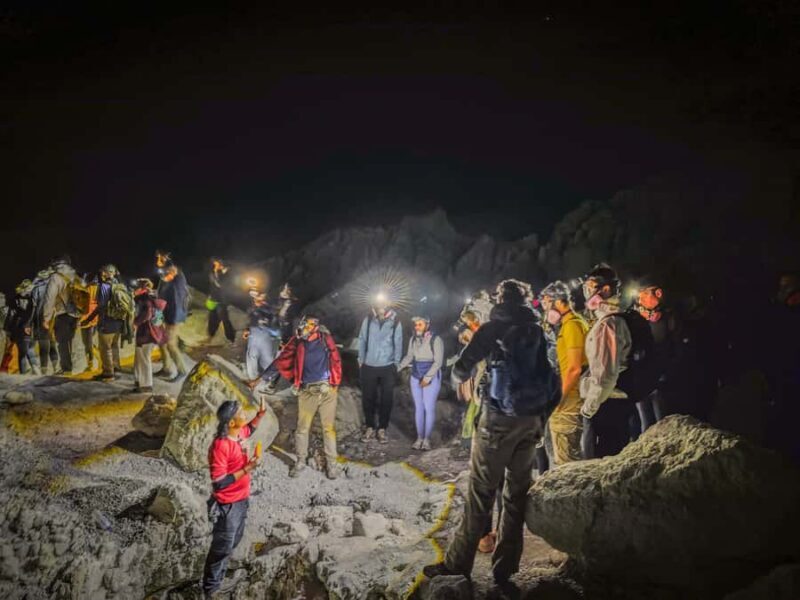
Around 3 a.m., the group may reach the summit and descend toward the crater. This part is not automatic. The crater area has been described as unstable after an earthquake, and descent is permitted only when sulfur fumes are safe and participants are fit enough for a steep 900-meter drop. People with asthma, heart conditions, or a fear of heights should not attempt it.
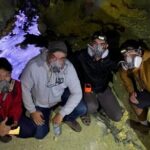
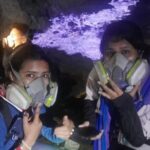
A gas mask with a respirator is included, along with a first-aid kit and oxygen tank. These are important protections, not a license to ignore instructions or push beyond your limits. Sulfur fumes can be harsh, and even well-equipped visitors need to follow the guide’s directions and any local restrictions.
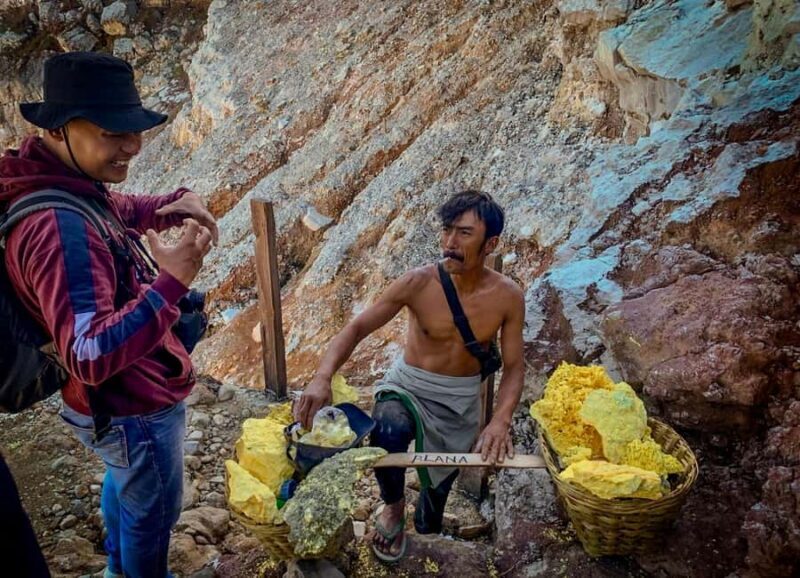
If access is allowed, you may see the blue fire and observe sulfur miners at work. The flames can be extinguished by miners as they carry out their work, so timing matters. The miners’ work is physically demanding and takes place in a hazardous environment. I value that the tour’s guides explain this context rather than treating the workers as scenery. Be respectful, follow instructions, and remember that this is their workplace.
If the crater is closed or conditions are poor, the experience changes. You may still see the upper slopes and the lake from above, but the blue fire is not something the operator can guarantee or replace with a sure thing.
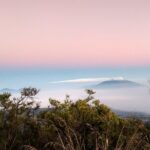
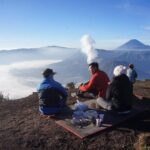
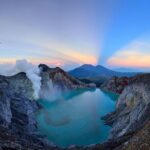
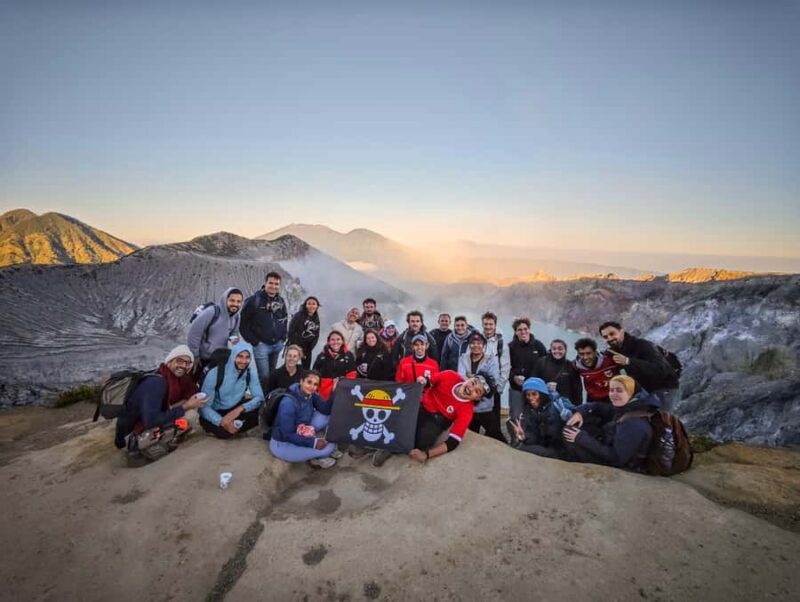
After the crater visit, the group climbs back toward a viewpoint for sunrise, usually between 4 and 4:30 a.m. The summit is about 2,386 meters above sea level. From there, the morning light reveals the crater lake and surrounding volcanic terrain, often in vivid turquoise tones.
The tour allows time for coffee or tea, rest, photographs, and explanations about Ijen’s history. This pause is more than a photo stop. It gives you a chance to catch your breath after the night hike and take in the scale of the crater without rushing straight back down.
The sunrise depends on the weather. Clouds can hide the view, and wind or rain may affect how long you want to stay outside. Bring a warm layer for the summit, even if you were comfortable while walking. If the sky is clear, the lake’s color and the changing light make this a memorable part of the trip even if you missed the blue fire.
More Great Tours Nearby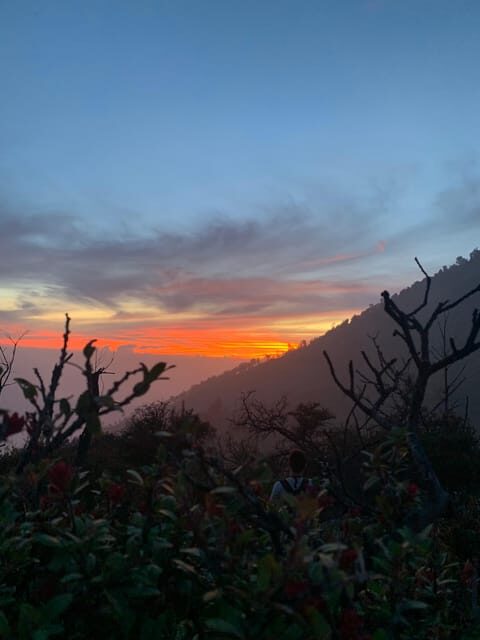
For the Banyuwangi route, descent to the parking area begins around 6 a.m. The vehicle leaves around 7:30 or 8 a.m., with arrival back at your hotel around 9 a.m. That makes the excursion possible as a single overnight outing, though you will have had little sleep and a demanding morning hike.
The Bali option is a different proposition. A driver collects you from your hotel, takes you to Gilimanuk port, and you cross by ferry on your own. On the Java side at Ketapang, the driver and guide meet you for the transfer to Paltuding, the hike’s starting point. The return follows the same broad route.
The stated duration ranges from 6 to 20 hours, and a Bali departure can occupy much of that range. The drive, ferry crossing, and pickup arrangements add time, especially if you are staying in southern Bali. The ferry transfer has been described as slow, so do not plan a tight connection or assume you will be back quickly. If minimizing fatigue matters more than convenience, staying in Banyuwangi before the hike is the simpler choice.
Pickup and drop-off options include places across Bali and the Banyuwangi area, but the exact transport depends on the option you choose. Confirm your pickup point and what is included before paying. For Ketapang port or Banyuwangi train station pickup, be ready at 11 p.m.
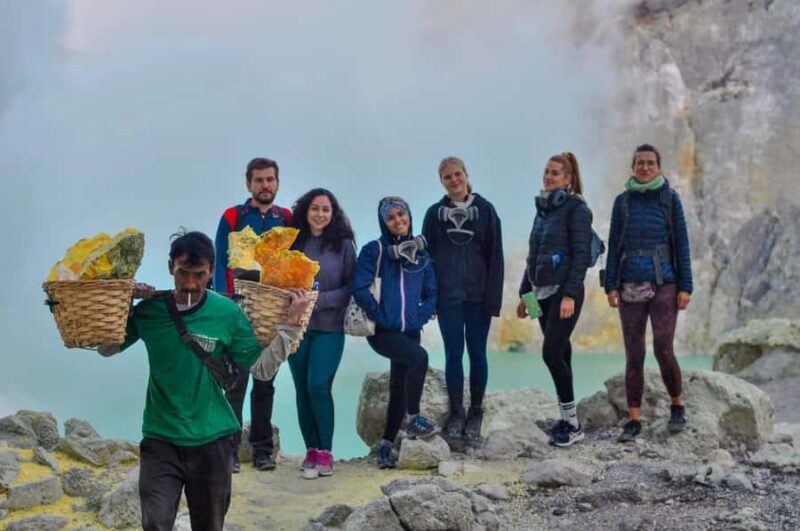
At a starting price of $13 per person, the Banyuwangi version is an inexpensive way to arrange a guide-led Ijen hike. The included items are substantial: round-trip transport from Banyuwangi, a local guide, entry to Kawah Ijen, a gas mask and headlamp, a first-aid and oxygen safety kit, the health certificate cost, and tea at the summit.
But the price depends on the option selected. Bali transport and a ferry ticket are included only when you choose the Bali package, and Licin’s Ijen Resort and Villas pickup carries an additional fee. The low advertised rate should not be assumed to cover every starting point or transfer. Check the selected package carefully.
You can choose a private or small-group option, while shared tours may include other participants. The tour also offers free cancellation up to 24 hours in advance and a reserve-now, pay-later option. Those terms give some flexibility, but the key value is the practical bundle: transport, equipment, guide support, and a plan for a night hike in an active volcanic area.
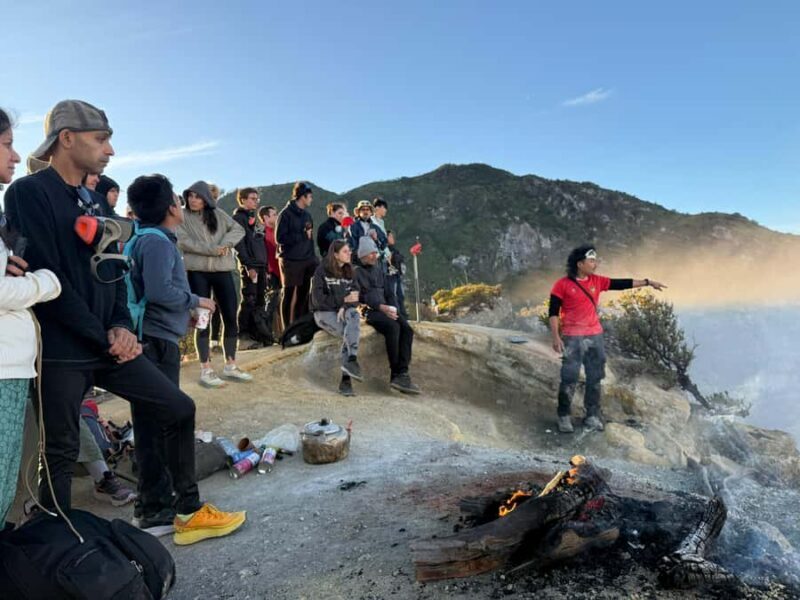
A guide matters here for more than keeping the group on schedule. Haqim, known as QimQim, and his team are praised for clear briefings, encouraging slower hikers, helping with photos, and explaining the volcano and sulfur mining. Other team members named by participants include Sule, Ron, and Yohanes, though the exact team may vary.
The upbeat approach is a practical plus on a long night. Humor can help when you are tired and climbing in the dark, but the more important qualities are attentiveness, pacing, and clear safety guidance. Several guides can also make it easier to support people moving at different speeds. Do not mistake a friendly atmosphere for a casual safety standard; follow the briefing and take the crater restrictions seriously.
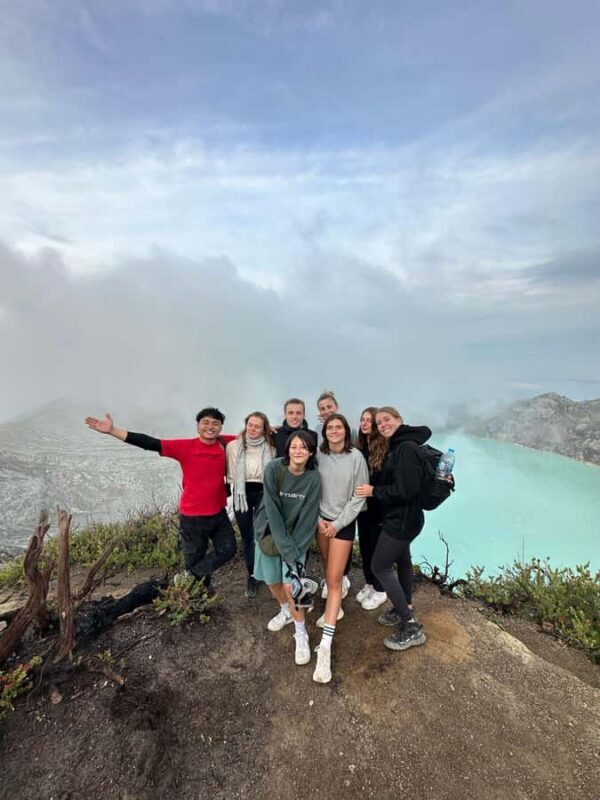
This tour suits you if you want to see Ijen before dawn, are comfortable with a strenuous uphill walk, and value having transport and equipment arranged. It is also a good fit if you want a guide to explain what you are seeing, especially the sulfur mining, rather than treating the crater as a quick photo stop.
It is a poor fit if you have low fitness, need wheelchair access, or have asthma, a heart condition, or a fear of heights and are considering the crater descent. Even if you are fit, the descent may not be allowed. The first Friday of each month is a closure day, and the blue fire remains dependent on natural and working conditions.
If you are coming from Bali, think hard about the travel time. The ferry and long road transfers make this an ambitious overnight outing. Staying in Banyuwangi can make the logistics easier, while the Bali pickup option trades convenience for a much longer trip.
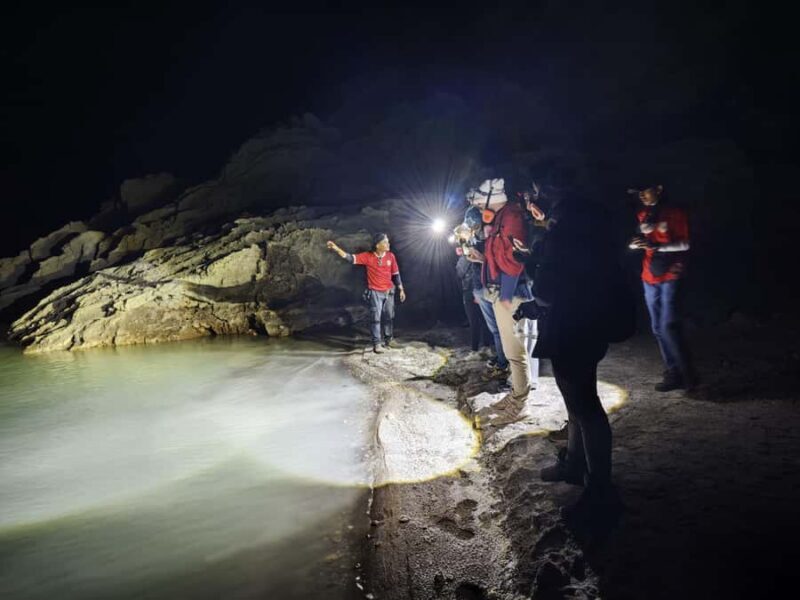
I would book this tour if I wanted a guided night hike and understood that the blue fire is a possibility, not a promise. Haqim and his team’s supportive style, the included safety equipment, and the chance to see both the crater and its mining work make the package appealing for the price.
Before booking, check the exact pickup and transport option, confirm the current crater access rules, and be honest about your fitness and health. Bring warm layers, sturdy hiking shoes, rain protection, snacks, cash, and medication. If you can accept an early start and a demanding climb, Ijen can reward you with a rare volcanic sight and a striking sunrise. If you need guaranteed flames or an easy walk, choose another outing.
“The tour was absolutely amazing! QimQim and his team makes every moment safe, full of fun and memories, regardless if you're a professional hiker o…”
No. It is a natural phenomenon, and visibility depends on conditions. Sulfur miners may also extinguish the flames while working.
The stated duration is 6 to 20 hours. The Banyuwangi schedule runs from a late-night pickup to a hotel return around 9 a.m.; the Bali option takes longer because of road and ferry transfers.
Hotel pickup is scheduled between 11 and 11:30 p.m. Pickups at Ketapang port or Banyuwangi train station should be ready at 11 p.m.
The group may descend if conditions allow. Access depends on sulfur fumes and safety, and the descent is steep, about 900 meters.
The tour information advises against it for people with asthma, heart conditions, or a fear of heights. The climb is also unsuitable for people with low fitness levels.
The tour includes a gas mask with respirator, a headlamp, and a safety kit with first aid supplies and an oxygen tank.
Bring warm clothing, hiking shoes, a jacket, rain gear, long pants, snacks, cash, and personal medication.
Round-trip transport from Bali and a ferry ticket are included if you select the Bali option. You cross the ferry from Gilimanuk to Ketapang yourself.
No. Mount Ijen is closed every first Friday of the month. Check your date before booking.
You can check availability for your dates here: