Physical Address
304 North Cardinal St.
Dorchester Center, MA 02124
Physical Address
304 North Cardinal St.
Dorchester Center, MA 02124

Compare Mutianyu Great Wall tour options, from early bus pickup to cable cars and toboggan rides, with practical advice on timing, costs and routes.
Mutianyu’s Wall climbs over forested ridges in a long run of stone, towers and sharp bends. This day tour takes the strain out of reaching it: a bus gets you out of central Beijing, and a scenic-area shuttle carries you up the final uphill road to the entrance. Then the Wall is yours to explore at your own pace.
I like two things here: four hours of free time gives you room to walk the ramparts rather than just pose for a quick photo, and the choice of a cable car or chairlift and toboggan lets you match the visit to your legs and sense of fun. Guides such as Michael, Angela and Flower have earned praise for clear instructions and attentive help, though the guide on your departure will vary.
The trade-off is that this is not a fully guided walk on the Wall. Your guide briefs the group, then you explore independently, and the return drop-off is at the National Art Museum of China subway station, not your hotel. Add a possible early start and optional ride fees, and the cheapest fare may not be the final cost.
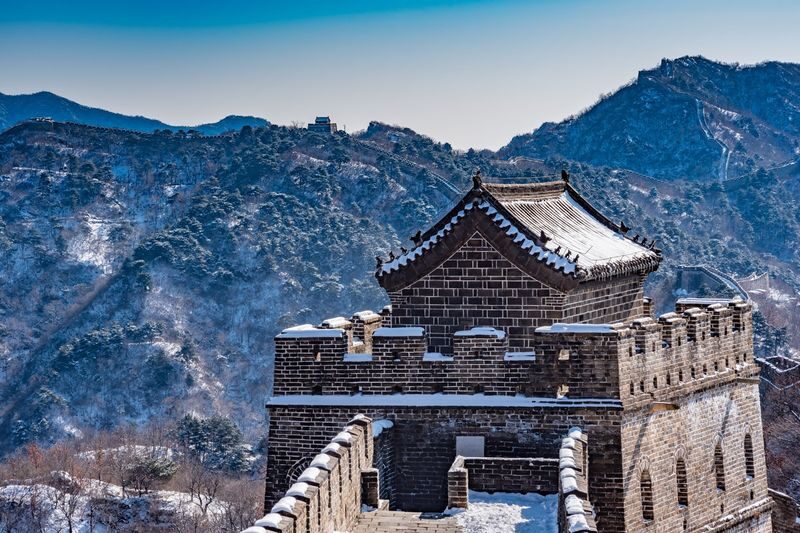
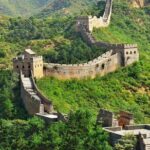
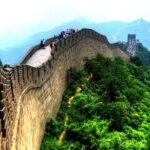
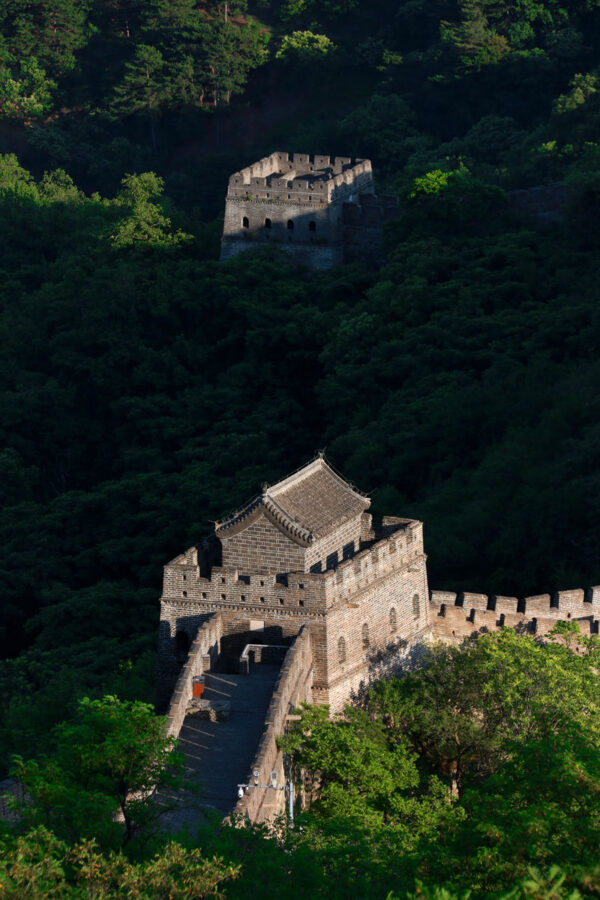
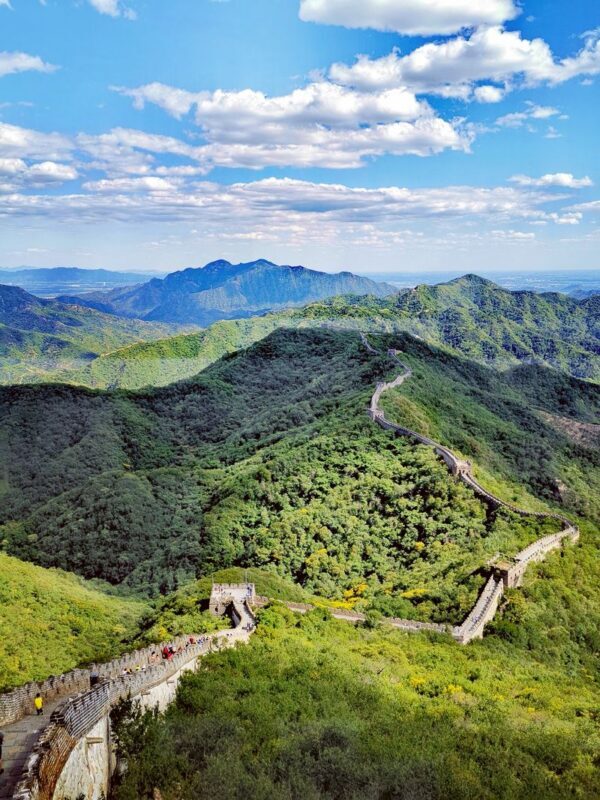
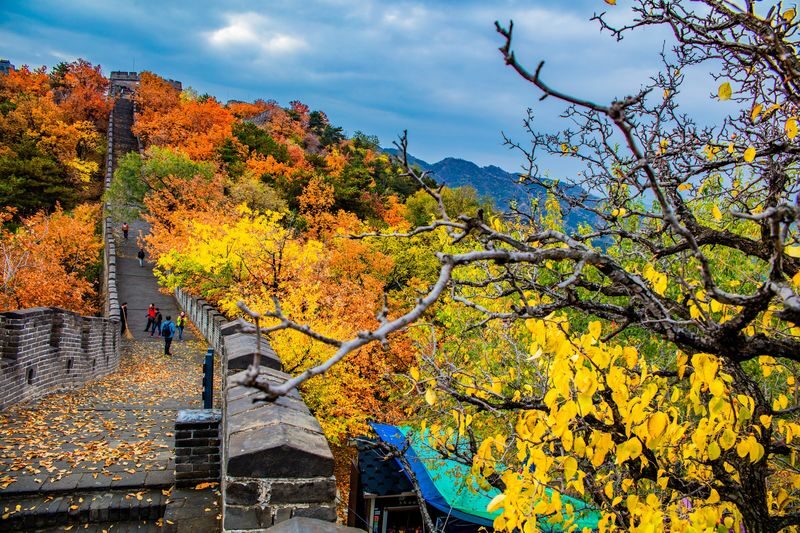
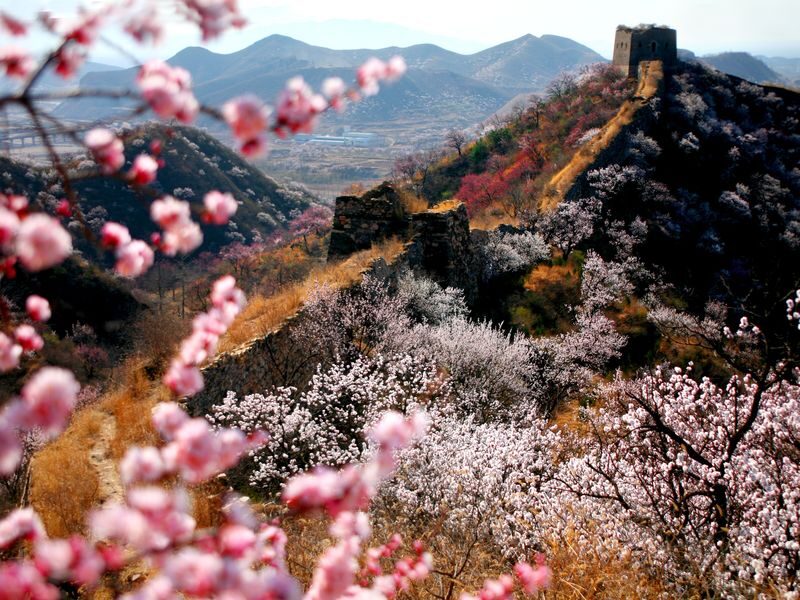
Mutianyu is a restored section of the Ming Great Wall, set among rolling mountains and forest. Its reported 90 percent forest coverage gives the approach a greener, more open feel than a bare ridge, while the Wall itself offers long views across the folds of Beijing’s outskirts.
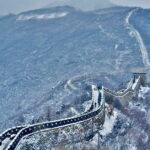
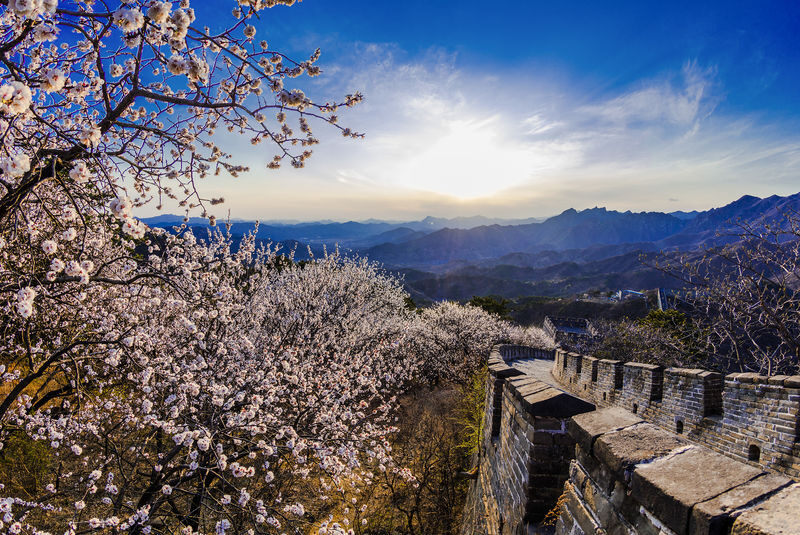
The section is known for twenty closely spaced watchtowers, three main passes and parapets on both sides. That double-sided design is part of what makes the walk memorable: you can look out across the mountains, then turn and see the Wall continue over the next rise. Mutianyu is also described as less difficult to climb and less crowded than some other sections, though the steep steps and uneven route still call for care and comfortable shoes.
The convenient thing about this tour is that it takes care of the long city-to-Wall transfer and the local shuttle. You spend less energy solving transport and more of your limited day on the stone ramparts. In exchange, you accept a fixed schedule and a self-guided visit, not a private historian walking at your shoulder.
Looking for more options in Beijing? Here are some other experiences worth considering.
Pickup runs between 7 and 8 a.m., with the exact time confirmed ahead of departure. Some packages collect from hotels within Beijing’s Third Ring Road; others meet in town. If your hotel is in a hutong or an area affected by traffic controls, pickup may be arranged within 500 meters instead of right at the door. The precise location is provided the day before, so read that message carefully and arrive ten minutes early.
The bus ride to the scenic area is listed at about two hours. That early start is useful: it helps protect the time you have at the Wall and can mean arriving before the day gets too busy. The group can range from one to fifty people, so expect a shared coach and a short round of instructions before you set off. Comfort and punctuality are frequently praised, though one practical warning is worth taking seriously: bus conditions can vary, and one passenger reported a strong smoke smell. If that would be a serious issue for you, consider raising it with the operator before departure.
On the way, the guide explains the route, meeting time and ride choices. English and Chinese bilingual group tours are common options, with separate Thai-language and private tours also offered. Named guides in accounts of the trip include Michael, Angela, Flower and Donna or Dona; names and language ability depend on the departure, so don’t book on the assumption that a particular guide will be there.
The approach is easy to underestimate. From the scenic-area gate to the ticket office is about 3 to 3.5 kilometers along an uphill mountain road. The tour includes the scenic shuttle, which takes about fifteen minutes and drops you where you can begin your Wall visit.
That transfer matters especially if you want to save your energy for the steps on the Wall, or are travelling with children or older relatives. It also makes the day less of a forced march before you reach the main event. Once you arrive, your guide gives a detailed plan, but the time on the Wall is independent. Keep your phone available if you need help, and note exactly where and when the group is meant to meet again.
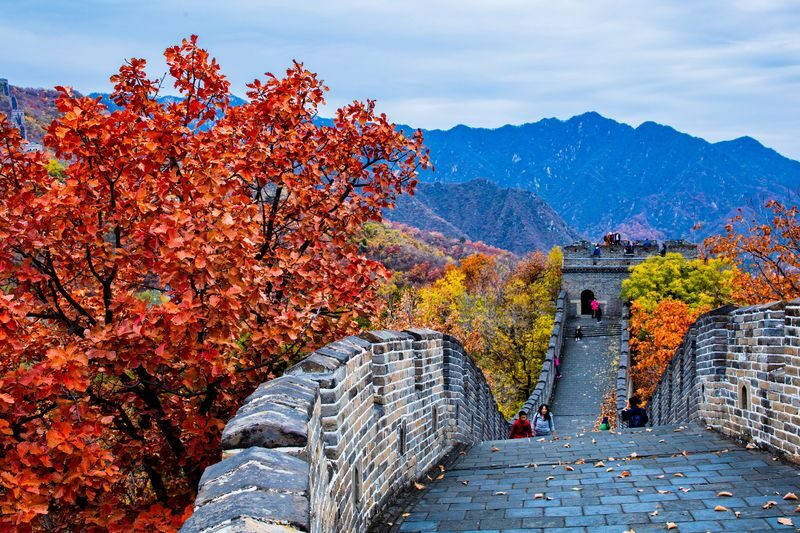
The four-hour stop is the heart of the day. It is generous compared with a quick photo stop, but it is not unlimited time to cover every tower. Decide on a route before you head off, and leave a comfortable margin to return to the meeting point.
Round-trip cable car, towers 14 to 20: This is the easiest option physically. The suggested route links Watchtower 14, a panoramic photo spot, with Watchtower 18, where three towers meet, and Watchtower 20, the highest point in this recommended section. It is a sensible choice if you want big views without a strenuous climb, or if mobility and stamina are concerns. The cable car is not included in base fares unless you choose a package that includes it.
Chairlift up, toboggan down, towers 1 to 10: This option adds a bit of theater to the transport. The open chairlift gives you broad views with your feet hanging in the air, and the toboggan provides a self-controlled ride back down. Suggested stops include Watchtower 1, the toboggan starting point, Watchtower 4, a major Ming-era pass, and Watchtower 10, near the entrance to the Jiankou Great Wall. It is a fun fit if the ride is part of the appeal, but the chairlift and toboggan are also extra unless included in your package. One practical tip from the trip accounts: do the toboggan first if you want to fit it in without leaving it to the last minute.
Shuttle access and hiking, towers 1 to 20: If you have good stamina, walking a longer section gives you the broadest sense of the Wall’s scale. Suggested landmarks include Watchtower 6, a lower point noted as family-friendly, Watchtower 12, a mid-route viewing platform, and Watchtower 15, known as a filming location for If You Are The One. The operator recommends trekking poles for this route. Four hours can go quickly across twenty towers, so choose a realistic turnaround point rather than turning the hike into a race.
The ride packages do not automatically mean you can cover both sides of the Wall. The cable-car suggestion centres on towers 14 to 20, while chairlift and toboggan access covers towers 1 to 10. Some trip accounts describe doing both sides, but your time, ticket and chosen package determine what is practical. Check the details at booking and follow the guide’s instructions at the site.
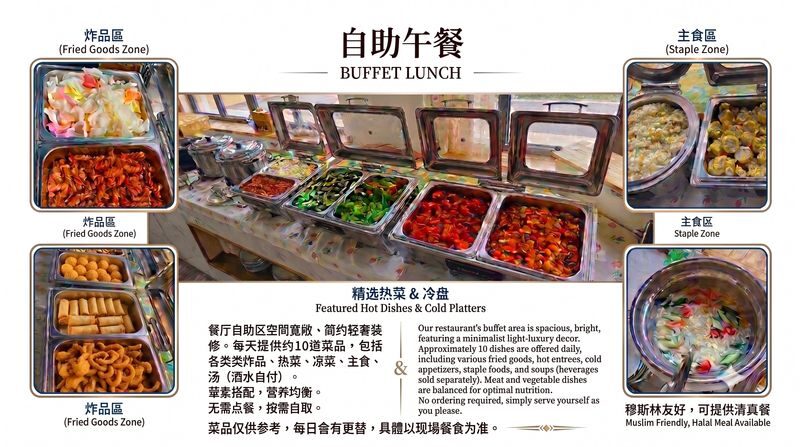
Lunch is a buffet only on packages that specifically include it. The meal may be a welcome break after the Wall, but expectations should be modest: it is a convenient group lunch, not the reason to choose the tour. Drinks and alcohol are not included, so bring money if you want something beyond what is provided.
The schedule places lunch after the Wall, followed by a return bus ride of about an hour and a half. The day is expected to end around 5 to 6 p.m. at the National Art Museum of China subway station in central Beijing. Traffic and weather can shift the timetable. This is a useful central endpoint, but do not count on being dropped back at your hotel. Only the outbound hotel pickup is included in pickup packages.
The advertised starting price is $12.85, while the listed package options begin at different prices, including group meet-up fares from $18.59 and pickup fares from $18.75. Treat those as starting points, not a like-for-like comparison. Group options vary by pickup versus meet-up, language, lunch and whether a cable car or chairlift-and-toboggan package is included. English and Chinese group options with a Wall ride and lunch start around $48 to $49 in the listed choices. Private tours cost much more, with listed starting fares above $120 and ride-and-lunch packages above $300.
For a fair comparison, add up the things you actually need: entry and shuttle are included, but cable car, ropeway and toboggan are not included unless your selected package says they are. The cheapest no-lunch fare may be good value if you are happy to arrange your own meal and walk. Paying extra for a ride bundle makes sense if you know you want that ride and prefer to settle more of the cost before arriving. Read each package label closely; a small difference in price can reflect a different transfer, meal or language service.
This is a good match if you want a straightforward way to visit Mutianyu without organizing the bus and local shuttle yourself. Families and older visitors may prefer the cable car route, while active walkers can use the four-hour stop to explore a longer stretch. The chairlift and toboggan option adds a playful finish, especially for anyone who wants more than a walk and photos.
It also suits visitors who like a clear plan but want room to explore independently. Guides are praised for practical instructions, clear English on some departures and attentive help with issues such as cable-car arrangements or a lost group member. The most useful part of the guide’s role may be less a running history lesson than making the day run smoothly: when to meet, which way to go and how to avoid wasting time.
Look elsewhere if you want a guide beside you for the whole walk, a hotel drop-off at the end, or an unhurried day with no fixed return time. This is a group outing, and the largest listed group size is fifty. Private tours offer a more tailored arrangement, but the prices rise sharply.
I’d book it if you value a reliable transport plan, a substantial block of time at the Wall and a choice between a gentle ride and a longer hike. The strongest value is in the included city transfer, entrance and scenic shuttle, plus a guide who gets the group pointed in the right direction. The Wall is the main event, not the buffet.
Before paying, decide whether you want pickup or a central meeting point, whether lunch matters, and which ride route best fits your pace. Confirm what your chosen fare includes, then plan your four hours around one section rather than trying to conquer every tower. If that sounds like your kind of day, Mutianyu is a rewarding, practical choice.
“great tour! good looking view and great guide!”
The schedule allows about four hours at Mutianyu. The visit is self-guided after the tour guide explains the route and plan.
Some packages include one-way hotel pickup, generally within Beijing’s Third Ring Road area. The return is at the National Art Museum of China subway station, not at your hotel. Meet-up packages require you to get to the stated meeting point.
Pickup is scheduled between 7 and 8 a.m. The return to the National Art Museum of China subway station is expected between 5 and 6 p.m. Traffic and weather can affect these times.
Not in the basic fare. They are included only in package options that specify a round-trip cable car or chairlift and toboggan.
The round-trip cable car is suggested for towers 14 to 20 and requires little physical effort. Chairlift and toboggan packages suit towers 1 to 10. The longer shuttle-access hiking route covers towers 1 to 20 and is recommended for people with good stamina.
Only if your selected package says it includes a lunch buffet. Drinks and alcoholic beverages are not included and must be purchased separately.
No. The guide gives a detailed explanation and route plan, then the Wall visit is free time. Mobile guidance is available if you have questions during the visit.
Yes. Infants and children must be included in the passenger headcount. Children under 120 centimeters in height can receive free admission, with eligible refunds handled by the guide on site.