Physical Address
304 North Cardinal St.
Dorchester Center, MA 02124
Physical Address
304 North Cardinal St.
Dorchester Center, MA 02124

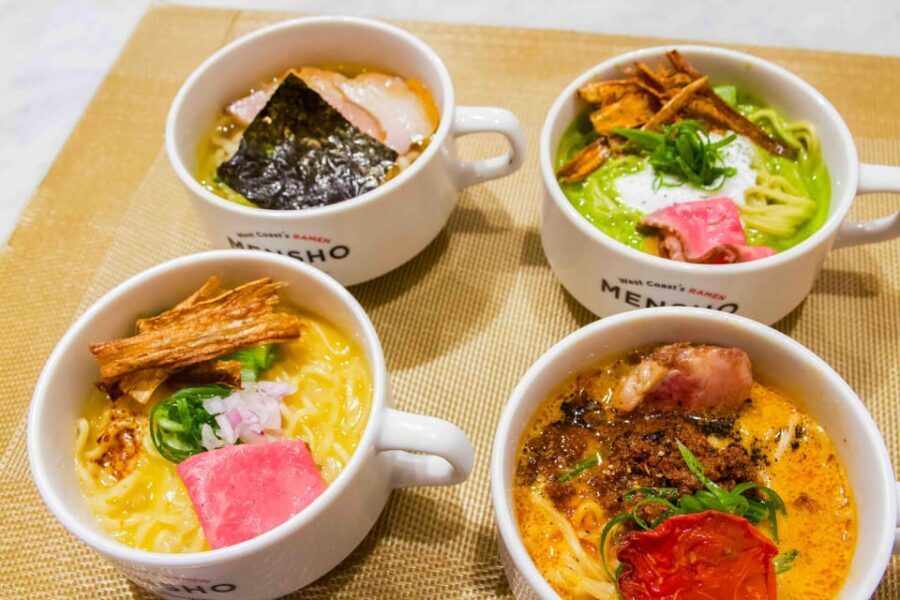
Taste six mini ramen bowls at three Tokyo shops, compare regional styles, and learn ramen history on a small-group walking tour.
Tokyo’s ramen styles are far more varied than one steaming bowl of noodles might suggest. This three-hour tour makes the differences easy to taste: you choose six mini bowls from a menu of 11 or 12, then compare them at three distinctive ramen shops.
I like two things in particular: the small portions let you try styles you might not order as a full meal, and the guide’s explanations connect each bowl to ramen’s regional roots and changing recipes. The walk between shops also gives your appetite a little breathing room.
The main caveat is the price: $122 is a sizable spend for a meal, even with six tastings and a drink included. You’ll also walk about three kilometers, and every broth contains chicken, pork, and fish, so this is not suitable for vegetarians or vegans.
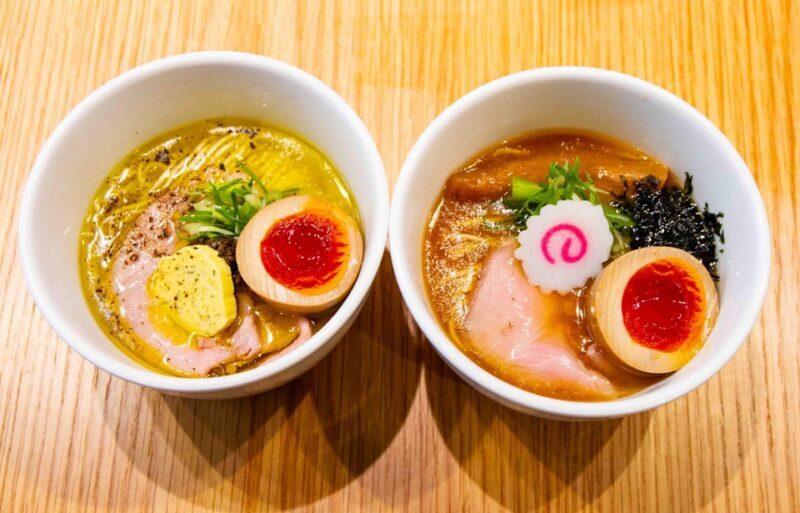
A regular ramen bowl is a commitment. Six of them would be a culinary dare, not a sensible tasting. These portions are roughly one-quarter of a full bowl, a size made for the tour, so you can sample several broths and noodle styles without turning the afternoon into a noodle endurance test.
You choose six from a selection of 11 or 12. The usual arrangement is two choices at each shop, though the exact selection depends on the route and what is offered. That element of choice matters: if you are curious about a creamy chicken broth, a curry variation, or a dipping style, you can steer your tastings toward what interests you.
The tour visits three award-winning ramen shops, each with its own approach. That variety is the point. Rather than simply eating at three convenient restaurants, you compare what makes one bowl different from another: broth, seasoning, noodles, and the broader regional tradition behind them.
Do not mistake mini for negligible. Six samples, a drink, and time between stops add up to a substantial meal. One useful tip is to keep lunch light, especially if you like finishing every bowl. Several styles can be quite filling, and walking helps, but it does not make room for endless noodles.
For more Tokyo culinary adventures, you might enjoy these food and drink experiences
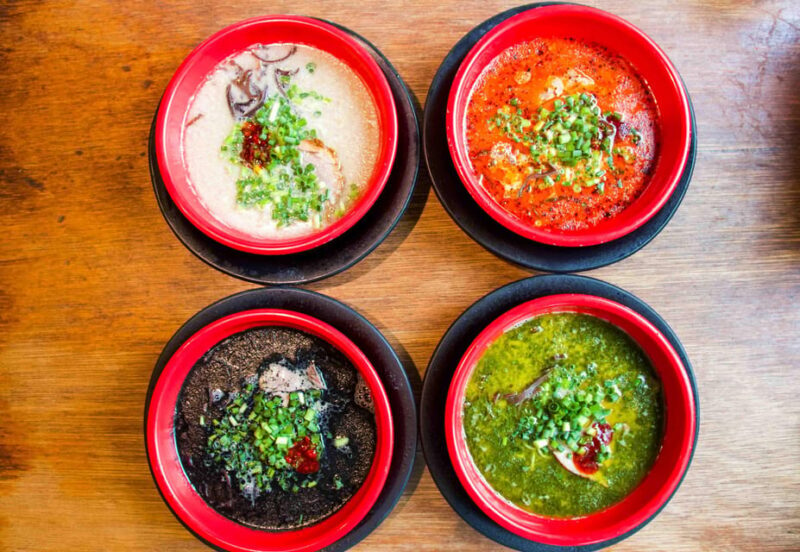
The route changes with the option booked, so check the neighborhood and style list before reserving. Shibuya, Shinjuku, and Ueno each offer a different set of ramen traditions, and the tour’s endpoint can vary as well.
On the Shibuya route, the lineup begins with classic Hokkaido ramen, then moves to fusion tonkotsu, a pork-bone style, and savory curry ramen. That progression gives you a taste of a familiar regional tradition alongside newer combinations. Curry ramen is especially useful as a reminder that ramen is not one fixed recipe; cooks keep finding ways to make the bowl their own.
The Shinjuku route pairs classic Tokyo ramen with modern tori paitan, a rich chicken ramen, followed by a luxurious chicken or fish ramen. It is a good choice if you want to compare a more traditional bowl with contemporary broths that can feel creamy or especially full-bodied.
The Ueno route includes classic Kyushu ramen, contemporary tsukemen, and modern Tokyo ramen. Tsukemen is served as dipping ramen: noodles and broth arrive separately, and you dip the noodles rather than eating them in a single soup bowl. If you have only tried the usual noodle-and-broth format, this stop offers a clear change in texture and eating style.
These are not interchangeable itineraries. The selection you taste depends on the route you book, so look closely at the styles listed for that option. The meeting point may vary, too; the tour is described as starting in Shibuya and ending in Ebisu, or ending in Shinjuku depending on the day. Confirm your exact meeting and finishing details when choosing a date.
Ramen is easy to eat and harder to sort out. A guide helps you notice why two bowls that look similar can taste quite different, and gives you a framework for recognizing styles later in your trip. The tour uses colorful slides and handouts to explain ramen’s origins, types, and preparation, rather than relying on a string of names you may forget as soon as the noodles arrive.
Guides have included Bunga, Sahori, Makayla, Daisy, and others. The named guide can vary, but the experience is built around an English-speaking guide who can explain the food and answer questions. Some guides use a tablet or visual presentation, which helps make the history and regional distinctions easier to follow.
The most useful part is not memorizing every broth label. It is learning what to look for: how a broth’s base changes its flavor and weight, how noodles work with the soup or dipping sauce, and how regional styles influence a shop’s choices. After three stops, you are better equipped to choose a ramen shop on your own, rather than picking at random from a menu.
The guide can also add useful Tokyo context along the way. You may get neighborhood pointers and practical suggestions beyond ramen, though the focus remains on the food. For a first visit, that mix of tasting and local orientation can make the tour more useful than a meal alone.
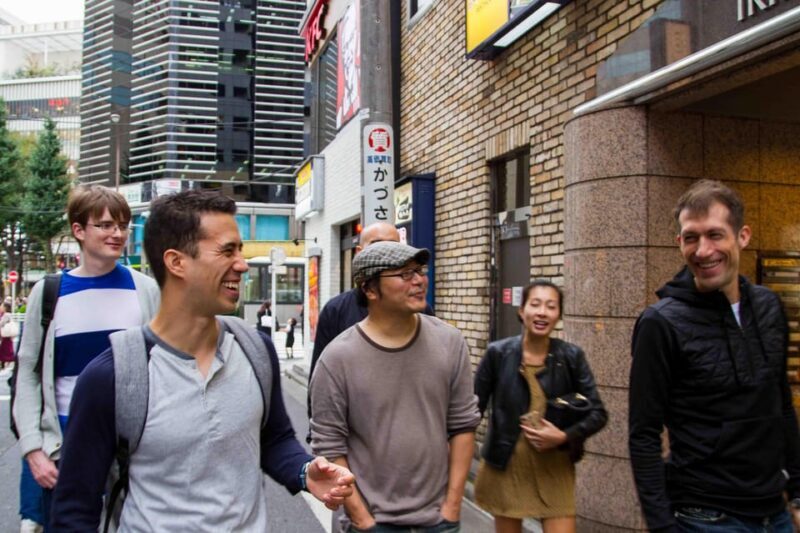
Plan on about three kilometers of walking over the three hours. The route links the shops and neighborhoods, giving you time to digest and talk between tastings. The walk is not an incidental detail: it helps break up a generous amount of food and gives the outing a sense of place.
Some routes may involve train travel, and any required train ticket is not included. The tour’s information also notes travel by foot and subway, so carry a transit card or be ready to pay separately if your chosen route needs one. The exact route and meeting point vary, so do not assume every departure follows the same path.
Three kilometers is manageable for many people, but the tour is not recommended if you have a low level of fitness. Wear comfortable walking shoes and consider weather when planning, since you will be moving between restaurants rather than staying indoors for the full three hours. A rainy day can make the walk less pleasant, though the route itself is designed to connect the stops.
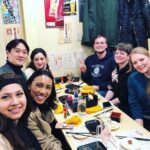
The group is limited to eight participants. That small size should make it easier to hear the guide, ask questions, and discuss the bowls without the feel of a large food-tour procession. It can also mean the social character depends on who else has booked that day.
More Great Tours Nearby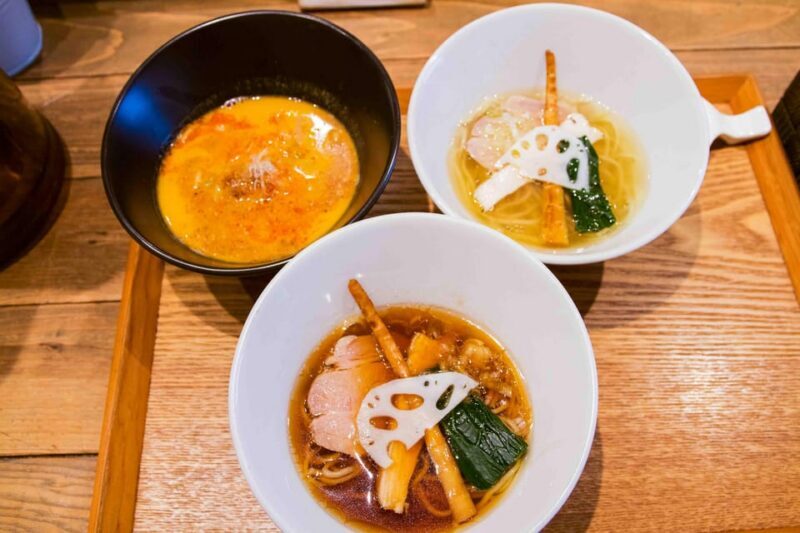
At $122 per person, this is not a budget meal. You are paying for six custom-size tastings at three shops, one beverage, an English-speaking guide, the educational material, and the work of linking the stops into a single experience. A train ticket, if needed, costs extra.
The fairest comparison is not the price of one regular ramen bowl. You are sampling many styles that would be difficult to order in full portions in one sitting, and you get a guide to explain what you are tasting. If you already planned to visit several ramen shops and are comfortable researching menus and styles yourself, you may prefer to spend less and do that independently.
But if ramen is a trip priority, or you want a useful introduction before exploring Tokyo’s many noodle shops, the price has a stronger case. The small portions reduce the risk of ordering a full bowl you do not love, while the route and explanations save you the effort of identifying a varied set of places on your own.
The tour’s 4.9 rating from 432 reviews is notably high. The praise centers on the guides’ enthusiasm and explanations, the range of ramen, and the chance to find shops you might not have chosen alone. The recurring reservation is cost, and a few people find the total amount of food more than expected. Both points are worth taking seriously: it is a special-interest outing, not a cheap way to eat lunch.
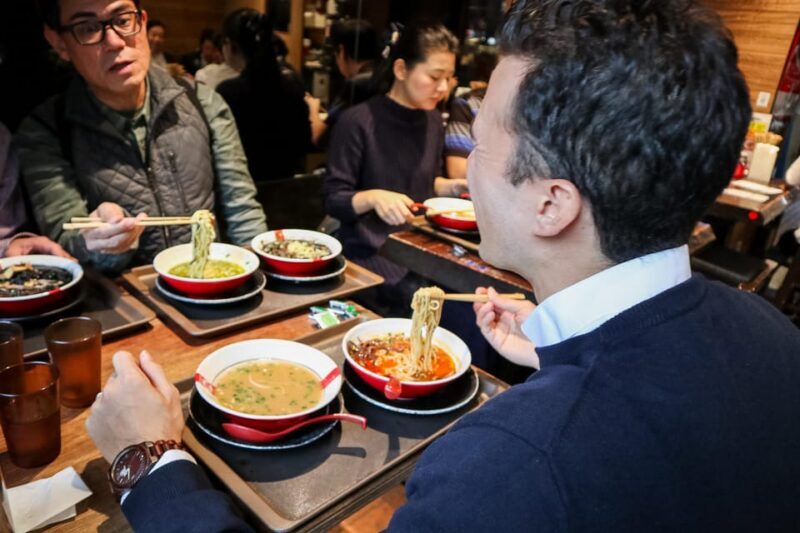
This is a strong fit if you love ramen and want to understand how much the category can vary. It also works well for curious eaters who have only tried a few standard styles and would like a guided introduction before ordering independently around Tokyo.
Families can consider it, too. A guide has led a group that included a nine-year-old, and the tasting format can make trying different bowls more approachable. Still, the walking distance and six portions may be a lot for a child, so think about your group’s stamina and appetite.
It is less suitable if you need a vegetarian or vegan meal. All the ramen broths contain chicken, pork, and fish, and the tour specifically directs vegetarians and vegans to a separate vegan and vegetarian ramen tasting tour. Do not assume you can simply skip a broth or substitute a plant-based option here.
I would also pass if you dislike walking, want a quiet sit-down meal, or are mainly looking for the cheapest possible ramen. This is an active, social tasting with a learning component. Its value lies in the range and explanation, not in the number of full-size bowls you get.
“Sahori was fantastic, her English was perfect having lived in the US for many years. We got lucky with only two of us on the tour and got a chance …”
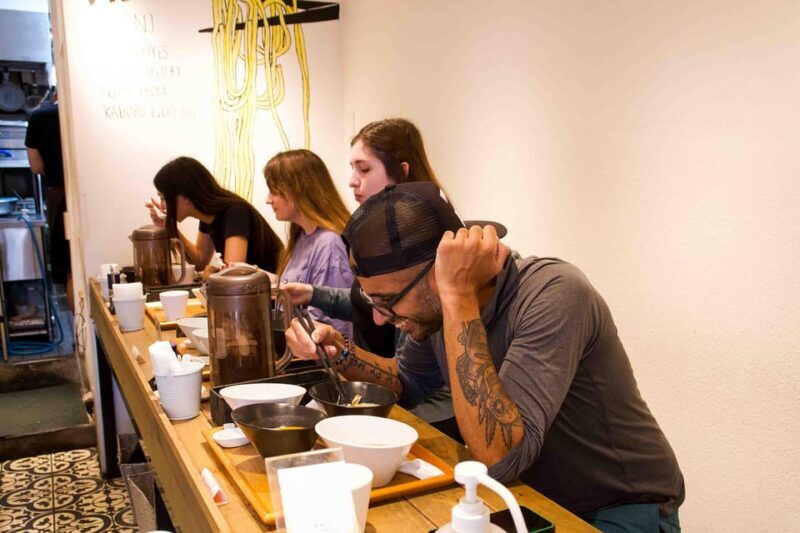
You sample six mini bowls, chosen from a selection of 11 or 12 options. Each mini bowl is about one-quarter the size of a full ramen bowl.
The tour lasts three hours. Starting times depend on availability.
Routes include Shibuya, Shinjuku, or Ueno, depending on the option booked. The meeting point may vary, and the tour is described as ending in Ebisu or Shinjuku depending on the day.
Yes. The tour includes one beverage as well as the six mini bowls.
No. All the ramen broths contain chicken, pork, and fish. Vegetarians and vegans are directed to a separate vegan and vegetarian ramen tasting tour.
The tour involves about three kilometers of walking and is not recommended for people with a low level of fitness. A train ticket may also be required and is not included.
You can check availability for your dates here: