Physical Address
304 North Cardinal St.
Dorchester Center, MA 02124
Physical Address
304 North Cardinal St.
Dorchester Center, MA 02124

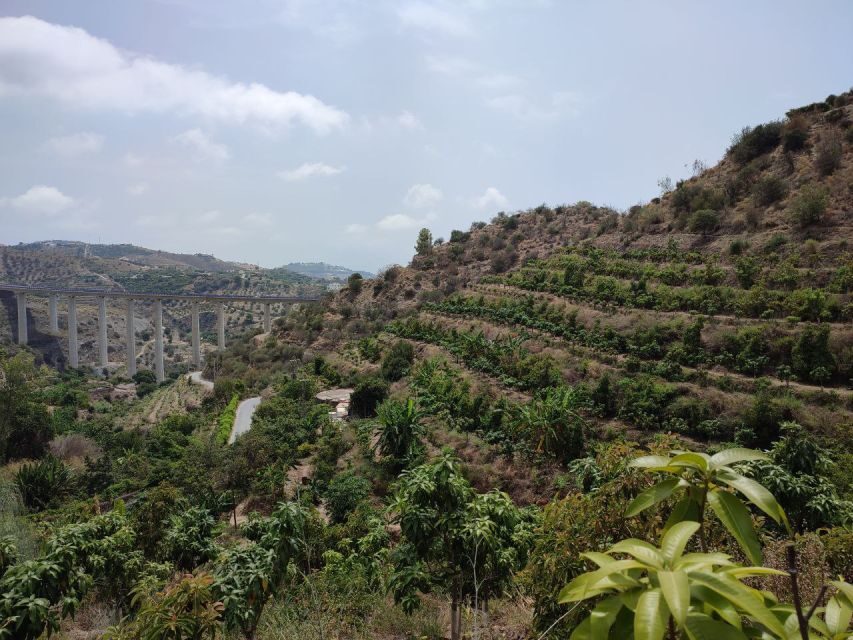
Visit La Herradura’s unusual coffee and fruit farm near Nerja for a guided walk, farming insights, seasonal produce, and Mediterranean views.
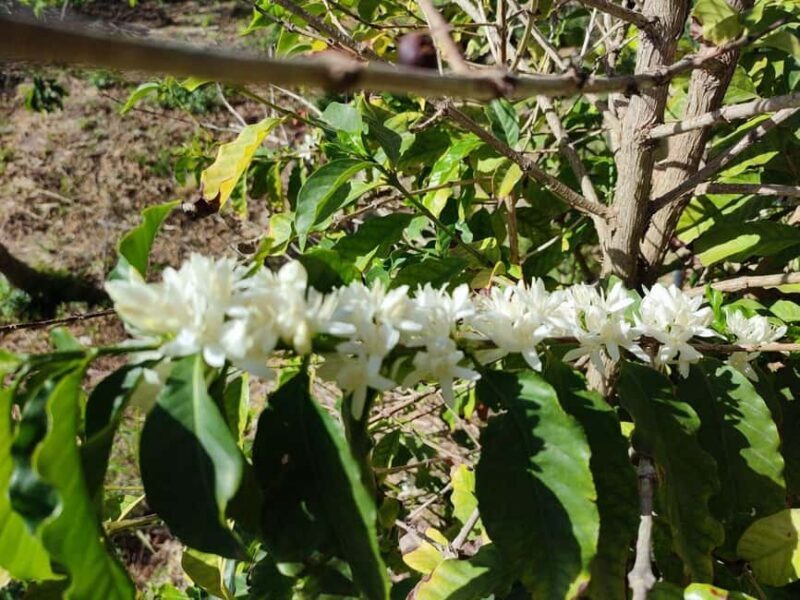
Europe’s only coffee farm is not a grand estate of endless coffee rows. It is a working family farm near La Herradura, where coffee grows alongside mangoes, avocados, dragon fruit, lychees, and other crops that suit this unusual corner of Andalusia. On a guided walk, owner Manuel explains how the farm works and why growing tropical plants here takes care and experimentation.
I like two things in particular: the mix of coffee and fruit crops makes the walk more varied than a standard plantation visit, and the talk about water use and soil care gives you a useful look at the challenges behind organic farming. One consideration: the route has two steep sections, so this is not a good fit if walking uphill is difficult.

The farm’s claim to fame is unusual: it is described as Europe’s only coffee farm. That makes the visit a chance to see coffee as a crop rather than as a finished drink on a café counter. You can look at the plants and hear what it takes to grow them in this setting, where a Mediterranean climate and local conditions make tropical agriculture possible, but not effortless.
The farm is also much more than coffee. Its productive plants sit among a varied collection of tropical fruit trees and other crops, including mango, avocado, chirimoya, dragon fruit, lychee, banana, papaya, and sugar cane. The exact selection you see, and whether fruit is ready to eat, will depend on the season. A mango may be hanging overhead one month and nowhere near ripe the next.
That variety gives the visit its character. Instead of focusing on one crop, Manuel can explain how different plants grow, what they need, and what the farm is trying to cultivate. The farm’s oldest mango tree and centennial chirimoyas are particular points of interest, while the mention of a low-water avocado plantation hints at the practical thinking behind the planting choices.
Looking for more options in La Herradura? Here are some other experiences worth considering.
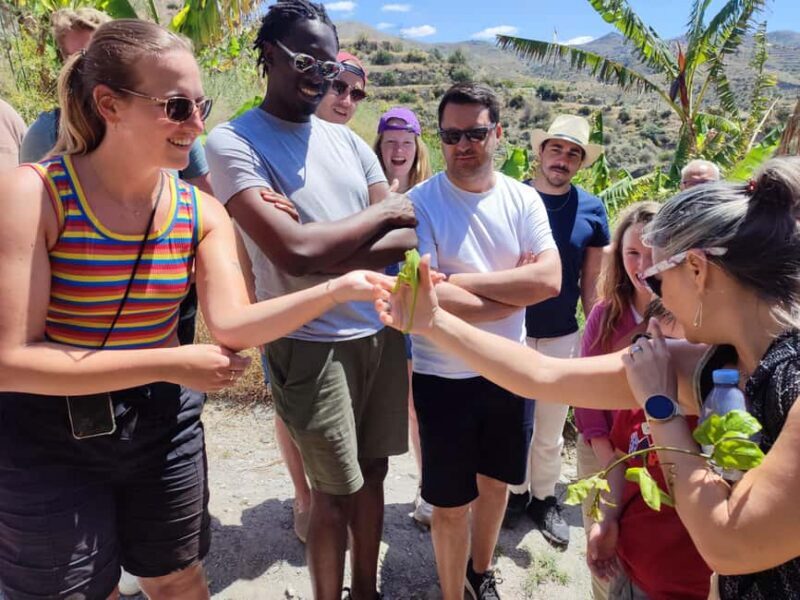
The main event is a guided walk through the plantation. Manuel, the owner, leads many of the tours and brings the subject back to the family farm: its past, its current work, and the plans still taking shape. His approach is warm and humorous, with stories and explanations woven into the walk rather than delivered as a formal lecture.
That personal connection matters here. You are not simply looking at rows of trees with labels. You hear about the decisions behind the crops and the effort required to make them productive. Manuel’s enthusiasm is a large part of the experience, and his easy, funny style helps keep the tour engaging for adults and children alike.
The tour is listed at 70 minutes, while descriptions of the walk and accounts of visits suggest you may spend closer to an hour and a half. Treat the shorter duration as a guide rather than a promise that you will be back in exactly 70 minutes. The route includes two steep areas, but pauses and chairs are available. It is still a walk on sloping farm ground, so wear comfortable shoes and be realistic about your fitness.
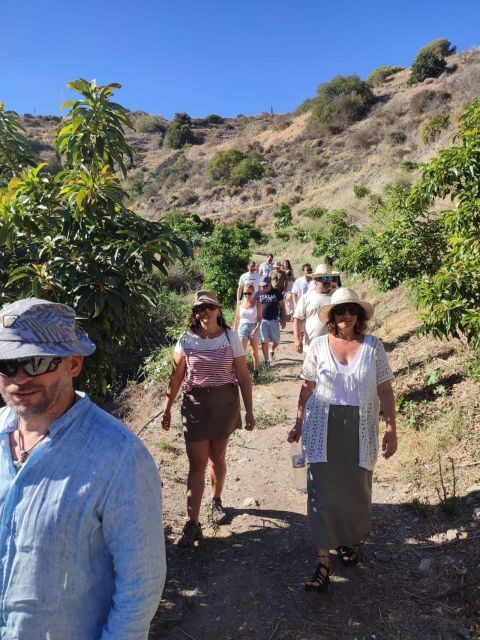
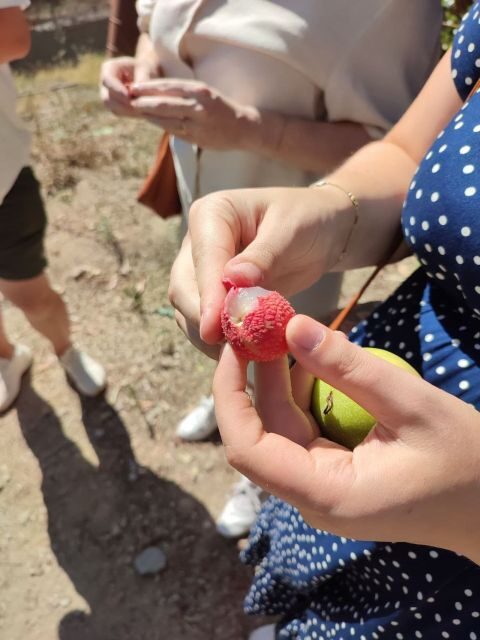
The variety of crops is one of the farm’s best reasons to visit, especially if you have never seen these fruits growing. You might know mangoes and avocados from a market stall, but here you can see the plants themselves and learn how their needs differ. Manuel also talks about less familiar crops, and about trying out new species rather than relying on a single harvest.
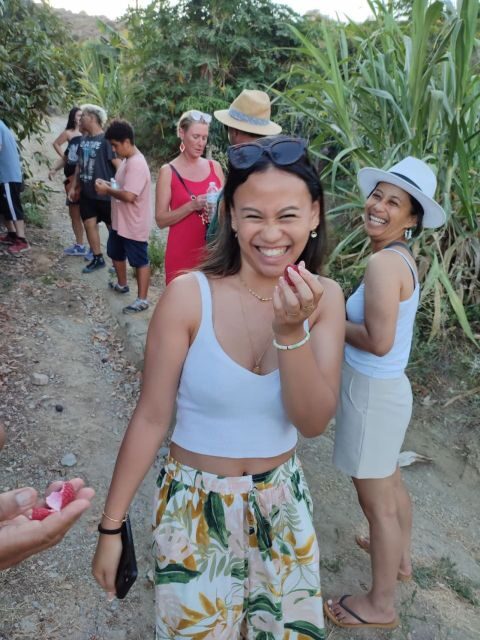
The farm’s range includes dragon fruit trees, lychees, sugar cane, and fruit trees of long standing. The dragon fruit offers a memorable example of how growing conditions shape farm work: its flowers open at night, and pollination can require attention outside ordinary daytime hours. You do not need to be a horticulture enthusiast to enjoy these details. They make the practical work behind a familiar piece of fruit easier to picture.
Fruit sampling may be part of the visit, and some tours include fresh produce. But do not arrive expecting a set tasting menu or a guaranteed mango straight from the tree. Harvests are seasonal, and the availability of ripe fruit changes. Coffee sampling is also not something to count on as a formal part of every tour. The farm’s roasted coffee is sold at the end, so you can take some home if you want to try it later.
The tour’s farming discussion is more than a quick mention of organic methods. You can ask about the difficulties of developing an organic farm in this environment, and hear about efforts to use water carefully, improve soil, and apply permaculture principles. These topics give the walk substance: the farm is not just a scenic collection of unusual plants, but a working project with real limits to manage.
Water use is especially useful context in a dry region. The farm needs to support crops with different requirements while making sensible use of a precious resource. The focus on water optimization and soil regeneration helps explain why crop choices and planting methods matter. You come away with a clearer idea of the care involved, not simply a list of fruit names.
The farm’s mixed planting also offers a contrast with monoculture. The goal is to grow a broad selection of plants and work with the land in a more regenerative way. This is an evolving family operation, not a polished agricultural show, and that is part of its appeal. You see ingenuity and hard work alongside the crops, and you hear about the challenges as well as the successes.
More Great Tours Nearby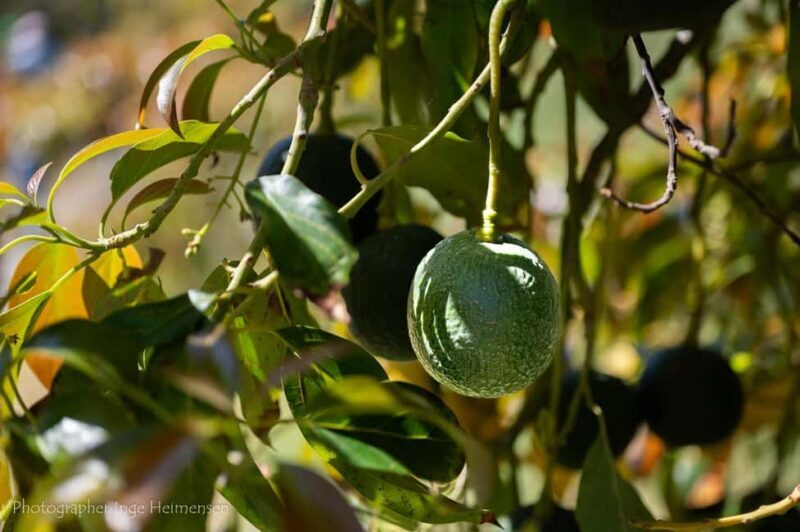
La Herradura’s setting adds a welcome scenic element. The farm is framed by hills and the Mediterranean, with views that make the walk feel distinctly Andalusian. It is an agricultural outing, but not one that shuts out the surroundings. The sea views and outdoor setting are part of the pleasure, particularly if you want a break from beach time without spending a full day on a distant excursion.
The ground is not entirely easy-going. Two sections are steep, and the tour is specifically not suitable for wheelchair users or people with mobility impairments. It is also listed as unsuitable for people with a low level of fitness, heart problems, or insect allergies. If any of those apply, it is wise to choose another activity rather than assume the pauses and chairs will make the route manageable.
Bring comfortable shoes, and consider sun protection in warm weather. The walk is outdoors, and the route’s hills make proper footwear more important than they would be on a flat garden path. Littering, smoking, and making fires are not allowed.
The walk finishes at a 300-year-old Andalusian cortijo, a traditional farmhouse setting that gives the tour a sense of place beyond the crops. Here you can buy seasonal fruit, local products, and coffee roasted by the farm. It is a useful ending: rather than leaving with only a few photographs, you have the option to take a piece of the farm’s work home.
Purchases are optional, and food and drinks are not included in the tour price. The farm may have fresh fruit available, but the selection naturally depends on what is in season. If you are mainly coming to taste specific fruit, ask in advance what is likely to be ready during your visit.
At around $17 per person, the tour is good value if you want a guided outdoor activity with real local character. You get more than a quick look at coffee plants: the walk covers a broad range of fruit crops, the family story, and the practical side of organic farming. The owner’s role as guide gives the experience a directness that is hard to replicate with a generic audio guide.
The value depends partly on what you expect. This is not a coffee-tasting class, a long agricultural workshop, or a flat stroll through a landscaped garden. It is a short farm walk, with some hills, a guide who likes to explain his work, and a chance to buy what the farm has produced. If you are curious about plants, local agriculture, or the people building a small business, the price feels fair. If your main goal is a guaranteed tasting of several coffees or ripe fruit, check what is included before booking.
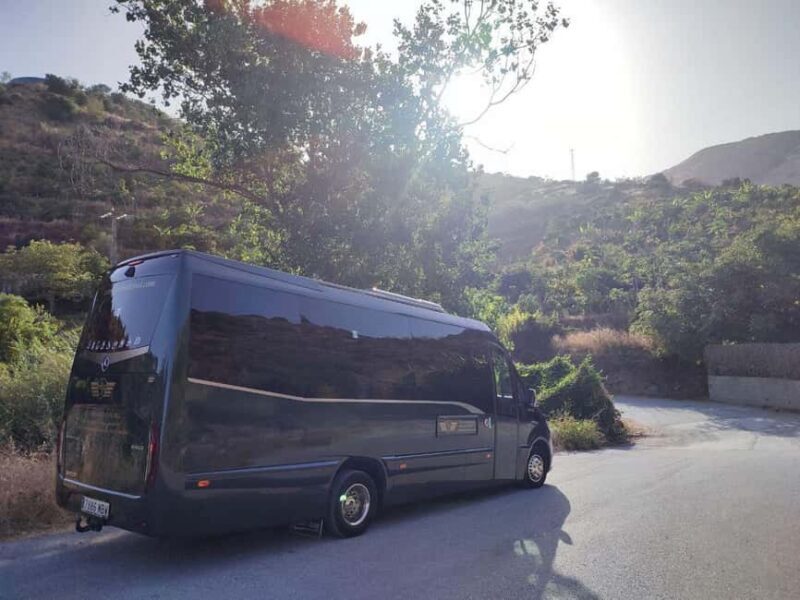
The experience is close to La Herradura beach and described as about 10 minutes from Nerja. That makes it an easy outing to pair with a stay in the area, though you should plan your own transport. Hotel pickup and drop-off are not included. One visitor who walked from La Herradura took about 30 to 35 minutes in the morning, while another found return transport needed extra planning. If you rely on a taxi or app-based ride, arrange the return before you go; Manuel has sometimes helped visitors find a local taxi, but that should not be treated as a guaranteed service.
I would recommend it to curious families, plant lovers, coffee fans, and anyone who likes meeting the people behind a local business. Children can enjoy the unusual fruit and the hands-on explanations, though parents should keep the hills in mind. The guide’s humor and willingness to answer questions help the tour work for people who do not usually seek out farm visits.
It is also a good choice if you want a change of pace from the Costa del Sol’s beaches and resort routines. You get scenery, a walk, and a closer look at what can grow in this part of Spain. The most rewarding part may not be the coffee itself, but the combination of crops, family history, and the persistence needed to make a diverse organic farm work.
Book it if you want a personal, informative farm visit and are comfortable walking on uneven, sloping ground. Manuel’s enthusiasm, the range of fruit crops, and the discussion of sustainable methods make this more than a novelty stop for coffee fans. It is also a thoughtful way to support a small family operation.
Skip it if you need step-free access, have difficulty with hills, or want a guaranteed coffee tasting as the main event. Before you go, confirm the meeting point, since it can vary by booking option and is not necessarily the same as the end point. With that sorted, this is a distinctive, good-value outing near Nerja and La Herradura.
“It was a wonderful experience and I can only recommend this visit. Manuel is a very knowledgeable and kind person and you feel that he is fully ded…”
The tour is listed as 70 minutes. Some visits take closer to 90 minutes, so allow a little extra time.
You can see coffee plants and up to 30 types of exotic fruit, including crops such as mango, avocado, dragon fruit, lychee, and sugar cane. What is fruiting depends on the season.
No. The farm has two steep areas, and the tour is not suitable for wheelchair users or people with mobility impairments.
Wear comfortable shoes. The route includes steep sections, and the tour takes place outdoors.
The tour information lists English, French, Spanish, and German. English and Spanish are also specified for the guided tour, so confirm the language available for your chosen time.
No. Hotel pickup and drop-off are not included. Confirm your meeting point before setting out, and plan how you will get back.
You can check availability for your dates here: