Physical Address
304 North Cardinal St.
Dorchester Center, MA 02124
Physical Address
304 North Cardinal St.
Dorchester Center, MA 02124

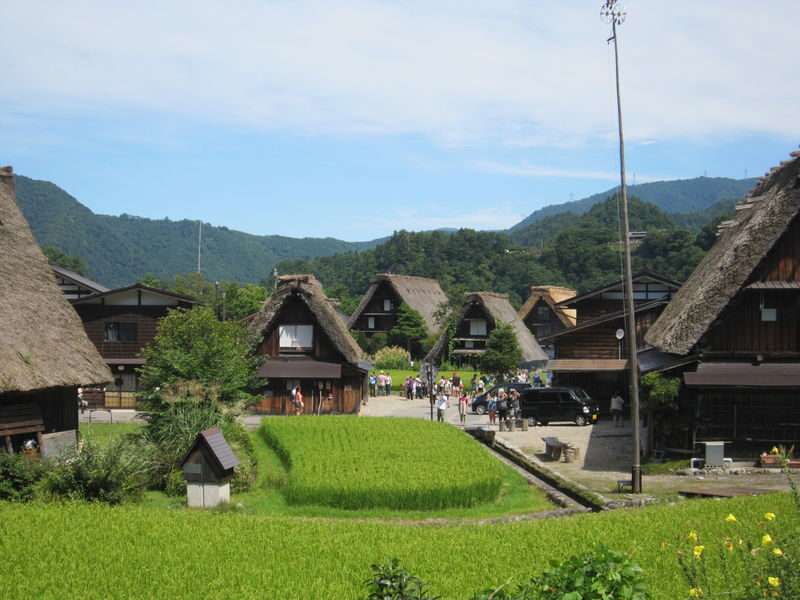
Visit Shirakawa-go and Gokayama from Kanazawa by bus, with an English-speaking guide, included lunch and time to explore both villages.
Shirakawa-go’s steep thatched roofs are the headline, but the day gets more interesting when the bus carries you on to Ainokura, a quieter Gokayama village. I like that you can see two World Heritage villages without sorting out rural bus connections, and that lunch is included rather than left to chance.
I also like the generous time set aside for exploring on your own. The trade-off is an early start and a full day shaped by the bus schedule, so this suits you best if you value convenience over lingering wherever you please.
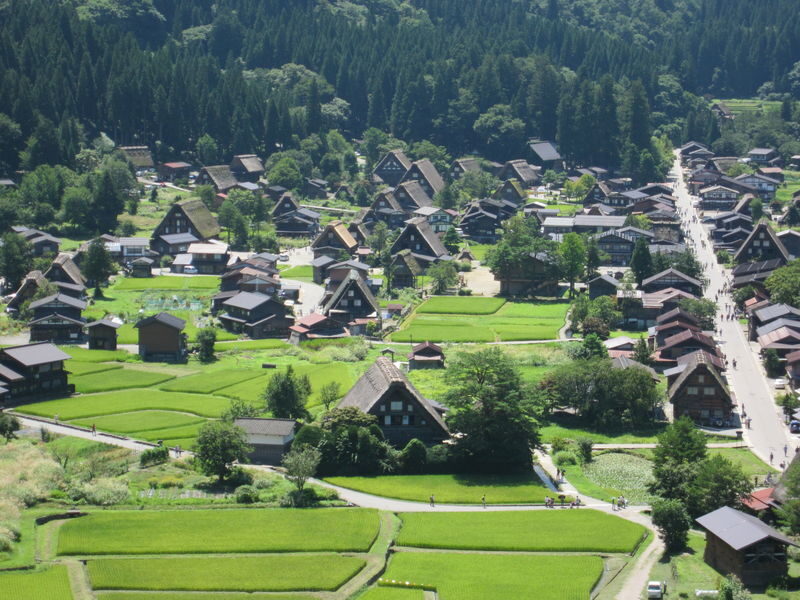
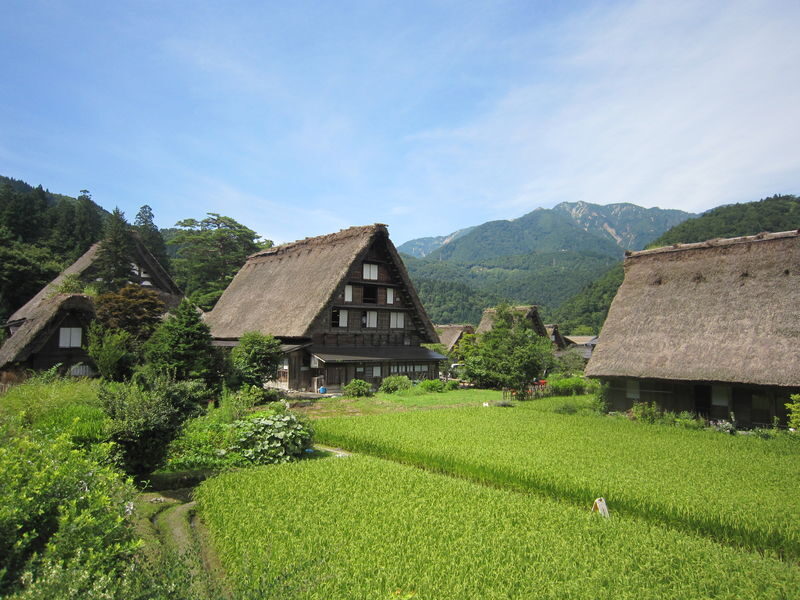
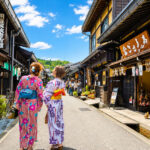
The main version of this day trip pairs Shirakawa-go with Gokayama’s Ainokura village. Both are known for gassho-style farmhouses, whose sharply pitched thatched roofs are designed to shed heavy snow. That distinctive roofline makes for an unforgettable first impression, but the villages are more than a photo stop: you can walk among the old houses, notice how they sit within the mountain setting, and get a sense of how remote communities made daily life work.
Shirakawa-go is the larger, better-known stop. It has more visitors and more to fill your free time, while Ainokura is a smaller village that offers a calmer change of pace. I think the pairing is the tour’s strongest idea. You see the famous place, then get a chance to appreciate a second village without spending the whole day in one crowded spot.
There is an important booking detail here: Gokayama and Hida Takayama are alternate packages, not three stops on one route. The schedule described for the Gokayama package includes Shirakawa-go and Ainokura. The Takayama option visits Shirakawa-go and the preserved old town of Takayama instead. If you have a particular place in mind, check the package name before booking. A few minutes of attention here can save a day of disappointed expectations.
Looking for more options in Ono District? Here are some other experiences worth considering.
The meeting point is the group bus stop at Kanazawa Station’s Kanazawa Port Exit, also called the West Exit. It is on the right side of the taxi stand, roughly a one-minute walk from the exit, and is not the Kenrokuen Entrance on the east side. The station has more than one exit, so follow signs for the Group Bus Stop rather than assuming the first bus area you see is the right one.
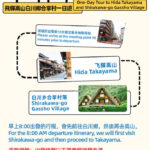
Plan to arrive by 7:50 a.m. for meeting and registration. The bus is scheduled to leave at 8:00 a.m., and late arrivals who miss it are not eligible for a refund. That is an early start, but it gives the tour a workable day for reaching both villages and returning to Kanazawa at about 3:45 p.m.
The drive is part of the practical value. These rural stops can be awkward to connect by public transport, especially if you want both villages in one day. Here, you can settle into a bus while the tour conductor gives information in English and Japanese. The route and timing may change with traffic or weather, so treat the schedule as a plan rather than a minute-by-minute promise.
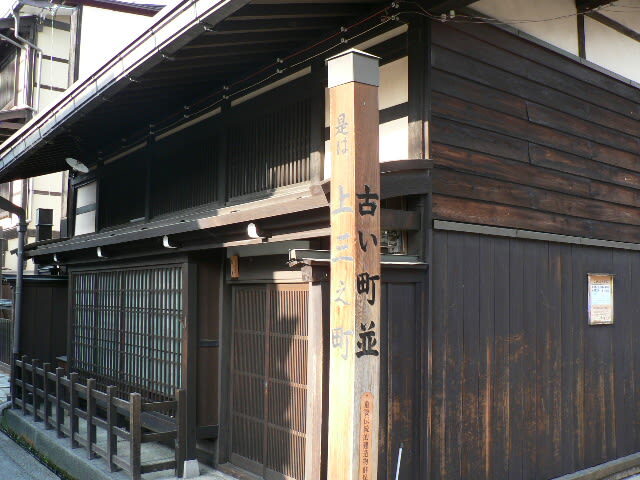
The first stop is Road Station Shirakawa-go, scheduled for about 9:15 a.m. You have roughly 15 to 20 minutes here, depending on the day’s timing. It is a short break, not a substitute for seeing the village itself.
There is one seasonal wrinkle: the road station closes from December 29 through January 1. On those dates, the bus stops at Yottekare Johana in Toyama Prefecture instead. The day continues, but the first pause changes, so don’t build plans around this particular stop if you are travelling over New Year.
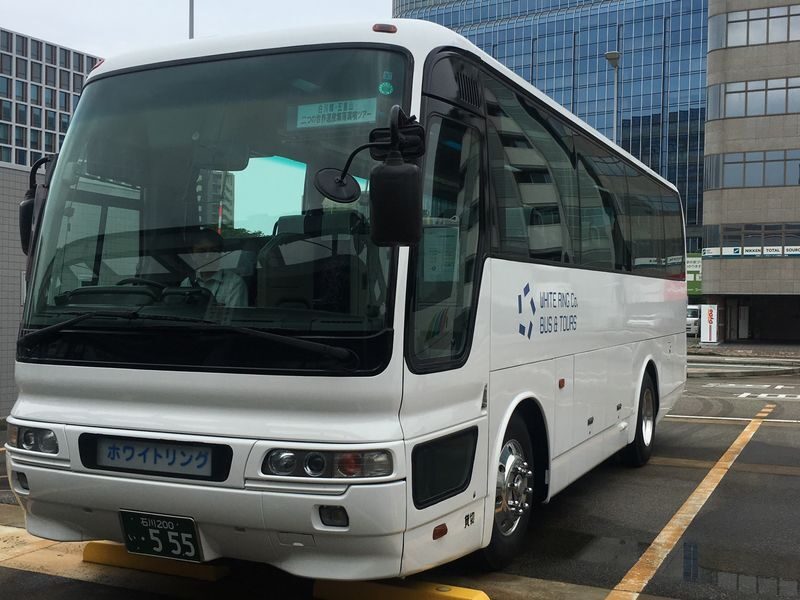
The bus reaches Shirakawa-go at about 9:40 a.m. You get approximately two hours and 50 minutes, with 45 minutes set aside for lunch. That is enough to walk through the village and take in its houses, but it is not unlimited time. You will need to choose between a slow wander, visiting an interior, stopping for food or shops, and making the uphill walk to the viewpoint.
Several houses can be entered, giving you a closer look at traditional interiors and the construction of the buildings. One tour participant managed to visit historic Kanda House, reach the observatory and walk to a popular view of three houses within the allotted time. That may be possible if you keep moving and watch the clock, but don’t assume you can do every side trip at an unhurried pace.
The Shiroyama viewpoint, at the Ogimachi Castle Ruins, is no longer accessible to buses. To reach it, you must walk about 10 to 15 minutes each way or take the paid shuttle bus from near Wada House. This matters because a viewpoint visit adds time, and the bus will not wait if you return late. If the view is a priority, decide early and leave yourself a clear buffer.
The free time is a real advantage if you like choosing your own route. The guide gives information on the bus, then you explore independently rather than following a group around every lane. Some people will welcome that freedom; others may prefer a guide to walk with them and explain each stop in person. Keep your meeting time in mind, and use the map or directions provided by your tour conductor if available.
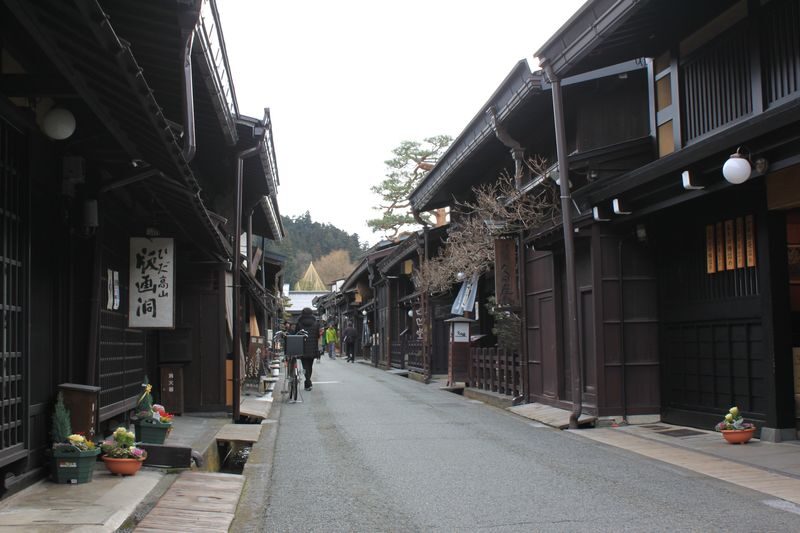
Lunch is included, and the meal is one of the day’s distinctive touches. It may feature local Hida beef or other regional mountain foods, and some departures have served it in a traditional gassho-style house. The setting can make a simple meal feel tied to the place rather than like a generic bus-tour lunch.
Expect a set meal, not a long restaurant stop or a feast. Reports on portion size vary, and one diner found the serving modest, while others found lunch delicious and filling. That is a fair way to approach it: appreciate the chance to try local food and avoid spending time searching for a restaurant, but don’t count on lunch alone to satisfy a large appetite.
The menu and dining location can change with the season and ingredient supply. If you have dietary needs, the information provided does not promise that every request can be met. One vegetarian meal was accommodated on a departure, but you should raise any concerns with the organizer when booking rather than assume the same arrangement will be available.
After Shirakawa-go, the tour continues to Ainokura in Gokayama. You have about an hour for a self-guided walk through this World Heritage village. The shorter visit works because Ainokura is smaller, and it lets you see the gassho-style architecture in a more peaceful setting after the larger first stop.
This is where the two-village format earns its keep. Shirakawa-go is the famous name, but seeing Ainokura helps put that popularity in perspective. You can compare the feel of the settlements and enjoy a little breathing room before returning to the bus. An hour is enough for a walk and photographs, though not for a leisurely visit to every possible attraction.
The tour’s timing has been praised for making the day feel smooth, but it still runs on a schedule. If you like to stop often, browse slowly or spend a long time inside one building, the visit may feel brief. If you want a well-organized introduction to both places, the pace is more likely to feel right.
English-speaking staff accompany the tour, and explanations are generally given on the bus in English and Japanese. Guides named Kuroda-san and Kana have been noted for clear instructions, useful context and a friendly manner. Your guide may be someone else, so treat those names as examples rather than a guarantee.
This is not a guided walking tour at each village. The conductor helps you understand where you are going and keeps the day on track, then you have free time to explore on your own. That arrangement is a good fit if you like having transport and orientation taken care of but prefer to choose your own stops. If you want continuous interpretation on the ground, this format may leave you wanting more.
Bus position can affect how well you hear the explanations. A passenger seated at the back had trouble hearing and seeing what the guide pointed out. You may not be able to choose your seat, but it is worth paying attention when boarding and asking staff if you cannot hear instructions. Reviews also describe clean, comfortable buses and careful drivers, two small comforts that matter on a full day of road travel.
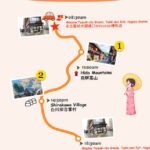
The alternate package swaps Ainokura for Hida Takayama, a historic town known for its preserved Edo-period character. It is designed for people who want Shirakawa-go plus a town visit, rather than a second gassho-style village. The supplied schedule gives detailed timings for the Gokayama route, but not a full stop-by-stop timetable for the Takayama package, so check the chosen option’s current details before you book.
The advantage is variety: a village stop followed by an old town. The cost is less time at each place than you might want if you enjoy slow walks, sake tasting or historic buildings. Some visitors found the Takayama portion quick, even while enjoying the day overall. Choose it for a useful overview, not a deep, leisurely visit to Takayama.
Prices start at $90.35, with the final cost depending on the selected package and booking details. The price covers transport, the experience fee, consumption tax and lunch. For two rural destinations that are not especially simple to link by public transport, that bundle can be good value, particularly if you would otherwise need to coordinate buses or rent a car.
The value is less compelling if you want maximum freedom or plan to spend many hours in one village. You are paying for a well-timed route, a driver, a tour conductor and the convenience of getting back to Kanazawa, not for a private guide at every stop. Lunch helps, though portion size and menu can vary. In short, the fare buys ease and coverage more than luxury.
The tour needs at least 25 participants. If that number is not reached, you may choose another date or request a full refund. It operates in rain, but severe weather or equipment problems can lead to cancellation. The schedule can also shift because of traffic and weather, so avoid making tight onward plans around the advertised return time.
I’d recommend the Gokayama version to you if you want to see two traditional villages in one day, don’t want to manage rural transport, and are comfortable exploring independently. It also makes sense for families or mixed-age groups who value a comfortable bus and a clear plan, though children aged 0 to 15 must be with a paying adult. Children aged 2 to 5 receive a bus seat only; meals and activity fees are not included.
Choose the Takayama package if the old town matters more to you than visiting Ainokura. Skip both versions if your ideal day means lingering for hours, changing plans at will or having a guide walk with you throughout. Wear comfortable clothes and athletic shoes, bring a jacket or coat, and consider motion-sickness medicine if you need it.
For most people staying in Kanazawa, this is a practical way to see places that take more effort to reach independently. Book the route that matches your priorities, arrive at the correct station exit early, and keep an eye on the clock at each stop. Do that, and the day offers a satisfying look at rural Japan without turning transport planning into the main event.
“quite expensive £82/person. lunch just enough to call it a starter Japanese cuisine. itenary was good”
Meet at the group bus stop at JR Kanazawa Station’s Kanazawa Port Exit, also called the West Exit. It is to the right of the taxi stand. Do not go to the Kenrokuen Entrance on the east side.
Meeting and registration begin at 7:50 a.m. Arrive at least 10 minutes before departure. The bus is scheduled to leave at 8:00 a.m.
No. They are separate package options. The Gokayama package visits Shirakawa-go and Ainokura, while the other option visits Shirakawa-go and Hida Takayama.
Yes. The tour includes meal expenses. The menu and dining location may change depending on the season and ingredient availability.
The tour conductor provides explanations on the bus, and you have free time to explore the villages independently. English-speaking staff are available.
The bus can generally store one suitcase per person in its trunk, up to about 72 liters or 28 inches. You are responsible for loading and unloading it, and larger or additional bags may not fit.
The tour requires at least 25 participants. If the minimum is not met, you can choose an alternative date or request a full refund.