Physical Address
304 North Cardinal St.
Dorchester Center, MA 02124
Physical Address
304 North Cardinal St.
Dorchester Center, MA 02124

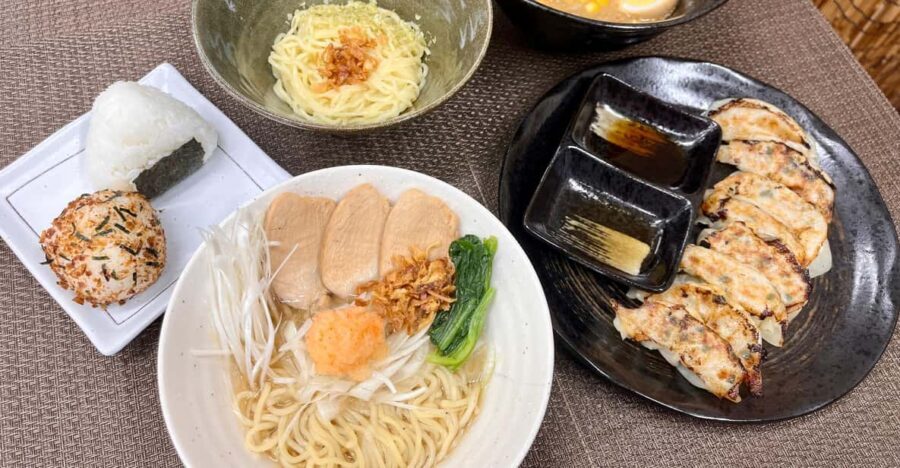
Make miso and shoyu ramen, gyoza, and onigiri in a small Kyoto cooking class with English-speaking instructors.
A bowl of ramen is only as good as its broth, and this class puts the soup, not the noodles, at the center. In 90 minutes, you’ll prepare miso and shoyu ramen, fill and wrap gyoza, and shape onigiri, then sit down to eat the results. Nori and the English-speaking team keep the steps clear and the pace lively.
I like two things in particular: the recipes focus on flavors you can recreate with ingredients available at home, and the small group size, capped at eight, gives you room to ask questions. You leave with recipes for ramen and gyoza, along with a very full meal and practical techniques.
One important caveat: the class cannot accommodate vegan, pescatarian, gluten-free, or other special diets, despite a few accounts of individual exceptions. The stated menu is regular or vegetarian, with pork replaced by tofu in the latter; it is not a safe fit if you need a reliably modified meal.
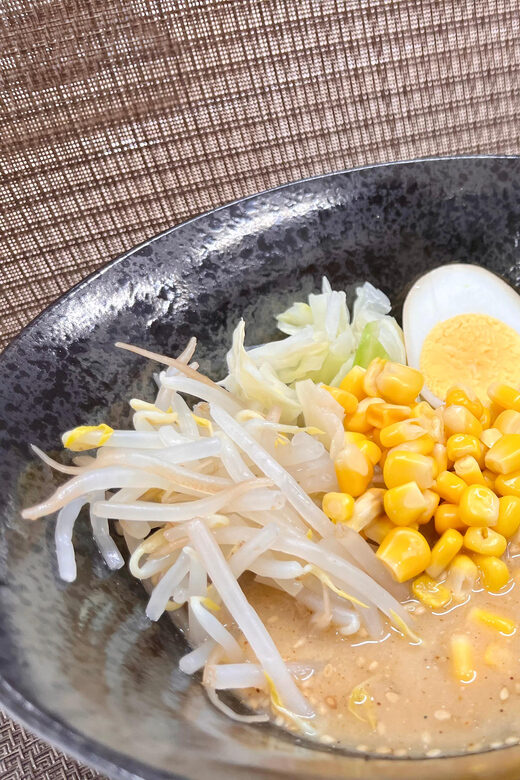
The class tackles a common home-cooking problem: ramen noodles are often easy enough to find, but a satisfying soup base is harder to reproduce. Here, you focus on making broth from seasonings and ingredients that the instructors say are easy to find at home. You do not make noodles, so this is a lesson in the part of ramen that gives the bowl its character.
You prepare two styles: miso and shoyu, or soy sauce ramen. The ingredient list includes chicken stock powder, soy sauce, miso, garlic, ginger, sesame oil, mirin, fish powder, oyster sauce, cooking sake, and other seasonings. The practical value is not just learning a single restaurant-style formula. You get a sense of how familiar pantry items combine to create a layered soup, and how a few changes lead to two different bowls.
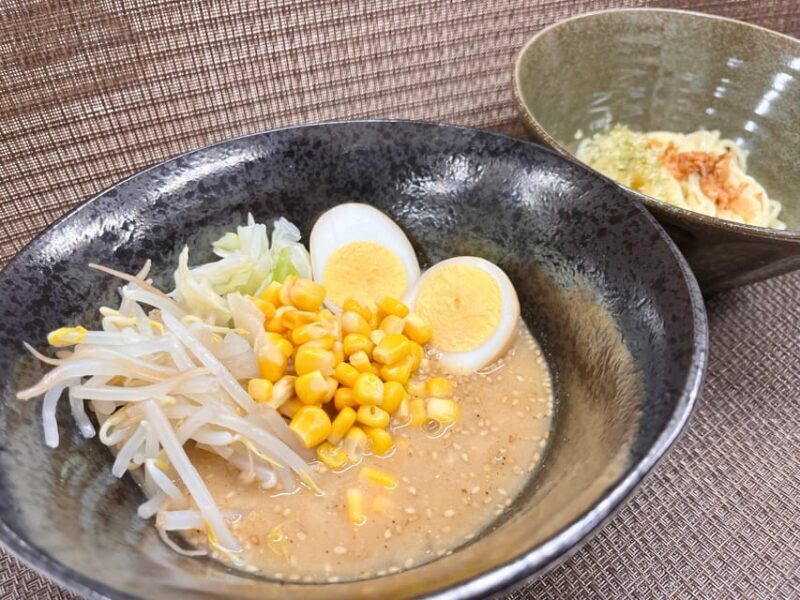
The class also explains the role of toppings. Miso ramen comes with boiled egg, bean sprouts, green onions, and sweet corn. Shoyu ramen is topped with chicken, bamboo shoots, and green vegetables. The approach is deliberately restrained: toppings should support the broth rather than compete with it. That is a useful lesson for home cooks who tend to treat ramen as a chance to add every flavor in the fridge.
There is a limit to what 90 minutes can teach. You should expect a practical, guided introduction, not an exhaustive lesson in regional ramen styles or a long session making stock from scratch. Still, the focus on broth makes this more useful than a class that simply has you assemble noodles and toppings.
Want to bring Kyoto flavors home? These cooking classes could be just right
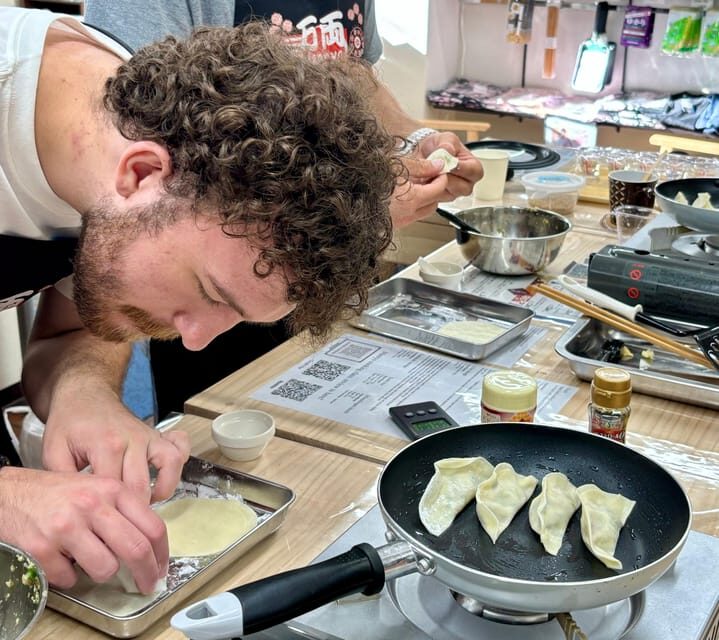
Gyoza bring the most tactile work to the table. You learn to balance meat, vegetables, and seasoning in the filling, then practice folding and sealing the wrappers into a consistent shape. The class promises detailed guidance on the technique, which matters: a neat seal helps keep the filling inside while the dumplings cook.
The ingredients include ground pork, cabbage, onion, chives, garlic, ginger, and seasonings. Since the components are prepared and organized for the class, you can concentrate on the proportions and the handling rather than spending much of the session chopping and measuring. That makes the lesson accessible to beginners, but it also means this is not a full kitchen-prep course.
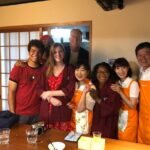
Visitors have described the class as exceptionally organized, with ingredients ready at each cooking station and instructors close by to help. Names associated with sessions include Nori, Kairi, Aoi, Minori, Mia, Kiara, Ayuna, and Riho. Instructors vary, so do not book expecting a particular person, but the format is built around clear demonstrations and hands-on assistance.
The finished gyoza are part of your meal. That immediate payoff is useful: you can see whether your folds held and taste how the filling works with the wrapper. If you already make dumplings at home, the class may feel introductory. If you have never wrapped one, it offers a straightforward place to learn without the pressure of doing it alone.
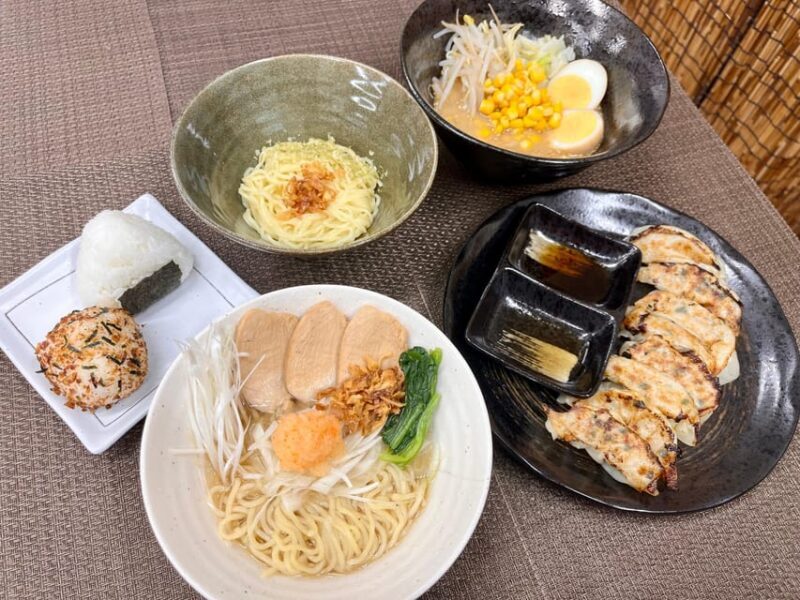
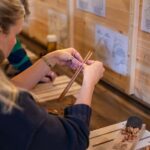
Onigiri are rice balls shaped by hand and filled with different ingredients. They are a quick snack and a practical lunch option, and the class teaches you how to form them neatly. The lesson is less involved than the broth or dumpling work, but it adds a useful everyday dish to the menu.
The ingredient information does not specify which onigiri fillings you will use, so do not count on a particular flavor. What you can expect is practice with shaping and a chance to make a familiar Japanese staple yourself. It also gives the class a nice balance: ramen and gyoza make a filling meal, while onigiri introduces a portable food you can adapt for home lunches.
One detail to note: the included recipe materials are specified for ramen and gyoza. The class teaches onigiri, but the provided information does not promise a printed onigiri recipe. If you want written instructions for all three dishes, ask before booking.
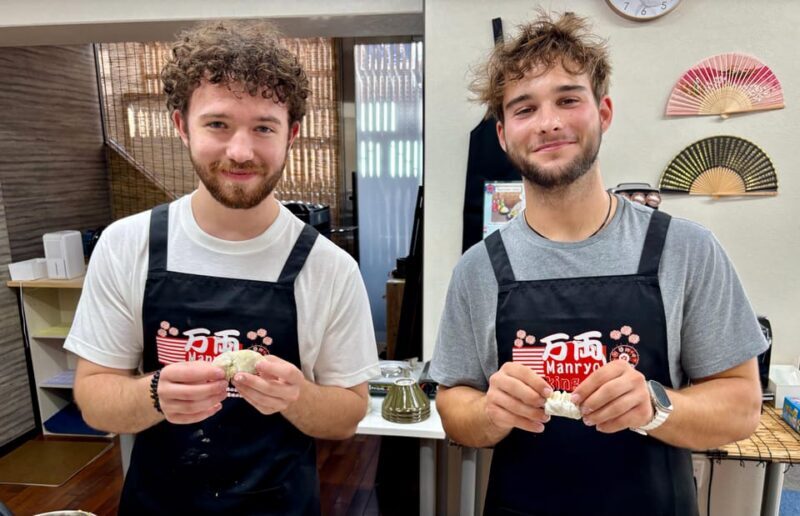
This is a compact class. You cover ramen broth, toppings, gyoza filling and folding, and onigiri shaping in an hour and a half. That pace is part of the appeal if your Kyoto schedule is full, but it also means the class is structured and active rather than leisurely.
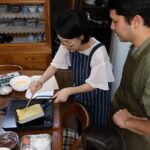
Ingredients are ready, equipment is supplied, and the instructors guide the group through each task. Some of the work is closer to assembling and cooking with measured ingredients than preparing every component from scratch. That trade-off lets you learn several dishes in one sitting, though cooks looking for a slow, detailed session on knife work or ingredient preparation may prefer a longer class.
The group limit of eight is a real advantage in a short lesson. You are not trying to follow a demonstration from the back of a large room, and there is room for individual help. Some sessions may be smaller, but the class is not guaranteed to be private.
English instruction makes the cooking steps accessible, and the teaching can include brief background on the dishes, ingredients, and Japanese food culture. You get more than a recipe sheet, but this is primarily a cooking activity, not a broad cultural tour.
More Great Tours Nearby
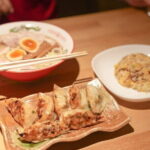
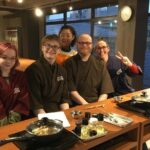
The meal is part of the experience, not an optional extra. You eat the ramen, gyoza, and onigiri you have prepared, and the amount can be generous. Several people have found it wise to arrive hungry, especially if taking the class near lunchtime or dinner.
That makes the $90 price easier to assess. You are paying for a small-group, English-language lesson, ingredients and equipment, the food you cook, ramen and gyoza recipes, and free coffee and tea. It is not a budget meal, but it combines instruction with a substantial meal and practical take-home skills. If you would otherwise pay for both a cooking activity and lunch, the package has reasonable value.
There is also an optional beer purchase after class, according to one participant, but it is not included. Do not assume drinks beyond the stated free coffee and tea are part of the price.
The best measure of value is whether you will use the techniques again. If you like cooking and expect to make ramen broth or gyoza at home, you get more from the fee than if you want a novelty activity and have no interest in cooking afterward. The class is designed to make the recipes approachable, not to turn you into a ramen specialist in one afternoon.
You might also be interested in these Kyoto experiences
The classroom is in the basement level of the Life Building, one street off the main road. It can be easy to miss if you expect it to face a busy street, so check the map before setting out and search for Manryo cooking class. If taking a cab, the stated drop-off point is in front of Family Mart at Sanjo Keihan, about a two-minute walk away.
Wear comfortable clothes and shoes. You will be cooking, and the session moves along quickly. There is no hotel pickup or drop-off, so make your own way to the classroom.
The class is not suitable for wheelchair users or people with recent surgeries. Children under 12 are listed as unsuitable, and participants must be at least 13 and able to cook independently without staff assistance. Although some families have attended with younger children, do not assume an exception will be allowed. Confirm directly if a child’s age or ability is borderline.
The stated choices are a regular menu and a vegetarian menu. The vegetarian option replaces pork with tofu, but other ingredients remain the same. The ingredient list includes chicken stock powder, oyster sauce, fish powder, and cooking sake, among other items, so tofu does not make the meal vegan or pescatarian.
The class explicitly cannot accommodate vegan, pescatarian, gluten-free, or other special diets. If you have an allergy, intolerance, or religious dietary requirement, do not rely on an anecdotal exception. Contact the provider before reserving, and book only if the ingredients and preparation suit your needs.
Book it if you want a hands-on introduction to Japanese home cooking, enjoy learning by doing, and are happy to eat a hearty meal afterward. It is especially well suited to couples, families with eligible teenagers, and curious beginners who want recipes they can try again at home. The small group and English-speaking instruction make it an easy fit for visitors with limited time.
Skip it if you need a fully customized menu, want to make ramen noodles from scratch, or prefer a slow and technical cooking course. At $90, the strongest case is the combination of three dishes, a meal, recipes, and a friendly, tightly organized 90-minute lesson. If those are the things you want from a Kyoto food activity, this class earns its place in the plan.
“Fun and delicious food at the end of the cooking experience. Learn a lot.”
The class lasts 90 minutes.
You will make miso and shoyu ramen, gyoza, and onigiri.
No. The class focuses on ramen broth, and noodles are not made during the session.
English-speaking instruction, ingredients, equipment, the food you make, recipes for ramen and gyoza, and free coffee and tea are included.
No. The class cannot accommodate vegan, pescatarian, gluten-free, or other special diets.
Yes. In the vegetarian menu, pork is replaced with tofu. Other ingredients remain the same.
The classroom is in the basement of the Life Building, one street off the main road. Search for Manryo cooking class on Google Maps. From the Family Mart at Sanjo Keihan, it is about a two-minute walk.
The stated minimum age is 13. Participants must be able to cook by themselves without staff assistance.
You can check availability for your dates here: