Physical Address
304 North Cardinal St.
Dorchester Center, MA 02124
Physical Address
304 North Cardinal St.
Dorchester Center, MA 02124

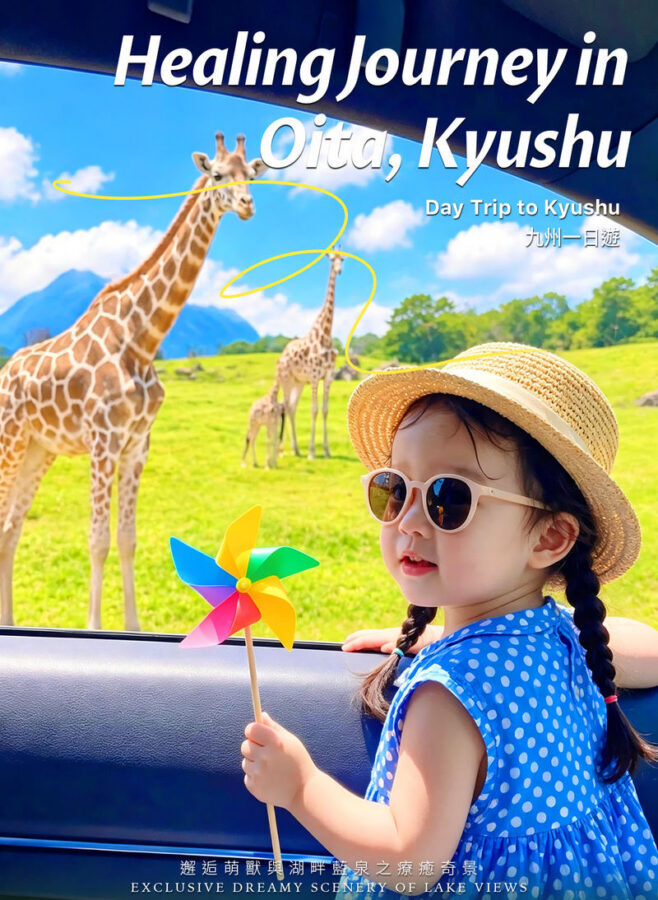
See Beppu’s steaming hot springs, visit Kyushu’s safari park, and wander Yufuin on a full-day tour from Fukuoka.
Beppu’s hot springs bubble in impossible shades of blue, lions and giraffes roam at a safari park, and Yufuin offers a softer finish of lake mist, cafes, and sweet shops. I like this tour’s unusual mix of geothermal sights and close-up animal encounters, plus the chance to see several Kyushu highlights without arranging a long day of transport yourself.
I also like that you get a real stretch of free time in Yufuin, rather than just a quick photo stop. The trade-off is a packed schedule: the hells and zoo are brief visits, and traffic or weather can cut into your time.
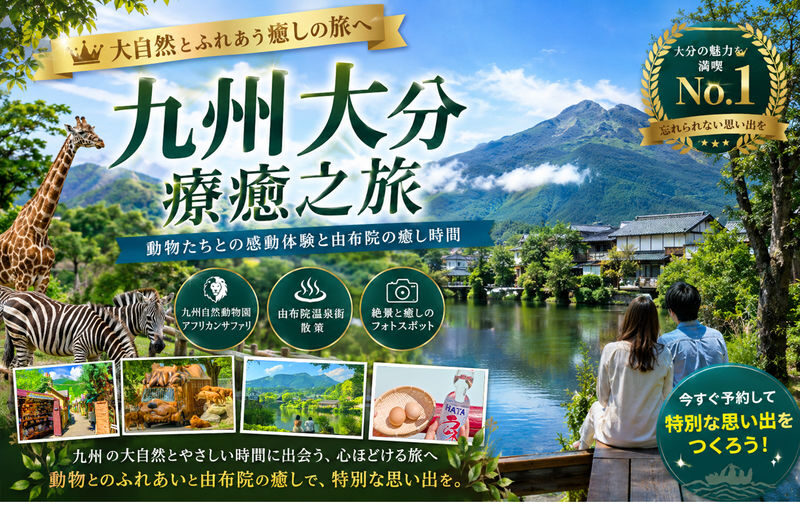
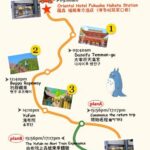
This day tour covers three very different sides of Oita: Beppu’s steaming hot springs, a large animal park, and Yufuin’s relaxed town center. You leave Fukuoka at 8:30 and return around 18:45 to 19:15, so it is a full day, but one that removes the need to plan several long connections on your own.
The rhythm shifts as the day goes on. The morning is about seeing Beppu’s geothermal oddities and getting to the safari park; the afternoon belongs to Yufuin’s shops, snacks, and lake. That variety is the tour’s strength. It is also why no single stop gets unlimited time.
The group size can range from 1 to 48, and the vehicle is chosen according to the day’s numbers. You may share the vehicle with people on different language packages. Guides are not fixed: names praised on past departures include Huahua, Zhu Zhu, Summer, Thomas, and others, but you cannot book a particular guide. Some guides have been noted for clear multilingual explanations, practical food tips, and help with photos. Treat those as welcome possibilities, not guaranteed services.
Looking for more options in Yufu? Here are some other experiences worth considering.
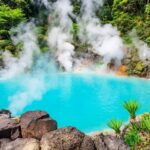
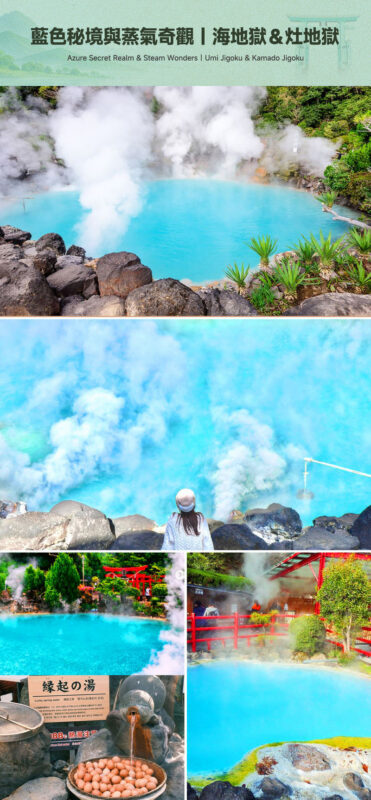
The first stop is Umi Jigoku, or Sea Hell, scheduled for about 30 minutes. Beppu has Japan’s largest hot spring water discharge, and this stop gives you a vivid sense of the heat beneath the town. The pool’s porcelain-blue color is the main draw, set against steam that gives the site a mysterious, sometimes misty look.
You can explore on your own, take photos, and see the hot spring grounds. There is also a footbath mentioned as part of the attraction experience, though the short stop means you may have to choose between lingering there and seeing the rest of the site. Admission costs 500 yen per person and is not included.
Thirty minutes is enough for a look, but not a slow visit. If you like reading displays or taking your time with every corner, you may feel rushed. Rain can make the steam and mist especially atmospheric, but it can also make the paths less pleasant, so bring a compact umbrella or rain layer if the forecast calls for it.
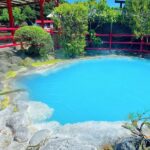
At about 11:15, the tour moves to Kamado Jigoku, or Cauldron Hell, for roughly 35 minutes. Like Umi Jigoku, it is a geothermal attraction, with fierce jets and hot springs that can reach 90°C. The appeal is seeing the heat at close range and getting another look at the strange sights that earned Beppu’s hells their name.
The two stops are close enough in theme that you may find them similar. If you are keen on hot springs, the pair gives you a useful comparison; if you prefer a slower visit to one site, the schedule may feel like it spreads your time thinly. Each attraction charges 500 yen, so set aside 1,000 yen total for both.
A few local snacks and hot spring specialties may be available around the hells, including pudding noted as a tempting stop. But with the short visit windows, do not count on a leisurely meal here. Save your appetite for Yufuin, or bring a small snack for the drive.

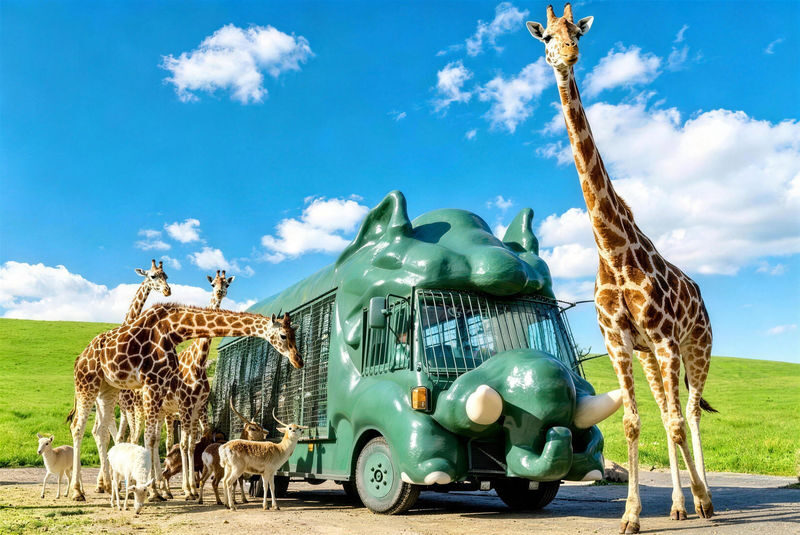
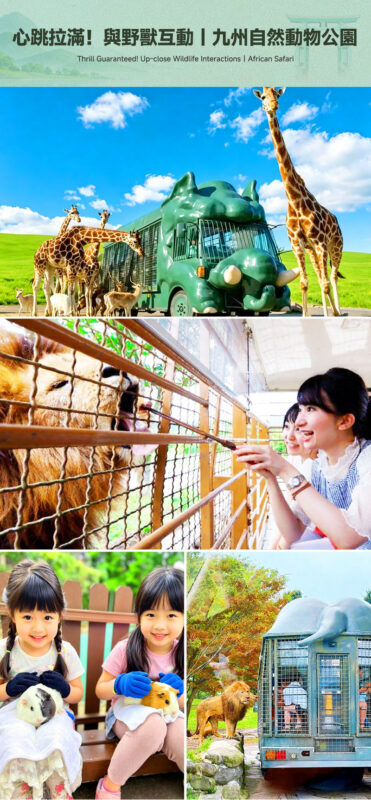
Around 12:25, the group reaches Kyushu Natural Zoological Park for about 1 hour and 30 minutes. The safari setting is the day’s most active stop, with the chance to see animals such as lions, giraffes, and tigers. There are also smaller-animal areas where you may be able to interact with animals such as guinea pigs.
The key practical point is that the park entrance and jungle bus are not included. Admission is listed as 2,600 yen, with the jungle bus inside the zoo costing another 1,300 yen. Confirm the exact arrangements for your departure, since the standard tour vehicle and the park’s own jungle bus are distinct costs in the tour details. Do not assume the safari bus ride is covered by your base fare.
Ninety minutes can feel short, particularly if it includes time on the bus. Families hoping to spend a long while in the petting area may need to choose what matters most. In hot weather, the bus can be a welcome way for children to see animals without walking as much; on other days, you may want to use your time on the smaller-animal areas. One useful tip from the tour experience: if your vehicle’s seating arrangement allows a choice, a seat on the left side has been suggested for better animal views. Seats are generally assigned on the day, however, and the guide makes the final call.
Winter weather can close Oita African Safari without advance notice. If that happens, the tour may switch to Umitamago Aquarium, with admission charged separately: 2,600 yen for adults aged 16 and over, 1,300 yen for ages 7 to 15, and 850 yen for ages 4 to 6. Children aged 3 and under enter free.
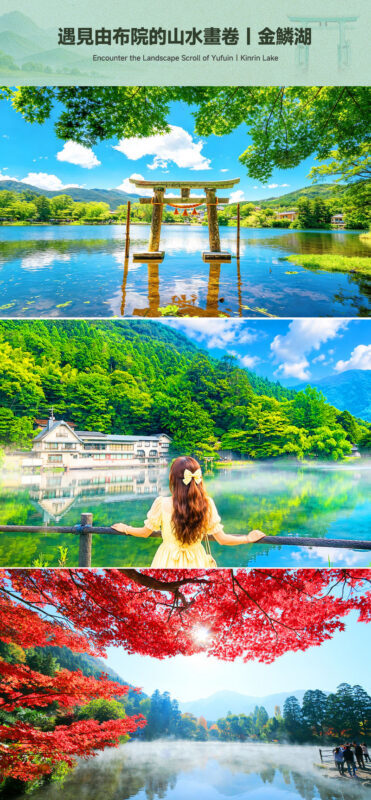
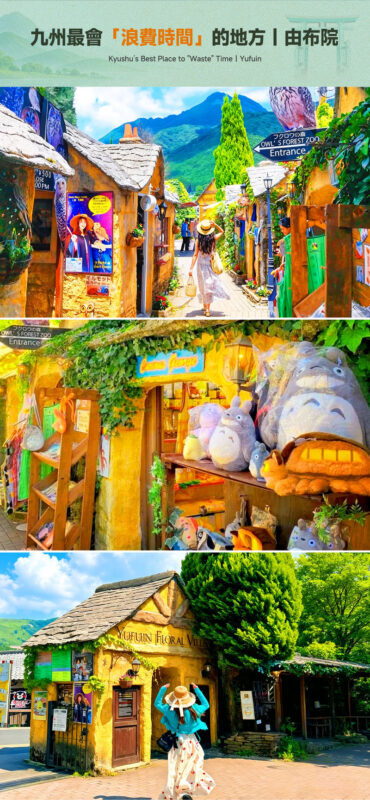
The afternoon brings a welcome change of pace in Yufuin, scheduled for about 2 hours and 20 minutes from 14:30. Set among mountains, the town is known for its gentle mood, small shops, cafes, and local sweets. Yunotsubo Street is the natural place to browse and snack, though it can be crowded, especially on weekends and holidays.
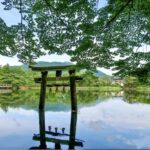
This is free time, not a guided march through every attraction. You can browse shops, sit down for food, or head toward Kinrin Lake. The lake is known for its misty surface, and the torii gates nearby offer a photogenic view. Still, the lake itself may not feel spectacular to everyone; consider it a peaceful walk and a chance to enjoy the setting, rather than the day’s grand finale.
Yufuin Floral Village and footbath cafes are also mentioned as possible stops, but the schedule does not guarantee that you will visit every spot. Weather, traffic, and the day’s operating plan can change the order or reduce time at attractions. With a little over two hours, you will probably need to pick your priorities: a proper meal, several snacks and shops, or a walk to the lake.
A practical approach is to decide what matters before you arrive. If food is the goal, choose a restaurant rather than trying to eat a full meal while sampling every shop. If you want Kinrin Lake, head there first and leave shopping for the walk back. Yufuin is the part of the day where a bit of planning helps you make the most of your free time.

The Yufu no Mori is a popular sightseeing train linking Hakata and Yufuin, with a forest-green body and retro styling. It is an appealing way to connect the countryside and Fukuoka, but the train experience is not included in the standard tour price. The package options include one with a Yufu no Mori experience on the next day, so check exactly what you are booking before paying.
Two return train times are provided for Yufuin to Fukuoka: 15:56 to 18:10, with the service replaced by the Yufu Express from July 30 to September 30, and 17:17 to 19:28, which is recommended to allow more time in Yufuin. The information also describes the train as an optional return on the second day. That differs from the standard day tour’s estimated return to Fukuoka around 18:45 to 19:15, so do not assume the train is part of the same-day coach return. Confirm the date, ticket, and transport arrangement for your chosen package.
The advertised starting price is $44.25, a low entry point for a long day with round-trip transfers from Fukuoka and a guide. You are paying for the convenience of reaching Beppu, the safari park, and Yufuin without working out the transport yourself. That convenience matters on a route with several stops spread across the region.
The base price does not tell the whole cost story. Add 500 yen each for Umi Jigoku and Kamado Jigoku, plus 2,600 yen for the zoo and, if you choose it, 1,300 yen for the jungle bus. Meals, drinks, personal spending, and the Yufu no Mori train experience are extra. The safari admission and jungle bus alone add up to 3,900 yen, so budget for entry fees before deciding that the headline price is your full-day total.
For a family, the cost can rise quickly because children aged 3 and over pay the same tour rate as adults, while park and aquarium admissions have their own age bands. Children aged 0 to 2 may join free if they do not occupy a seat, but they still need to be included in the vehicle’s passenger count when booking.

The guide can make a big difference on a day with several handoffs and short visits. Expect practical instructions about timing and meeting back at the vehicle, plus explanations along the way. Past departures have had guides who gave restaurant recommendations, helped with photos, and spoke more than one language. The guide on your own date may differ, and the package you select determines the advertised language.
This is a shared vehicle tour, with up to 48 people. You cannot choose the vehicle type, and seating is generally first come, first served, subject to the guide’s decision. If you have a seating request, note it when booking, but do not count on getting a particular seat.
Traffic and weather are real factors, not fine print to ignore. The order of stops and the time spent at each may change, and an attraction may be shortened or skipped. The return time is an estimate, so leave the evening clear rather than booking a tight connection or an important activity after the tour.
I would choose this tour if you have one day to see several Oita highlights from Fukuoka and value easy transport over long, unhurried visits. It suits families who want a mix of animals, scenery, and town time, as well as first-time visitors who would rather have the route organized for them.
It is less suited to anyone who wants to spend half a day at the safari park, study every hot spring site, or explore Yufuin at a leisurely pace. Independent travel offers more control over timing, while this tour trades that freedom for a full itinerary and round-trip transfers.
Book if the combination is the point: Beppu’s hot springs, a safari park, and Yufuin in one day, with a guide and transport from Fukuoka. The starting fare is attractive, but budget separately for admissions, food, and any train experience, and expect short visits rather than deep exploration.
Skip it if you want a quiet, flexible day or would be frustrated by traffic cutting into your time. For most people with limited time in Fukuoka, though, it is a practical way to reach several very different corners of Kyushu without turning the day into a transport puzzle.
“Tour guide Huahua is amazing! The explanations were clear and very patient, and the switch between Mandarin and Korean was seamless. It was a wonde…”
It departs from Fukuoka. The meeting point is at Lawson-Fukuoka Oriental Hotel, 4-23 Hakataekichuogai, Hakata Ward. Arrive 10 minutes before the 8:30 departure.
The tour lasts about 10.5 hours. The estimated return to Fukuoka is between 18:45 and 19:15, but traffic and weather can affect arrival time.
No. Umi Jigoku costs 500 yen per person, Kamado Jigoku costs 500 yen per person, and Kyushu Natural Zoological Park admission is 2,600 yen. The jungle bus inside the zoo costs an additional 1,300 yen.
No, not in the standard package. A package option includes a Yufu no Mori experience on the next day, so check the exact package details before booking.
In extreme winter weather, Oita African Safari may close temporarily. The itinerary may then change to Umitamago Aquarium, where admission is charged separately.
No. Meals and beverages are not included, and you should bring extra money for food, drinks, admission fees, and personal expenses.
Yes. Children aged 3 and over are charged the same tour rate as adults. Children aged 0 to 2 can join free if they do not occupy a separate seat, but they must still be included in the passenger count.