Physical Address
304 North Cardinal St.
Dorchester Center, MA 02124
Physical Address
304 North Cardinal St.
Dorchester Center, MA 02124

Explore the Doge’s Palace secret prisons, archives and Casanova’s cell with an expert guide, then visit Ca’Rezzonico at your own pace.
The most revealing part of this Doge’s Palace tour lies behind a door most palace visitors never pass through. A guide leads you into secret offices, archive rooms and prison chambers, where Venice’s grand political machine takes on a more personal, and sometimes grim, face.
I like two things in particular: the small group of no more than 20, which makes it easier to follow the stories in tight spaces, and the way the tour pairs hidden rooms with the palace’s great halls and art. One consideration: the secret itinerary involves standing, stairs and confined spaces, so it is not a good fit if you are claustrophobic or have mobility limits.
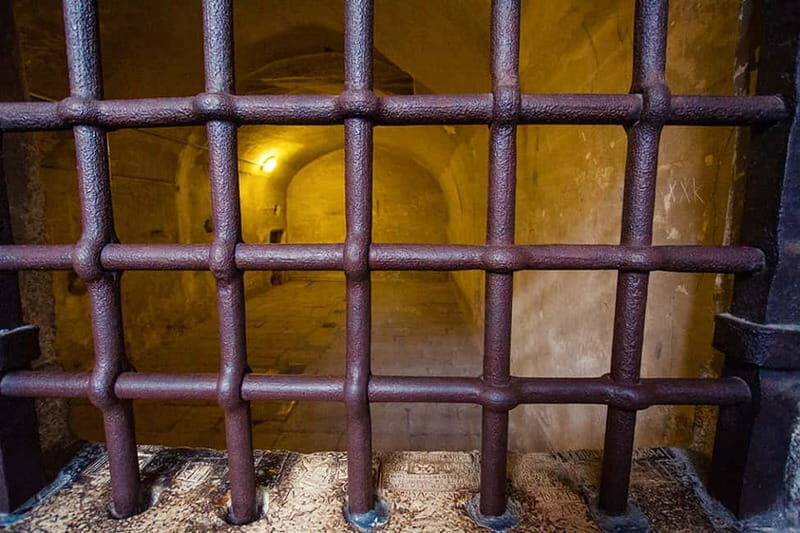
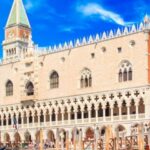
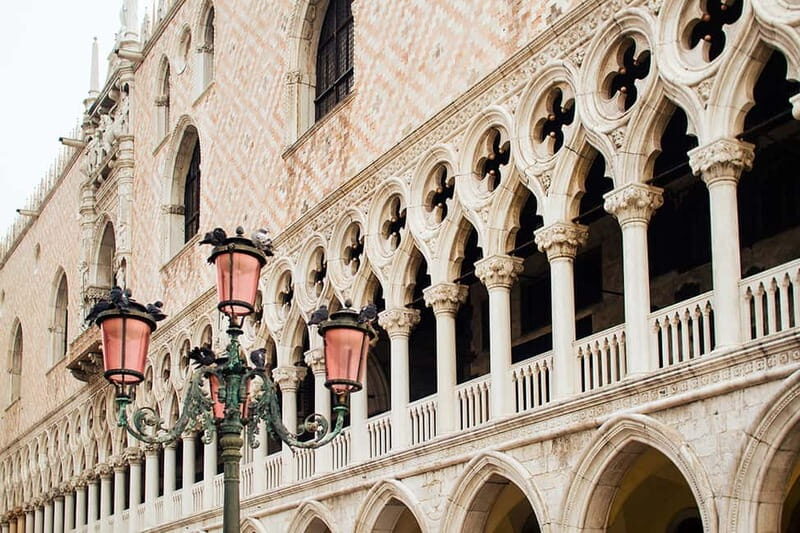
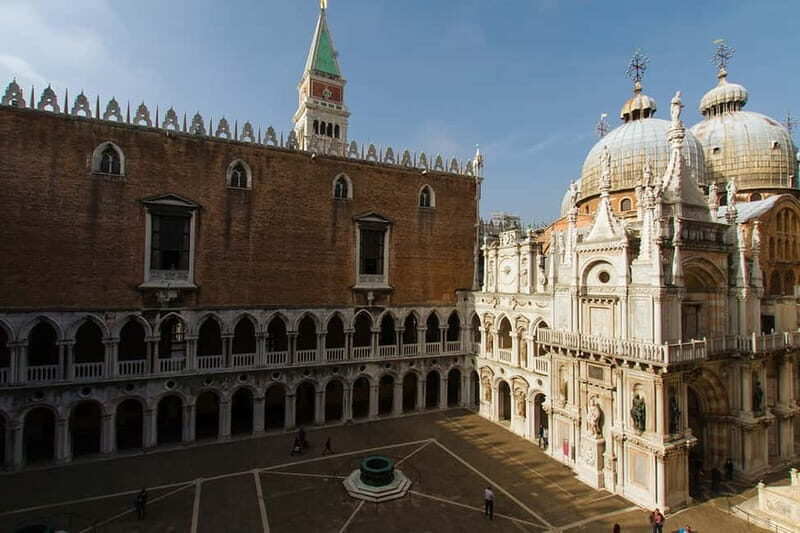
The Doge’s Palace is not just a grand backdrop for St. Mark’s Square. It was the working center of the Venetian Republic, where government, justice and the Doge’s household occupied the same vast building. The secret itinerary gives you a look at the less public side of that power: offices, archives, council rooms, prisons and a torture chamber.
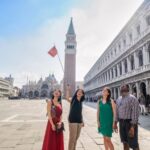
The tour meets outside the Correr Museum, under the portico at Piazza San Marco 52. Arrive 15 minutes early and look for the guide holding a green Walks sign. Skip-the-line access uses a separate entrance, saving you from joining the regular ticket queue, then the group heads into parts of the palace not covered by a standard visit.
The route is led in English by a guide described as a Venetian art expert and historian. The guide matters here. These rooms can be hard to interpret on their own, but a good explanation connects the physical spaces to the Republic’s rules, rivalries and methods of control. Guides named by past participants include Mose, Niko, Sarah, Susan, Marina and Alessandro. You cannot choose a particular guide, but the strongest accounts describe lively storytelling, clear explanations and thoughtful answers to questions.
Looking for more options in Venice? Here are some other experiences worth considering.
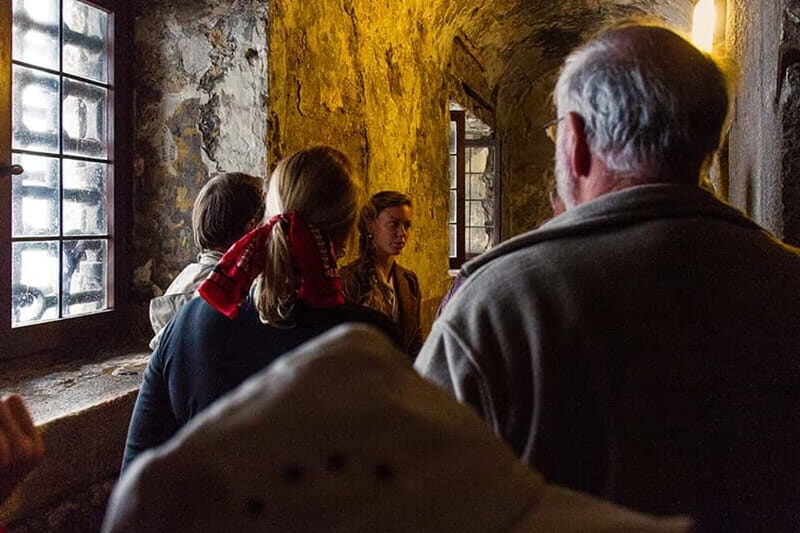
The secret rooms show how Venice ran a republic that lasted for centuries. You will see hidden council rooms and offices, and hear how a system of checks and balances helped govern the city. The archives offer a different angle: paper records and guarded information were tools of statecraft, not just dusty shelves.
This is where the tour earns its keep for anyone curious about how power worked. The palace’s public rooms show ceremony; the concealed rooms reveal administration and surveillance. The contrast makes the building easier to understand as a workplace and seat of government, rather than simply an art-filled palace.
There is a lot to absorb. Guides tend to share detailed accounts of Venetian history, art and civic life, and the pace leaves little room to switch off. If you enjoy asking questions and following the connections, you may find the detail rewarding. If you prefer a quick overview, you could find the commentary dense. I would bring a question or two of your own, but not expect to remember every name and date.
The prison sections bring the palace’s darker side into view. You pass through restricted corridors and chambers, including a torture chamber, and see the cell where Giacomo Casanova was held. His story gives the setting a human focus: the tour explains his imprisonment and the unlikely escape that made him famous.
Casanova’s cell is an especially engaging stop if you know him chiefly as a writer and adventurer. Here, his life intersects with the machinery of Venetian justice. The guide’s account can help you separate the real episode from the legend, while the narrow rooms make the prison feel far removed from the palace’s gilded halls.
The passages and chambers are part of the experience, but they are also a practical constraint. Some spaces are confined, and the tour is explicitly unsuitable for people with claustrophobia. The route is not accessible to wheelchair users, people with mobility impairments or strollers. Children under six are not allowed on the secret itinerary, and the tour is not recommended for pregnant women. Wear comfortable shoes and clothes that meet the entry rules: long pants and a long-sleeved shirt, with no shorts or sleeveless tops.
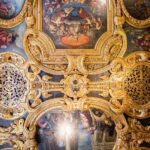
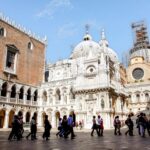
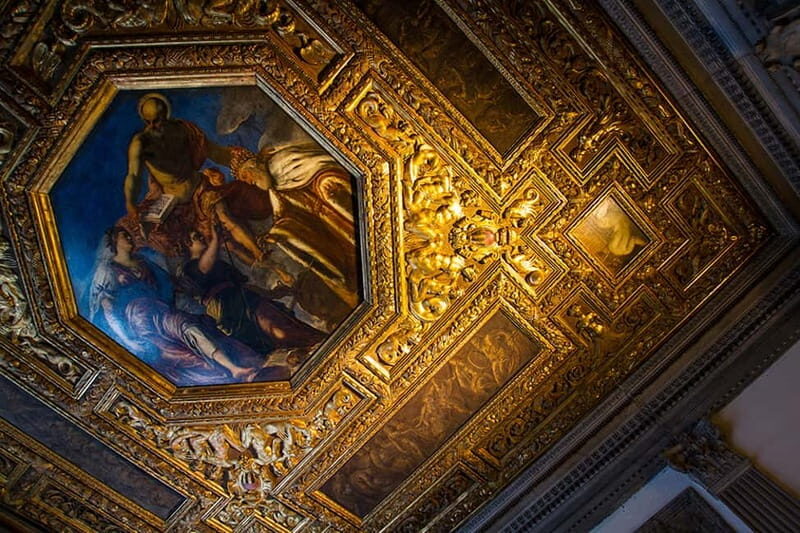
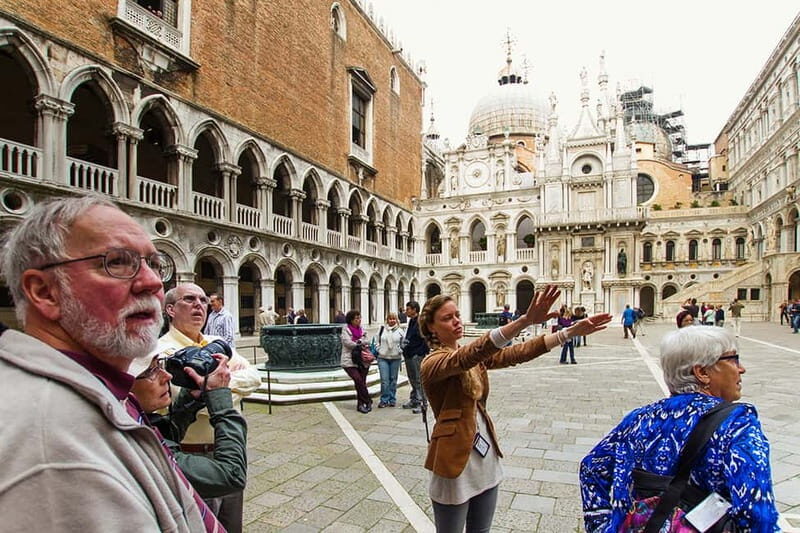
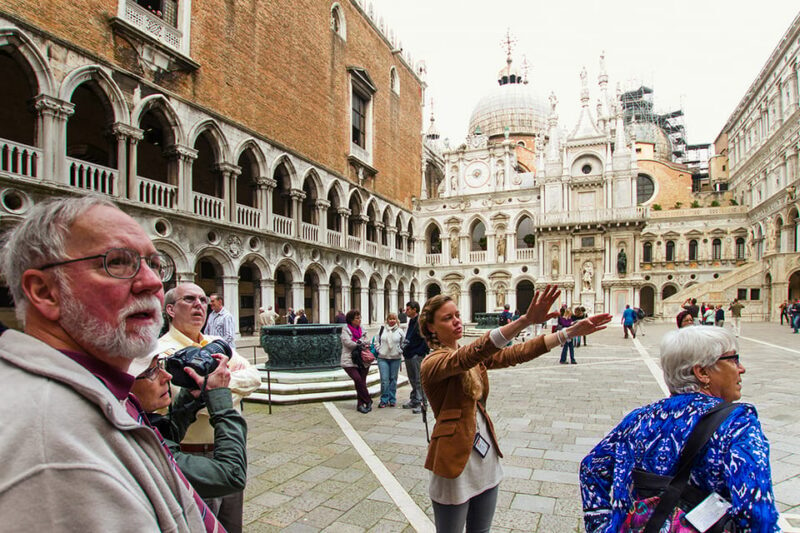
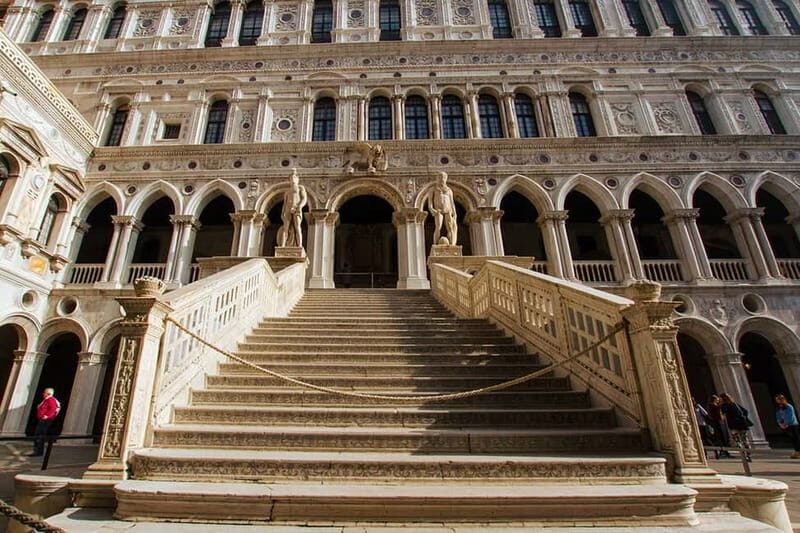
The tour does not stay underground or behind closed doors. It also takes in the palace’s grand audience rooms and ballrooms, where paintings by Veronese and Tintoretto bring the Republic’s public image into full view. You will see the Doge’s private apartments as well, completing the picture of a ruler who lived and worked inside the same complex as the government.
These public rooms are worth more than a quick photo stop. After the cramped cells and offices, the scale and decoration can feel startling. The artwork and ceremony show how Venice presented its authority, while the secret rooms expose the decisions and punishments behind that image. The guide helps tie those contrasts together, so the art becomes part of the story rather than a separate attraction.
Expect to stand for much of the 2.5-hour tour. One visitor described having only a short chance to sit, and the palace has rooms without air conditioning. In warm weather, carry water and consider a small battery-powered fan. Early morning starts can make the visit cooler and less crowded, though starting times vary and you will need to check availability for your date.
More Great Tours Nearby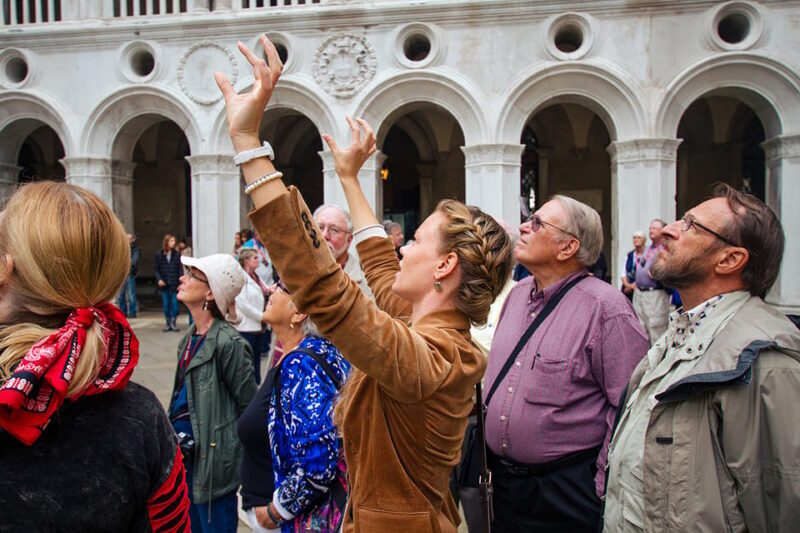
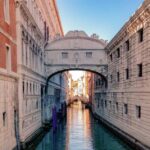
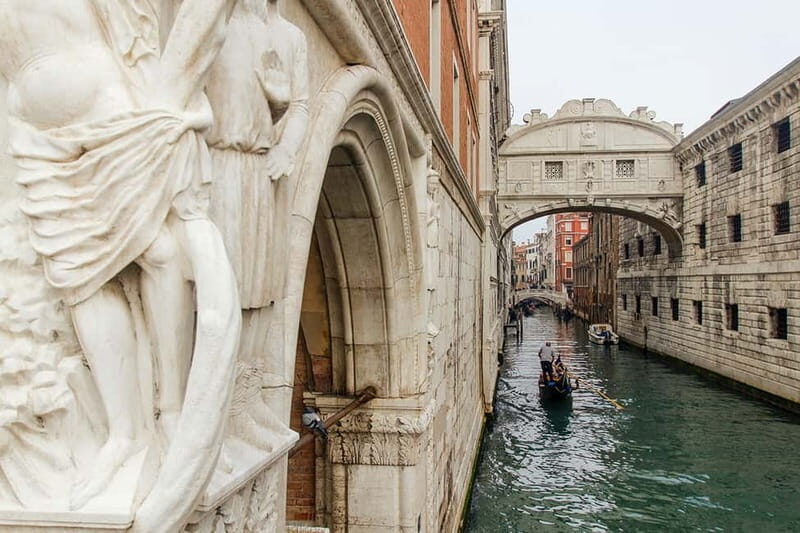
The tour’s passage across the Bridge of Sighs is more than a view from outside. You cross it from within the palace and enter the New Prisons, seeing the structure from the route that connected courtrooms and cells. That shift in perspective is a useful payoff after hearing about the palace’s system of justice.
The bridge is famous enough to attract attention from every angle, but walking through it gives the name a more direct connection to its purpose. The route ends in the Piazza San Marco area, where you say goodbye to your guide. From there, you can continue with the included Ca’Rezzonico ticket at your own pace.
High tide can affect parts of the route. If water conditions prevent access to certain areas, the route may be adjusted for safety and comfort, and no refund is provided for that change. Private events inside the palace can also restrict access to sections beyond the tour operator’s control.
The ticket includes entry to Ca’Rezzonico, a grand Baroque palace now devoted to 18th-century Venetian life. Casanova lived there in 1756, making it a fitting follow-on after seeing his prison cell. You explore the museum independently, so there is no need to keep pace with the group or absorb another guided talk after two and a half hours.
The change of mood is part of the appeal. The Doge’s Palace tour focuses on government, justice and the public image of the Republic; Ca’Rezzonico offers a glimpse of the opulent world of later Venetian life. It is a short walk from the Doge’s Palace, and you can decide how long to spend among its rooms.
Keep the distinction clear when planning your day: the guide’s tour finishes around St. Mark’s Square, while Ca’Rezzonico is a self-guided visit afterward. The museum is closed on Tuesdays. On those days, the ticket is provided for use on a later day, so do not assume you can visit it immediately after the palace tour.
This tour costs more than simply entering the Doge’s Palace, and that premium buys more than skip-the-line entry. You get access to the secret itinerary, an English-speaking guide, a group capped at 20, and the Ca’Rezzonico ticket. The strongest value is the combination of rooms you cannot see on an ordinary visit and a guide who can explain why they matter.
The value depends on your interests. If you are drawn to Venetian government, prison history, Casanova, art or architecture, the extra access makes the palace feel like a more complete story. If your main goal is to see the famous public rooms and paintings, a standard visit may be enough. A few people might find the tour pricey, and the sheer volume of information can be a lot to take in.
The small group helps, especially in narrow passages, but it is not a private tour. You will still share the guide’s attention with up to 19 others. The included audio equipment has also been useful for hearing the guide in crowded areas, according to one participant, though equipment availability is not specified as a standard feature. Do not count on it unless confirmed for your departure.
The tour lasts 2.5 hours, and starting times depend on the date. It is in English, with no hotel pickup or drop-off. Bring a passport or ID card, wear comfortable shoes, and follow the clothing rules: long pants and a long-sleeved shirt are required. Backpacks, large bags, oversized luggage, shorts and sleeveless shirts are not allowed.
This is a moderately active visit, with standing and movement through parts of the palace that are not suitable for everyone. The tour is not accessible for wheelchair users or people with mobility impairments, and strollers cannot be accommodated. Children under six cannot enter the secret itinerary, while the detailed history may also be a hard sell for younger children. If you are traveling with a child, consider whether they will enjoy a long, information-heavy visit.
You can cancel up to 24 hours ahead for a full refund, and the reserve-now, pay-later option keeps payment flexible. Those terms are useful, but the key booking decision is whether you are comfortable with enclosed spaces and a physically demanding route.
Book it if you want more than the standard palace circuit and enjoy history told through real rooms, hidden corridors and specific human stories. Casanova’s cell, the archives and the Bridge of Sighs route make this a distinctive way to understand how Venice’s government and justice system worked. The included Ca’Rezzonico visit adds a worthwhile second stop, especially if you have an interest in 18th-century Venetian life.
Skip it if you are claustrophobic, have trouble standing or using stairs, or want a light and leisurely palace visit. The commentary is detailed, the tour is active, and the secret route has access limits. For the right visitor, though, the combination of restricted spaces, expert storytelling and major public rooms offers a fuller picture of the Doge’s Palace than an ordinary ticket can provide.
“Our guide was fantastic! The tour was great. Learned a lot on the secret passageways tour!”
The guided tour lasts 2.5 hours. Starting times vary, so check availability for your date.
Meet outside the entrance to the Correr Museum at Piazza San Marco 52, under the portico. Arrive 15 minutes early and look for the guide holding a green Walks sign.
Yes. The tour is led in English.
The group is limited to a maximum of 20 people.
Yes. The ticket includes skip-the-line access to the Doge’s Palace through a separate entrance.
No. Children under six are not permitted in the secret itinerary and cannot take this tour.
No. The tour is not suitable for wheelchair users, people with mobility impairments or strollers.
Yes. The ticket includes a self-guided visit to Ca’Rezzonico. The museum is closed on Tuesdays, and on those days you receive a ticket for a later day.
You can check availability for your dates here: