Physical Address
304 North Cardinal St.
Dorchester Center, MA 02124
Physical Address
304 North Cardinal St.
Dorchester Center, MA 02124

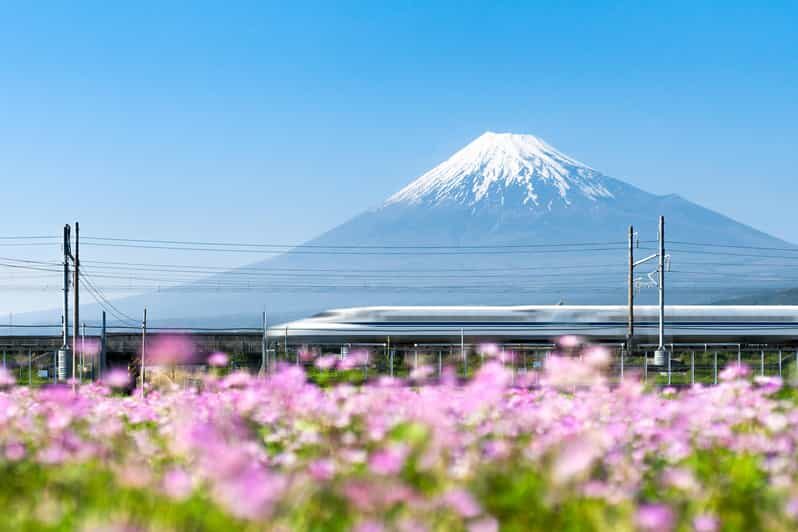
Explore Japan by JR train for 7, 14 or 21 days, with Shinkansen rides, free seat reservations and a flexible route from Tokyo to beyond.
A Japan Rail Pass can turn a long-distance trip into a string of easy choices: board a Shinkansen, watch Mount Fuji pass the window, then get off in a city you might otherwise have skipped. For the pass’s 7, 14 or 21 consecutive days, you can use JR trains across Japan, from Tokyo’s city lines to routes linking Kyoto, Hiroshima, Hokkaido and Kyushu.
I like two things in particular: you can make several long journeys without buying a separate ticket each time, and seat reservations on eligible trains are included. The pass also covers useful local JR routes and the JR ferry to Miyajima, making it more than a bullet-train ticket.
The trade-off is that it covers JR services, not every train or subway in Japan, and it excludes Nozomi and Mizuho Shinkansen trains unless you pay an additional fee. It can be good value if you travel widely, but you should compare its price with the journeys you actually plan to take.
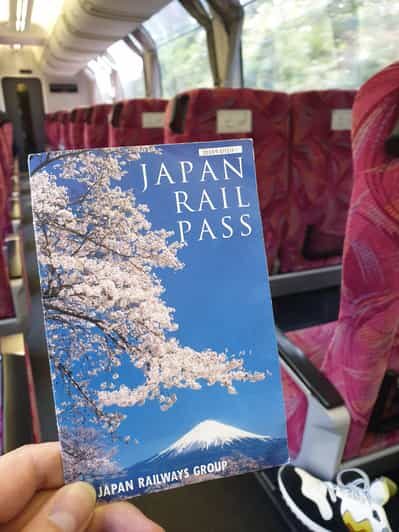
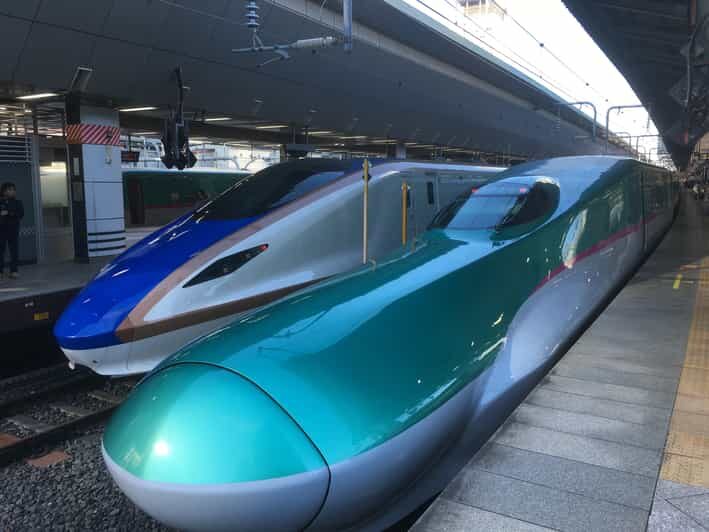
Japan’s rail network makes it possible to connect major cities quickly, and the pass offers unlimited travel on the JR network for the duration you select. That means you can use it for long Shinkansen trips as well as many local JR journeys, instead of paying each time you board a covered train.
The scale is impressive: the pass applies across more than 4,800 stations and about 23,000 kilometers of rail. But a big network does not mean every train is included. Tokyo and Osaka have subway lines and services run by other railway companies, so you may still need a separate fare or transit card for some trips.
It helps to think of this as a JR travel pass, not a universal transport pass. Check the train operator before you set off, especially when a route has several options. Even a line serving the same destination may not be covered if it is operated by another company.
Looking for more options in Tokyo? Here are some other experiences worth considering.
The listed price is $371 per person, though the pass is offered in different durations and standard or Green Class options. The right comparison is not the pass price against one impressive Shinkansen fare. Add up the JR journeys you expect to take during the pass’s active days, then compare that total with the cost of the pass you plan to buy.
A Tokyo-only visit is unlikely to make much use of a nationwide pass. If you are staying mainly in one city, local transport may be simpler and cheaper. By contrast, a trip that links Tokyo with Kyoto, Hiroshima and other distant stops gives you more chances to use the pass for expensive, long-distance rides.
The pass can also save time and mental effort. You do not have to buy a new ticket for every covered journey, and you can use JR gates with the pass. That convenience matters when you are moving often or prefer to decide where to go as the trip unfolds.
Still, convenience does not automatically mean savings. If your itinerary has only one or two major rail journeys, buying individual tickets may cost less. If you travel in a small group, compare the total for everyone, not just one person’s fare. And remember that local buses, non-JR trains and subway rides can add to your transport budget.
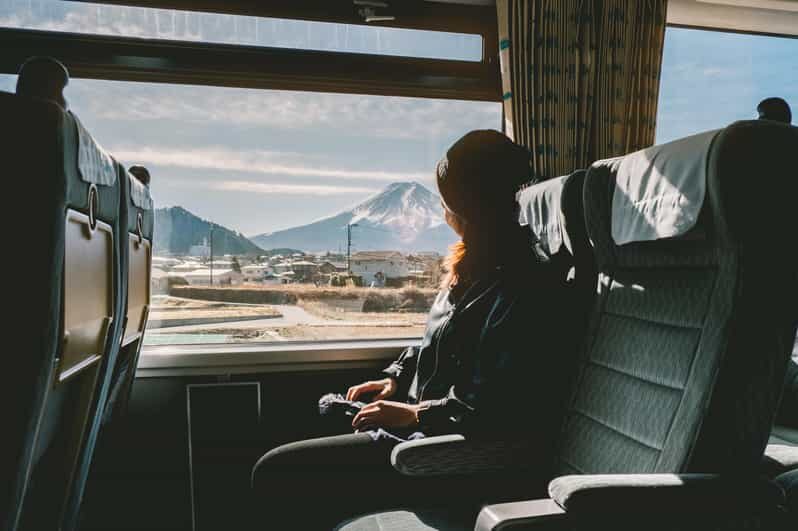
The suggested seven-day plan links several of Japan’s best-known places. It is useful as a route sketch, but it is a brisk schedule. You will change cities often, and several days include multiple stops. Treat it as a menu, not a test you have to finish.
After exchanging your voucher, you can head into Tokyo on the Narita Express from Narita Airport, about an hour, or the Tokyo Monorail from Haneda, about 20 minutes. The plan then uses the JR Yamanote Line to reach areas such as Shinjuku and Shibuya.
Tokyo is a strong starting point because you can get used to the pass on local trains before tackling a long Shinkansen ride. But it is a large city, and the pass does not cover every urban line. Check that your route is on JR before you tap or enter a station, and leave room for non-JR fares if your plans call for them.
More Great Tours NearbyNikko is about two hours each way by Shinkansen and the JR Nikko Line. The proposed visit allows around five hours for cedar-lined paths and the vermilion Shinkyo Bridge, with Toshogu Shrine as an optional stop that charges an entry fee.
This gives you a change of pace from Tokyo’s city streets and a reason to use the pass for a day trip. The drawback is the round-trip rail time: you will spend about four hours getting there and back, before counting the time needed to visit the sights. If you want a slower shrine visit, you may prefer to drop another stop elsewhere.
The Hikari Shinkansen takes about two hours and 40 minutes from Tokyo to Kyoto. Keep an eye out for Mount Fuji on the right-hand side of the train, as the route passes the mountain. The suggested afternoon is for Gion and Higashiyama, historic districts where an evening walk offers a different mood from the daytime bustle.
The Hikari is a key detail for pass holders: it serves the Tokaido route between Tokyo and Kyoto, while the faster Nozomi service is not included without an additional fee. The journey is still quick, but check the timetable and allow time to reach the station. Once in Kyoto, the plan gives you only a few hours to explore, so choose a small area rather than trying to cross the city.
From Kyoto, the JR Nara Line takes about five minutes to Inari Station, close to the torii-gate trail at Fushimi Inari. The itinerary allows roughly two hours there, then about 45 minutes by train to Nara, with three hours for Nara Park and its deer. Todai-ji, home to a giant Buddha, is an optional visit with an entry fee.
These stops make a practical pair because they connect by JR rail and show two distinct sides of the region. But it is a full day of walking, trains and sightseeing. If you want to explore Todai-ji at a relaxed pace, or spend more time on the Fushimi Inari trail, trim one of the other days rather than rushing through both.
The Shinkansen ride to Hiroshima takes about an hour and 45 minutes. The suggested visit includes around two hours at Peace Memorial Park, followed by a JR train journey of about 30 minutes and a roughly 10-minute JR ferry ride to Miyajima.
This is one of the pass’s most useful combinations: you can link a major city journey with a local rail trip and the ferry to the island. Miyajima’s floating torii gate is the headline sight, and the plan allows about three hours there. That is enough for a focused visit, but not a leisurely island day. The park and the island also call for different kinds of attention, so consider splitting them across two days if your schedule allows.
From Hiroshima, the suggested route takes about an hour by Shinkansen to Himeji. You can admire the white castle, often called Egret Castle, from its grounds, with around an hour and a half allowed. Going inside is optional and requires a separate entry fee. From Himeji, Osaka is about 30 minutes away by train.
Osaka adds a lively final stop, with Dotonbori and its street food given about three hours. This pairing works well if you are happy with a short castle visit and an evening in the city. If the castle interior matters to you, allow more time. The route’s pace leaves little margin for lingering or delays.
The plan gives you two ways to finish: return to Tokyo on the Hikari Shinkansen in about three hours, or take the Haruka Express toward Kansai Airport, listed at about 50 minutes. Your choice depends on where you need to be next.
A return to Tokyo makes the seven-day loop particularly rail-heavy. If you are flying from Kansai, ending in Osaka avoids retracing your route. Check the timing against your flight and allow a sensible buffer, rather than making your final connection a race.
A longer pass gives you more time to spread out the same route or travel beyond it. The suggested extensions include Hokkaido’s snowy regions, Kyushu’s hot springs, and Kanazawa and the Japanese Alps. The English guidebook includes regional route ideas, which can help you turn a tight highlights trip into a more measured journey.
The key benefit is flexibility within the pass’s consecutive-day window. You can spend longer in a city, change the order of stops or replace a destination, rather than following the Golden Route exactly. Do keep your activation dates in mind: a 14-day pass is not 14 separate travel days that you can save for later.
Seat reservations are included, and you can make them at JR offices or ticket machines. Some visitors arrange several Shinkansen seats at once when exchanging the voucher, while others reserve later. If you are travelling with a group and want to sit together, leave time to sort out the reservations. Ticket offices can have queues, and using the machines may take a little practice.
The pass also offers an upgrade to Green Class, the first-class option. It costs more, so weigh the extra comfort against how much time you expect to spend on trains. Standard reserved seats are also an option, and the pass includes reservations without an extra seat fee.
A luggage allowance is included on bullet trains, but a large suitcase can still make frequent hotel changes harder. Pack with your route in mind. The pass does not remove the work of getting your bags through stations or moving between trains, and the seven-day itinerary has several changes of base.
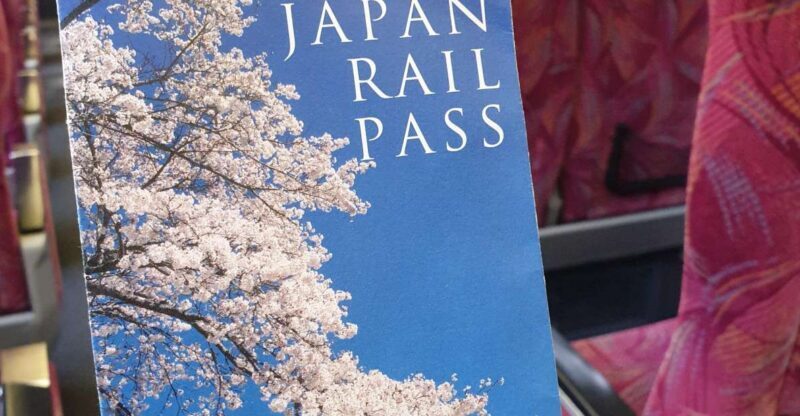
Order the pass before leaving home. A voucher is sent by FedEx or UPS to your home or office, with delivery included in the price, and it must be exchanged in Japan for the physical pass. Bring your passport to a major JR station or international airport, and check that the office you plan to use handles exchanges.
You must activate the pass within three months of its issue date. When you exchange it, you can choose a future start date, which helps you avoid using up a pass day on arrival if you are not travelling far that day. Keep the physical pass safe once you have it, since you use it to enter and exit covered JR services.
The pass is only available to eligible tourists: you must not hold a Japanese passport and must enter Japan under a temporary visitor visa or visa-waiver program. It is wheelchair accessible. You can cancel up to seven days in advance for an 80 percent refund.
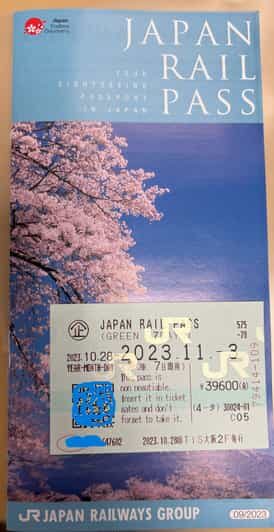
Book it if your plans include several long JR journeys during one uninterrupted 7, 14 or 21-day period. The combination of Shinkansen travel, local JR lines, included seat reservations and the Miyajima ferry can make a multi-city trip easier to manage. It is especially useful if you want the freedom to adjust your route without buying a fresh ticket for every covered ride.
Skip it, or compare carefully, if you are staying mostly in Tokyo or making only a couple of long trips. The pass does not cover every urban train, and the excluded Nozomi and Mizuho services may affect how you plan. Before paying, map your intended journeys, check which operator runs each one, and total the fares. If the numbers work and you value the convenience, the pass is a practical way to connect Japan by rail.
“The rail pass is convenient but very expensive and a little awkward to set up. It definitely pays to check what travel you’re intending to do and…”
You can choose a pass for 7, 14 or 21 consecutive days. The selected duration determines how long you can use it after its start date.
Yes. The voucher is mailed to your home or office, so you need to order it before your arrival in Japan.
Bring your passport. You exchange the voucher for the physical pass at a major JR station or international airport.
No. Nozomi and Mizuho are excluded unless you book them for an additional fee. Hikari and Sakura services are alternatives on the same routes.
Yes. Seat reservations on bullet trains are included, and you can make them at JR offices or ticket machines.
The pass covers JR services, not every subway or railway line. Check whether the specific service you plan to use is operated by JR.
It is available to tourists who do not hold a Japanese passport and enter Japan using a temporary visitor visa or under the visa-waiver program.
You can check availability for your dates here: