Physical Address
304 North Cardinal St.
Dorchester Center, MA 02124
Physical Address
304 North Cardinal St.
Dorchester Center, MA 02124

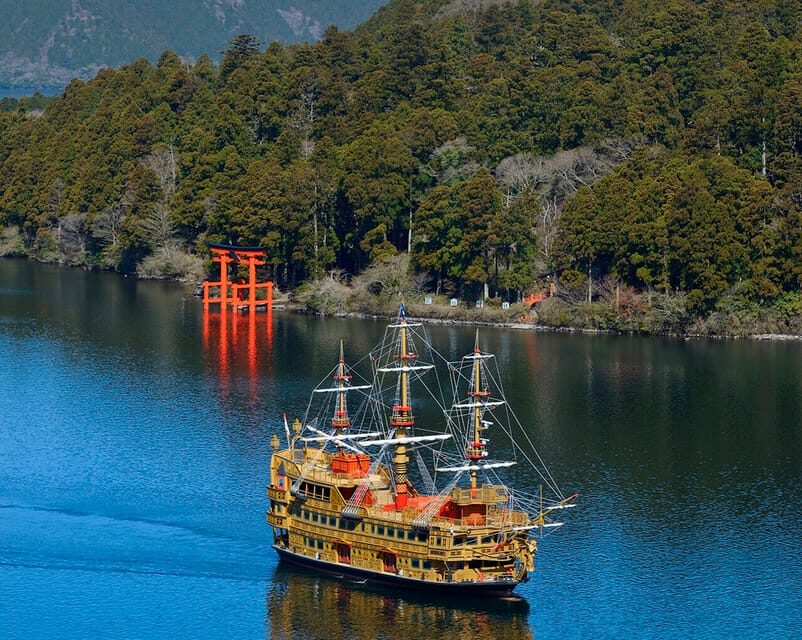
Visit Mount Fuji and Hakone on an 11-hour Tokyo tour with a ropeway, Lake Ashi cruise, optional lunch, and Shinkansen return.
Mount Fuji is the headline, but this day is really a sampler of Japan’s mountain country: a high-altitude stop, steaming volcanic ground, a lake cruise, and a fast ride back toward Tokyo. I like that the return by Shinkansen is included, and that the route pairs the Fuji area with Hakone instead of asking you to choose just one.
I also like the mix of transport and scenery: the bus handles the long distances, the ropeway gives you a changing view over Owakudani, and the Lake Ashi boat ride adds a gentler stretch. The main caveat is the one no tour can fix: clouds may hide Fuji, and the schedule is full, with some stops lasting only 20 to 45 minutes.
At $117 per person, this tour combines transport, a guide, the Hakone Ropeway, the Lake Ashi cruise, and a Shinkansen ticket. Lunch is included only if you select that option. That bundle can be good value if you want to cover several places in one day without planning each connection yourself.
The trade-off is time. You leave from Shinjuku and spend about two and a half hours driving toward the Fuji area, then continue through a packed route before reaching Odawara for the train. This is a day for seeing a range of places, not lingering at one.
Your guide leads the coach portion and helps keep the schedule on track. Guides named by visitors include Happy, Yumi, Ai, Sachi, and Hide, among others. The strongest experiences often involve guides who mix useful information with personal stories and a light touch. One guide even sang a Mount Fuji song, while another kept commentary informative without talking nonstop.
The tour has a 4.2 rating from 1,278 reviews, a useful sign that many people find the overall package worthwhile, though the day’s quality depends heavily on weather, traffic, and how much you enjoy an organized schedule.
Looking for more options in Tokyo? Here are some other experiences worth considering.
Meet your guide by the Nishi Shinjuku LOVE sculpture, outside the Shinjuku i-Land building. The meeting point is a recognizable landmark, but several tour groups may gather there, so check the tour name and guide before boarding. Arriving late is a serious problem: the schedule does not allow late arrivals to join the group along the way.
Once on the air-conditioned bus, settle in for the first long drive. The trip to the Fuji area takes about two and a half hours, and traffic can affect the day’s timing. Guides use the road time to share information about Japan, the places ahead, and local food. Some keep the bus lively; others leave room for a quieter ride.
The coach is practical rather than glamorous. It saves you from arranging multiple regional connections, but it also means a substantial portion of the day passes in transit. If you like watching the scenery change and having someone else manage the route, that is a fair exchange. If you prefer an unhurried visit in one place, the itinerary may feel compressed.
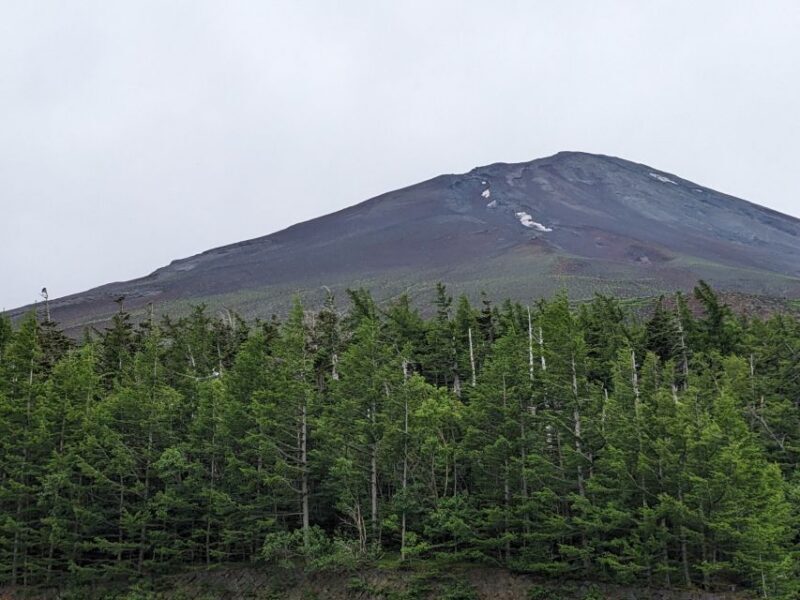
The bus aims to reach Mount Fuji’s 5th Station, at about 2,300 meters above sea level. This is not a summit climb. It is a high-access point where you can stand on the mountain, look toward the peak if it is visible, visit Komitake Shrine, and browse for souvenirs.
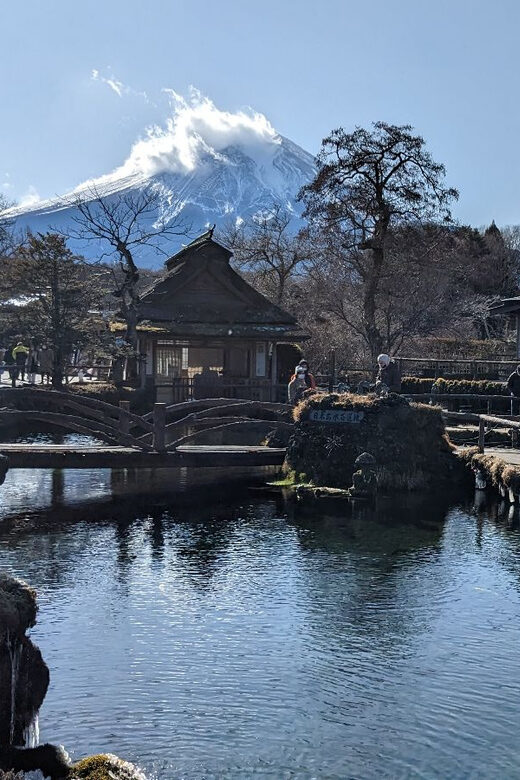
Clouds can move quickly here, which may give you a fleeting view or none at all. High humidity, heavy rain, and fog can block Fuji, and there is no refund for weather-related disappointment. If road conditions or bad weather prevent the bus from reaching the 5th Station, the guide takes the group to the highest point possible instead. A winter visitor, for example, described being taken to a snow-covered pond area when the planned access was not possible.
That flexibility matters, but it cannot guarantee the famous view. I’d book this as a day in the Fuji and Hakone region, not as a promise of a clear Fuji photograph. When the mountain does appear, the 5th Station is a particularly satisfying place to see it because you are already high on its slopes.
Time here is limited. One visitor wanted more time at the station, and that is a reasonable expectation to manage: you will have a chance to look around, but this is one stop in a full-day circuit.
The lunch stop lasts about 45 to 60 minutes. If you select the meal option, expect a Japanese-style hot pot and half buffet, with drinks not included. Food opinions vary: some people find the meal a highlight, while others find it ordinary or prefer the rice and fried chicken to the hot pot and other dishes.
That variation is worth keeping in mind if you have firm food preferences. Tell the operator about dietary restrictions in advance so arrangements can be considered, and check the booking choice carefully if you want lunch included. Water may be available, but soft drinks cost extra.
The lunch stop is useful as a planned pause in an active day, rather than a meal to build your expectations around. If you prefer more control over what you eat, the supplied details do not specify alternative dining arrangements, so ask before booking rather than assuming you can choose a nearby restaurant.
More Great Tours Nearby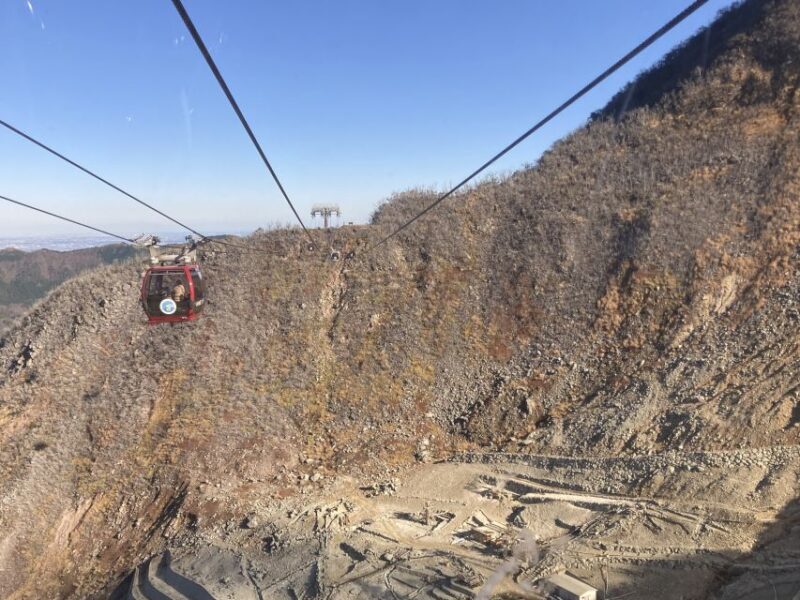
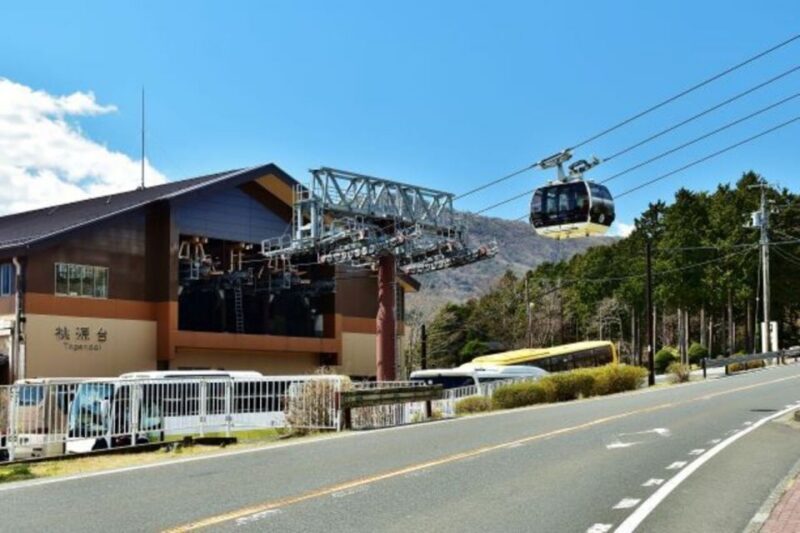
At Owakudani, the Hakone Ropeway carries you through the volcanic area. The changing elevation is part of the appeal: the view opens across the slopes, and on clear days you may see Fuji from the gondola. You can also notice the area’s volcanic activity, including sulfurous emissions.
The ride is a highlight for many people, but it may be uncomfortable if you have a strong fear of heights. One visitor with a serious concern about heights found the cable car nerve-racking at first, then enjoyable once aboard. If that sounds like you, it helps to know about the gondola before you book.
At the stop, you can buy the well-known black eggs, cooked in sulfur-heated water, as well as souvenirs. The eggs are not included in the tour price. A café treat shaped like Fuji, with cream at the top, was a hit with one visitor, but food options and availability can vary.
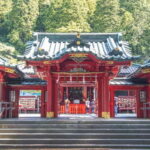
The ropeway may not operate in some conditions. If it and the Hakone Pirate Ship are unavailable, the route can be redirected to alternatives such as the Komagatake Ropeway, a Lake Ashi cruise, the Fuji Panoramic Ropeway, Mishima Skywalk, Narukawa Art Museum, Hakone Checkpoint, or Hakone Shrine. The exact substitute depends on conditions, so the planned combination of attractions is not guaranteed.
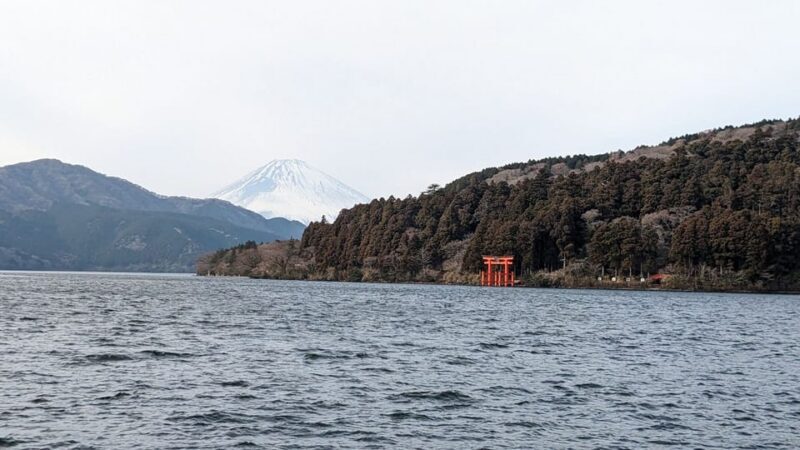
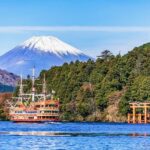
The cruise across Lake Ashi is a welcome change of pace after the bus and gondola. The boat is described as a pirate ship, with elaborate decoration that can make the ride feel more unusual than a standard ferry crossing. From the deck, look for Fuji across the lake when visibility allows.
The view is weather-dependent, just like the mountain stop. On a clear day, the lake and Fuji make a strong pair; in mist or rain, the boat still provides a ride across the water, but the scenery can be muted. If the boat’s snack counter is important to you, buy what you want soon after boarding. Limited items can sell out quickly, and the available choices may be slim.
Between the ropeway and cruise, Hakone adds variety that a Fuji-only outing would miss. You see the region from above and from the water, with volcanic ground between. The drawback is that these are timed visits, not open-ended explorations.
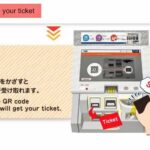
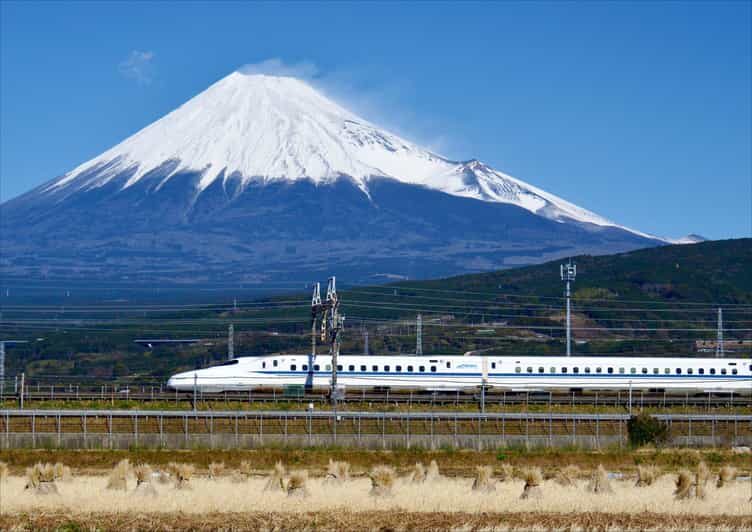
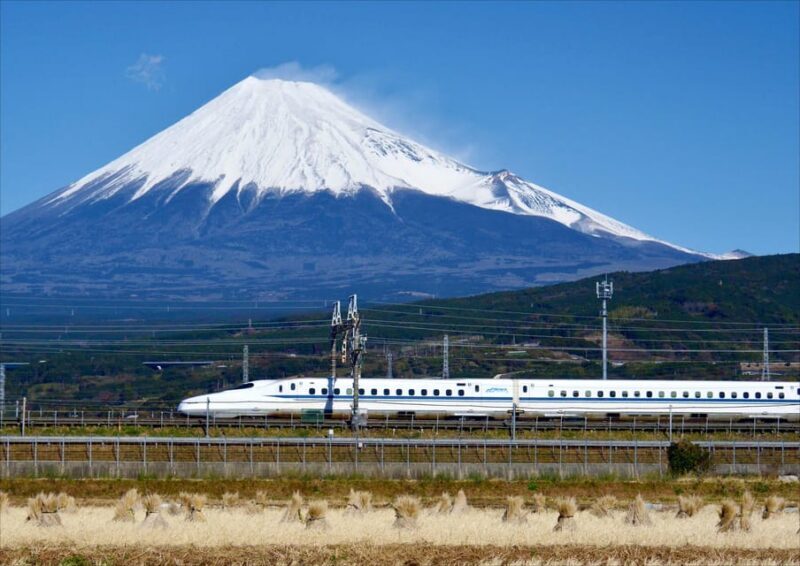
The day ends at Odawara Station, where you take the bullet train back toward Tokyo on your own. The included ticket is non-reserved, so you can board an available non-reserved coach. The train ride to Tokyo typically takes about 34 minutes, though the precise train you can catch depends on bus traffic on the way to Odawara.
The guide does not ride with you. You receive directions, then manage the station and boarding independently. Trains run twice an hour, and the listed 2025 timetable includes both Kodama and Hikari services; schedules may change. Follow the instructions you receive on the day, rather than relying on an old timetable.
You can also get off at Shinagawa, one stop before Tokyo, and use the same Shinkansen ticket to transfer to the Yamanote Line for Shinjuku or other destinations along that line. This can be handy if it suits your onward route. If you already have an active JR Pass and do not need the included ticket, or want the cheaper, slower bus return, there is a separate version of the tour that ends at Odawara.
The train is more than a practical ride home. It gives the day a fitting final change of pace, from mountain roads and lake water to one of Japan’s best-known rail experiences. Just remember that the tour ends when you reach Odawara, not when you arrive back in Tokyo.
This works best for you if you have limited time in Tokyo and want a guided overview of Fuji and Hakone in one day. It is especially useful if you value having transport, the ropeway, cruise, and return train arranged together. The guides are a real part of the experience, and many are praised for keeping the day organized, friendly, and informative.
It is less suitable if you want long stretches at each stop, dislike spending time on a coach, or are booking mainly for a guaranteed view of Mount Fuji. Weather can conceal the mountain, and traffic can affect the schedule. The tour is also marked as unsuitable for pregnant women.
Wheelchair users can take part, and sightseeing stops are wheelchair-accessible. However, the standard buses have no lift or ramp. Folding wheelchairs can generally be carried in the luggage compartment, while electric wheelchairs may not fit because of size and weight limits. Contact the operator when booking to confirm arrangements.
My call: Book it if you want a full, varied day and can accept that Fuji may be hidden. Choose another plan if a clear view or a slow visit to one particular stop is essential. At this price, the bundled transport and return train make a strong case, as long as you treat the schedule as a well-organized sampler rather than a private day in the mountains.
“overall we enjoyed this day tour from Tokyo. unfortunately the weather didn't cooperate for Mt Fuji, but it was still an enjoyable experience. most…”
The tour lasts about 11 hours. The drive from Shinjuku to the Fuji area takes around two and a half hours.
Meet the guide by the Nishi Shinjuku LOVE sculpture outside the Shinjuku i-Land building. Late arrivals cannot join the tour midway.
No. The tour visits the 5th Station, at about 2,300 meters, when conditions allow. If the bus cannot reach it, the guide visits the highest point possible instead.
No. Humidity, heavy rain, fog, and other weather conditions can hide the mountain. There are no refunds for weather-related complaints.
Lunch is included only if you select the lunch option. It is described as a hot pot meal with a half buffet. Drinks are not included.
The tour may be redirected to an alternative such as the Komagatake Ropeway, Lake Ashi cruise, Fuji Panoramic Ropeway, Mishima Skywalk, Narukawa Art Museum, Hakone Checkpoint, or Hakone Shrine.
The tour ends at Odawara Station. You take the Shinkansen back to Tokyo independently, without the guide.
No. The included Shinkansen ticket is for a non-reserved seat. The train you take depends on traffic during the bus journey to Odawara.
Yes, the sightseeing stops are wheelchair-accessible. The standard buses do not have lifts or ramps; folding wheelchairs can generally go in the luggage compartment, while electric wheelchairs may not fit. Contact the operator when booking.
You can check availability for your dates here: