Physical Address
304 North Cardinal St.
Dorchester Center, MA 02124
Physical Address
304 North Cardinal St.
Dorchester Center, MA 02124

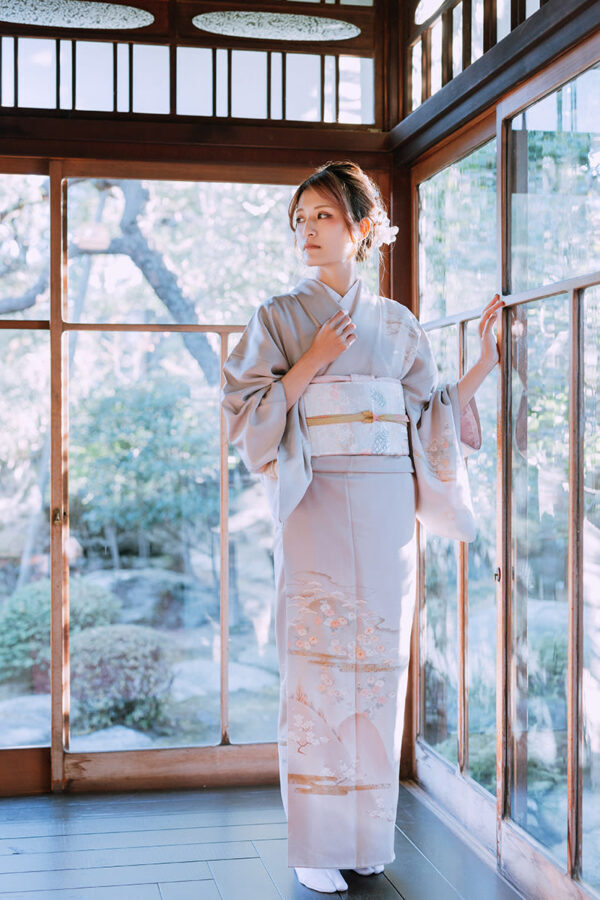
Rent a kimono or seasonal yukata in Asakusa, get help dressing and styling your hair, then explore near Senso-ji before returning by 5 pm.
A kimono changes the pace of an Asakusa day. At Kimono Miyabi, you choose an outfit, let professional dressers help you put it on, then head out around the temple district in traditional Japanese dress. It is a hands-on way to make a visit to one of Tokyo’s best-known old neighborhoods feel a little different.
I like the choice of outfits and the practical help: staff can guide you through picking a kimono and obi, then take care of the complicated dressing. I also like the location, close to Senso-ji, so you can get straight to sightseeing once you are ready.
The main consideration is timing. Dressing takes about 40 to 55 minutes if you include the listed selection and optional basic hairstyling, and the rental needs to be back before 5 pm. That leaves less time for a long day out if you book a later start.
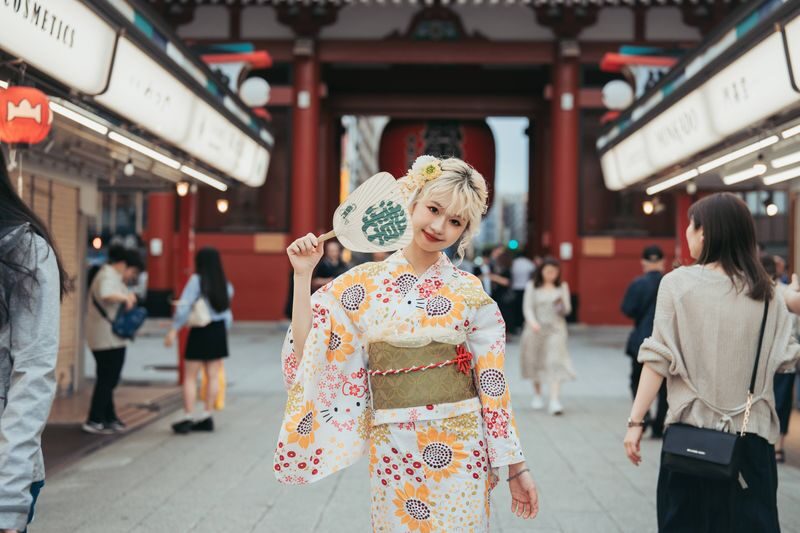
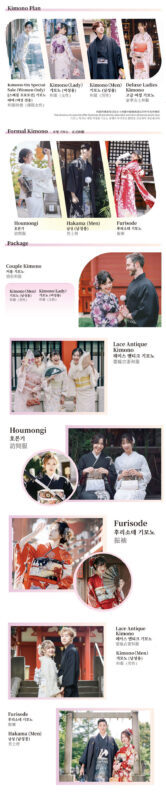
This is a rental and self-guided outing, not a walking tour with a guide. You meet at Kimono Miyabi’s Asakusa main branch, show your mobile voucher, choose your outfit, and set off on your own after the dressing process.
The shop is at 3 Chome-30-2 Asakusa, Taito City. It is close to Senso-ji, so the location works particularly well if you plan to spend the day around the temple, its approaches, and nearby streets. You do not need to build a separate cross-town transfer into your plans.
The listed women’s sale package gives you a choice from 20 selected kimonos. The shop’s broader collection is described as much larger, with options for men, women, and children, but the exact selection depends on the package you book. If you have a particular look in mind, check what your chosen package includes rather than assuming every garment in the shop is part of the base price.
After choosing a kimono, you can select an obi, the sash that helps complete the outfit. Staff can help match colors and patterns to your preferences. That guidance is useful if you are not sure what works together, and it can save you from treating the selection process like a test you did not study for.
The basic schedule allows 10 to 20 minutes to pick your kimono and obi. Professional dressing takes another 15 to 20 minutes. For women’s packages that include basic hairstyling, allow about 15 more minutes, or roughly 40 to 55 minutes in total before you leave. These are estimated service times, so arrive at your booked slot on time and allow a little breathing room in your wider day.
Looking for more options in Tokyo? Here are some other experiences worth considering.
The seasonal distinction is simple: from June 1 to September 15, the shop provides yukata; outside that period, the experience uses kimono. The activity describes a range of designs, and the available choices can differ by package and season.
If you are booking the listed sale women’s package, note the stated fit limits: women’s kimonos are available for heights from 150 to 170 centimeters, and the maximum waist and hip circumference the shop can accommodate for adult kimonos is 110 centimeters. These details matter more than a photo of a lovely pattern. Check your measurements before paying, especially if you are near either limit.
The shop has changing rooms for men and women, and you may rent a garment from the opposite gender. That flexibility may help if you prefer a particular cut or design. The experience is also described as suitable for children, though the specific package details and sizing options should be checked before you book for a family.
There is no need to know how to wear a kimono yourself. Professional dressers help you get into it, which is one of the strongest reasons to rent from a shop rather than try to assemble a traditional outfit alone. A securely arranged kimono also matters once you start walking and taking photos around Asakusa.
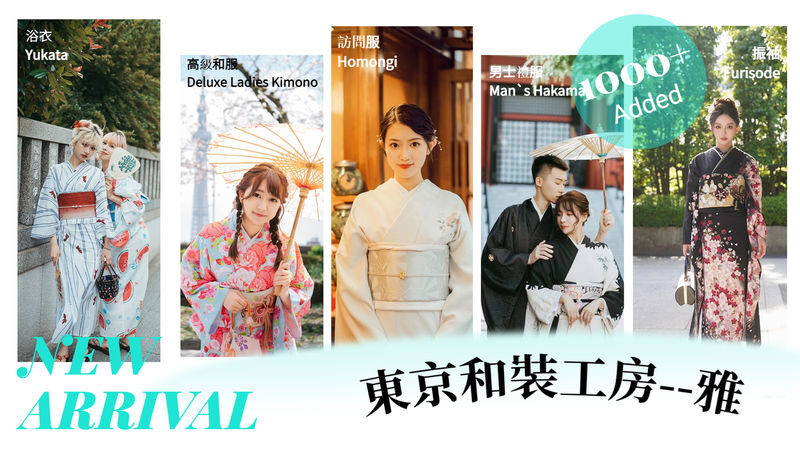
Once dressed, you leave the shop and explore independently. Senso-ji is close by, so you can make the temple district your first stop without needing to plan a long route. The outfit becomes part of the outing: you are not only looking at Asakusa’s traditional setting, you are also dressed for it.
There is no guided route or set list of stops. That freedom is a plus if you want to pause for photos, browse at your own pace, or build the rental into a larger day in the neighborhood. It also means you are responsible for keeping an eye on the time and getting back to the shop before the return deadline.
A kimono is not everyday sightseeing clothing, so set expectations accordingly. You will be dressed in several layers and need to take care not to stain or damage the garment. The shop warns that permanent stains, missing pieces, burns, or other damage can lead to a charge of three times the rental fee. Take care around food, drinks, and anything that could leave a mark.
The rental includes a handbag, which gives you somewhere to keep a few small items while you walk. Free storage is available at the shop, but leave valuables with you: the operator does not accept responsibility for lost or damaged property in storage.
The advertised starting price is $17.69, but treat that as an entry point, not a promise that every option costs the same. The price depends on the package. The listed women’s sale package includes a selected kimono, basic hairstyling, a simple hair accessory, and a handbag. Make sure you compare package inclusions before adding extras.
Professional hairstyling is available as a women-only add-on. It is separate from the basic hairstyling included with the listed package, so check which level you are choosing when you book. Make-up is not included, and neither is photography unless you select a package that adds it.
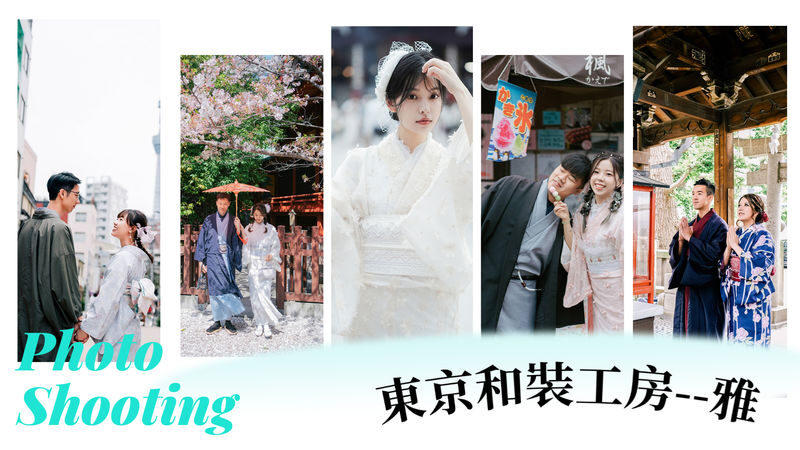
There are options for couples and groups of two, including packages with 30- or 60-minute photo shoots. Photography takes place outdoors. The photographer selects the photos and sends them by email three working days after the shoot; download them within 15 days, since the link expires. Extra retouching may cost more, so discuss that with the shop on the day if it matters to you.
The photo option makes sense if you want finished portraits and do not want to rely only on phone snapshots. But it is an add-on, not a built-in part of every rental. If your main goal is simply to wear a kimono and take your own pictures around the temple, the basic rental may be enough.
At a starting price of $17.69, the experience can be an affordable way to add a distinctive activity to an Asakusa visit. The value comes not just from borrowing a garment, but from having staff help you choose it and dress you properly. For a first-time wearer, that hands-on assistance is likely more useful than a slightly lower price at a shop with fewer included services.
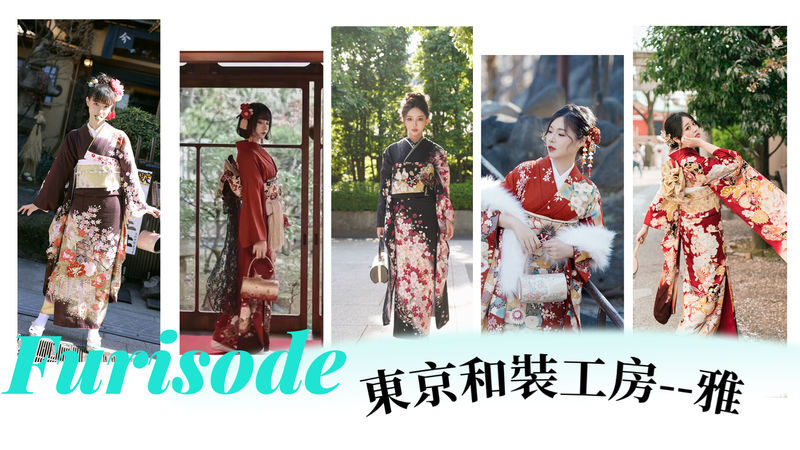
Still, the starting price does not tell the whole story. Packages range from a basic rental to deluxe or formal outfits, couples’ options, photography, and professional hair styling. If you want a particular kimono tier or a photo session, compare the total cost of the package you actually want rather than relying on the lowest advertised figure.
The experience is especially good value if you already plan to spend time in Asakusa. You avoid setting aside a separate block of the day for transport, and the rental gives your visit a clear focus. If you only have a few hours in the area, choose an early departure so you have more time in the outfit before returning it.
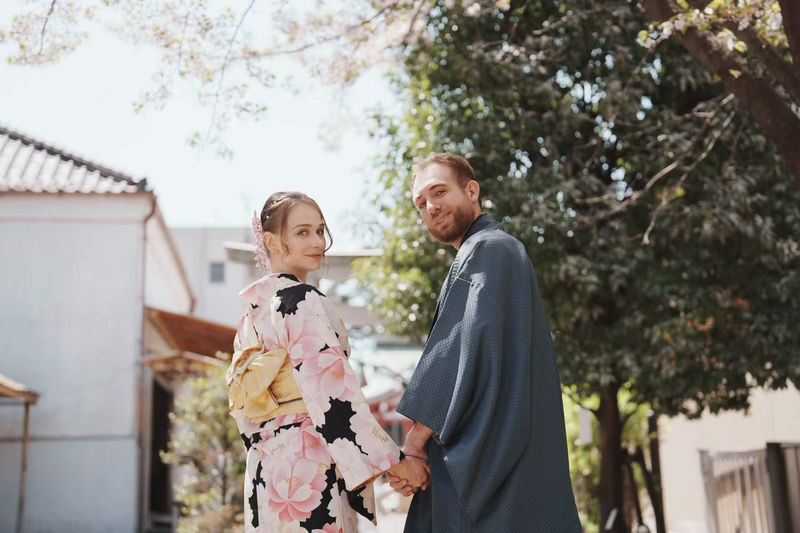
You choose a departure time when booking, from 9 am through 3 pm in half-hour intervals. The return time shown is 5 pm, with options depending on your selected departure and itinerary duration. In practical terms, an early start leaves the longest sightseeing window. A late booking still works for a short visit, but it gives you less time before the deadline.
Arrive on time. If you are more than 30 minutes late, staff will reschedule the experience for you, which could disrupt the rest of your day. The voucher is valid only on the date you booked, and changes are allowed until 24 hours before the activity, subject to the stated restrictions.
There are extra charges if you return late. A return between 5:30 and 6 pm costs ¥1,000 per person; after 6 pm, the rental is treated as overnight, with a surcharge of ¥1,000 to ¥5,000 depending on the kimono. The simplest plan is to set an alarm and head back with time to spare.
Bad weather can also affect plans. You will be notified by email three days before your scheduled date if the operator cancels because of weather. In case of extreme weather or other unforeseen events, you can reschedule or request a full refund. The activity is not recommended for pregnant women.
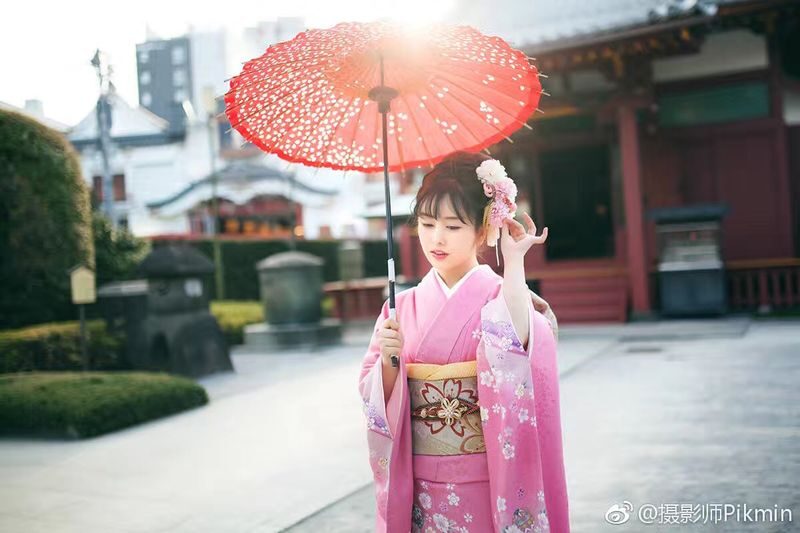
I would choose this experience if you want a memorable way to explore Asakusa, enjoy dressing up, and are happy to spend several hours in a rented outfit. It suits couples, friends, solo visitors, and families looking for a shared activity, with choices for adults and children.
It is also a good fit if you want help with the practical parts. Staff assist with outfit selection and dressing, and Chinese-speaking staff are listed as included. The shop is described as multilingual, and English-speaking assistance has also been noted, but the clearest confirmed language provision is Chinese.
Skip it if you need a full day in the same outfit, dislike fixed return times, or fall outside the stated fit range for women’s kimonos. You may also want to reconsider if you would rather avoid managing delicate clothing while walking and taking photos. This is a pleasure outing, not a hands-free costume change.
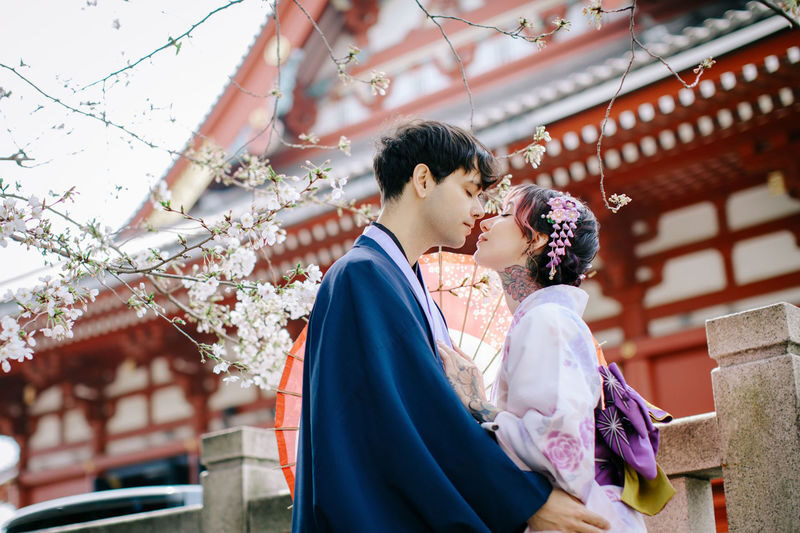
Book Kimono Miyabi if you want to make an Asakusa visit more special without giving up the freedom to explore on your own. The useful combination is a broad outfit selection, professional dressing help, and a location close to Senso-ji. For the best value, choose your package based on what you genuinely want, then book an early departure to make the most of the rental before the 5 pm return.
If the main draw is a professional photo set, choose a package that includes photography and allow time for the outdoor shoot. If you just want the experience of wearing a kimono and wandering near the temple, the basic rental is the simpler choice. Check the fit limits and seasonal yukata dates before booking, and you should know exactly what kind of outing you are signing up for.
“Highly recommended!!!”
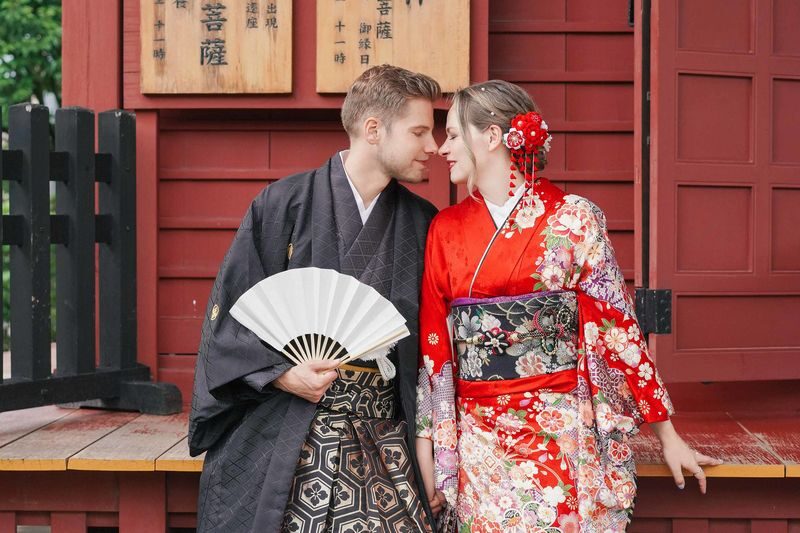
The listed sale package includes a choice of one of 20 selected kimonos, basic hairstyling, a simple hair accessory, and a handbag. Make-up, photography, and professional hairstyling are not included.
Yukata are provided from June 1 through September 15. Outside those dates, the activity provides a kimono.
Choosing a kimono and obi takes about 10 to 20 minutes. Dressing takes about 15 to 20 minutes, and basic hairstyling takes another 15 minutes when included.
Return the outfit before 5 pm. A return between 5:30 and 6 pm incurs a ¥1,000 per-person surcharge, and a return after 6 pm is treated as an overnight rental with a surcharge of ¥1,000 to ¥5,000, depending on the kimono.
Women’s kimonos are available for heights from 150 to 170 centimeters. The maximum waist and hip circumference the shop can accommodate for adult kimonos is 110 centimeters.
Photography is not included in the basic package. Separate packages offer outdoor photo shoots, including options for groups of two with 30- or 60-minute sessions.
You can receive a full refund if you cancel at least 24 hours before the activity date, in destination local time. Changes are allowed until 24 hours before the activity, subject to the stated booking restrictions.