Physical Address
304 North Cardinal St.
Dorchester Center, MA 02124
Physical Address
304 North Cardinal St.
Dorchester Center, MA 02124

Visit Fuji viewpoints, Oshino Hakkai springs, Kawaguchiko and a thatched-roof village on a full-day trip from Tokyo.
Mount Fuji is the star, but this trip’s appeal is seeing it from several very different settings in one day: above Fujiyoshida’s rooftops, beside clear spring ponds, across a flower-lined lake and beyond an old thatched-roof village. The mountain is never on cue, though. Clouds can hide it, especially in summer.
I like the mix of classic Fuji viewpoints and rural stops, and the convenience of round-trip transport from Tokyo for a route that would take planning to piece together yourself. I also like that the seasonal stop shifts between Oishi Park and Kawaguchiko’s Maple Corridor.
The trade-off is a long day with short visits and plenty of time on the road. Traffic, weather or a site’s operating status can change the plan, so book this for variety and convenience, not a slow, unhurried visit to every stop.
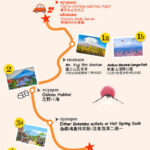
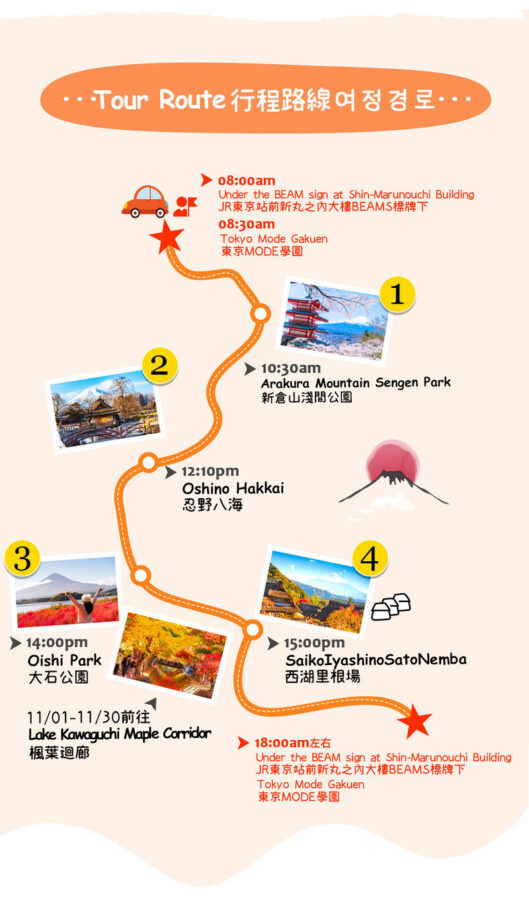
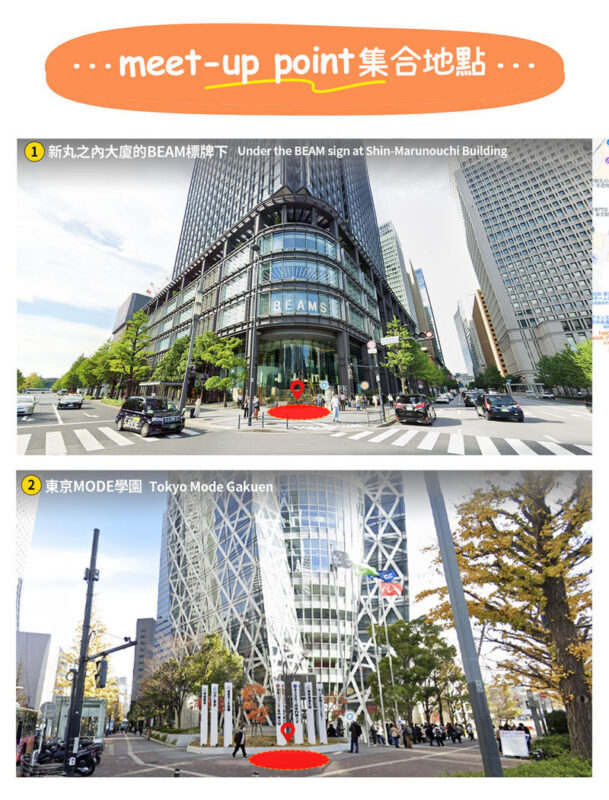
The tour starts at either 8:00 am under the BEAMS sign at the Shin-Marunouchi Building by Tokyo Station, or at 8:30 am at Tokyo Mode Gakuen in Shinjuku. You select a meeting point when booking. Arrive at least 10 minutes early, and check the operator’s email the evening before for the guide and vehicle details. It can land in your spam folder.
The meeting instructions matter. Multiple tours may gather near the same areas, and finding the correct group can take a moment. Look for the GOGODAY flag and do not switch meeting points at the last minute. The operator says late arrivals cannot be accommodated or refunded, so give yourself a buffer rather than arriving just on time.
Transport is shared, with the vehicle type based on the number of people booked. A large coach is not guaranteed. If the group is small, a smaller vehicle may have less legroom and storage space, and the driver’s commentary may be brief. One person described limited knee room in the middle rows, a useful warning if you are tall or want a relaxed ride.
The tour offers English- and Mandarin-speaking guide options, though people speaking different languages may share the same vehicle. Seat requests can be noted, but allocation is generally first come, first served and ultimately coordinated on the day. The guide’s communication can shape the experience: clear meeting directions, return times and stop instructions are especially valuable when everyone is working to a tight schedule.
You might also be interested in these Fujiyoshida experiences
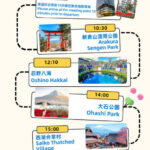
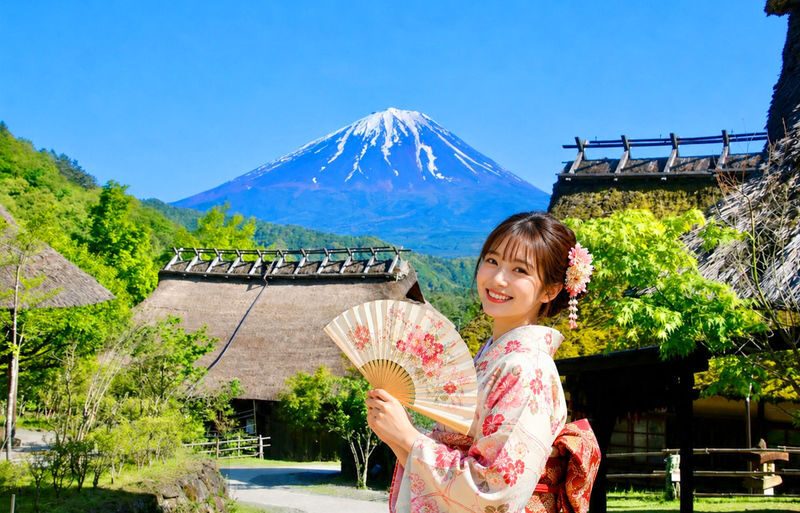
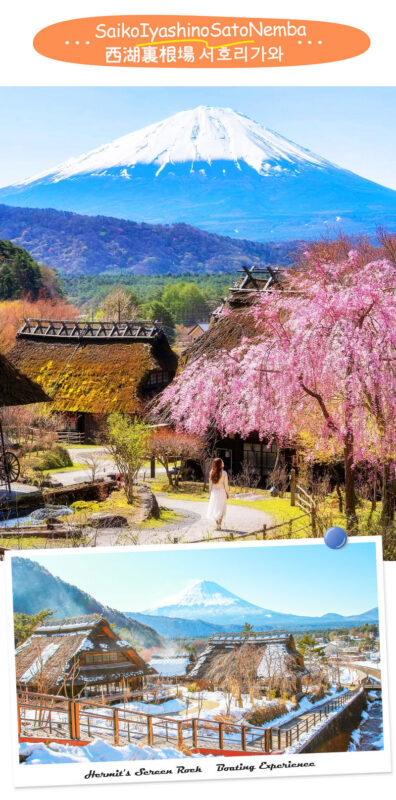
The first scheduled visit is Saiko Iyashi-no-Sato Nenba, a traditional village of thatched-roof houses with views toward Mount Fuji and the Aokigahara forest. You get about an hour to explore on your own. This stop changes the pace from photo hunting to a look at rural architecture and village scenery.
Admission to the village is included. The tour description also mentions free Japanese kusa mochi, though it is not listed among the included items, so confirm that detail before you book if it affects your decision.
The village is a particularly appealing stop if you want more than a sequence of mountain viewpoints. Its thatched roofs and pastoral setting give the day a cultural element, although the visit is still brief and self-guided. You will need to make your own choices about where to spend the hour.
There is also a practical caveat: the site can be closed or unavailable. A change may mean a substitute stop, and an alternative such as an ice cave is not the same experience as a traditional village. If Nenba is your main reason for booking, check its operating status as close to departure as possible and understand that weather or other conditions can lead to changes.
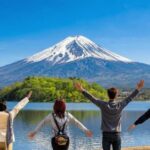
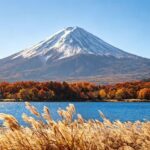
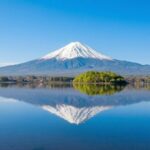
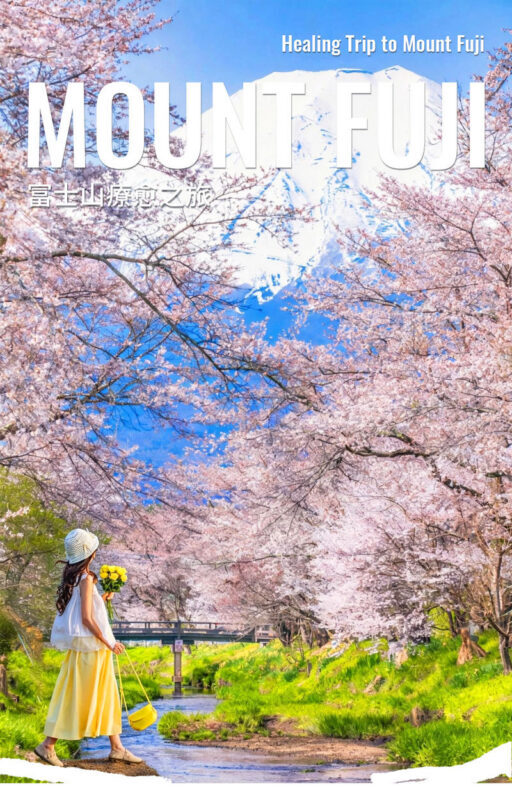
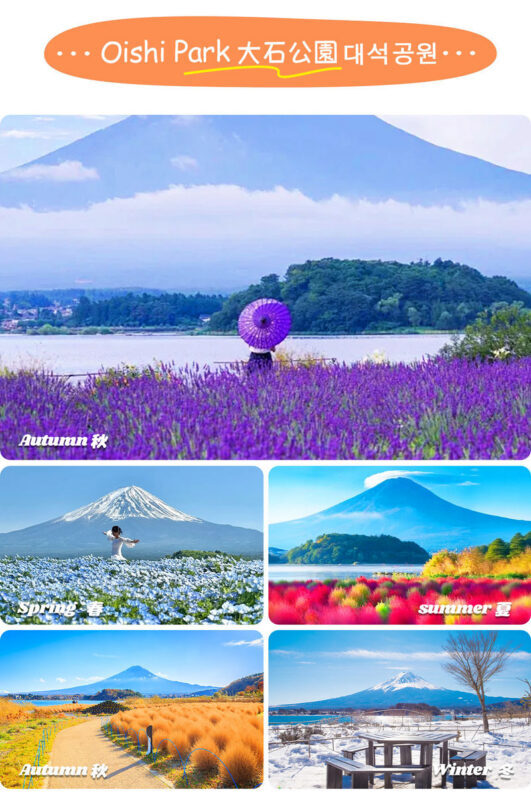
Around noon, the tour allows about 40 minutes at Lake Kawaguchiko. On most dates, the stop is Oishi Park, known for its seasonal flowers and open views toward Fuji. Lavender is the summer draw, while red kochia, often called burning bush, colors the park in autumn. In spring, the wider Kawaguchiko area is known for cherry blossoms beside the lake and mountain.
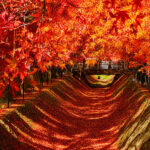
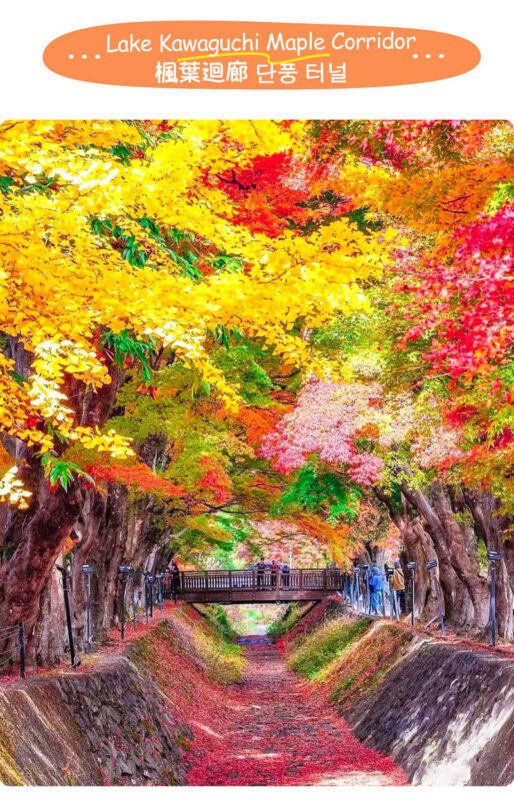
From November 1 to 30, the itinerary switches to the Maple Corridor, where autumn leaves form the main attraction. The change is seasonal, not a choice you make on the day. Peak color depends on weather, so the calendar dates do not guarantee the maples will be at their best.
Forty minutes is enough for a stroll and photos if you keep moving, but not for a long lakeside wander. The tour description notes that some sights may be skipped due to capacity or weather. A flexible mindset helps: this is a quick taste of the lake area, not a full Kawaguchiko visit.
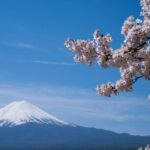
The mountain’s visibility is the wild card. Summer haze and cloud can obscure the summit, and even a clear morning can turn cloudy later. I would treat a Fuji view as a fortunate bonus, not a promise. If the mountain appears, the lake and seasonal plants give you a different frame from the pagoda viewpoint.
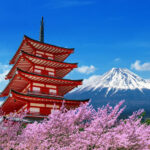
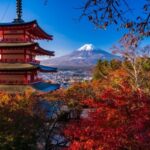
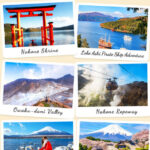
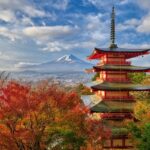
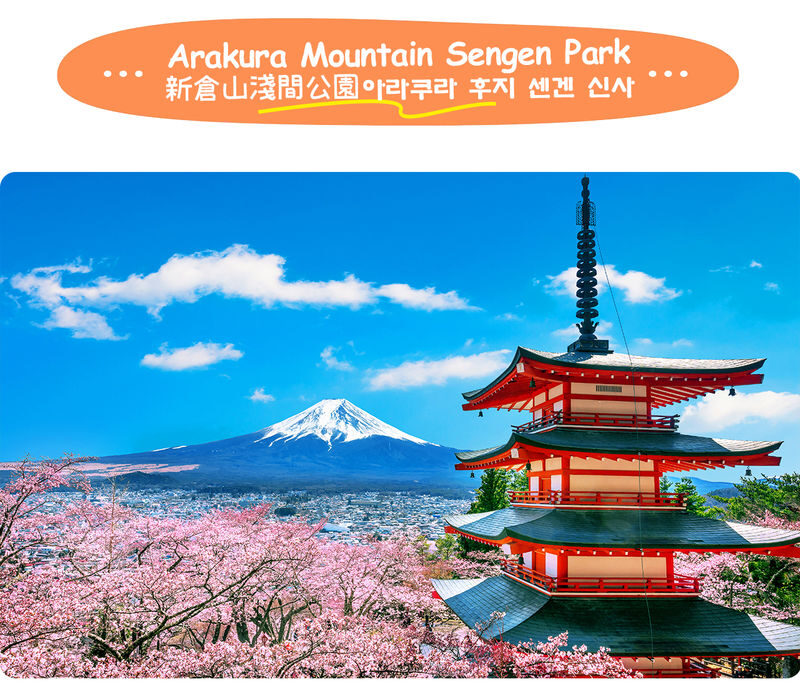
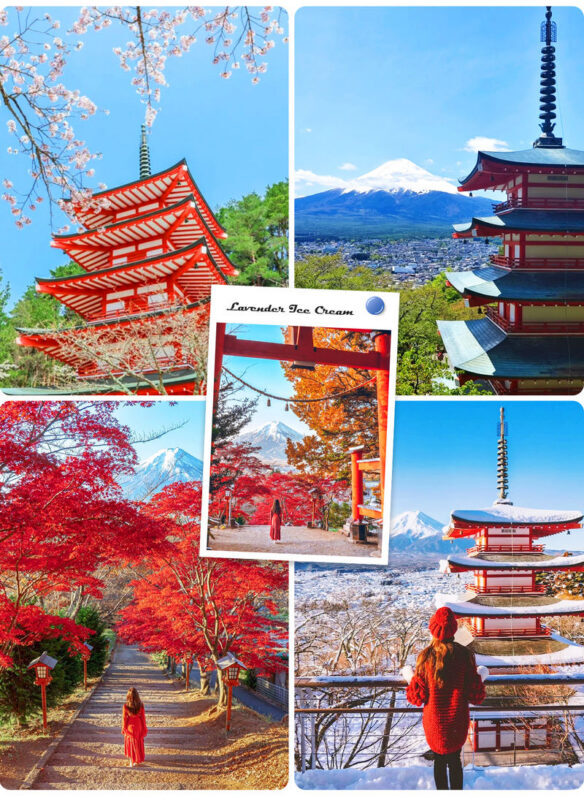
At about 2:00 pm, you get roughly 70 minutes at Arakurayama Sengen Park. The signature view combines Mount Fuji, Fujiyoshida and the five-storied pagoda. Cherry blossoms make spring especially popular, but the park changes through the year, with green foliage in summer, autumn color and winter snow.
Reaching the main viewpoint involves climbing 397 steps near the hall. That climb is part of the visit, not a small detour. Take your time on the stairs, wear comfortable shoes and leave enough minutes for the return descent. The allotted stop can feel tight if you want to climb slowly, take photos and explore beyond the main viewpoint.
Crowds are another consideration at this popular photo spot. A guide may help with group photos and point you toward a good angle, but you should still expect to share the view. Guides including Sia and Kazi have been praised for taking photos and giving clear directions; guide assignments vary, so don’t count on a particular person.
This is the stop most likely to deliver the classic Fuji-and-pagoda image, but it is also the one where the combination of stairs, crowds and a firm return time can feel strenuous. If mobility or steep steps are a concern, weigh that carefully before booking.
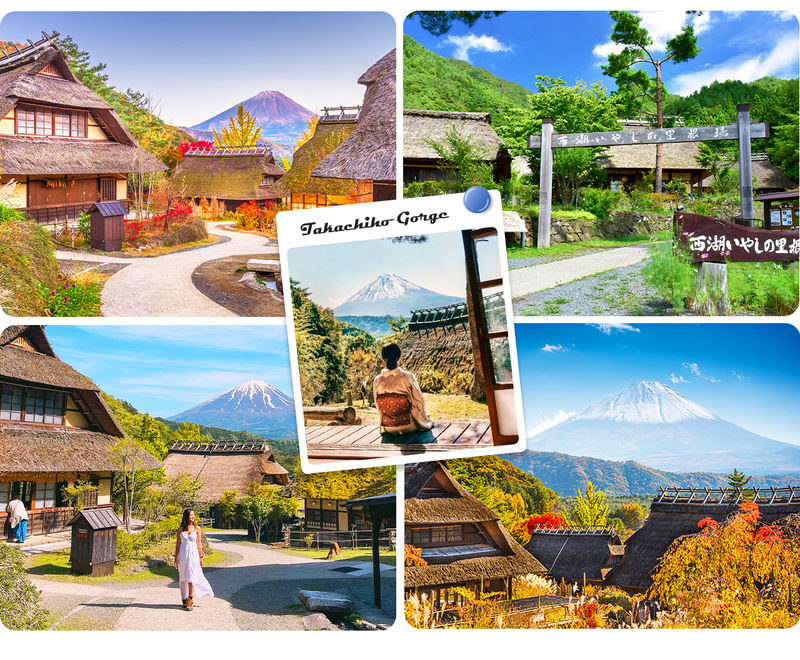
The final scheduled attraction is Oshino Hakkai, with about 50 minutes to see its eight clear spring ponds. The water comes from Mount Fuji’s snowmelt, filtered through layers of earth before it emerges at the village. The ponds and surrounding mountain views make this a more intimate stop than the broad panorama at Arakurayama.
The time is enough to walk around and take a look, but it can pass quickly if you stop at every pond or browse the area. Some people use the visit to pick up snacks or souvenirs, but keep an eye on the return time. Guides who explain the sites and make the meeting point clear are particularly helpful here.
The tour is scheduled to head back to Tokyo around 5:30 pm, with arrival estimated between 5:30 and 6:30 pm. Traffic can make the return later. Don’t book a dinner reservation, train connection or evening activity that depends on arriving at a precise time.
The tour’s long name includes Hikawa Clock Shop and mentions a town often associated with the Fuji photo route. However, the timed schedule supplied for this day does not list a stop at the clock shop. The day’s named stops are Saiko Iyashi-no-Sato Nenba, Oishi Park or the Maple Corridor, Arakurayama Sengen Park and Oshino Hakkai.
That mismatch matters if you are booking for a particular photograph or location. Treat the clock shop as unconfirmed unless the operator verifies it for your departure date. The schedule can also be adjusted for traffic, weather, capacity or a site’s operating hours, though the guide is asked to preserve the listed attractions where possible.
Prices start at $49.25. For a full-day trip from Tokyo, that can be good value if you want to see several areas without arranging separate transport. The route covers a mountain viewpoint, springs, a lakeside park and a traditional village, with round-trip transfers and a guide. Admission to Saiko Iyashi-no-Sato Nenba is included.
Meals, drinks and personal expenses are not included. Lunch arrangements are not specified in the tour details, and the day has limited free time, so bring food or be prepared to eat where the group stops. Keep some cash handy for purchases and any costs not covered by the tour.
The main value is convenience and range, not a leisurely pace. If you hired transport or planned each connection independently, you could spend more time at one or two locations, but you would take on the logistics. Here, the trade is simple: less control over the schedule in return for several stops in one day.
The tour has a 4.7 out of 5 rating from 313 ratings. The aspects most consistently praised include guides who give clear instructions, explain the sites, help with photos and keep the day moving. Sia, Kazi, Wan Ting and Takada are among the named guides singled out for helpful service. These are examples, not a promise about who will lead your tour.
There are less reassuring possibilities. Some people have faced a confusing meeting point, rushed visits, weak communication or changes to planned stops. Such problems are not guaranteed, but they underline the value of reading the email carefully, staying close to the guide and returning promptly when told. A shared tour cannot wait for late arrivals.
Wear comfortable walking shoes, especially for Arakurayama’s stairs. Bring water, snacks and clothing suited to the day’s forecast. The itinerary includes outdoor stops, and weather can affect both Fuji’s visibility and the route. A clear forecast still does not guarantee the mountain will be visible.
Pack light. Each person may bring one piece of luggage only if it is declared in the special requests when booking, and large suitcases are not suitable for a small-group vehicle. Child seats are not available. Children aged 3 and older pay the adult rate; children under 3 ride free only if they do not need a separate seat, but they must still be included in the passenger count.
The tour is not a hop-on, hop-off outing. You cannot leave early or depart from the group midway and expect a refund for unused parts. Participants aged 70 or older and pregnant people must arrange a liability waiver through the operator before the trip.
Book it if you want a practical, photo-focused day that combines several sides of the Fuji area and you are comfortable with a long drive, set departure times and short stops. It suits first-time visitors to the region, people staying in Tokyo without a car, and anyone who prefers a guide and shared transport to managing the route alone.
Skip it if your priority is a slow visit, a guaranteed view of Mount Fuji, or a particular stop such as Hikawa Clock Shop that is not confirmed in the timed schedule. The strongest way to approach the day is to value its variety and convenience, pack for a full outing and leave your evening free for a late return.
“our guide Kylin was amazing 👍 he is very fluent in english, polite, passion and he driving safely.. very recommended tour”
You can choose the 8:00 am meeting point under the BEAMS sign at the Shin-Marunouchi Building near Tokyo Station, or the 8:30 am meeting point at Tokyo Mode Gakuen in Shinjuku. Arrive at least 10 minutes before departure.
The estimated return window is 5:30 to 6:30 pm at Tokyo Mode Gakuen or the Shin-Marunouchi Building. Traffic and weather can delay arrival, so avoid booking another activity that evening.
The timed schedule lists Saiko Iyashi-no-Sato Nenba, Oishi Park or the Maple Corridor, Arakurayama Sengen Park and Oshino Hakkai. The clock shop appears in the tour name but not in the timed schedule, so confirm whether it will be visited.
The package options include an English-speaking guide and a Mandarin-speaking guide. The tour may include people speaking other languages in the same vehicle.
No. Meals and beverages are not included. Bring food or be prepared to buy lunch during the day.
No. Visibility depends heavily on weather and is lower in summer. The itinerary may also change because of weather, traffic, capacity or site operating conditions.
Each person may bring one piece of luggage if they declare it in the special requests when booking. Large suitcases may not suit a small-group vehicle. Children under 3 can join free if they do not need a separate seat, while children aged 3 and older pay the adult rate. Child seats are not available.