Physical Address
304 North Cardinal St.
Dorchester Center, MA 02124
Physical Address
304 North Cardinal St.
Dorchester Center, MA 02124

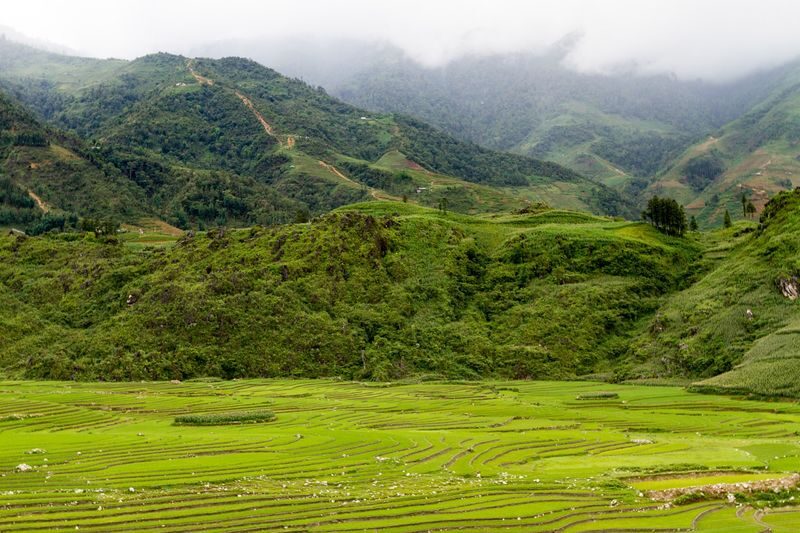
Trek from Sapa to Ma Tra and Ta Phin with a local guide, rice-field views and village encounters, on a private route that can turn muddy after rain.
The appeal of this trek is that it trades Sapa’s town bustle for a footpath through Ma Tra and Ta Phin, where fields, farms and village life are part of the walk, not a view from a bus window. A local guide can make the difference between simply covering ground and understanding the people and work you pass.
I like two things in particular: the private format gives your guide room to adjust the pace, and the route is quieter than the better-known Lao Chai and Ta Van walks. Guides such as Phinh, Nhu and Zu are often praised for sharing practical details about local customs, crops and daily life. A meal with mountain views may also be part of the outing, though you should confirm what your booking includes.
The main caution is the footing. This is a real walk, often around 10 kilometers and more than three hours, with slippery dirt paths and muddy fields after rain. Good hiking shoes or boots matter more than a spotless pair of trainers.
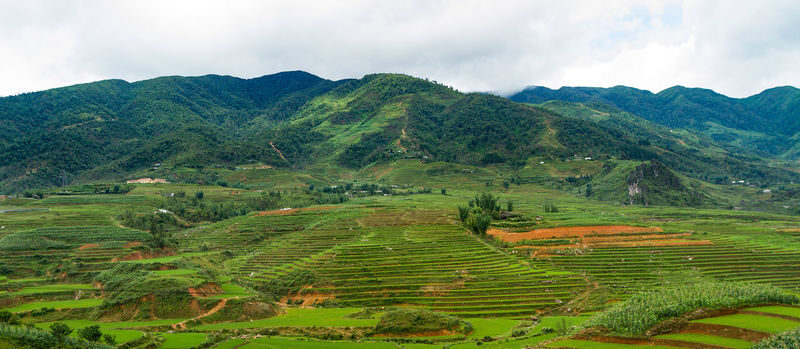
Sapa is a mountain town, but its busy streets are not the reason most people come. The appeal begins once you head out toward the villages and the steep green folds around them. This trek takes you east of town toward Ma Tra and Ta Phin, following a route that lets you experience the countryside at walking speed.
Some outings begin near Sapa and descend toward the villages. That makes the first stretch feel easy on the lungs, but it can be tougher on the knees and footing, particularly after rain. Do not mistake downhill for effortless: wet earth and uneven paths need attention, and the return or later sections may involve more varied ground.
The route is private, so you are not simply keeping pace with a large group. That can make the day more personal. You can ask questions, take time to look at a crop or a house, and tell your guide if you need a slower pace. It does not guarantee that every guide will stop often, so say early if you want more explanation or photo breaks.
For a more personal experience, these private Sapa tours deliver individual attention
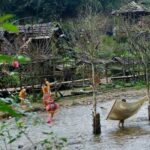
Ma Tra is a chance to see more than terraces from a scenic lookout. The walk passes fields and farms, with crops and animals along the way. Depending on the route and season, you may see villagers tending land or going about daily tasks. The point is not a staged cultural show. Your guide helps make sense of what is happening around you.
That human context is the trek’s strongest feature. Guides have explained how crops are grown, how local families live, and how traditions are changing. One guide, Phinh, has been praised for pointing out medicinal plants and explaining rice cultivation. Another, Sao, shared how she grows crops, raises animals, weaves clothes and builds a home. Those details turn a pretty walk into a more grounded encounter with life in the area.
You may also pass activities such as tofu making, indigo dye work or corn being peeled, though these are not guaranteed stops. Treat them as possible glimpses rather than fixed attractions. If something catches your interest, ask your guide what you are seeing and whether it is appropriate to pause.

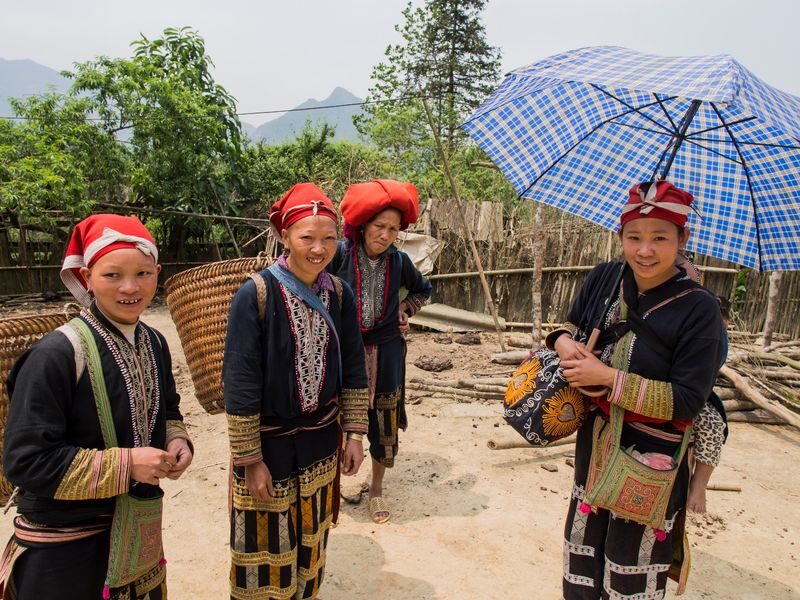
Ta Phin is one of the main reasons to choose this route. The tour introduces the Hmong and Red Dao communities, and guides can explain local customs, clothing, crafts and the differences between groups. These conversations are often the most memorable part of the outing because they come from someone who knows the place as home, not as a lecture topic.
Guides such as Nhu, Zu and Phinh have been praised for answering questions and sharing personal perspectives on family, work and cultural change. Your experience will depend on your guide and your curiosity. Ask open questions, listen carefully and remember that one person’s account is not a complete portrait of an entire community.
Some participants have also visited an old church in Ta Phin or other small points of interest along the way. Those stops are not promised, but a private tour may offer more flexibility to make a brief detour when timing allows. If there is a particular sight you hope to see, ask before setting out rather than assuming it is part of the route.
On a cultural trek, your guide is not an accessory. They are the link between the path and the place. The strongest guides described for this outing are warm, patient and attentive, with good English and a knack for explaining daily life in clear terms. Phinh, Nhu, Zu, Mai and Sao are among the names associated with especially personal, informative walks.
A good guide also watches how you are managing the terrain. Several guides have helped people through muddy rice fields, adjusted the route for a family with a child, or slowed down when the footing was difficult. That care matters more here than it would on a flat town walk.
There is some variability. One account describes a guide walking ahead, checking a phone and offering little explanation, while the group felt hurried over the distance. Set expectations at the start: tell your guide whether you want a steady workout, a slow cultural walk or frequent stops. A private booking gives you a better chance to communicate that preference, but it is still worth being clear.
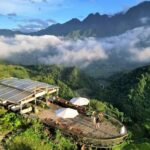
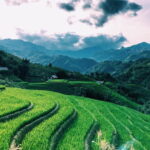
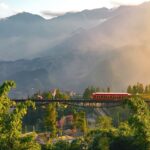
The scenery changes as the path crosses fields and village edges. Rice terraces are the visual highlight, with broad views of slopes and farmland. Bamboo groves and smaller paths can add variety. Fog is common enough to be worth preparing for: it may soften the views or hide distant peaks, but the walk can still be rewarding if you focus on the nearby fields and village details.
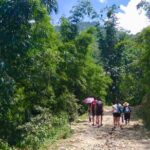
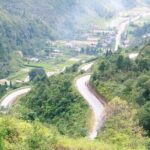
The ground is the practical challenge. After rain, paths can become slick and muddy, including sections through rice fields. Even trekking shoes can collect mud, and some people have found rented rubber boots uncomfortable on rocky ground. If rain is in the forecast or the trail has recently been wet, prioritize grip and stability. Long sleeves and trousers are sensible protection for a walk through fields and village paths.
The route is often described as about 10 kilometers, though actual distance and duration can vary. Some people complete it in around three hours; others take closer to five, especially when stopping, eating or dealing with difficult footing. One person found it tiring enough to finish only part of the course. Be honest about your fitness and tell the guide if you need to shorten the walk.
Outdoor enthusiasts can explore more Sapa trails with these hiking options
A meal is frequently part of the outing, often at a local restaurant with views over fields and mountains. Meals described include Vietnamese home-style dishes such as spring rolls, cabbage, tofu and chicken. The simple food is a welcome pause after several hours on foot, and the setting can be as memorable as the meal itself.
Do not assume lunch is included in every booking just because it is common on this route. Check the package details before paying, and ask about the expected stop if timing matters. The same goes for dietary needs: the available information does not specify menu choices or accommodations.
At a starting price of $34.19, this can be good value if you want a private guide and a proper walk rather than a short photo stop. The guide’s local knowledge, help on tricky ground and ability to explain village life are the real return. You are paying for more than a route between two places.
The value depends on what is included. Pickup, drop-off and lunch have been part of some outings, but do not assume they come with every booking. Check these details, along with the expected walking time, before comparing the price with another Sapa trek.
There is also a potential social cost to consider. In some cases, local women have walked alongside visitors and later offered handicrafts for sale. Some people appreciate their company and assistance on muddy paths; others have found the sales pressure uncomfortable. You are not obliged to buy. A polite, clear no is enough, and it is reasonable to ask your guide at the start how they handle these encounters.
Choose this outing if you want a quieter village route, enjoy walking, and are curious about local life beyond the scenery. It suits people who like asking questions and are comfortable with a guide-led experience that may include unplanned pauses or changes in pace. Families may be able to manage it, but one guide adjusted a route for a seven-year-old, which is not a guarantee that every path or pace will suit every child.
It is less suitable if you want a gentle stroll on firm, dry paths or have little patience for mud. The walk can be long, uneven and slippery. If you are unsure, ask about the day’s route and recent conditions before you set off, and be ready to request a shorter version if needed.
You can book with instant confirmation, and booking for the following day is available. Free cancellation applies when you cancel at least 24 hours before the activity date, using local destination time.
Wear clothes suitable for muddy paths, and choose shoes with reliable grip. Bring rain protection if wet weather is possible. If you want a slow pace, frequent cultural stops or a specific detour, raise it with your guide early. That small conversation can shape the whole walk.
I would book this tour if I wanted a half-day outdoors with a local perspective and did not mind a bit of mud. Its best feature is the combination of scenery and conversation: rice fields and farm paths are lovely, but a guide such as Phinh, Nhu or Zu can help you understand what you are seeing and how people live there.
Skip it if you need a short, easy walk or expect a polished, fixed schedule. The route can take longer than the phrase half-day suggests, and interactions around souvenir sales may not suit everyone. Confirm the lunch and transport details, wear proper footwear, and go in ready to walk rather than just admire the view.
“We had an insightful and enjoyable time trekking through the 2 villages. Our tour guide, Vhin was knowledgeable, explained a lot of history, custom…”
The listed starting price is $34.19. Confirm the price and what is included for your chosen package before booking.
The route goes from Sapa toward Ma Tra and Ta Phin, villages in the valley east of Sapa.
It is sold as a half-day trek. Walks have taken more than three hours, and some have lasted close to five hours.
The route is described as about 10 kilometers, though the distance completed can vary.
Yes. The activity is described as a private half-day trekking tour.
Yes. Booking for tomorrow is available, with instant confirmation.
You can receive a full refund if you cancel at least 24 hours before the activity date, based on local destination time.
Lunch has been part of some outings, but the available package information does not confirm it for every booking. Check your selected package.
Wear clothing suitable for a muddy walk and shoes or boots with good grip. Paths can become slippery after rain.