Physical Address
304 North Cardinal St.
Dorchester Center, MA 02124
Physical Address
304 North Cardinal St.
Dorchester Center, MA 02124

Compare this Mount Fuji day trip from Tokyo, with seasonal viewpoints, Oshino Hakkai, and a choice of Gotemba shopping or a hot spring.
Mount Fuji is the star, but this day trip gives you more than one way to see it. Depending on the season, you’ll head to the 5th Station at 2,305 meters or climb 397 steps at Arakurayama Sengen Park for the famous view over Fujiyoshida. I like that the route also makes room for Oshino Hakkai’s spring-fed ponds and a choice between shopping and a soak.
I also like the helpful, multilingual guiding that has made this group tour work for families and first-time visitors. Guides named Anna and Kim Myung-chul have earned warm praise for their patience and clear explanations, though the guide on your day may be someone else. The trade-off is a packed schedule: Mount Fuji visibility depends on weather, and traffic can cut into your time at the stops.
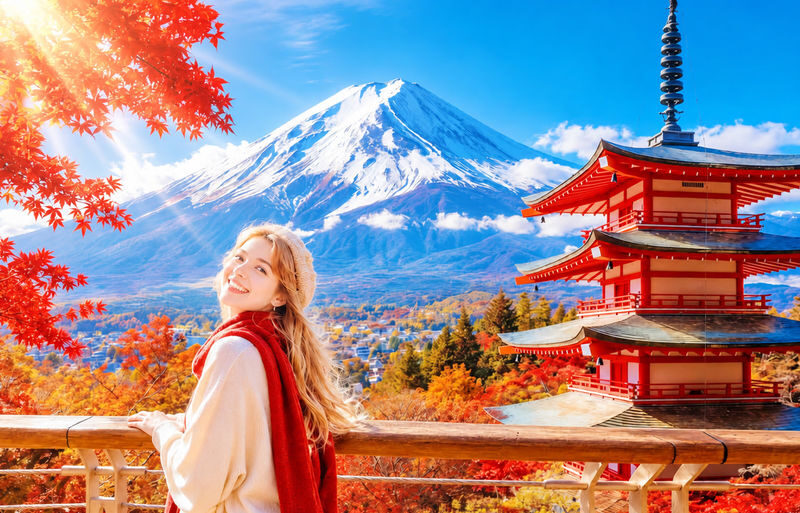
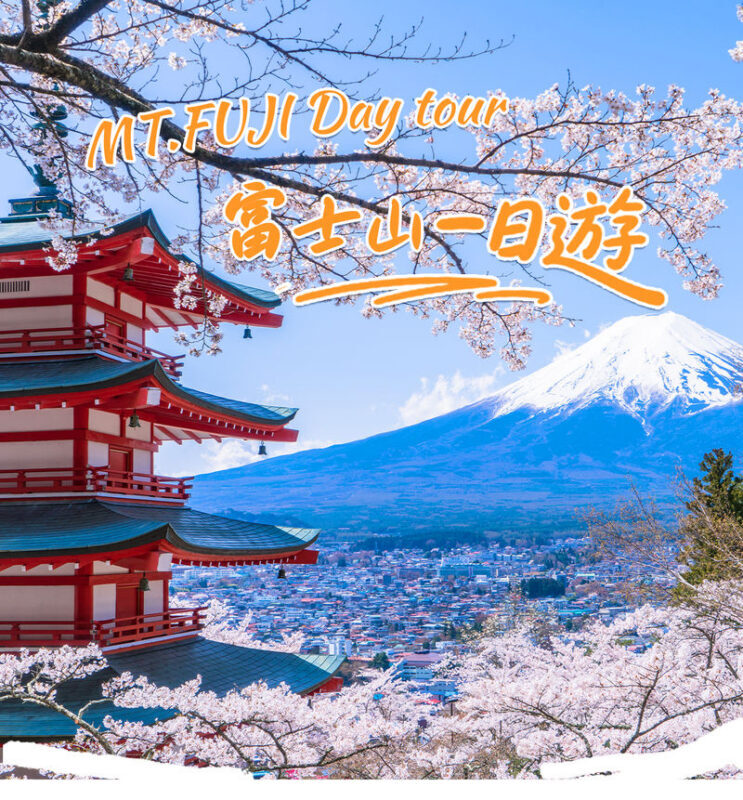
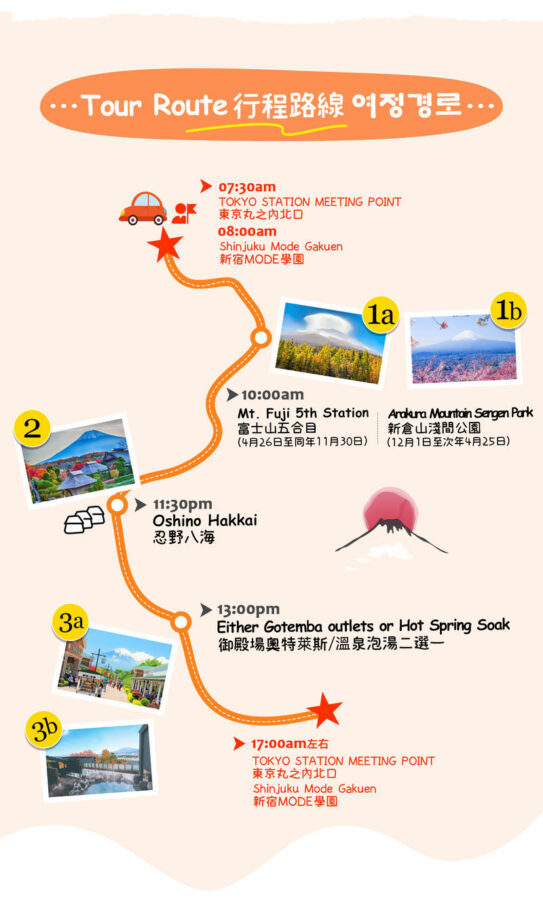
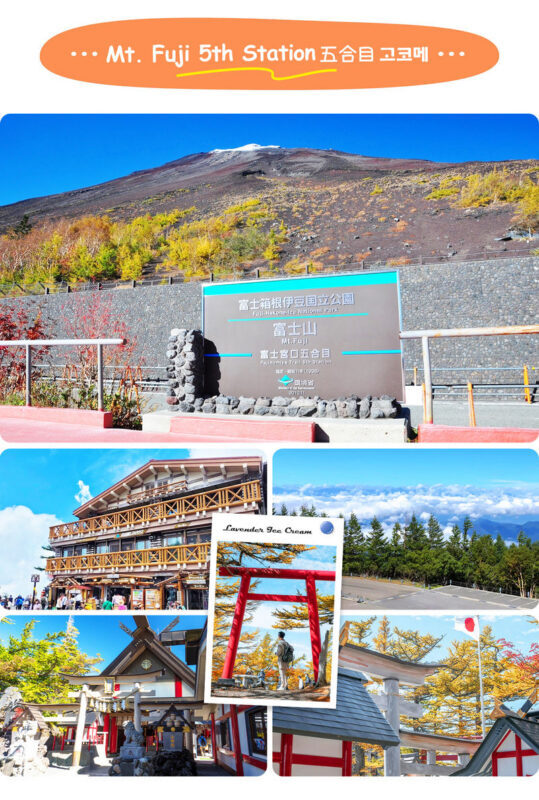
This tour changes its main Fuji stop through the year, so check which one applies to your date before you book. From April 26 through November 30, the bus heads to Mount Fuji’s 5th Station, about 2,305 meters above sea level. It gets you close to the mountain’s broad slopes and gives you a strong sense of its scale.
On a clear day, the view can stretch toward Lake Kawaguchi and the surrounding mountains. Clouds can change the scene quickly. Sometimes they obscure Fuji; sometimes they gather below the viewpoint in a sea of clouds. That uncertainty is part of the appeal, but it means a clear, full view is never something to count on. Summer visibility is noted as lower, so check the forecast before setting your expectations.
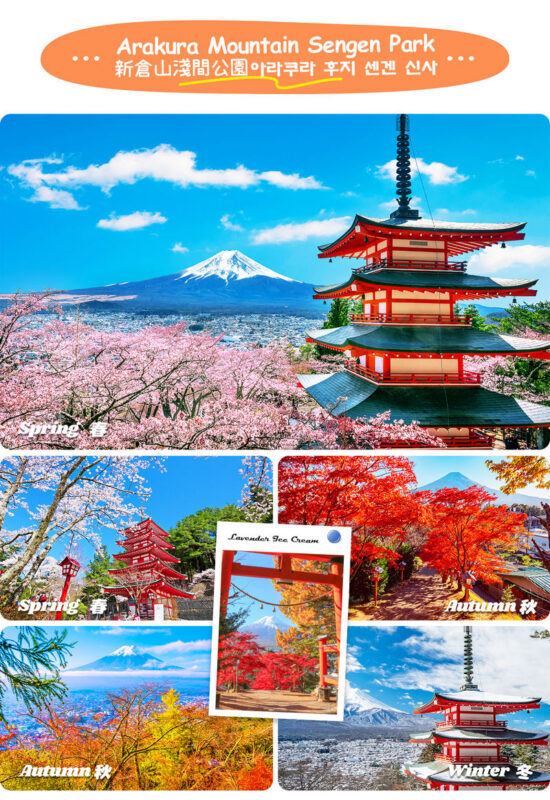
From December 1 through April 25, the plan switches to Arakurayama Sengen Park. Its well-known viewpoint frames Mount Fuji above Fujiyoshida, giving you both the city and the mountain in one scene. The climb involves 397 steps, a real consideration if stairs are difficult for anyone in your group. Take your time, especially if the path or weather makes the climb feel less comfortable.
The seasonal swap is sensible, but it does mean you don’t visit both Fuji viewpoints on this trip. The 5th Station offers a closer look at the mountain; Arakurayama is the classic wide-angle view. If one matters more to you, choose your travel dates with that distinction in mind.
Looking for more options in Fujiyoshida? Here are some other experiences worth considering.
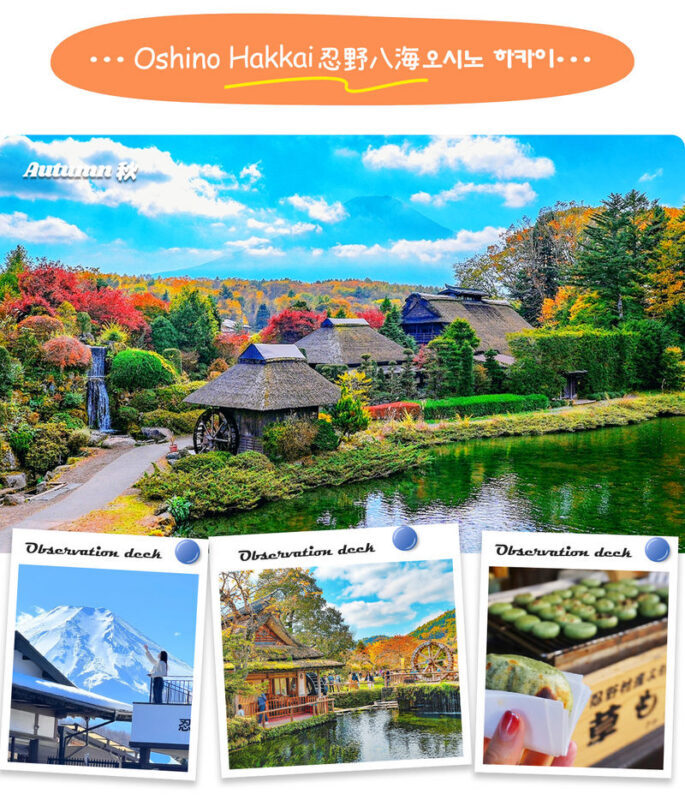
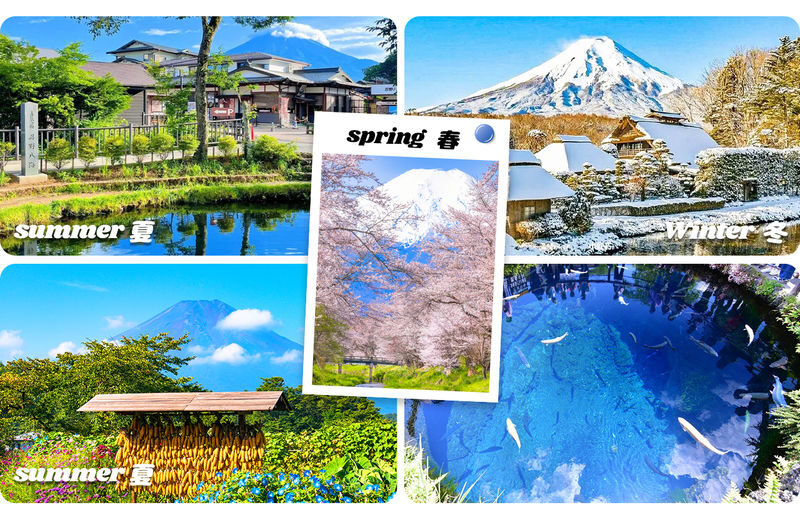
After the Fuji stop, you’ll have about an hour at Oshino Hakkai. The village is known for eight clear springs fed by snowmelt filtered through Mount Fuji’s volcanic ground. The ponds, traditional buildings, and mountain views give this stop a quieter feel than the high viewpoint or a shopping center.
I’d use this hour to walk slowly and look closely. The water is the main draw, and the reflections can be lovely when the weather cooperates. Oshino Hakkai is designated a Natural Monument of Japan, and its setting helps explain why it is more than a quick photo stop. Still, an hour is not a long visit, especially if the area is busy or you want to browse.
Lunch follows, with about 30 minutes set aside. You can bring food or buy it at Oshino Hakkai. The guide recommends restaurants, and listed meal choices include fried chicken or a vegetarian option for ¥1,500, and wagyu beef or eel for ¥3,000. All-you-can-drink beverages are listed at ¥500. These are optional costs, so bring cash or a payment method you can use locally, and don’t assume lunch is included in the tour price.
The short lunch window makes a little planning worthwhile. If you prefer a particular meal or need extra time to eat, bringing something along may make the stop easier. The tour can arrange the timing on the day, so keep an ear out for the guide’s instructions.
The afternoon gives you a choice between Gotemba Premium Outlets and a day-trip hot spring. The activity block is about two hours, so think of it as one focused stop rather than time to shop, bathe, and explore at leisure.
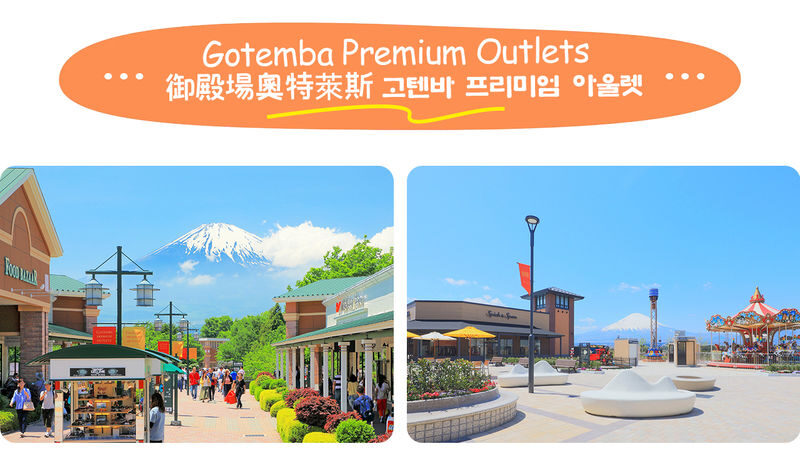
At Gotemba, you can browse well-known brands with Mount Fuji as a possible backdrop. This is a useful option if shopping is high on your list, or if you’d rather stretch your legs among shops after a morning of sightseeing. The limitation is simple: two hours can pass quickly, particularly if you want to compare stores or stop for a meal. One tour participant specifically wished for more outlet time, a fair warning for serious shoppers.
The hot spring is the more restful choice. Listed reference bathing fees are ¥1,700 on weekdays and ¥2,100 on weekends and holidays. Japanese onsens require nude bathing, so this may not suit everyone. From April 2026, Konohana Onsen allows visitors with tattoos; alternative onsens used during closure periods do not accept tattoos. Check which facility is planned for your date if this rule affects you.
Closures can change the afternoon plan. The outlet closes once a year on the third Thursday of February. If it is closed, the alternative is sightseeing at Lake Yamanaka or visiting Lake Yamanaka Onsen. The hot spring can also have regular closures, so the day’s choice may be adjusted. The tour may skip or change stops because of capacity or weather, too.
Round-trip transport from the meeting point is included, which saves you the work of linking several stops by public transport. The tour uses shared vehicles, with the vehicle type based on the number of people booked. Group size can range from one to 48, so the experience may feel like a small outing or a full coach group.
Guides have received strong praise for keeping the day organized, explaining the stops, and helping people along the way. Anna is a name that appears often, while Kim Myung-chul has been praised for speaking Korean, Chinese, and Japanese. Other guides mentioned include Iris and Bruce. These names give you an idea of the friendly, multilingual service that has been available, but they are not a promise about who will lead your departure.
The language option you book matters, though other languages may be spoken in the same vehicle. The listed meeting-point packages include English- and Mandarin-speaking guides. Confirm the selected package and read the message sent the night before, which gives the guide and vehicle details. It can land in your spam folder.
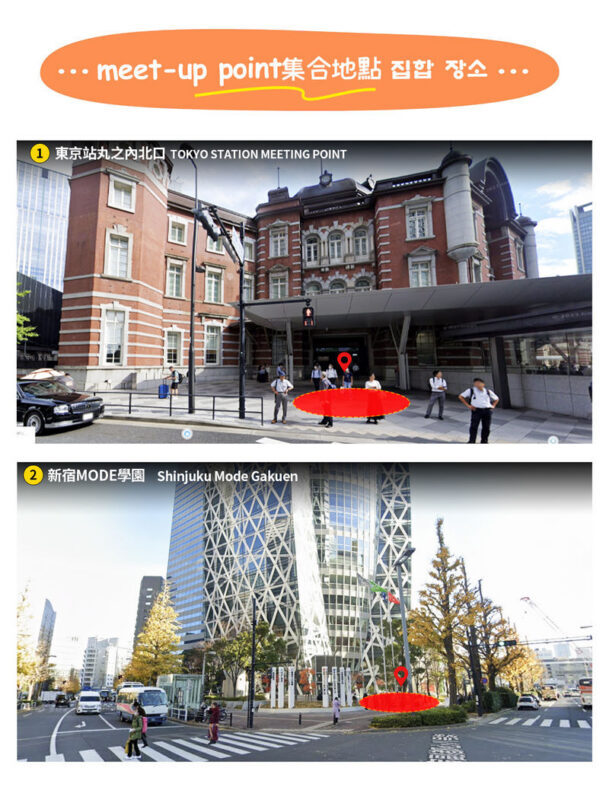
The early start and shared schedule call for punctuality. Arrive at least 10 minutes before departure, and don’t change meeting points at the last minute. The listed locations include Tokyo Station and a Shinjuku meeting point; departure times vary by option, with the specific time confirmed before the tour. Late arrivals cannot be refunded, and the group will not wait indefinitely.
Starting at $49.29, this tour can be good value if you want transport, several Fuji-area stops, and a guide handled in one booking. The price is especially useful for visitors who don’t want to work out connections between the mountain area, Oshino Hakkai, and either Gotemba or a hot spring. It also lets you cover a wide area in one day rather than spending time arranging each leg yourself.
But the starting price is not the full day’s cost. Meals, drinks, bathing fees, and personal purchases are excluded. Add lunch and an onsen fee if you choose those options, and set a shopping limit if you know Gotemba will tempt you. The tour’s value comes from convenience and breadth, not from long, unhurried visits at every stop.
Think of this as a sampler of the Fuji region. You get a seasonal signature viewpoint, a spring village, and one afternoon activity. If your priority is time to hike, linger at a particular viewpoint, or shop until closing, a single-day group tour may feel too tight.
You might also be interested in these Fujiyoshida experiences
Mount Fuji’s visibility is strongly affected by weather, and summer views can be less reliable. A clear day can make the route memorable; cloud or rain can obscure the mountain or force a change in plans. Staff may adjust outdoor activities for safety, and the guide can change the order of stops or reduce parts of the route when conditions require it. Seasonal flowers, autumn leaves, and snow scenes also depend on the weather, so don’t book on the assumption that a specific seasonal display will be at its peak.
The return time is an estimate, not a guarantee. The expected arrival window is 17:00 to 18:00, and traffic or weather can make the journey longer. I would not book a timed dinner, show, train, or other activity for that evening. The operator does not cover costs caused by a late return.
If you’re bringing luggage, one piece per person is allowed free, but you need to note it when booking. Extra luggage must be declared in advance and may be refused if it makes the vehicle crowded. Child seats are not available. Children aged 3 and older pay the adult rate; children aged 0 to 2 can join without a separate seat, but must still be included in the headcount.
For people aged 70 or older and pregnant women, a liability waiver is required. Pets are not allowed, and anyone who appears intoxicated may be refused service without a refund. These details are easy to overlook when you are focused on Fuji, so check them before departure.
Book it if you want a practical, guided way to see Mount Fuji and nearby highlights without managing transport yourself. It suits first-time visitors to the region, families who value a clear plan, and anyone happy to trade long stops for several different experiences in one day. The consistently praised guides and organized transport are real strengths, though the guide and vehicle vary.
Skip it if you need guaranteed Fuji visibility, want to visit both seasonal viewpoints, or prefer to set your own pace. The best way to choose is to start with the seasonal stop: pick the 5th Station for a close-up mountain view from late spring to autumn, or Arakurayama for the famous city-and-Fuji composition in winter. Then decide whether your afternoon belongs to shopping or a hot spring. With that choice made, you’ll know what this day can deliver, and what it can’t.
“Thanks to our guide, Kim Myung-chul, we had a really fun family trip :)! Mount Fuji was also so pretty~”
The tour lasts about 9.5 hours. The estimated return to Tokyo is between 17:00 and 18:00, but traffic and weather can delay arrival.
From April 26 to November 30, the tour visits Mount Fuji 5th Station. From December 1 to April 25, it visits Arakurayama Sengen Park instead.
No. The scheduled Fuji viewpoint changes by season, so the tour visits one or the other.
No. Meals and drinks are not included. You can bring your own lunch or buy food at Oshino Hakkai. Optional meals are listed from ¥1,500.
No. They are a 2-in-1 choice for the afternoon. You choose the outlet or the hot spring, subject to closures and changes on the day.
The listed reference fee is ¥1,700 on weekdays and ¥2,100 on weekends and holidays. The bathing fee is not included in the tour price.
From April 2026, Konohana Onsen allows visitors with tattoos. Alternative onsens used during closure periods do not accept tattoos. Japanese onsens require nude bathing.
Meeting-point options include English-speaking and Mandarin-speaking guides. Other language packages may also be offered, and people speaking other languages may share the vehicle.
Listed meeting points include JR Tokyo Station Marunouchi North Exit and an SMBC branch in Shinjuku. Check the message sent the night before for your exact location, departure time, guide, and vehicle details.
One piece of luggage per person is allowed free if declared when booking. Children aged 0 to 2 can join without a separate seat, but must be included in the passenger count. Child seats are not available.